





 Portuguese
  English
  Spanish
 6 min of reading
  4 comments





Underground Works Advance in São Paulo and Transform Sanitation, Drainage, and Urban Mobility with Long-Term Projects
Below the asphalt of São Paulo, a set of large-scale works is simultaneously advancing in the areas of sanitation, drainage, mobility, and urban redevelopment.
The interventions, conducted by different public entities, have timelines that extend between 2026 and 2028 and directly impact the daily lives of millions of residents of the capital and the metropolitan region.
Although many of these fronts are not noticeable at the surface, they require deep excavations in densely populated areas.
-
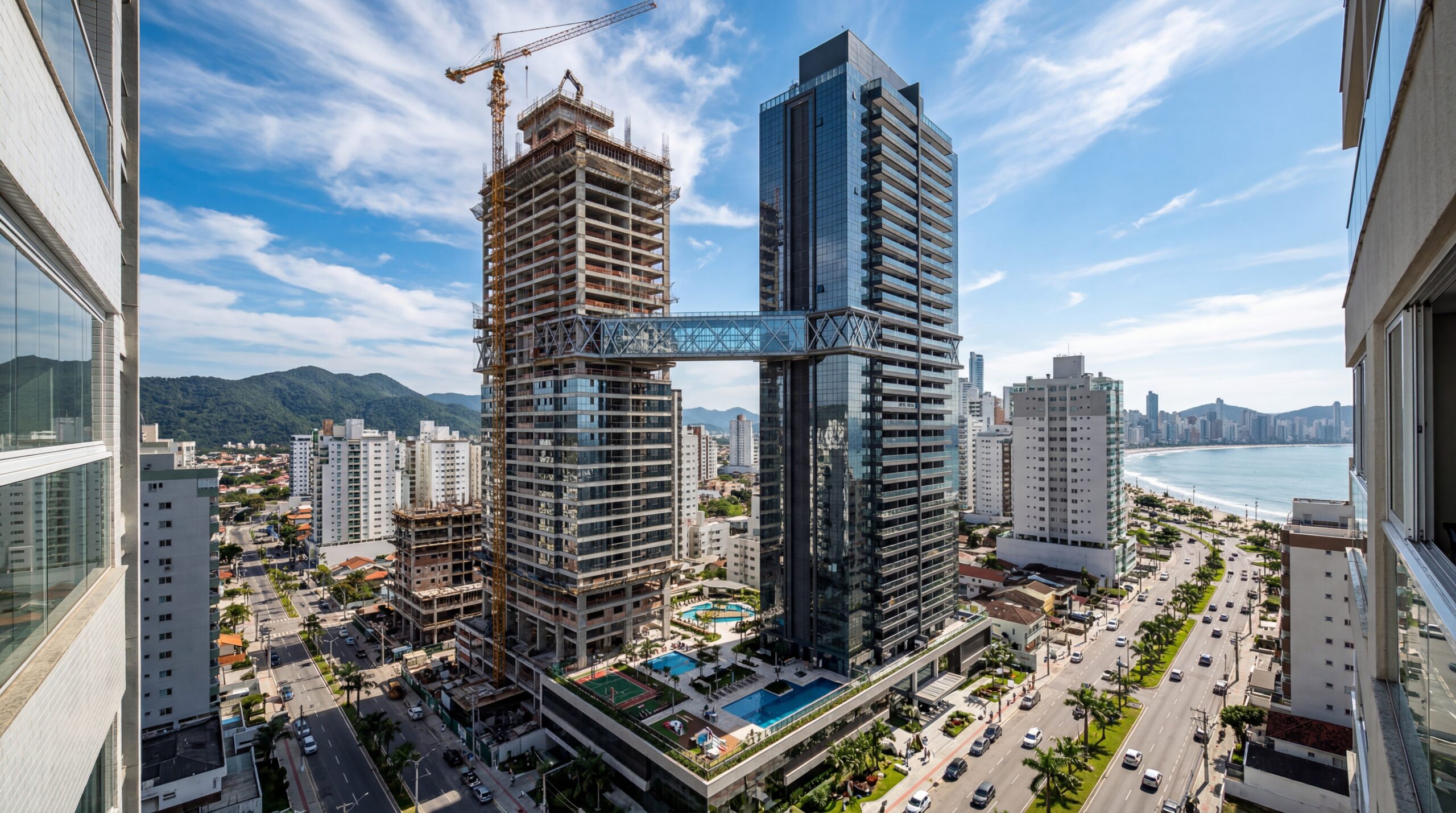
With 55 floors, 177 meters in height, a 15-meter walkway between the twin towers, ventilated facade, and 6,300 m² of leisure space, Ápice Towers already has one tower completed and another nearly at the top.
-
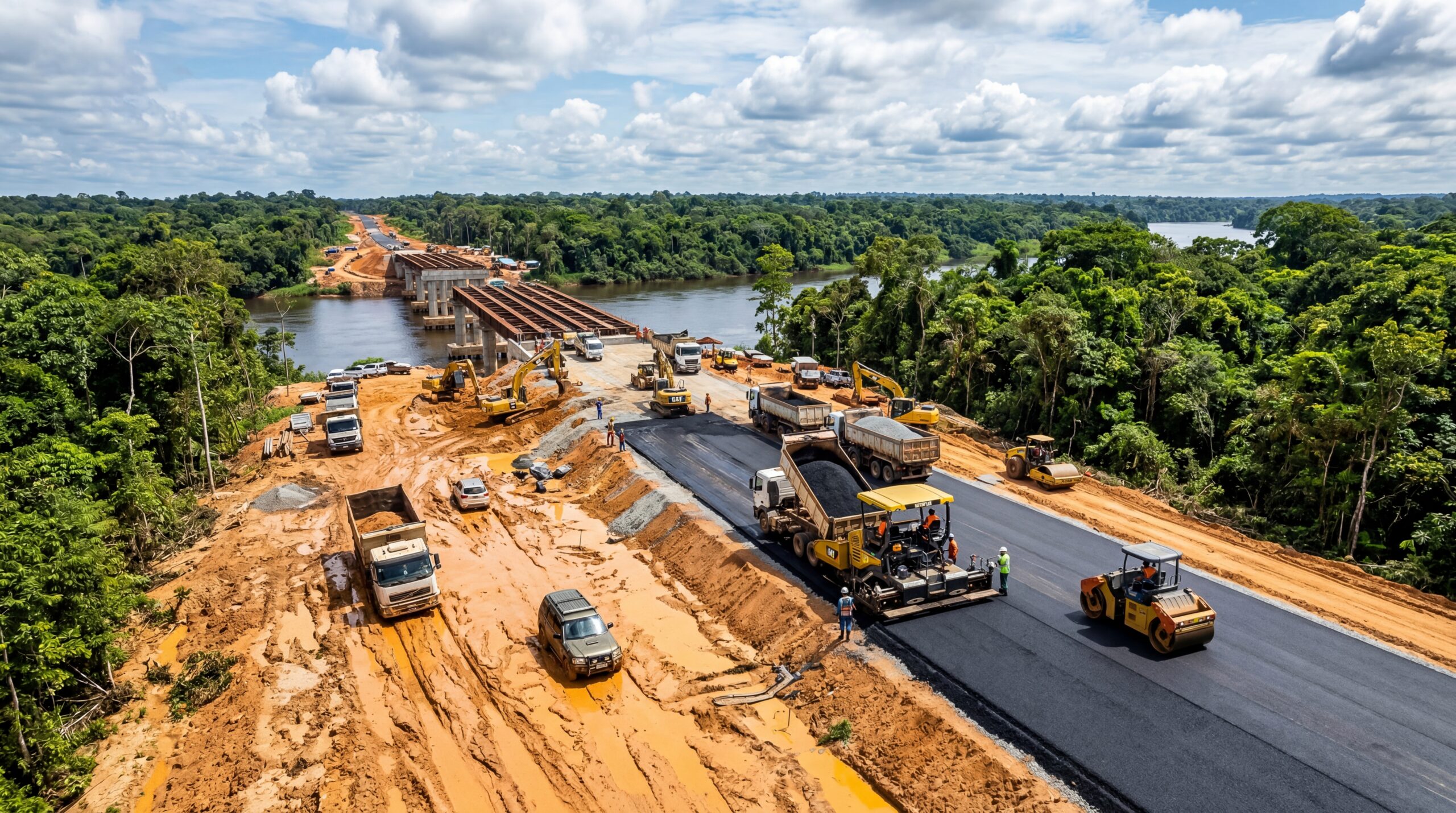
After nearly 50 years of neglect, BR-319 receives R$ 678 million to pave 340 km, gain a 320-meter bridge, and try to lift Amazonas out of the mud, the quagmire, and road isolation.
-
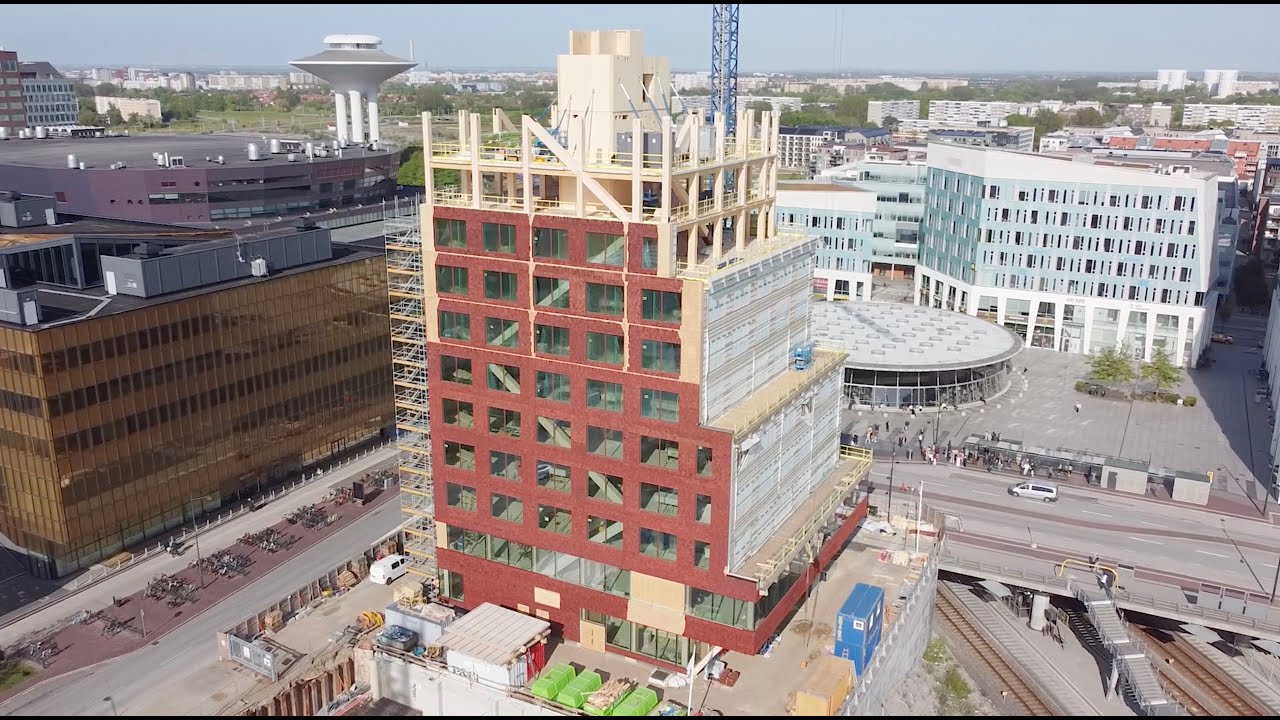
In Sweden, a 51-meter tower was built almost entirely of wood, without a concrete structural core and with solar panels integrated into the facade, using CLT and laminated beams to challenge the dominance of steel and concrete in modern buildings.
-
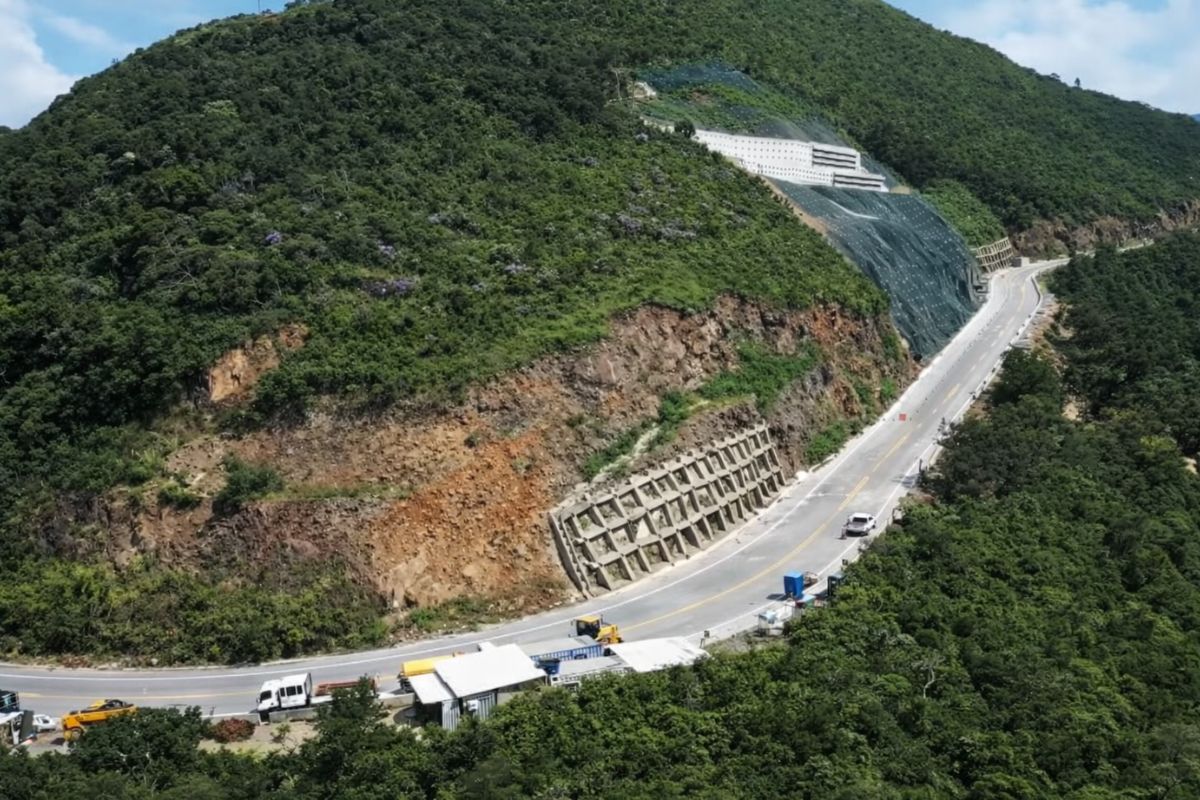
The section of Serra da Rocinha on BR-285 is now open in Timbé do Sul: 50 m tensioned curtains and top-down technique stabilize the slope, with a stairway duct controlling the water.

The works involve unstable soil, high groundwater tables, rocks, old foundations, and an extensive network of cables and pipes that support the functioning of the city.
To minimize impacts, projects are often divided into phases and executed in a decentralized manner, allowing essential services to continue operating during the works.
IntegraTietê Expands Sewage Networks and Treatment Capacity
Among the ongoing initiatives, the IntegraTietê program focuses on some of the most extensive interventions in terms of territorial reach.
The state project encompasses works for expansion of sewage collection and treatment, focusing on reducing illegal discharge into streams and the Tietê River.

Data disclosed by the state government indicates that between 2023 and 2025, the program received investments of R$ 6 billion.
During this period, 714 kilometers of pipes were installed, and approximately 679 thousand households began to have sewage routed for treatment.
The official balance also records the addition of five new sewage treatment stations in the expansion package.
According to information presented by Sabesp in sector communications, the execution was accelerated, with the advancement to the end of 2027 of works that were previously scheduled until 2029.
In one of the phases of the program, the total reported investment reaches R$ 9 billion, including the implementation of new segments of the network and the expansion or modernization of existing stations, such as the one in Barueri.
Within this set, the expansion of treatment capacity appears as a central phase.
Public documents indicate that as new networks come into operation, it becomes necessary to reinforce existing plants, such as the Parque Novo Mundo Sewage Treatment Station, whose expansion was announced as part of IntegraTietê.
Urban Drainage Bets on Underground Galleries and Retention Basins


In addition to sanitation, urban drainage concentrates large-scale works, especially in regions historically affected by flooding.
In the southern area of the capital, the City Hall of São Paulo reports that it is executing a new drainage system in the Piraporinha Stream, with approximately 4.5 kilometers of underground galleries.
According to the municipal administration, the work was planned with different construction methods.
In certain sections, execution occurs through the tunnel liner method, which allows for underground excavations with less impact on the surface.
In other points, reinforced concrete segments are used, installed in open trenches, accompanied by the restoration of pavement and surface drainage devices.
Flood mitigation also involves the construction of underground reservoirs, known as retention basins.
Information released by the Municipal Infrastructure and Works Secretariat indicates that by 2025, there were eight retention basins under construction, with completion deadlines spread between 2026 and 2027.
Among the projects mentioned in official reports is the retention basin Morro do S, in Capão Redondo, with an estimated capacity of 192 thousand cubic meters.
According to the City Hall, the structure was designed to serve a basin where around 870 thousand people live, with a scheduled delivery for 2026.
Also listed is the retention basin Paraguai/Éguas, in Vila Mariana, with a reported volume of 110 thousand cubic meters and a completion forecast for 2027.
Road Tunnels Reorganize Strategic Axes of the City

In the field of road mobility, some of the interventions focus on constructing tunnels to redistribute traffic and free up space on the surface.
One main example is the tunnel under the Avenida Cecília Lottenberg, connected to the extension of Avenida Dr. Chucri Zaidan, in the southern region.
Updates released by the City Hall indicate that by the end of 2025, teams were working on the stretch between Praça Embaixador Cyro de Freitas and Rua Verbo Divino.
The works included executing diaphragm walls and the necessary excavation for the installation of the upper slab of the tunnel.
This phase enables the advancement of subsequent phases below the roadway.
In communications about traffic alterations during the work, the municipality reported an investment of R$ 376 million and maintained the estimated completion date for May 2027.
Meanwhile, concessionaires are relocating energy, water, and telecommunications networks to allow the construction site to advance.
Another significant road project is the Sena Madureira tunnel, in Vila Mariana.
In this case, the most recent update released in 2025 concerns the resumption of the bidding process.
Official presentations indicated a reference value of R$ 748 million for the new competition, with an expectation of adjustment after the bidding, before the resumption of work fronts.
Metro Expansion Advances with Large Excavations Underground
Among the underground interventions related to rail transportation, the Line 6-Orange and the expansion of Line 2-Green concentrate the largest volumes of investment and excavation.
In the case of Line 6-Orange, which will connect the Brasilândia region to the downtown area, information from the state government indicates that the work has reached about 75% completion.
Updates released at the end of 2025 point out that the Água Branca Station surpassed 90% physical progress, while other stations continue at different stages.
The official schedules maintain the forecast for delivery in two phases, with the operation of part of the route starting from 2026 and completion of the rest in 2027.
In the expansion of Line 2-Green, the São Paulo Metro reported that 2025 marked a significant advance in tunnel excavation.
The tunnel boring machine Cora Coralina, with a cutting wheel of 11.66 meters in diameter, completed a phase of the route and was repositioned for the continuation of excavations towards Penha.

Technical reports register that the operation involved the lifting of a structure weighing approximately 205 tons.
According to the planning released by the Metro, the expansion is divided into two phases.
The first, between Vila Prudente and Vila Formosa, is scheduled for delivery in 2027.
The second, which extends to Penha, remains with an estimated completion date for 2028.
Distinct Timelines Mark the Construction of the Underground City
Although they are part of the same urban context, these works follow their own calendars and depend on technical, environmental, and administrative factors.
While some of the retention basins are scheduled for completion in 2026, other drainage and mobility structures progress at different paces.
These variations are associated with the complexity of excavations, the need for relocation of existing networks, and the testing and systems stages.
Overall, the projects expand the infrastructure without requiring major interruptions on the surface.
The strategy aims to preserve urban circulation and continuity of services during execution.
As these interventions are completed and come into operation, their effects are expected to appear gradually in the daily life of the city.
When these works cease to occupy the underground and begin to operate fully, how will the population perceive the impacts of these works that are currently advancing beyond their line of sight?





A imprensa não tem nada para colocar de matéria e coloca uma **** dessa…O mundo inteiro sabem que quando ameaça da uma chuva no Paraguay as ruas de São Paulo viram rio imagina cidade subterrânea vai morrer todos afogados 😝😎🤣
Agora vão manda de verdade os pobres pra baixo da terra. Esconder tu que pode parecer pobreza.
Não tendo como ver é mais fácil fazer essa propaganda para um governador que até não fez nada por São Paulo. Acredita quem quer continuar a ser enganado.