





 Portuguese
  English
  Spanish
  4 min of reading
  0 comments


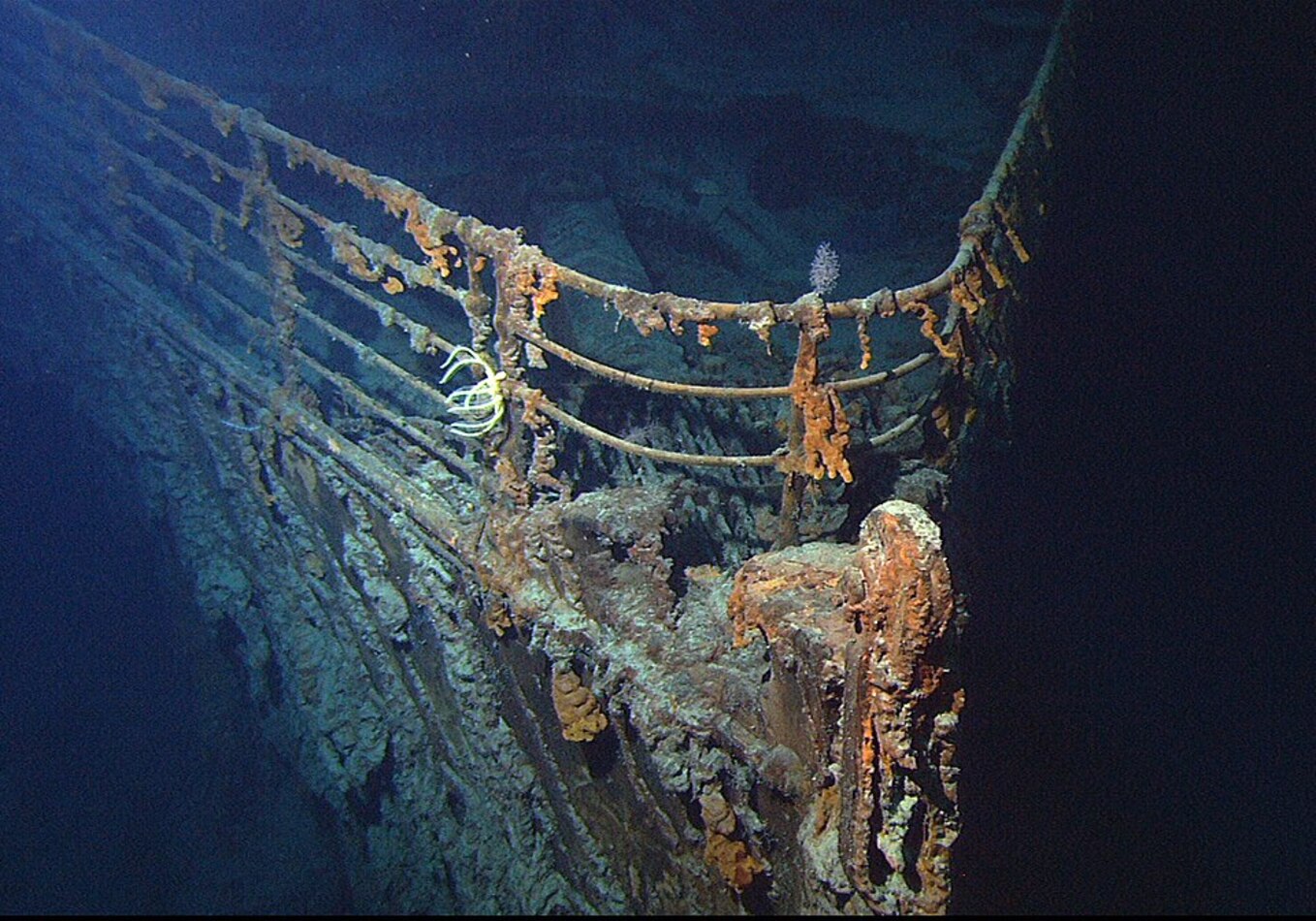
Collapse Recorded in 2024 Reinforces Predictions About the Advance of Destruction Caused by Microorganisms and Human Impact on the Legendary Ship Sank in 1912
In August 2024, new images released by the American company RMS Titanic, Inc. showed that a 4.5-meter-long section of the Titanic’s bow grate had collapsed. The record marks a significant moment in the disintegration of the wreckage, more than a century after the sinking.
The Titanic sank on April 15, 1912, after colliding with an iceberg in the North Atlantic. About 1,500 people died among passengers and crew.
Since then, the disaster has maintained worldwide interest, generating debates about preservation and exploration of the site.
-
Goodbye iron: new technology from Xiaomi promises to revolutionize the way we iron clothes with 500 kPa steam, continuous flow of 120 g/min, heating in 65 seconds, and six smart modes for different fabrics.

-
Rio Pardo, the most mysterious city in Rio Grande do Sul: untouched Pampas castle, the missing treasure of the Devil Boy, bride’s saint, invisible tunnels, and a 200-year curse today.

-
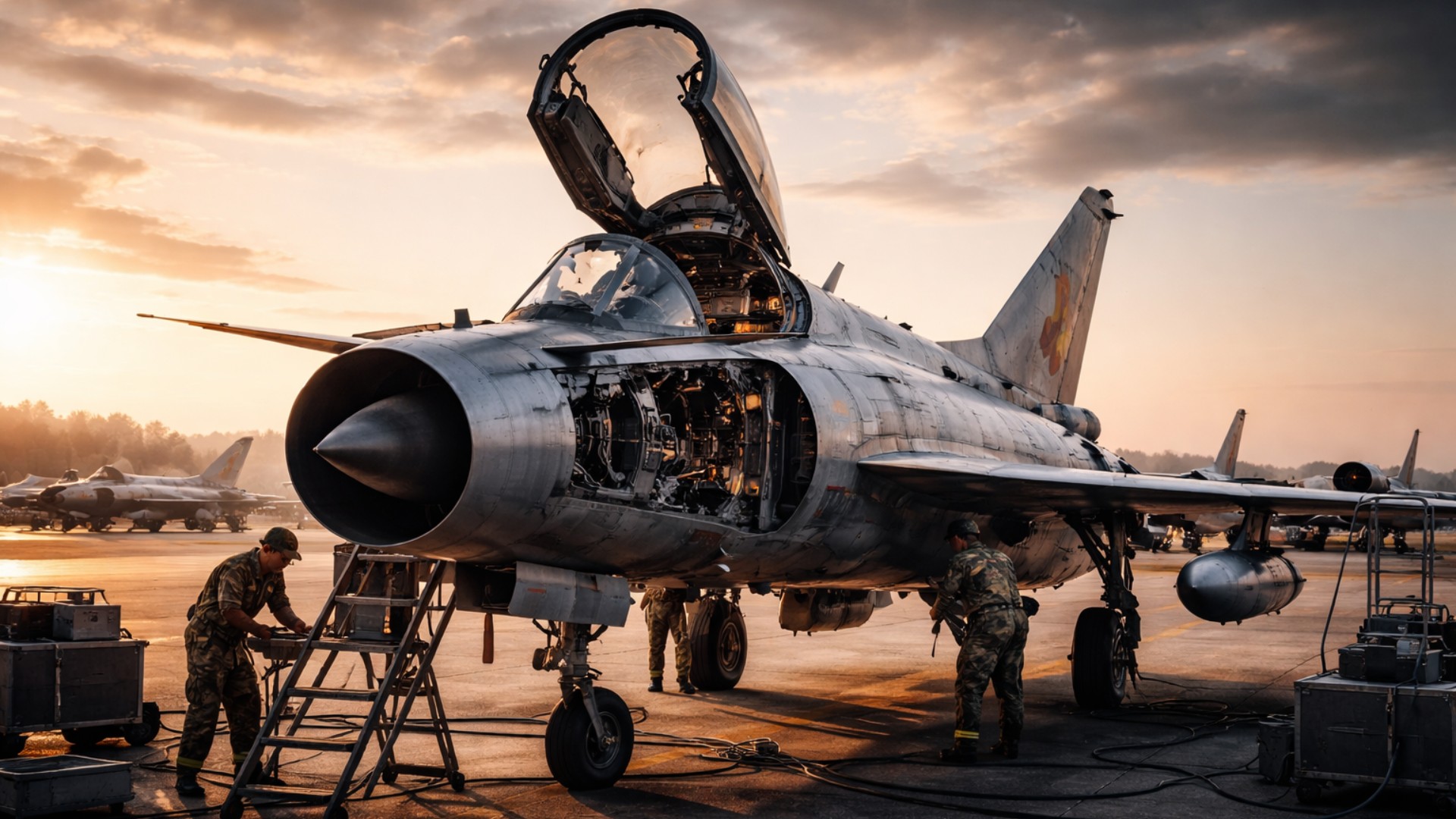
China retires the J-7 fighter after years of military protection and can now transform military items into drones, following more than 60 years of operation of the J-7, derived from the MiG-21, with thousands of units produced and strategic use in the PLAAF and PLANAF.
-
Volunteers are sought to live in the mountains for a month: a study pays people to stay at 2,500 meters, with 24-hour monitoring of sleep, metabolism, and blood pressure.


The Discovery of the Wreck in 1985
For 73 years, the location of the Titanic remained a mystery, despite several failed attempts. The turning point occurred on September 1, 1985, when American oceanographer Robert Ballard and his team located one of the ship’s boilers.
The discovery was widely publicized, but the real details came to light years later.
Ballard revealed that he was actually on a secret mission during the Cold War to investigate sunken American nuclear submarines.
He took the opportunity to search for the Titanic, managing to find it in international waters southeast of Newfoundland, Canada.
First Images and the Start of Controversies
In 1987, Titanic Ventures Limited Partnership, the predecessor of RMS Titanic, Inc., began recovering artifacts.
The expedition, conducted in partnership with the French oceanographic institute IFREMER, removed about 1,800 items. Years later, the company obtained exclusive rights to salvage objects from the ship.
These actions generated criticism. In 1997, the International Congress of Maritime Museums denounced RMS Titanic, accusing it of not properly preserving the wreck and its artifacts.
Public interest increased even more with the release of James Cameron’s film “Titanic” the same year.
Underwater Tourism Grows
Starting in 1998, private companies began selling packages to visit the Titanic in submersibles. Deep Ocean Expeditions even charged around R$177,000 per ticket.
RMS Titanic tried to legally prevent these activities but lost in the appeals court.
Tourism reached curious points: in 2001, an American couple got married on a Russian research vessel near the Titanic’s deck.
In 2002, tourist dives began to be offered by other companies. Despite criticism from conservationists, visits continued until 2012, when Deep Ocean ended its tours.
What Is Destroying the Titanic
In 2010, a partnership between RMS Titanic, the Woods Hole Oceanographic Institute, and other groups created a detailed archaeological map of the wreck. The goal was to measure the rate of deterioration and identify its causes.
The survey showed that the ship is disintegrating for two main reasons.
The first is natural: microorganisms, such as bacteria that feed on metal, slowly corrode the structure and weaken it.
The second is human: the presence of submersibles and tourist visits stirs sediments, causes physical impacts, and even knocks off parts of the hull, accelerating the process.
According to Bill Lange, director of Woods Hole, there were those who predicted that the bow would fall within a few years, while others believed it would last for centuries.
The collapse recorded in 2024 shows that the most pessimistic prediction was closer to reality.
UNESCO Protection and Legal Impasses
On the centenary of the sinking, in 2012, the Titanic became protected under UNESCO’s Convention on the Protection of the Underwater Cultural Heritage.
The agreement allows for the punishment of looting and prevents the disembarkation of infringing vessels. However, countries like the United States, the United Kingdom, and Canada have not ratified the convention, keeping disputes about tourism and salvage rights alive.
In 2016, RMS Titanic filed for bankruptcy. This put the fate of about 5,500 artifacts recovered in eight expeditions at risk.
Despite the interest from museums, the collection was sold to hedge funds for 19.5 million dollars in 2018.
Recent Tragedy Reignites Debate
Tourism to the Titanic remained profitable, but also risky. In June 2023, a submersible from OceanGate Expeditions imploded during a tour of the wreck, killing five people.
The accident once again exposed concerns about safety and preservation.
Nevertheless, interest did not cease. Less than a year later, an American billionaire announced plans to visit the site in his own submersible.
Digital Replica Preserves Lost Details
Also in 2023, scientists presented a high-resolution digital replica of the Titanic. The model accurately documents the current state of the wreck and preserves details that have already been destroyed, such as the iconic bow grate.
This initiative seeks to keep the memory of the ship alive, even in the face of inevitable deterioration caused by time and human action.
An Uncertain Future for the Titanic
The collapse of the bow grate in 2024 confirms predictions made more than a decade ago about the fragility of the structure.
Amid debates over commercial exploration, historical preservation, and the risks of visits, the Titanic remains at the center of disputes that intertwine emotion, history, and economic interests.
The most important thing is that, even after 112 years, the ship continues to evoke fascination and controversy. Among cinematic images, scientific missions, and recent tragedies, the story of the Titanic is still far from a final chapter.
With information from National Geographic Brazil.







-

-

3 pessoas reagiram a isso.