





 Portuguese
  English
  Spanish
  5 min of reading
  1 comment


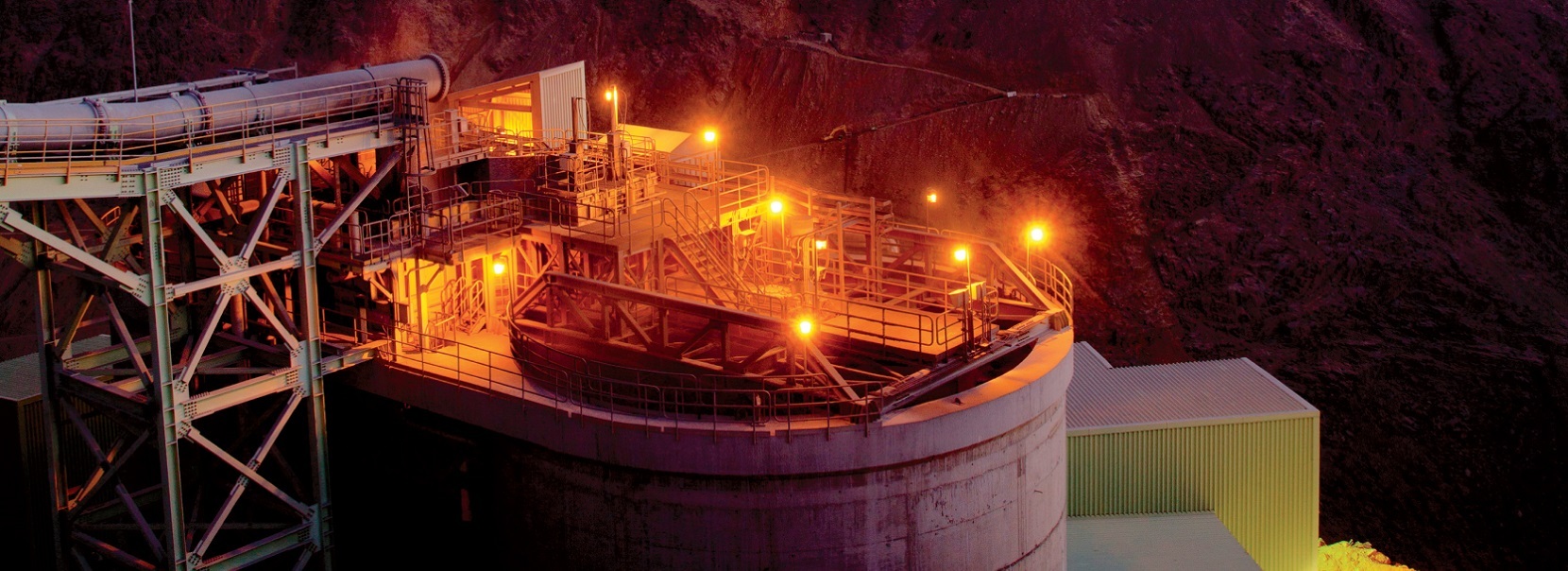


Chile Operates 138 km Pipeline from Los Bronces to Ventanas, Using Gravity at 2,500 m Altitude to Transport Concentrate Without Trucks and With Less Energy.
Chile operates the largest pipeline in the Americas, spanning 138 km from 2,500 m altitude to the sea, transporting ore by gravity and eliminating truck fleets between Los Bronces and Ventanas. Technical documents from Anglo American, environmental assessment reports from the Chilean government, and publications of environmental jurisprudence from Los Bronces state that Chile Operates the Largest Operational Pipeline in the Americas: a system of approximately 138 kilometers that connects the Los Bronces mine in the Metropolitan Region of Santiago to the industrial area of Ventanas on the Pacific coast.
Official documents indicate that the pipeline is installed in the mountains at approximately 2,500 meters altitude, utilizing a combination of natural gravity gradient, controlled hydraulic pressures, and monitoring stations to transport ore concentrate to the sea, without trucks, without road fleets, and with reduced energy consumption on the main stretch.
The first records of this system appear in the Environmental Impact Assessments (EIA) from Chile in the 2000s, with data supplemented in annual reports and operational memoranda provided by Anglo American itself. There is no invention, hypothesis, or “urban legend”: this is a real, documented, licensed industrial system that has been in operation for decades. It is a little-known case outside the mining and pipeline engineering sector, but serves as an example of how mineral logistics can be conceptualized on a continental scale, using geography, hydraulics, pressure, and altitude as parts of the process.
-
After China, it’s now the turn of the USA to ‘secure’ a share of Brazil’s natural resources: the country buys critical rare earths for R$ 3 billion and enters the center of the global technology dispute.
-
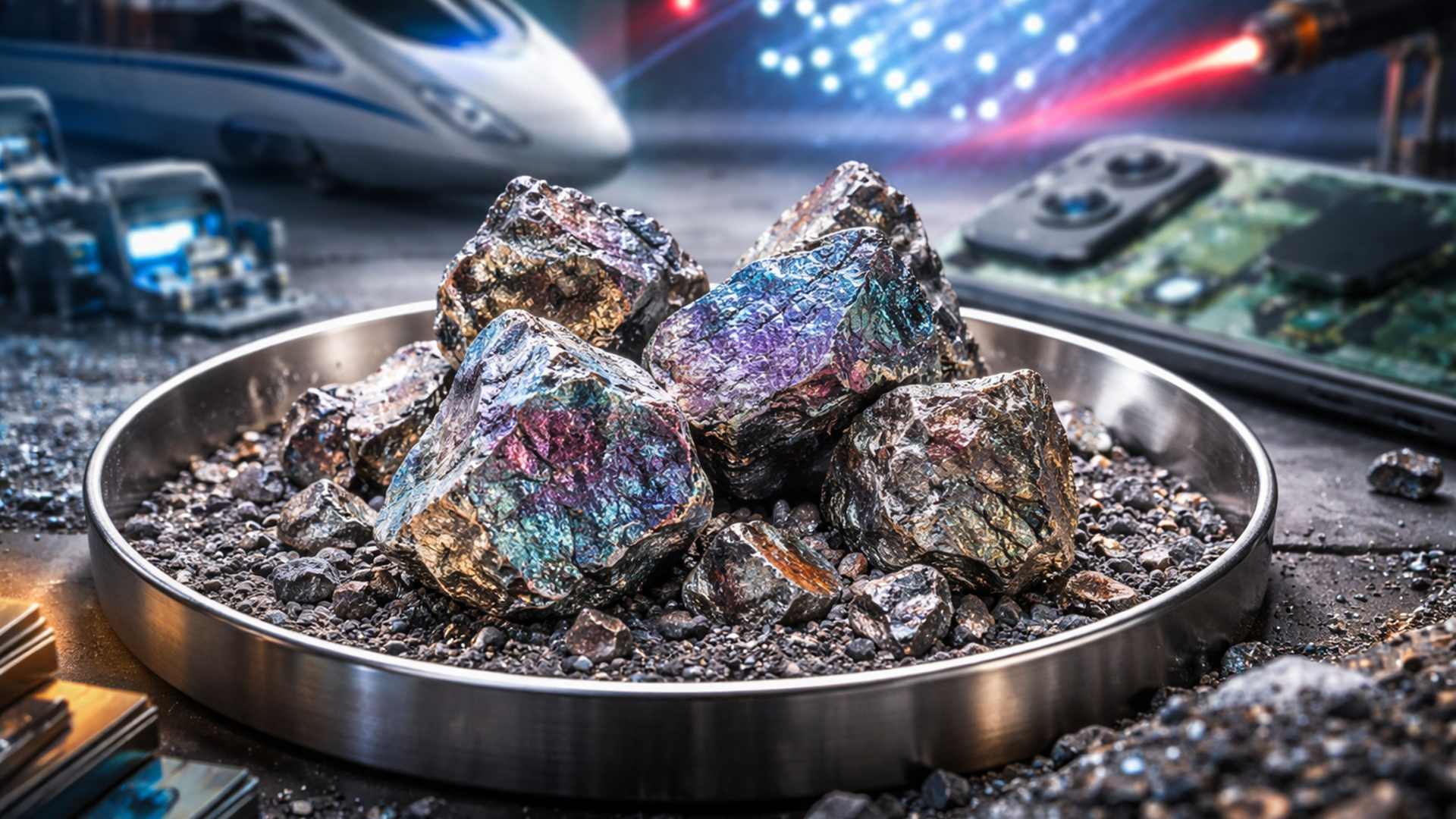
Rare earths are in everything, from cell phones to bullet trains, and what almost no one realizes is why they have become the target of such a delicate global war.
-
Brazil extracts 26.3 million tons of ore from what was previously treated as waste, transforming residues into wealth, producing over 3 million tons of sand, and demonstrating how national mining is relearning to generate value.
-
A $3.5 billion megaproject in Latin America pumps desalinated seawater at 1,050 liters per second over 194 km to keep a copper supermine in the Andes operational for another 20 years.

Mining at High Altitude and the Logistical Challenge of the Mountains
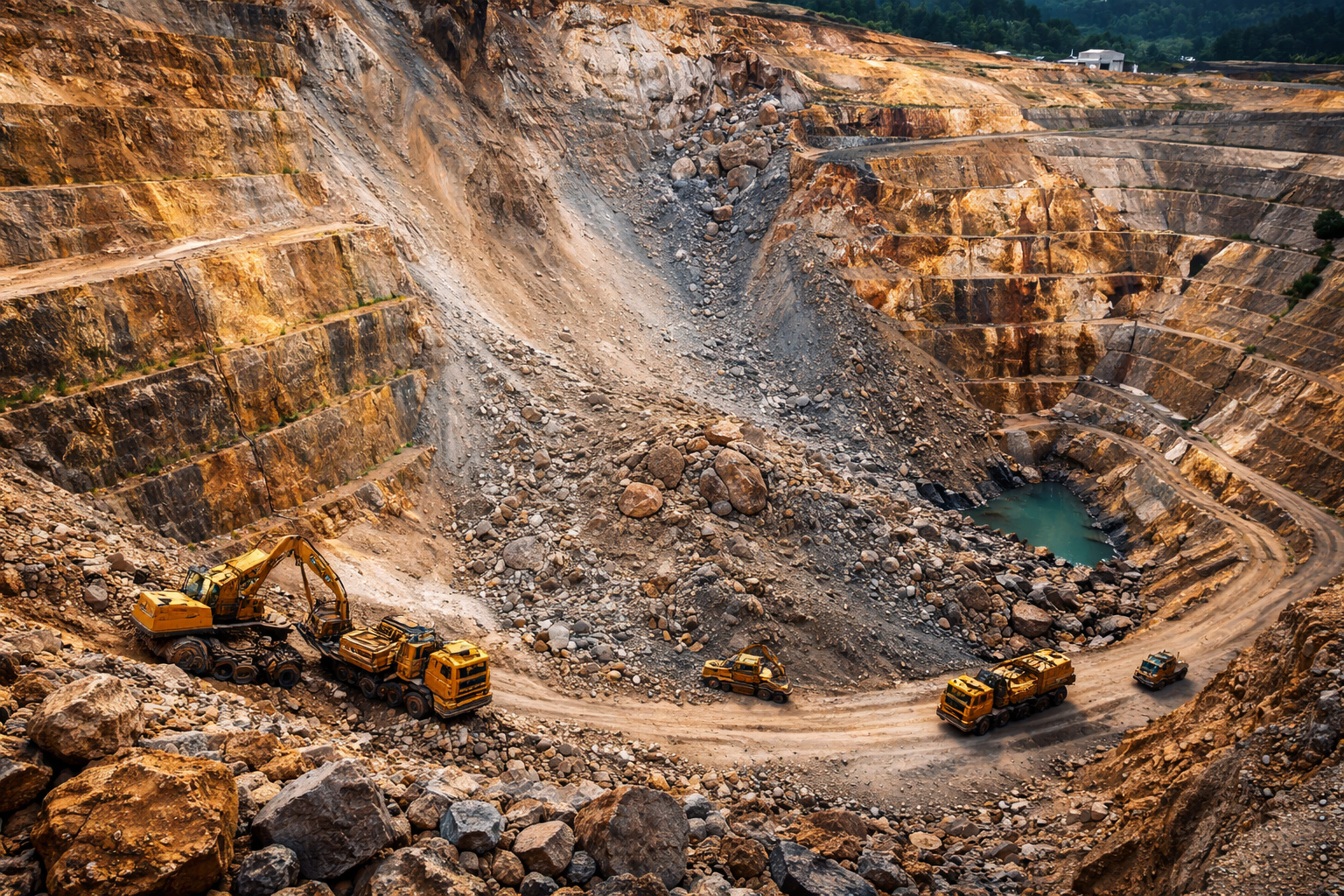
The Los Bronces mine is located in the high part of the Metropolitan Region, in an area considered high-altitude mountainous. Production depends on grinding and mixing ore with water, forming a pumpable slurry. This process is essential to allow the continuous movement of large volumes of ore without the need for dry loads, dump trucks, trains, or open-air belts.
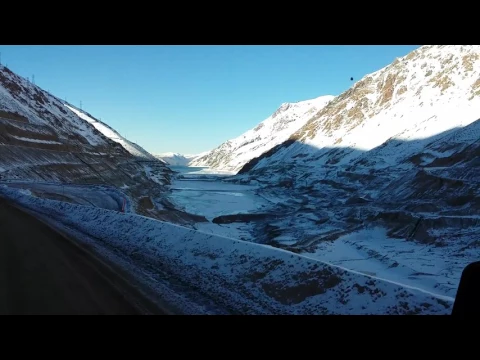

Traditionally, remote mines at high altitudes rely on large trucks to transport material to processing plants or to the coast. This means hundreds of kilometers, mountain curves, diesel consumption, mechanical wear, and emissions.
In the Chilean case, the decision was to reverse the logic: instead of moving the load overland using engines, the choice was made to move the ore by gravity, using the natural slope between the mountains and the ocean.
Chile brings together geographical factors that favor this type of solution: large metallic mines at altitude, industrial plants on the coast, and sufficient topographic difference to generate internal pressure columns in the pipeline. This means the pipeline is more than just a simple “tube”: it is a hydraulic and geotechnical equipment that transforms topography into useful energy.
The Pipeline as an Engineering Object: Pressure, Granulometry, and Corrosion
Transporting ore slurry over 138 km is not a simple process. The pipeline must withstand:
- internal abrasion, caused by mineral particles passing at high speeds within the water
- pressure variation, caused by height differences and the rheology of the slurry
- thermal fatigue, as the path crosses mountainous areas, valleys, and proximity to the sea
- risk of external erosion, in areas with rain, snow, rivers, or geological instability
Technical reports from Anglo American show that the slurry is carefully controlled in terms of granulometry and density, to avoid sedimentation inside the pipeline and to prevent the flow from becoming too turbulent. Monitoring stations along the route analyze pressure, temperature, speed, and volumetric variation.
The infrastructure includes valve systems, hydraulic instrumentation, inspection points, and containment systems for potential technical stops.
Another critical component is the internal lining of the pipeline, designed to withstand the continuous wear from the mixture of water and metallic solids. It is a real example of how material engineering is applied in modern mining, far from the stereotype that the sector is just “shovels and jackhammers.”
Energy Consumption, Emissions, and Absence of Road Fleet
One of the most relevant gains of the pipeline is the reduction of emissions and the elimination of a huge truck fleet that would otherwise need to traverse mountainous roads daily.
Studies from the Chilean sector itself indicate that metallic mining is highly dependent on off-road trucks, with engines ranging from 2,000 to 4,000 HP, tires costing more than regular cars, and high diesel consumption.
In the case of the Los Bronces → Ventanas pipeline, a significant part of the transport of the slurry is accomplished by gravity, significantly reducing energy expenditure along the descending stretch. The highest energy consumption occurs during the initial elevation of the slurry and in the pressure control, not in the transportation itself. This removes dozens of heavy vehicles from the roads, reducing:
- accidents on mountain roads
- industrial traffic
- diesel consumption
- wear and tear on public infrastructure
- CO₂ and NOx emissions
Ironically, it is not a “futuristic technology,” but rather an extremely intelligent application of classical hydraulics and geography.
From the Mountains to the Pacific: Arrival at the Coast and Processing
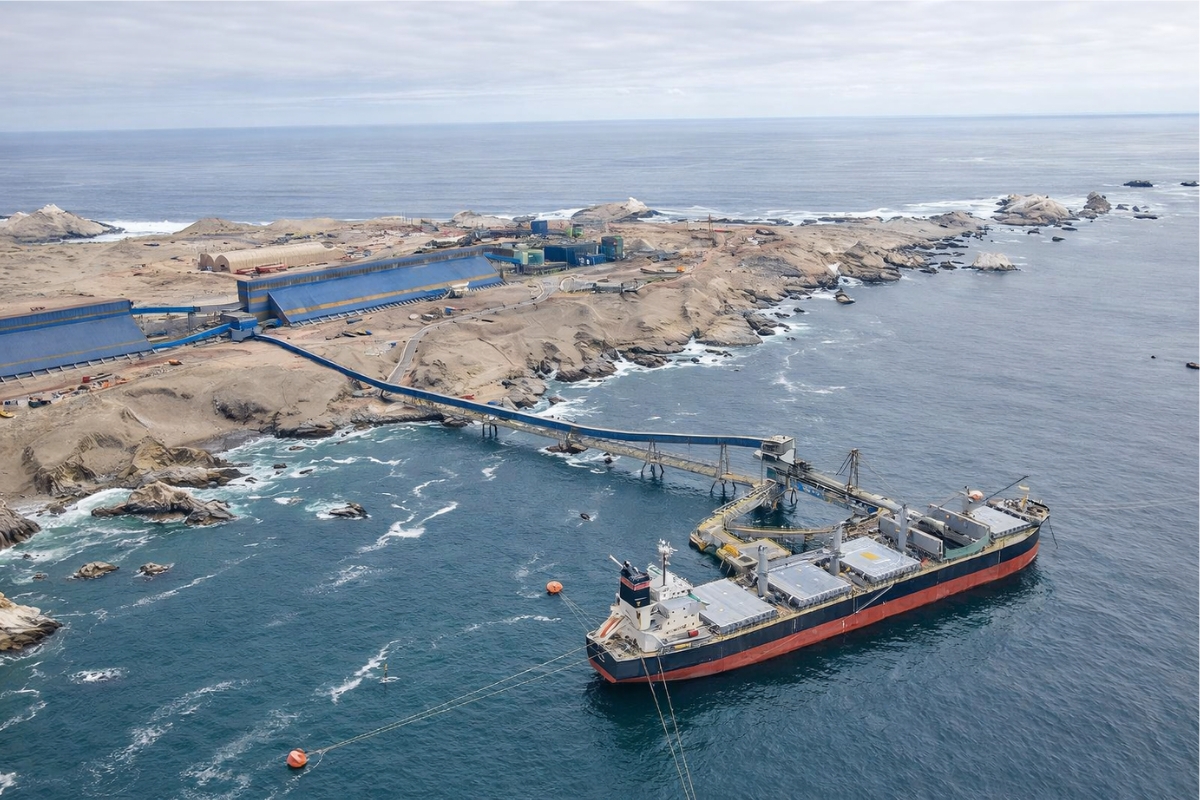
The pipeline terminates at Anglo American’s industrial plant in the Ventanas area, near the coast. There, the slurry arrives with an appropriate water content for processing, allowing for separation, filtration, and subsequent refining stages. This proximity to the coast facilitates:
- direct export
- integration with ports
- integration with smelters
- high-volume maritime logistics
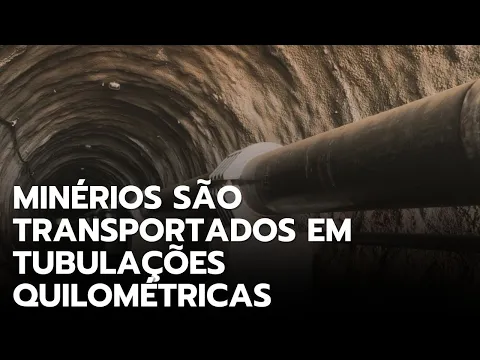
The system allows mineral production at altitude to be integrated into a global export system without traversing hundreds of kilometers by truck or dedicated railway. This is one of the reasons the pipeline is considered a unique case of intercontinental logistical engineering.
Why Doesn’t Anyone Talk About This?
Most of the public has never heard of pipelines, and this happens for three main reasons:
- It’s a technical topic, not covered in mainstream media.
- It lacks visual appeal, as everything runs buried or camouflaged in the landscape.
- It’s a support system, not the “final product.”
Moreover, pipelines rarely enter public debates because they do not involve the traditional aesthetics of a major project (like a dam or bridge), but they are extremely efficient in practice. While topics such as electric cars, rockets, or solar plants receive popular attention, pipeline engineering becomes an invisible layer of fundamental infrastructure that is little reported.
What seems like just a “very long tube” is, in fact, a continental-scale work, that crosses valleys, mountains, local climate changes, and sensitive areas under a logic completely opposed to common sense: transporting ore using gravity instead of engines. Few people know this exists, and even fewer know it has been in operation for decades.









Aparentemente esqueceram de falar sobre o consumo de água.