





 Portuguese
  English
  Spanish
  5 min of reading
  0 comments


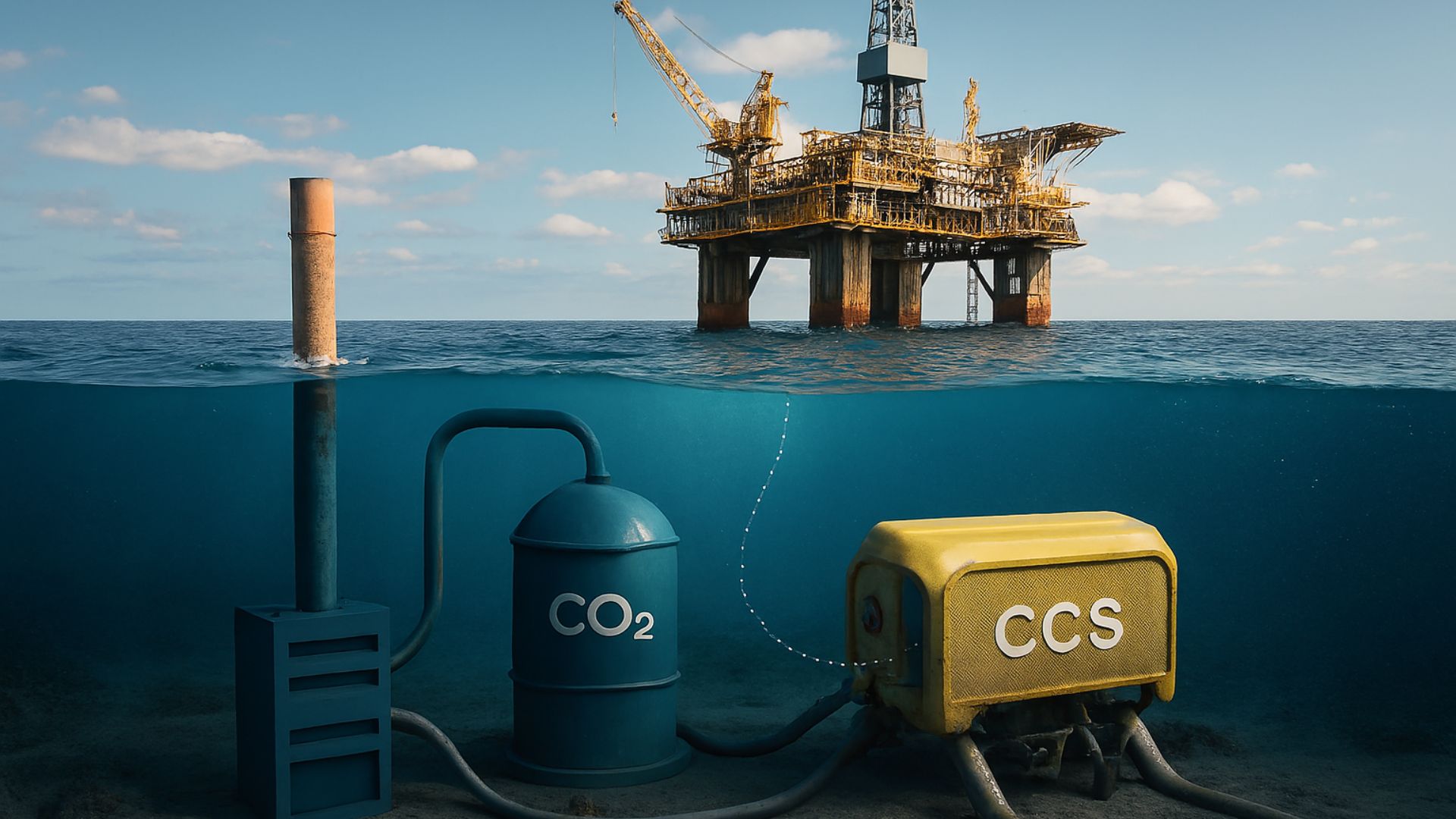
TotalEnergies Allocates R$ 900 Million for Broad Investment in CCS Research in Brazil, Boosting Offshore CO₂ Storage Studies and Advancing the Country’s Energy Transition
TotalEnergies confirmed the allocation of R$ 900 million for an advanced study on CCS research (carbon capture and storage) in Brazil, conducted in partnership with the UFRJ geology lab. The aim is to assess the potential for offshore CO₂ storage in saline reservoirs, using resources provided for in the ANP’s R&D clause. The project marks a significant step in the national decarbonization agenda and reinforces the company’s global energy transition strategy.
Importance of TotalEnergies Investment for the Advancement of CCS in Brazil
The initiative arrives at a time of extensive regulatory discussion in the country, with the Ministry of Mines and Energy structuring the legal framework for CCS/CCUS and BECCS. The study will map areas with greater potential for permanent storage, in addition to consolidating geological data that will support future commercial projects.
The investment is considered strategic as it addresses three essential pillars of the energy transition: science, technology, and regulation. The allocation of R$ 900 million in specialized research demonstrates the company’s long-term commitment to low-carbon solutions.
-
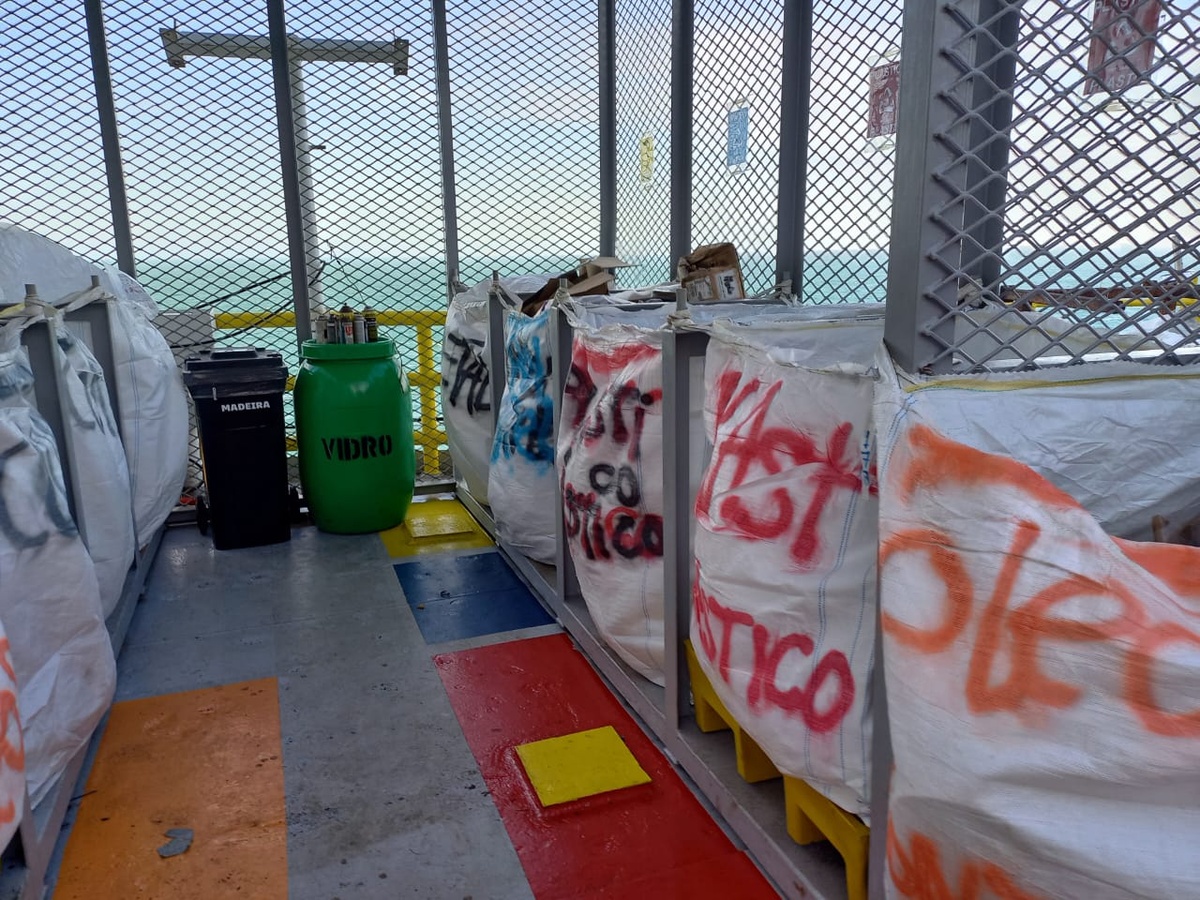
Foresea achieves 100% offshore waste reuse in 2025, eliminates landfill disposal, and consolidates sustainable strategy with 1,500 tons recycled.
-
With earth, bamboo, straw, and lime mortar, a specialist builds a house for just over $460 and draws attention for its cost being much lower than traditional construction.

-
Rodrigo de Freitas Lagoon advances in environmental recovery with sanitation, elimination of irregular sewage, and the resumption of water sports in Rio de Janeiro.

-
Sustainable housing gains strength with a nationally awarded project in Campo Grande, highlighting innovative solutions that combine sustainability, urban integration, and efficiency in the use of natural resources.


Moreover, the use of the ANP’s R&D clause ensures that the funding adheres to standards already outlined in exploration and production contracts. This strengthens the credibility of the study and reduces technical risks, allowing the sector to advance in a more structured way.
TotalEnergies’ estimate of a potential exceeding 10 million tons of CO₂ stored per year by 2030 helps position Brazil on an accelerated path to meet climate goals and expand mitigation solutions.
Another relevant point is the synergy with regulatory advancement. The federal government is working on comprehensive regulations for the stages of capture, transport, and storage, a process considered essential for the viability of future large-scale projects.
Current Scenario in Brazil for Capture and Carbon Technologies
Brazil has above-average global potential for the adoption of CCS technologies. According to IBP and CCS Brazil (2023), Brazil could achieve around 190 million tons of CO₂ captured per year considering industrial and energy sectors.
The geological formation of the Brazilian continental shelf, with large salt domes and deep sedimentary layers, offers favorable conditions for offshore CO₂ storage, one of the methods considered safest and most efficient.
However, even with this potential, the implementation of the technology still encounters significant obstacles. Among them are:
- high infrastructure costs;
- need for legal and regulatory security;
- gaps in detailed geological studies;
- absence of a regulated carbon market;
- long-term monitoring and verification challenges.
The study funded by TotalEnergies helps overcome some of these barriers, mainly by enhancing scientific data and reducing uncertainties.
TotalEnergies and Its Energy Transition Strategy in Brazil
TotalEnergies has been operating in Brazil for several decades and has been expanding investments in clean energy and innovation. The company maintains research centers in partnership with USP, UFRJ, and Unicamp, where renewable energy, efficiency, and decarbonization projects are developed.
With the new project, the company reinforces its global strategy: to combine its oil and gas portfolio with low-carbon technological initiatives. CCS studies are integrated with other fronts, such as solar energy, hydrogen, biogas, and advanced storage.
The company has been seeking to balance energy supply with emission reduction targets, aligning itself with international commitments and sustainability demands.
How TotalEnergies’ CCS Research Will Be Conducted in Brazil
The study coordinated by UFRJ will follow strict scientific guidelines and be assessed by ANP. The planned steps include:
- Collection of geological, geophysical, and petrophysical data, necessary to characterize the saline reservoirs at depth.
- Modeling the volumetric capacity of the reservoirs, ensuring they are suitable for long-term storage.
- Assessment of geological risks, including rock integrity, sealing, and structural stability.
- Analysis of CO₂ transport logistics, whether through existing pipelines or new maritime routes.
- Mapping of priority areas for potential future deployment, considering safety, depth, pressure, and geological characteristics.
- Alignment with new regulations, ensuring compliance with rules being established by the federal government.
This research phase is crucial as it provides technical evidence that may enable large-scale projects in the future, both for TotalEnergies itself and for other companies in the energy and industrial sectors.
Expected Environmental and Climatic Impacts from Offshore CO₂ Storage
The offshore CO₂ storage technology is considered one of the most effective solutions for reducing industrial emissions in the short and medium term. Based on the information provided, the main positive effects include:
- Significant reduction in CO₂ emissions associated with energy operations, refining, and high-intensity industrial sectors;
- Support for climate neutrality goals by allowing mitigation in sectors that cannot immediately replace fossil fuels;
- Future possibility of negative carbon projects if the technology is combined with bioenergy or direct air capture;
- Strengthening of environmental safety, as saline reservoirs offer excellent natural sealing due to geological structure.
This type of storage is successfully used in other countries with similar formations, such as Norway and the United Kingdom.
Economic and Technological Impacts for Brazil
In addition to environmental benefits, the advancement of CCS research represents a strategic gain for the Brazilian economy. The initiative is likely to stimulate:
- the formation of specialized labor in geosciences, engineering, and decarbonization technologies;
- attraction of new investments aimed at the low-carbon sector;
- expansion of national infrastructure related to CO₂ capture and transport;
- strengthening of scientific innovation with participation from universities and research centers;
- international competitiveness, especially for companies that need to reduce emissions to access more demanding global markets.
Brazil can also become a Latin American leader in CCS solutions, leveraging its geological potential and its experience in offshore.
Future Challenges and Next Steps for CCS in Brazil
Despite the progress brought by TotalEnergies’ funding, there are still considerable challenges to consolidate CCS in the country. The main ones are related to:
- the complete formation of the regulatory framework, essential to guide responsibilities and define technical standards;
- the need for additional investments to create transportation routes and dedicated infrastructure;
- defining incentive policies and carbon market mechanisms that make CCS economically viable;
- social acceptance and the need for transparent communication regarding safety and monitoring;
- integration with broader energy transition targets, ensuring a balance between fossil use and renewable expansion.
The current study is expected to produce foundational data that will help guide these decisions.
Strategic Relevance for Brazil’s Energy Future
TotalEnergies’ investment of R$ 900 million marks a decisive moment for the development of carbon capture and offshore CO₂ storage technologies in the country. It lays solid foundations for Brazil to advance safely and structurally, keeping pace with international trends and expanding its participation in decarbonization solutions.
By uniting science, regulation, innovation, and cooperation between universities and industry, the study strengthens the country’s position in the energy transition and broadens the prospects for adopting technologies that will contribute to a future with fewer emissions and greater environmental responsibility.







Seja o primeiro a reagir!