





 Portuguese
  English
  Spanish
  3 min of reading
  0 comments



The Japanese Manufacturer Accelerates The Transition To Electrification In The Country With New Technologies And Hybrid Vehicles In Its Lineup.
Toyota announced an ambitious goal for the coming years: by 2028, all of its models sold in Brazil will have at least one hybrid version. The plan is part of an investment of R$ 11 billion by 2030, which includes the reorganization of factories and the launch of new vehicles.
This strategy reinforces the brand’s commitment to sustainability and consolidates its leadership in the hybrid car market in Brazil.
Transformation In The Brazilian Market With Toyota
According to reports, Toyota will concentrate its production in Sorocaba (SP), ending operations at the Indaiatuba (SP) factory. There, a new section will be built to manufacture the Corolla and the Corolla Cross, in addition to a new model: a mid-sized pickup called 150D, expected to launch in 2026.
-
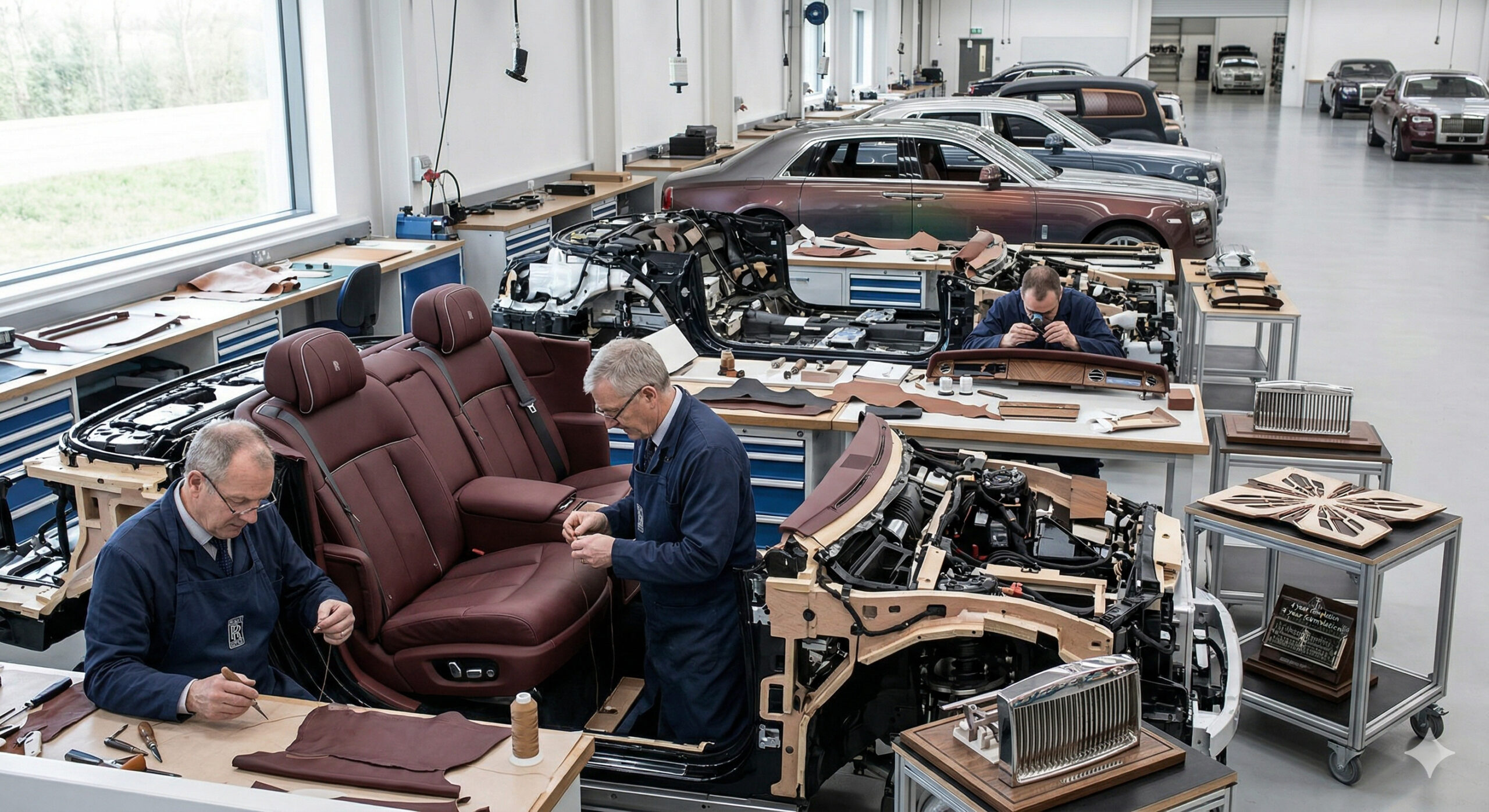
While much of the industry rushes to automate production, Rolls-Royce takes over 600 hours to hand-build each car in Goodwood and still accepts orders so complex that they can take up to four years to be completed.
-
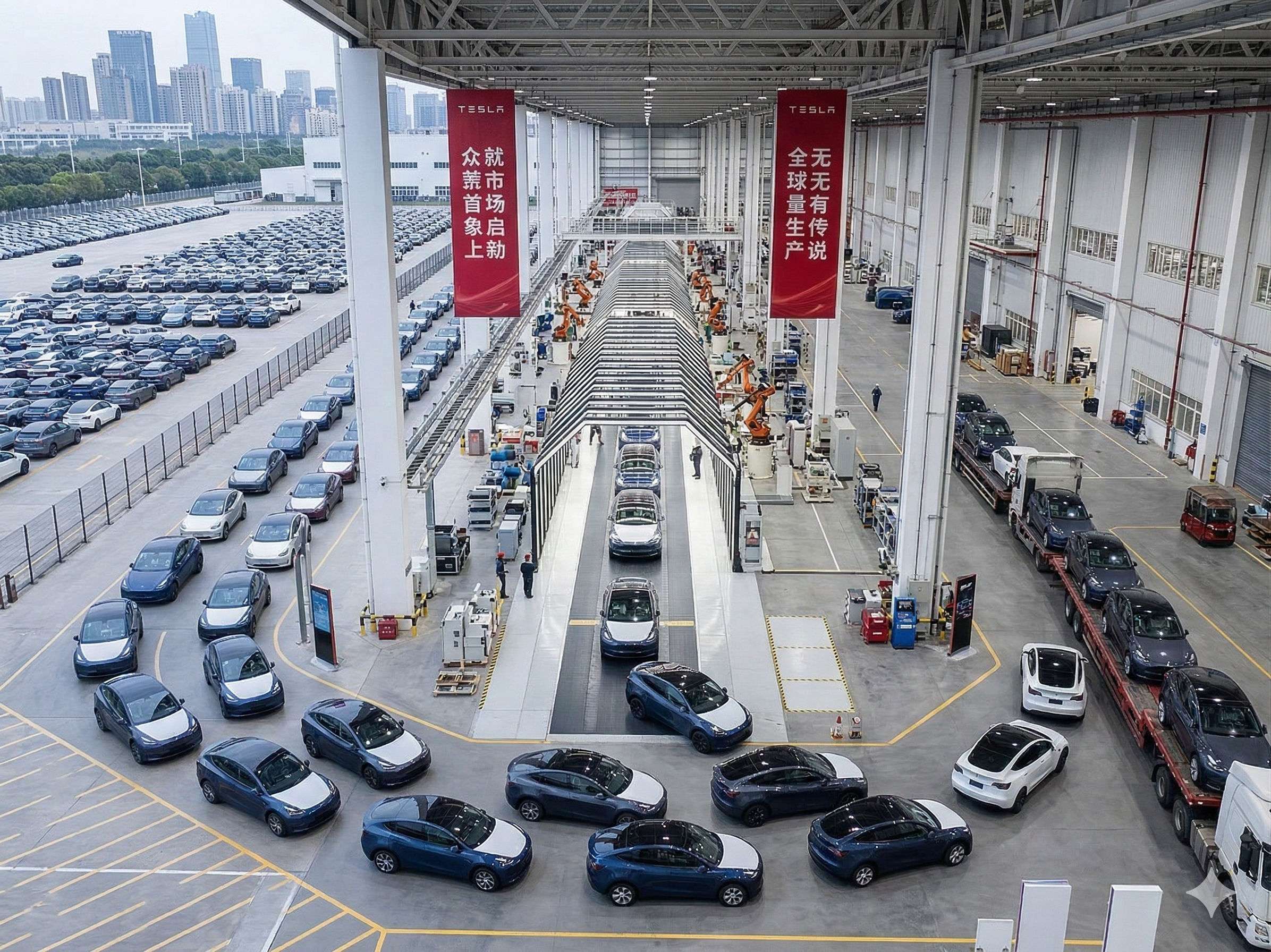
Smaller than the Model Y, lighter, with a single motor and designed to cost less than the current Model 3, Tesla’s new compact electric SUV is born in China and could seal the automaker’s return to the race for mass-market electric vehicles.
-
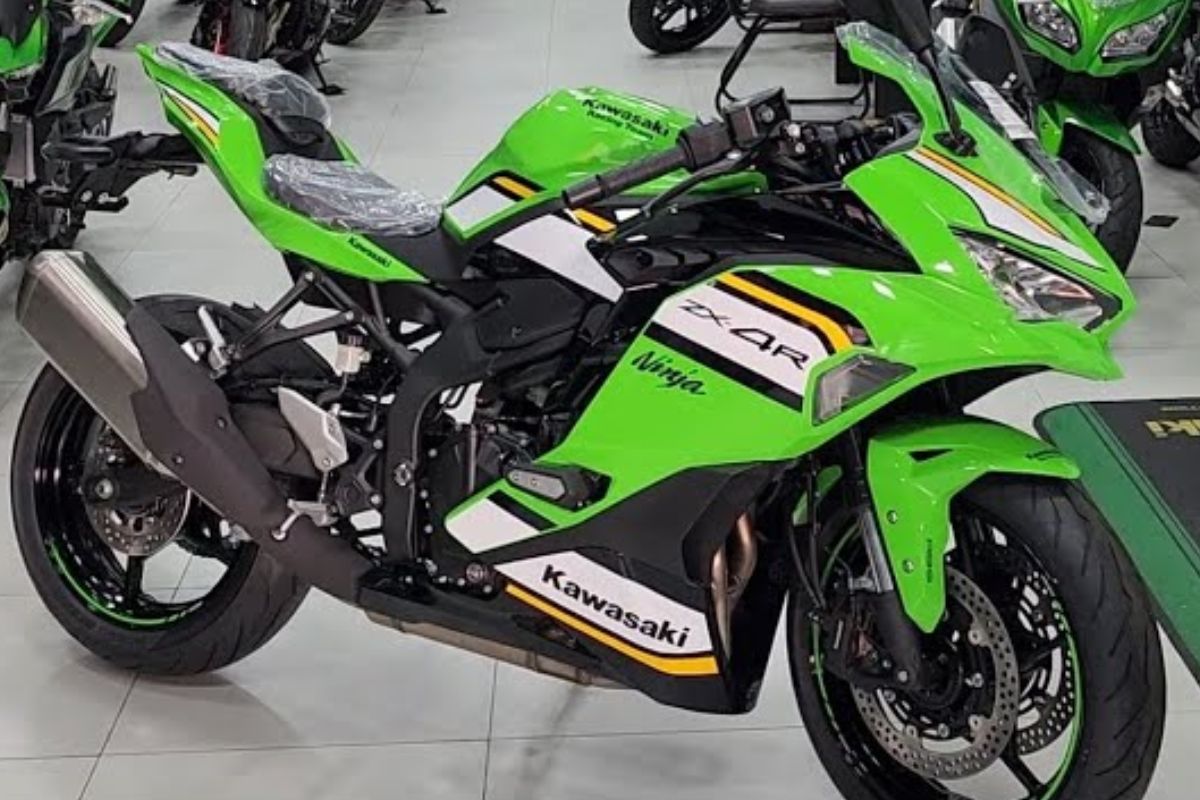
Kawasaki took the technology from its most brutal racing bikes, squeezed it into a 400cc 4-cylinder engine that revs to 15,000 RPM, and created the ZX-4R, a machine that shouldn’t exist in this displacement but is making experienced riders rethink everything they thought they knew about mid-range motorcycles.
-
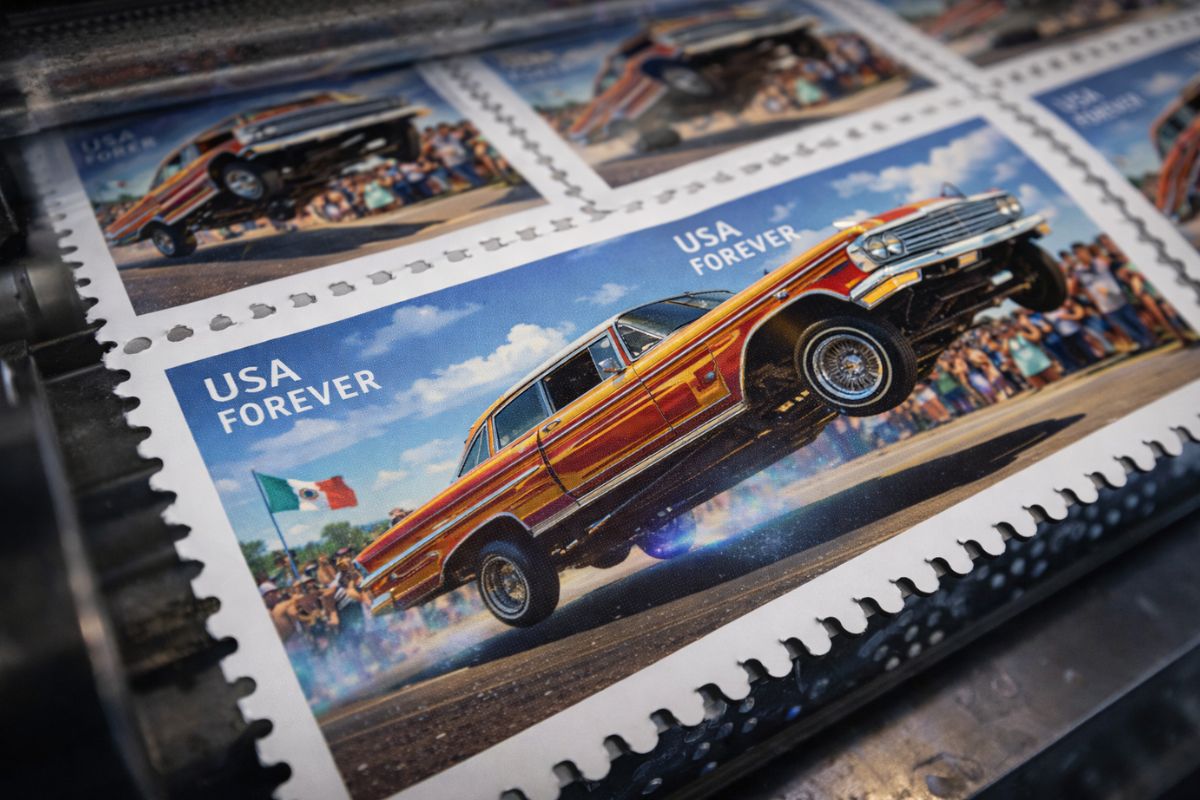
The culture of cars that jump on the asphalt was born in the garages of Mexicans in the 1940s, was treated as a crime in the United States for decades, and has now become an official postage stamp of the American Postal Service in a twist that no one expected.
This pickup will be equipped with a pioneering plug-in hybrid flex engine, reinforcing Toyota’s commitment to hybrid vehicles in Brazil.
The first major milestone of this transition will be the compact SUV Yaris Cross, which will hit the market in 2025. It will feature an updated 1.5 hybrid flex engine, promising efficiency and performance. In 2026, it will be time for the renewal of the Hilux, which will come with a light hybrid diesel engine, in addition to the launch of the new hybrid SW4.
Pioneering In Electrification
Toyota was a pioneer in launching the world’s first flex hybrid engine in 2019, with the 12th generation Corolla. Since then, the brand has expanded this technology to other models, such as the Corolla Cross and the RAV4.
Now, with the arrival of new vehicles like the Yaris Cross and the 150D pickup, the Japanese manufacturer reaffirms its prominent position in the hybrid car market in Brazil.
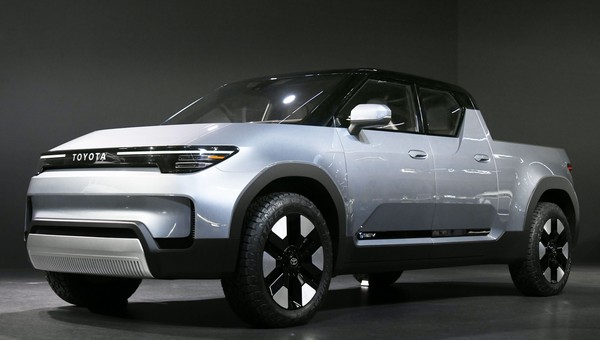
Despite advancements, Toyota faced delays in its original electrification plan, initially set for 2025. The Covid-19 pandemic impacted the timeline, postponing launches and investments. However, the brand remains committed to electrifying its entire lineup by 2028.
The Future Of Toyota’s Hybrid Cars In Brazil
In addition to new models, Toyota will continue to enhance its hybrid technologies. By 2030, new full and plug-in hybrid engines will be incorporated into future generations of the Corolla and Corolla Cross.
The company will also continue to offer combustion-only options in some models, to cater to different consumer profiles.
Check out some highlights of Toyota’s future hybrid lineup in Brazil:
Corolla: flex hybrid with a 1.8 engine producing 122 hp.
Yaris Cross: flex hybrid 1.5 with around 115 hp.
Hilux: light hybrid diesel and a turbo hybrid version producing 300 hp.
150D Pickup: plug-in flex hybrid with 223 hp.
With this move, Toyota not only reaffirms its commitment to the Brazilian market, but also leads the transformation towards a more sustainable future for hybrid cars in Brazil.








Seja o primeiro a reagir!