





 Portuguese
  English
  Spanish
  4 min of reading
  7 comments


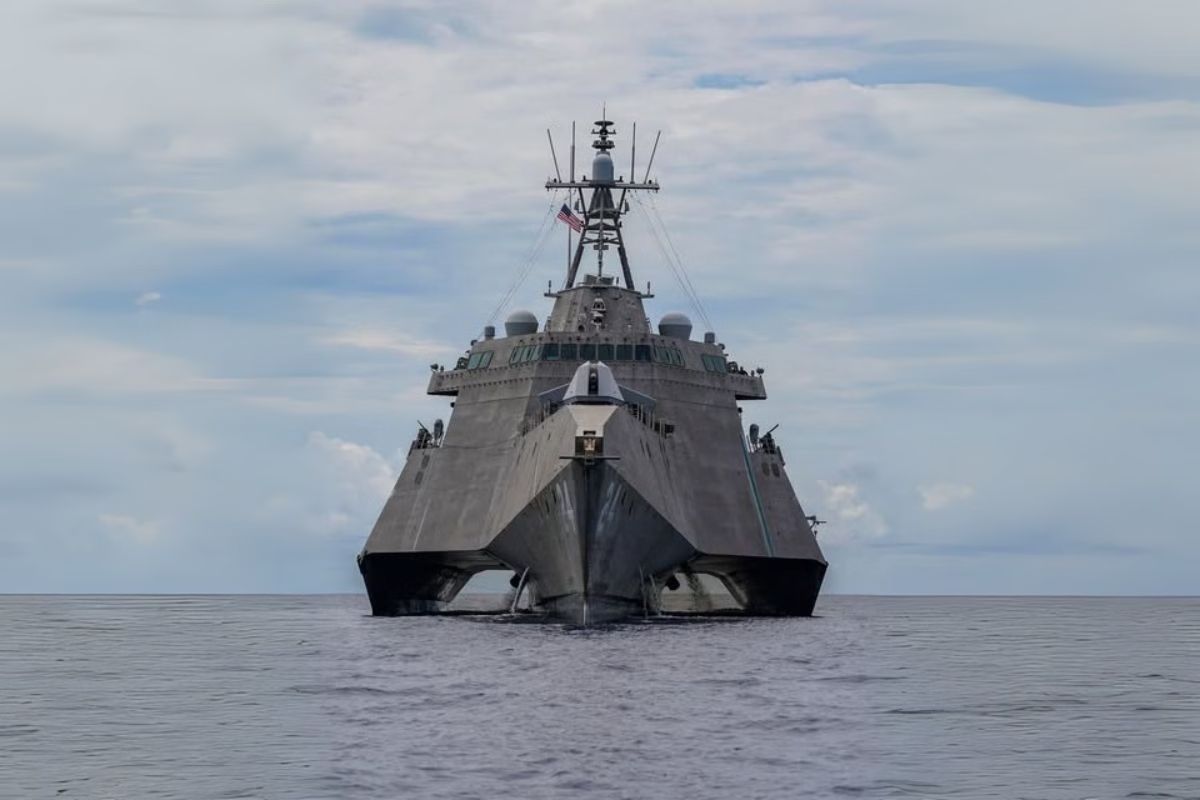


The US Navy Deployed The Independence Class On The Coast With Up To 44 Knots, Aluminum Trimaran Hull And Mission Modules, But Failures And Costs Led To Deactivations And Strategic Impact In The Indo-Pacific.
The rush for coastal presence created a ship that seems made to run. The Independence Class entered the game with an aluminum trimaran hull and a clear promise of agility in shallow and contested areas.
However, the same choice that delivered speed became a pressure point. Corrosion, cracks, and the difficulty of swapping mission modules pushed part of the fleet into early retirement, directly affecting strategy.
The Bet Began In The 2000s With Coastal War On The Radar
In the early 2000s, the Pentagon identified a gap: operating close to shore required lighter and more maneuverable ships, where larger units become less efficient and more vulnerable.
-
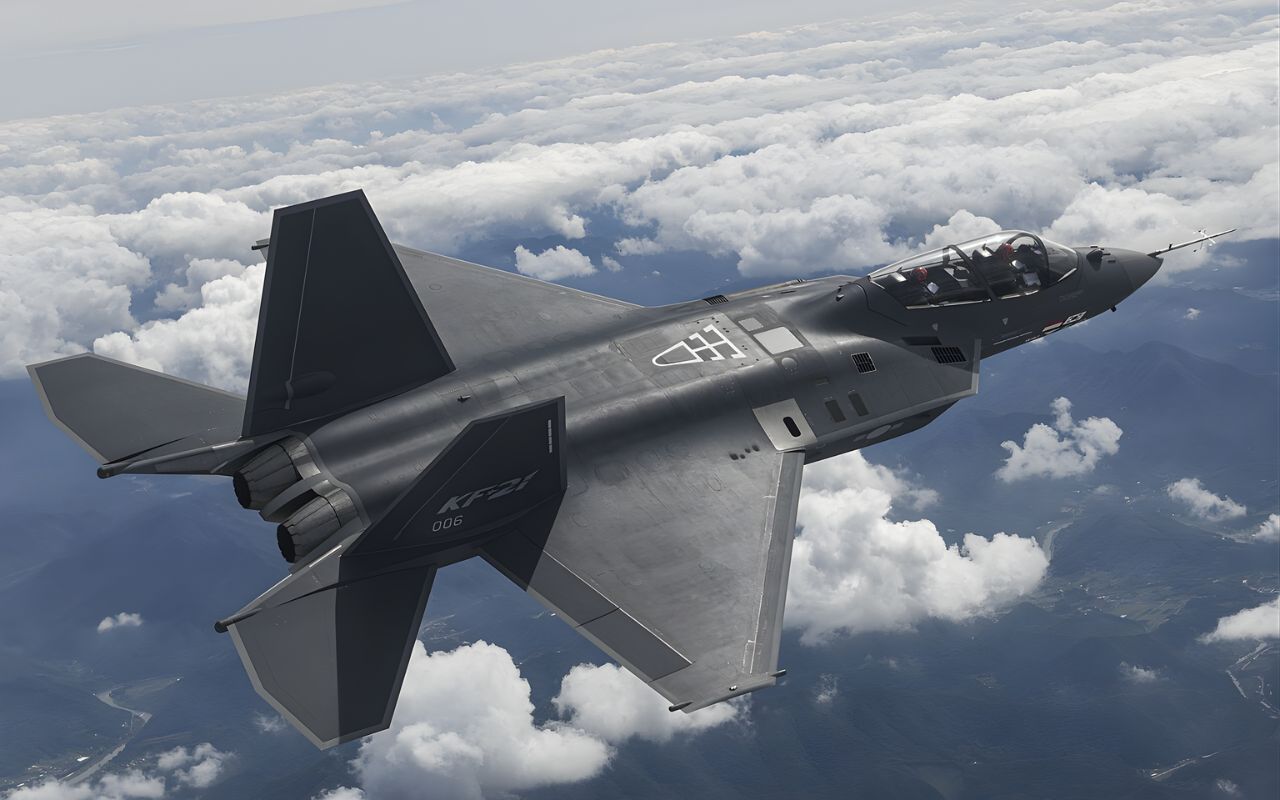
Military power: South Korea’s new KF-21 fighter jet will be a key component in replacing the aging aircraft of the air force, placing the country on the map of air military powers.
-
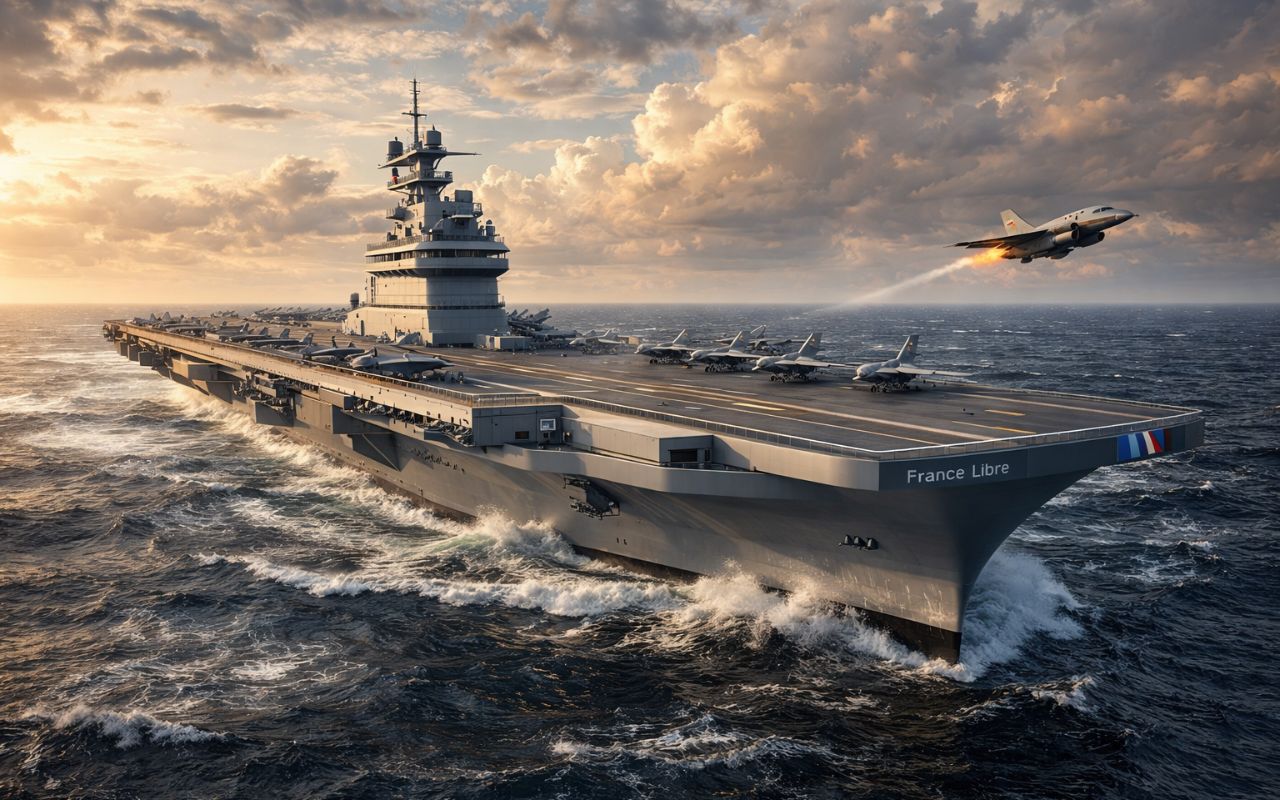
With 310 meters, 80 thousand tons, and capable of operating for 45 years, the new nuclear aircraft carrier France Libre will be the largest in France and will enter service in 2038.
-
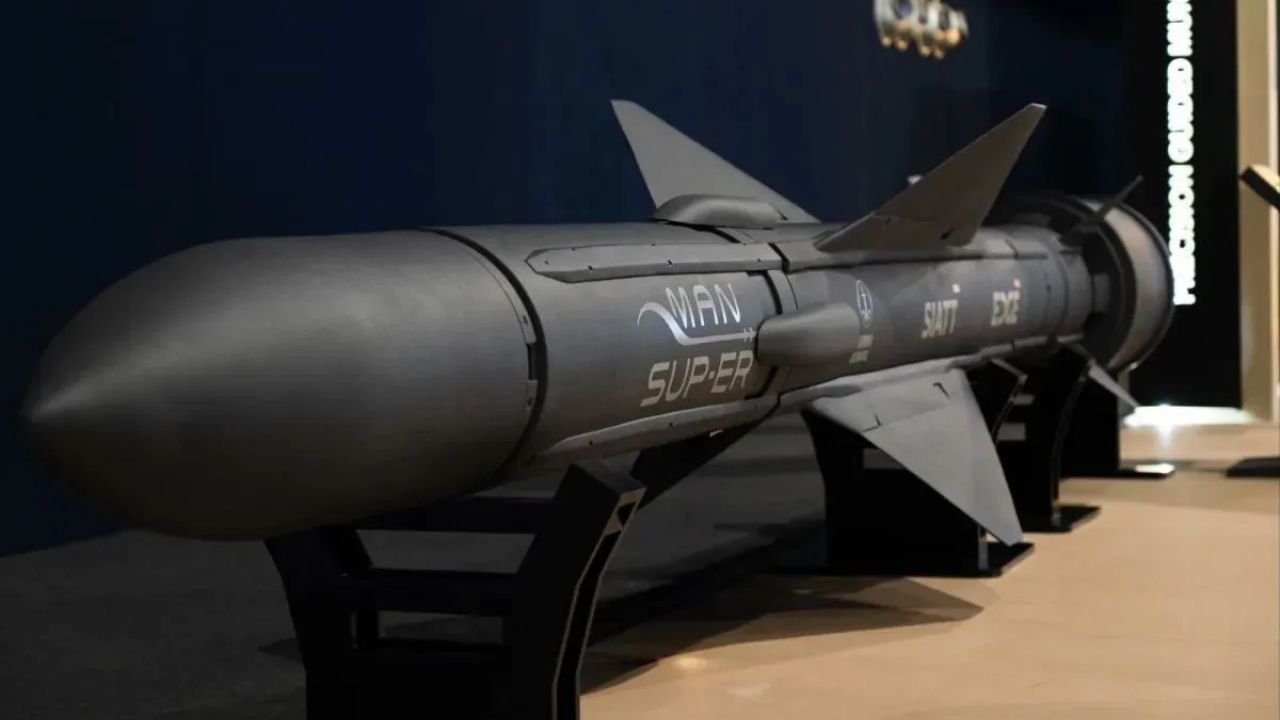
Brazil accelerates the evolution of the MANSUP missile, designing an air-surface version with a range exceeding 200 km, advanced guidance, and precision strike capability against land and naval targets, paving the way for a new generation of national armaments with global potential.
-
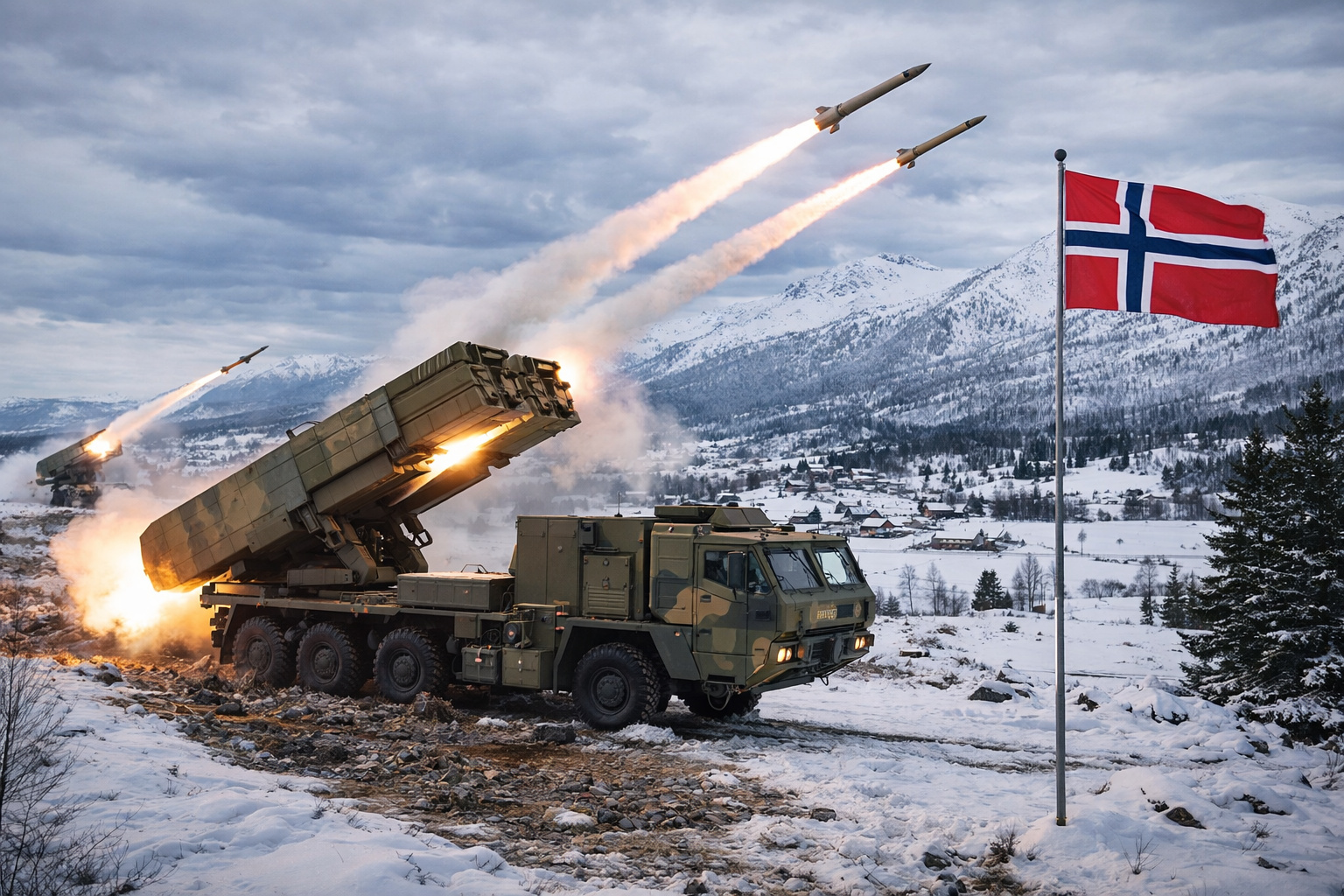
South Korea signs a $922 million deal with Norway, bringing Chunmoo launchers capable of firing guided missiles up to 290 km with an accuracy of 15 meters to Europe and turning the system into a key component of the new global race for precision artillery.

The answer was the Littoral Combat Ships concept, designed to switch roles as needed. The proposal targeted surface warfare, mine countermeasures, and anti-submarine warfare, with interchangeable modular packages.
Aluminum Trimaran Hull Brought Stability And Speed Above 40 Knots
The design was not just visual. The trimaran hull reduces water resistance and supports speeds above 40 knots, maintaining stability even in more demanding seas.
The aluminum construction cuts weight and aids in the race, but also paved the way for structural problems. Operational gains came with a maintenance and durability cost that became a topic of discussion within the force.


Numbers Draw Attention: 127.4 Meters And Range Of 4,300 Nautical Miles
The ship measures 127.4 meters in length, with 31.6 meters in beam and 4.3 meters in draft. The displacement is around 3,100 tons at full load.
The propulsion combines two General Electric LM2500 gas turbines and two MTU 20V8000 diesel engines, linked to four waterjet propellers. The maximum speed reaches 44 knots, with a range of 4,300 nautical miles at 18 knots.
The Flight Deck Expands Surveillance And Pressure With Helicopter And Drones
The flight platform is a differentiator that weighs on the coastal chessboard. It allows for the operation of an MH 60R or S Seahawk helicopter and up to two MQ 8 Fire Scout aerial drones, enhancing surveillance and response capacity.
This combination reinforces presence patrols and missions in shallow waters, where speed and sensory reach become advantageous. The focus is to maintain influence where the contest is shorter and more sensitive.
Fixed Weaponry Maintains Strength Even Without Modules And Sustains Presence
Even with the idea of modularity, the Independence Class carries its own armament to operate independently of the modules. This provides autonomy in pressure scenarios and reduces the need for immediate reconfiguration.
The set includes the BAE Systems Mk 110 gun of 57 mm, the SeaRAM system with RIM 116 Rolling Airframe missiles, .50 caliber M2 Browning machine guns, and AGM 114L Hellfire launchers for surface warfare. Sensors like the three-dimensional SAAB Sea GIRAFFE radar and electro-optical systems with FLIR are included in the package.

Operations In The Pacific Gained Speed, But Wear And Tear Became An Alert
The real-world use demonstrated the value of speed in sensitive areas. The USS Gabrielle Giffords LCS 10 was deployed to Singapore in 2019 and participated in patrols near contested islands, reinforcing presence in a high-tension space.
The USS Montgomery LCS 8 operated in humanitarian support and maritime surveillance in the Pacific, while other units participated in anti-drug operations in Central America. The logic was the same: arrive quickly, remain visible, press the environment.
Corrosion, Cracks, And High Cost Accelerated Deactivations Since 2021
The most critical point appeared early. Galvanic corrosion was detected on the USS Independence just two years after entering service, along with reports of structural cracks during high-speed operations in rough seas.
According to Military Watch Magazine, an international magazine specializing in defense and military affairs, the cost per unit was between 600 and 700 million dollars, far exceeding the original goal, while structural failures and operational limitations accelerated the retirement of the ships.
The result was a reduced planned fleet in practice. Of the 19 units projected, several have already left active service, with the USS Independence LCS 2 decommissioned in 2021 and the USS Coronado LCS 4 in 2022.
The Independence Class still maintains tactical value, especially in the Indo-Pacific, where speed, low radar signature, and operation in shallow waters can provide an advantage against larger ships.
At the same time, the early losses and the limitations of modularity change the reading on cost, readiness, and presence. The final effect alters the Pacific.








Desejo todo fracasso ao EUA , Rússia e China , 3 nações do mal …câncer do planeta.
Ruim com EUA imagina sem ele
Agora maduro estaria no poder sadan Hussein homens ruins pelo mundo afora
Isso é o que a mídia te mostra, o EUA só age por interesse próprio ele não quer ajudar ninguém, se ele quisesse ajudar alguém a África não passava fome, enquanto isso eles gastam bilhões em guerras, quando capturou o Sadan Russen, EUA sequestrou todos os bens dele, dizendo que era dinheiro de terrorismo, só em dinheiro vivo foram milhares de dólares, em uma única aprençao de ouro o EUA, sequestrou 36 toneladas de ouro do Iraque, mais calma o interesse nem era esse, eram as reservas de petróleo.
Bin Laden foi treinado pelos EUA, muitos vídeos mostram que os prédios foram impludidos, se com o impacto do avião a torre não caiu lateralmente ela não iria desabar com o peso do avião, em fim. Tudo foi só um pretexto para o próximo capítulo.
Com o Maduro a mesma coisa, Trump após a prisão de maduro, já falou que iria mandar empresas para a Venezuela para administrar o petróleo do país kkkkk, e sequestrou novamente o ouro da Venezuela, o que estava na Suiça foi congelado por determinação do EUA, não se sabe se foi entregue ao EUA. Só uma bagatela de 127 toneladas de ouro, isso só na Suiça, imagine o que levaram da Venezuela.
A Venezuela abriga 70% do ouro do planeta e as maiores jazidas de petróleo do mundo.
Mas relaxa o EUA só que ajudar, existem hoje 11 grandes guerras acontecendo, 120 conflitos armados.
Cerca de 19 mil pessoas a 25 mil pessoas morrem de fome por dia.
Mas relaxa enquanto isso o EUA é o país que mais lucra com a guerra e o que mais faz saque dos países o qual ele derrota, EUA tem o maior lucro com guerras no mundo cerca de 45% a 50% das guerras são financiadas pelo EUA.
Uma bagatelazinha de 400 bilhões anualmente, enquanto milhares de pessoas morrem de fome.
Aplicou a lei Magnestik a Alexandre de Moraes apenas por interesse próprio, retirou a lei em troca de explorar as terras raras do Brasil a preço de ****.
DEVIA TER AFUNDADO.
Comentário ****
Que isso que ódio é esse
Pronto , eis o problema de dar voz aos **** !