





 Portuguese
  English
  Spanish
  3 min of reading
  0 comments


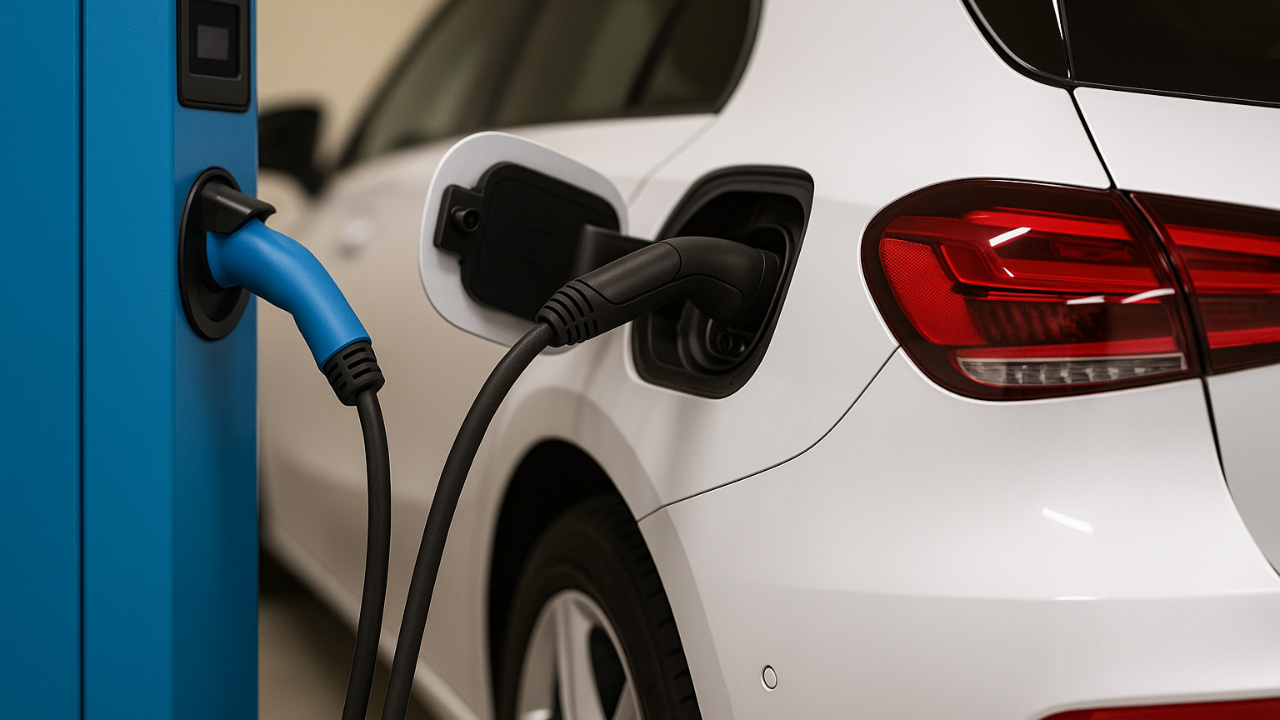
Electric Car Owners Will Have to Pay a Fee Per Mile Starting on This Date in This Country. United Kingdom Starts Collecting in 2028.
The United Kingdom has confirmed that electric car owners will have to pay a fee per mile driven starting on this date in this country: April 2028.
The announcement was made in the new British Budget and marks a historic turn in the policy of promoting sustainable mobility.
The charge will affect both fully electric vehicles and plug-in hybrids, ending years of exemptions and benefits aimed at accelerating the green transition.
-
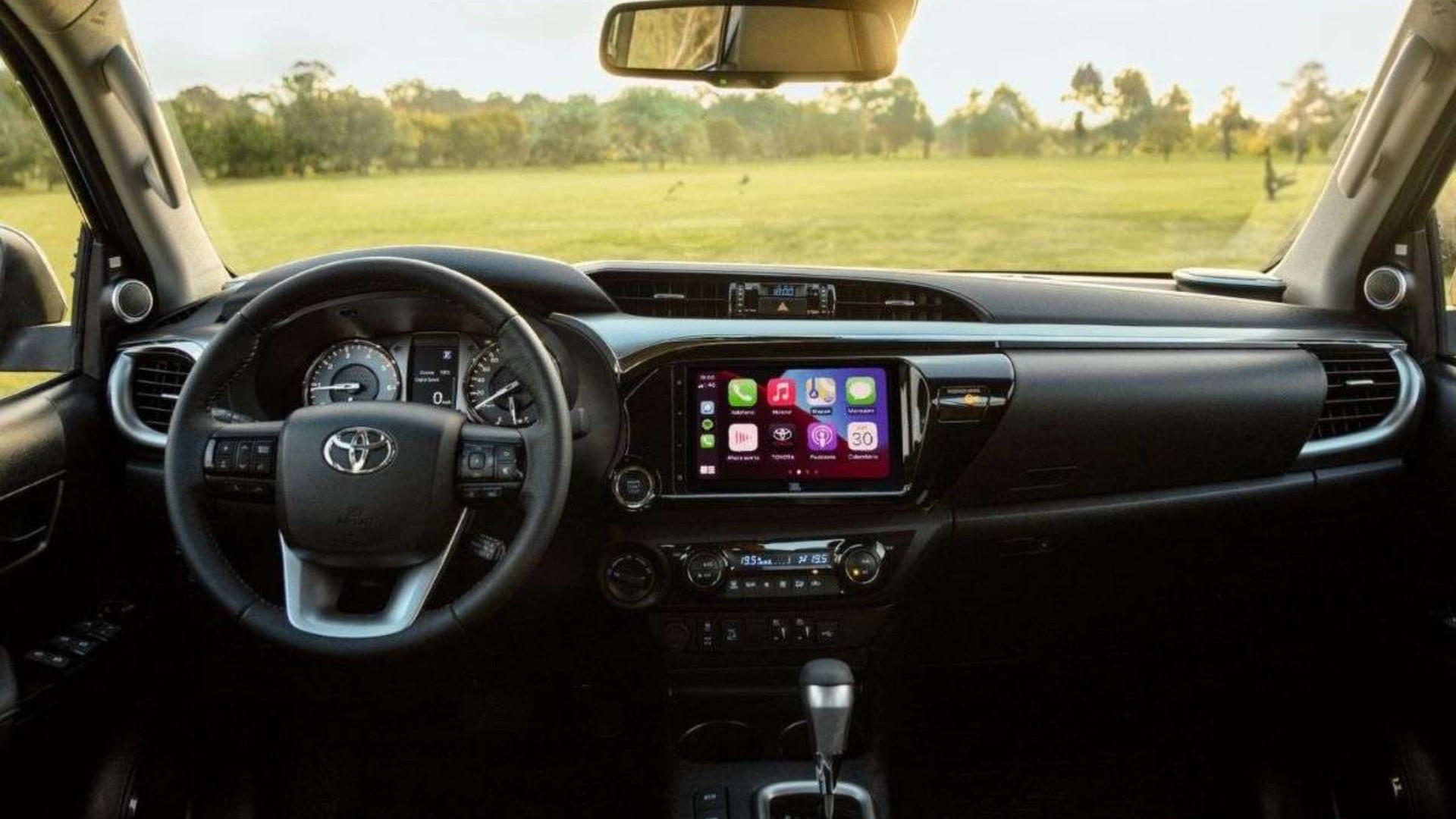
The Toyota Hilux is R$ 75.5 thousand cheaper and bets on the 2.8 turbodiesel engine with up to 204 hp and 50.9 kgfm to catch up with the VW Saveiro, which leads with 4,472 sales.
-
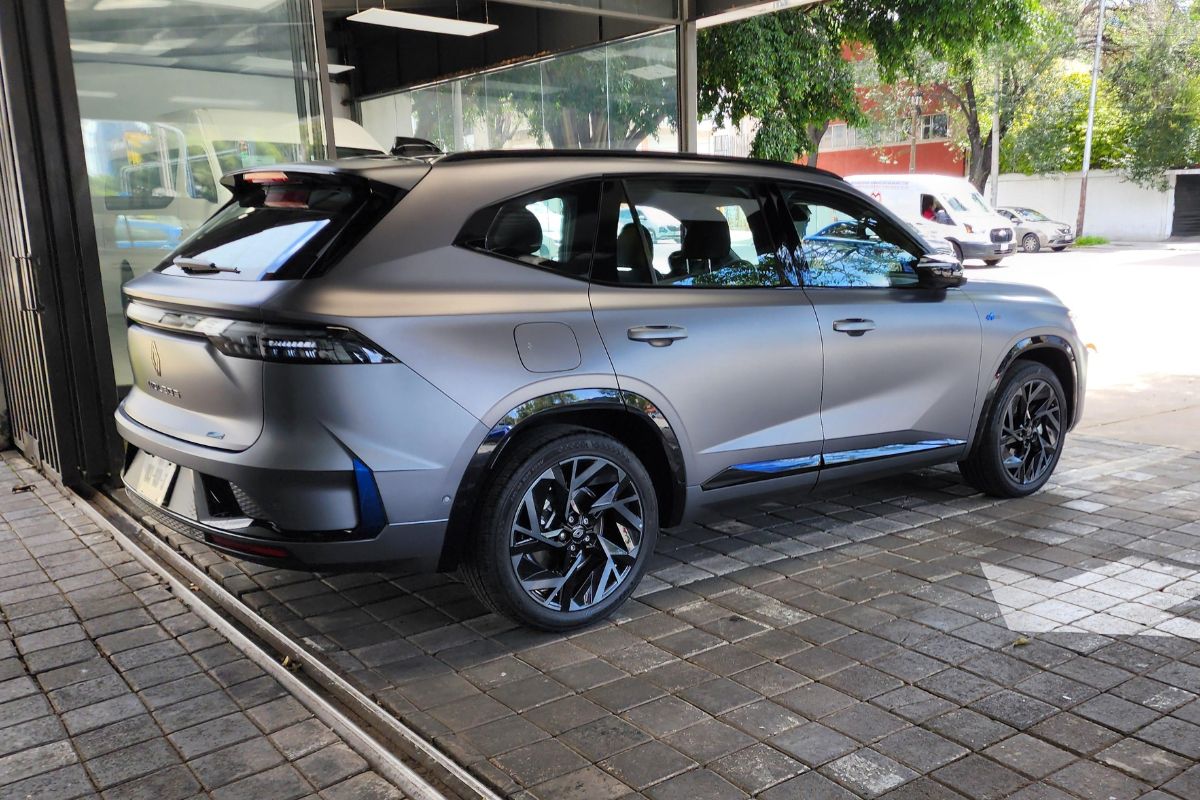
The new Renault Koleos has a screen exclusively for the passenger that is invisible to the driver, heated rear seats, and 29 assistance systems, but its Chinese competitors cost R$ 40,000 less and deliver more power.
-
The car stored for 38 years: when opening the barn door, what appears is breathtaking and looks like a scene from a movie!

-
Fiat works miracles in the Brazilian market, lowers the price of its 0 km hatch to R$ 69,990, reestablishes the model as the cheapest car in the country, and reignites the battle against Kwid and C3.


The measure establishes that drivers will pay an amount proportional to the distance traveled, creating a new revenue model to replace the projected losses from the decline in taxes from fossil fuels.
The government justifies the charge by stating that all vehicles, regardless of their energy source, contribute to road wear and increased congestion.
How Much Will Be Charged? Amounts Vary by Vehicle Type
Starting in 2028, electric car owners will have to pay a fee per mile driven starting on this date in this country, with amounts defined per mile traveled (about 1.6 km). The plan establishes:
Fully battery electric vehicles: 3 pence per mile (approximately R$ 0.19).
Plug-in hybrids: 1.5 pence per mile (about R$ 0.10).
To illustrate, a driver who travels about 13,700 km per year — equivalent to 8,500 miles — will have an annual expense of approximately £255 (R$ 1,680).
Despite the novelty, the government emphasizes that the amount still represents about 50% less than drivers of combustion vehicles currently pay in fuel taxes.
Financial Impact and Billion-Dollar Revenue Projection
According to the UK Office for Budget Responsibility, the introduction of the fee is expected to generate £1.1 billion (R$ 7.2 billion) in the first year of implementation.
The agency also predicts that revenue could nearly double by 2030, depending on the pace of electric vehicle adoption in the country.
Thus, in addition to compensating for the decline in revenue from fossil fuel taxes, the government aims to create a tax structure that aligns with the transformation of the British fleet.
Fee Could Hinder the Green Transition, Experts Warn
Although the fee is lower than that applied to traditional vehicles, experts fear the change could create an unwanted side effect: discouraging new buyers of electric cars.
They argue that by introducing more costs for this type of vehicle, the government risks undermining decarbonization goals and jeopardizing sales momentum in the sector.
Criticism is particularly strong because the charge arrives at a time when many consumers still consider electric cars expensive.
On the other hand, the government claims that the measure is essential to maintain fiscal balance and ensure that all types of vehicles contribute equally to road infrastructure maintenance.
Why Is the Change Being Implemented Now?
According to the British government, the rise of electric vehicles significantly reduces revenue derived from fuels.
Thus, the need arises to create a new charging format that is fair and proportional to road use.
Therefore, to balance the tax system and ensure resources for the maintenance of public roads, the chosen alternative was a fee based on miles traveled — a model already considered by other European countries.
How Will Mileage Be Monitored? Government Has Not Decided Yet
One of the main open points concerns the tracking of the distance traveled by vehicles.
Owners of electric cars will have to pay a fee per mile driven starting on this date in this country.
Among the possibilities under consideration are:
GPS monitoring;
records of periodic inspections;
mandatory annual odometer readings.
The final decision will be crucial to ensure transparency, prevent fraud, and not impose excessive bureaucracy on drivers.
What to Expect Until 2028?
By then, the country should:
establish the official measurement method;
create compatible digital systems;
define rules for older vehicles;
adjust possible exceptions and complementary incentives.
The discussion is expected to advance in the coming months as consumers, automakers, and experts assess the impact of the new charge.








-

-

2 pessoas reagiram a isso.