





 Portuguese
  English
  Spanish
 3 min of reading
  0 comments


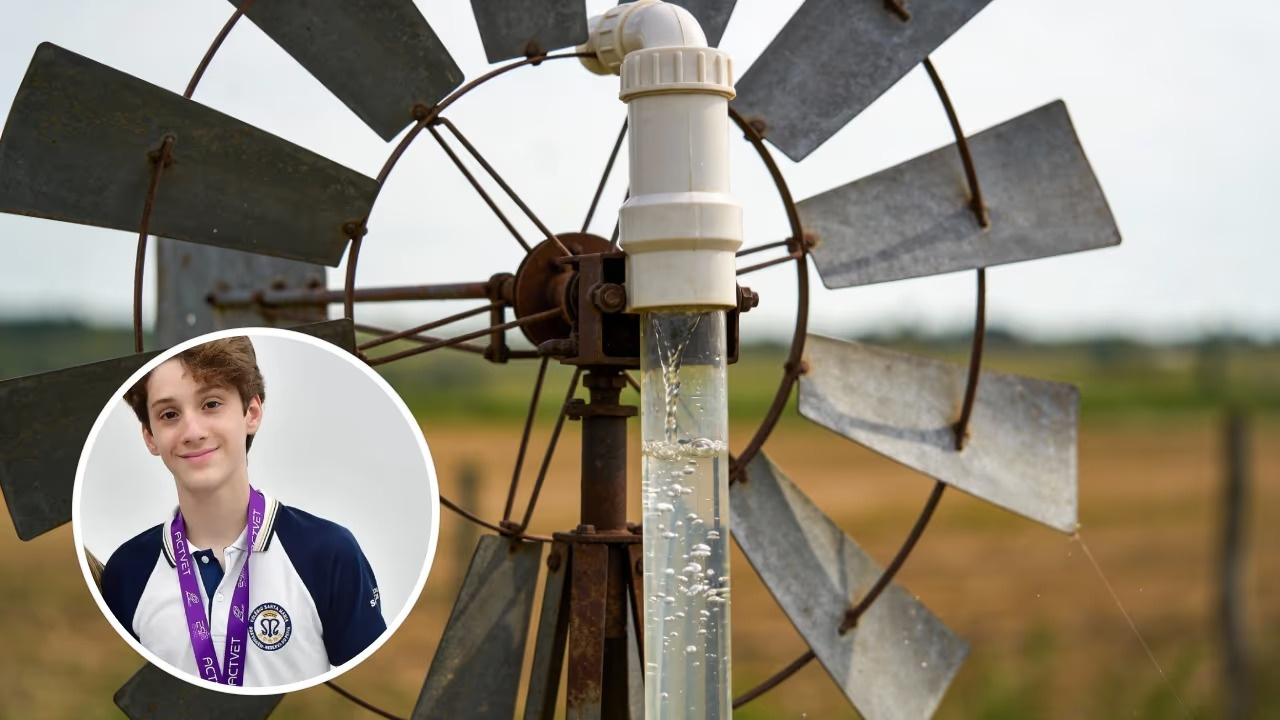
Wind Pump Developed by a Teenager from Pernambuco Uses Recyclable Materials, Reduces Costs and Appears as an Alternative to Bring Drinking Water to Communities in the Semi-Arid Northeast.
Access to water is still one of the biggest challenges faced by communities in the Brazilian Northeast, especially in rural areas and regions far from major centers. In the midst of long drought periods and limited infrastructure, simple and low-cost technologies gain relevance. In this scenario, the wind pump created by a teenager from Pernambuco stands out as a promising alternative to bring drinking water to thousands of families.
In addition to being sustainable, the invention draws attention for combining clean energy, the reuse of materials, and direct social impact, factors increasingly valued in projects aimed at regional development.
Semi-Arid Reality Drives Social Innovation
Before discussing the technology itself, it is necessary to understand the problem. The biggest difficulty in accessing water in the Northeast is concentrated in rural areas. In many places, the distance between wells, reservoirs, or cisterns and residences forces residents to walk kilometers daily.
-
Giant of the winds in Rio Grande do Norte: Serra do Tigre Wind Complex receives new investments and accelerates the expansion of clean energy generation to supply millions of Brazilian homes.
-
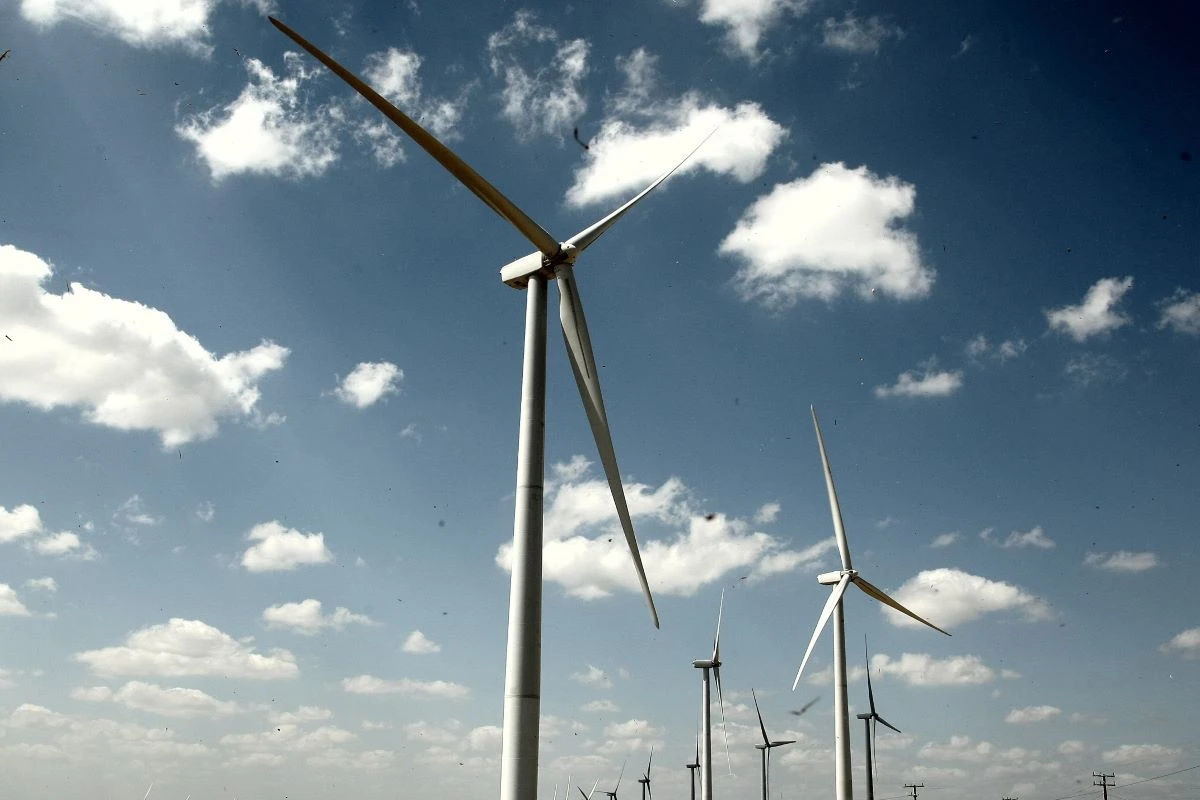
Urgent energy transition: Greenpeace advocates for massive investments and points to Brazil as a global leader in wind energy production in the coming years.
-
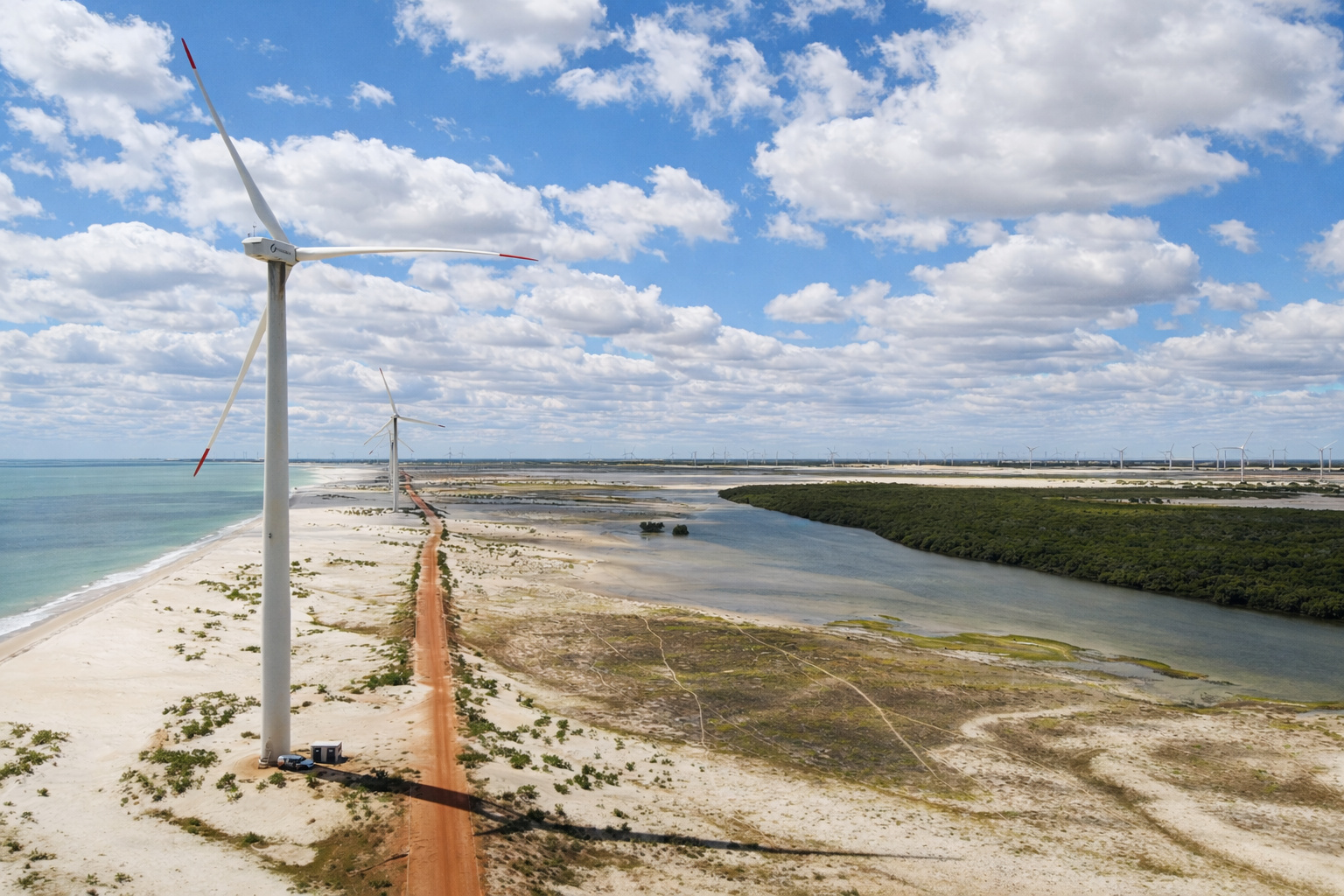
Conflict in the Sertão: Rural communities in Rio Grande do Norte report issues with wind farms and the new challenges of clean energy in the semi-arid region.
-
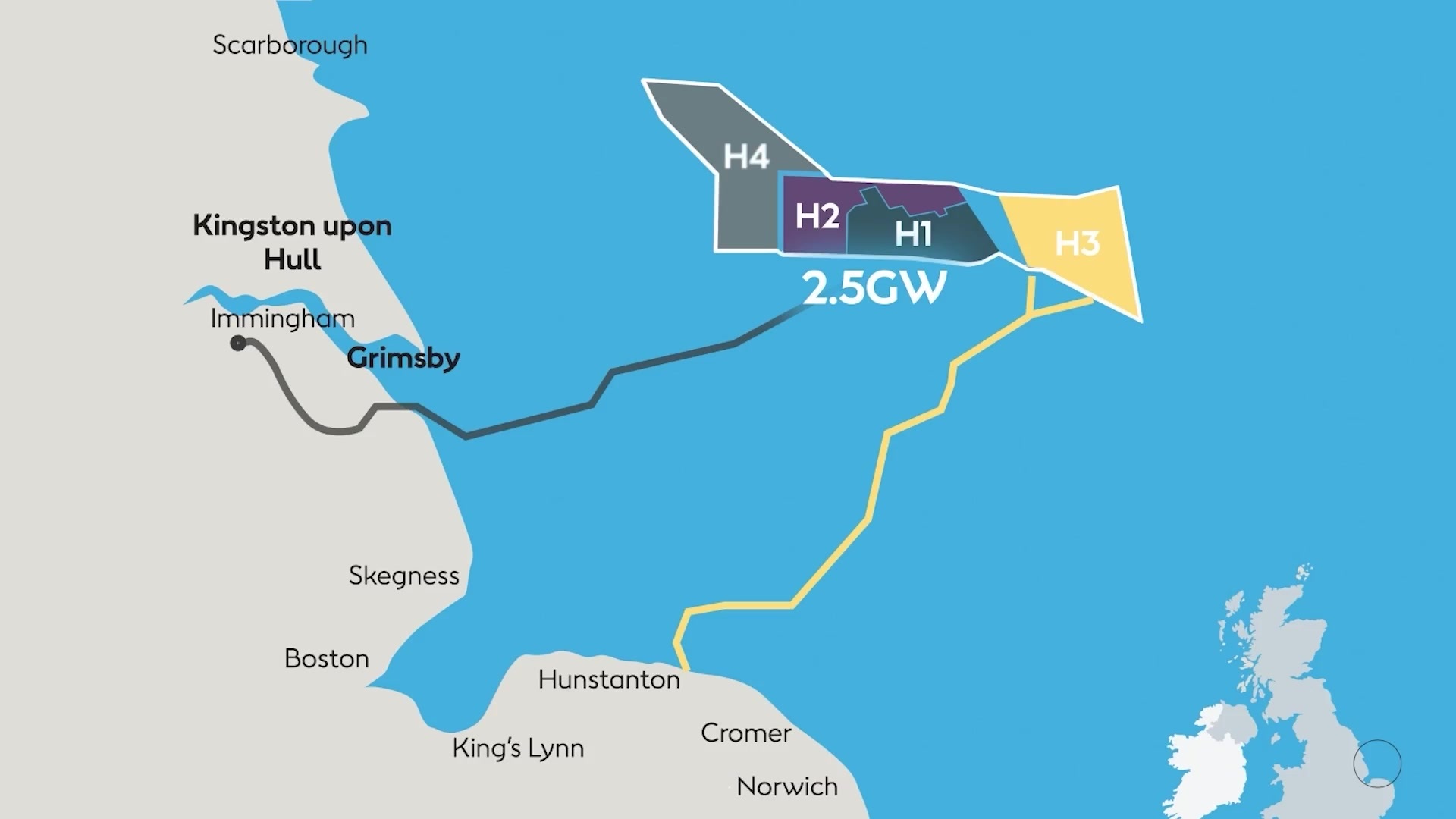
231 turbines of 260 meters at 160 km from the coast, monopiles weighing as much as nine blue whales embedded in the North Sea, and a crane ship taller than the Eiffel Tower: Hornsea 3 will be the largest offshore wind farm on the planet by 2027, and its first components have already arrived in England.

Consequently, this routine compromises time, health, and even the permanence of families in the countryside. It was by observing this reality that the idea of creating a simple solution capable of functioning even in areas without electricity or fuel emerged.
Teenager Develops Wind Pump with Recycled Materials
Lucas Figueiredo Medeiros, just 14 years old, is a student at Santa Maria College in Recife (PE). Facing the challenges experienced by semi-arid communities, he developed a wind pump powered exclusively by wind energy.
The equipment was built with recyclable and easily accessible materials, such as PET bottles, metal scrap, PVC pipes, and repurposed parts from old equipment. According to the project, the pump can be up to 70% cheaper than traditional models available on the market.
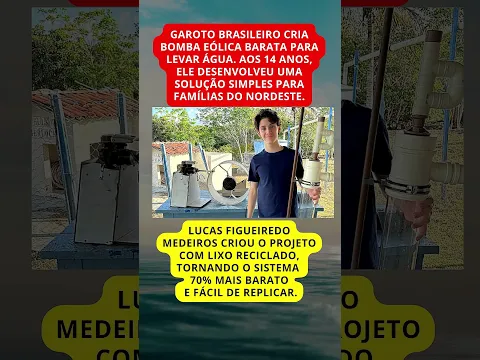

The operation of the wind pump is based on a direct mechanical system. The wind drives a set of blades, which turns a shaft connected to mechanisms responsible for drawing water from nearby wells, reservoirs, or cisterns.
Unlike conventional equipment that uses electric motors or combustion, the pump created by Lucas dispenses with any external energy source. Thus, the system adapts better to isolated regions and reduces maintenance costs.
Prototype Was Designed for Easy Replication
Another relevant point of the project is the simplicity of the prototype. The idea is that residents of rural areas can assemble and repair the wind pump with minimal support from specialized technicians.
Additionally, the use of repurposed materials facilitates replacements and repairs, making the technology more accessible to small rural producers, settlements, and remote villages. According to project estimates, the solution could benefit up to 1 billion people worldwide.
After being presented at school science fairs, the project quickly gained visibility. Lucas won medals in national scientific competitions and later represented Brazil at international events.
Last year, the teenager received an international award in Abu Dhabi, United Arab Emirates, focused on clean energy initiatives and low-cost social solutions. The recognition established the wind pump as a reference in social technology developed by youth.





-

-

3 pessoas reagiram a isso.