





 Portuguese
  English
  Spanish
  4 min of reading
  0 comments


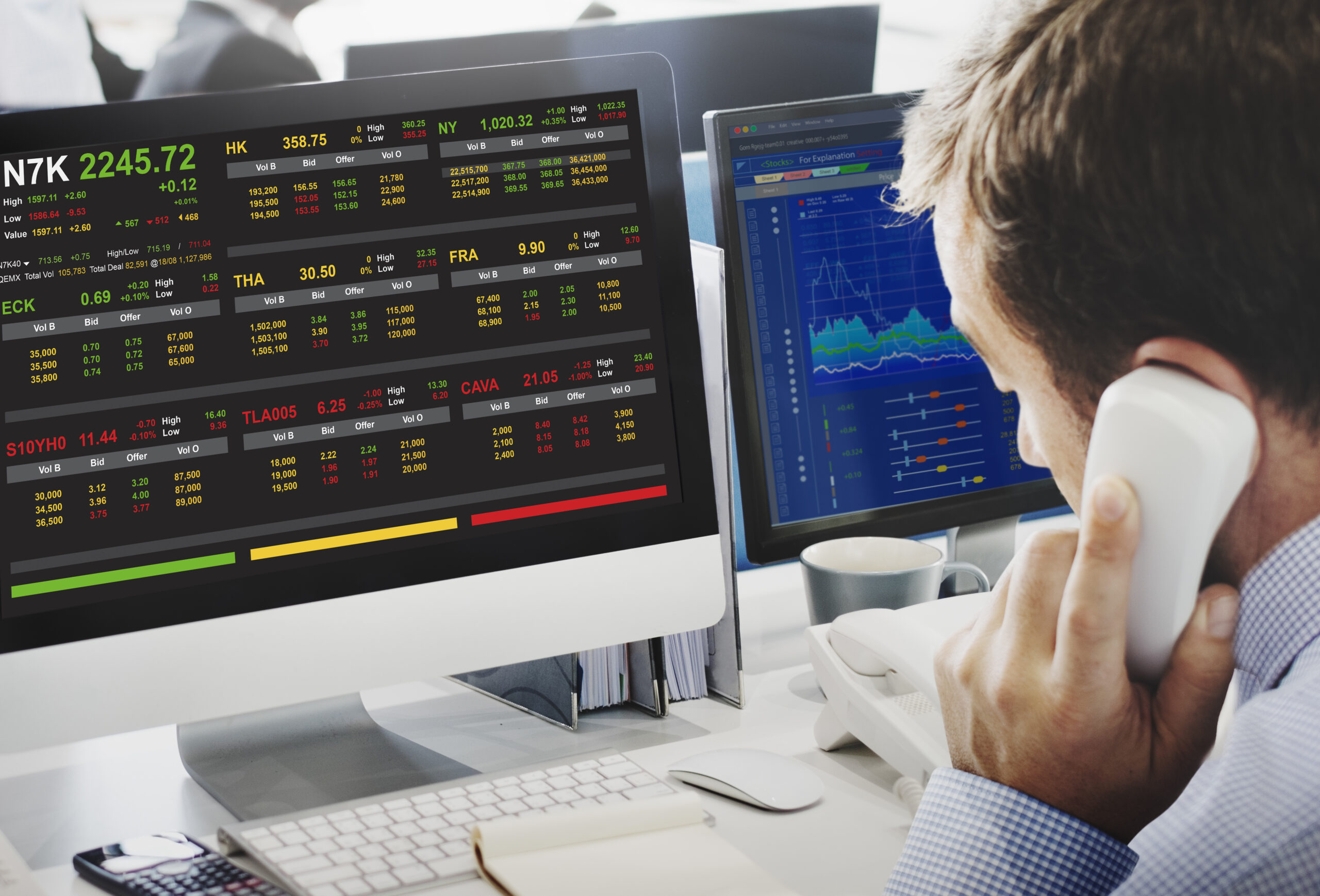
The Recent Outage That Suspended Oil, Bond, And Index Trading At The CME Revealed Structural Weaknesses — And Raised An Essential Debate About The Sustainability And Robustness Of Global Market Infrastructure.
In the early hours of November 28, 2025, the world’s largest derivatives exchange suspended its operations. The cause: a cooling problem at a CyrusOne data center, a service provider for the CME.
What Happened — And Why It Matters
The CME published a message stating: “Due To A Cooling Problem At The CyrusOne Data Centers, Our Markets Are Currently Frozen”.
The outage affected a vast array of contracts: crude oil (such as WTI), U.S. Treasuries, stock indices (S&P 500, for example), agricultural products, and currencies — practically the entire range of derivatives that set global prices.
-
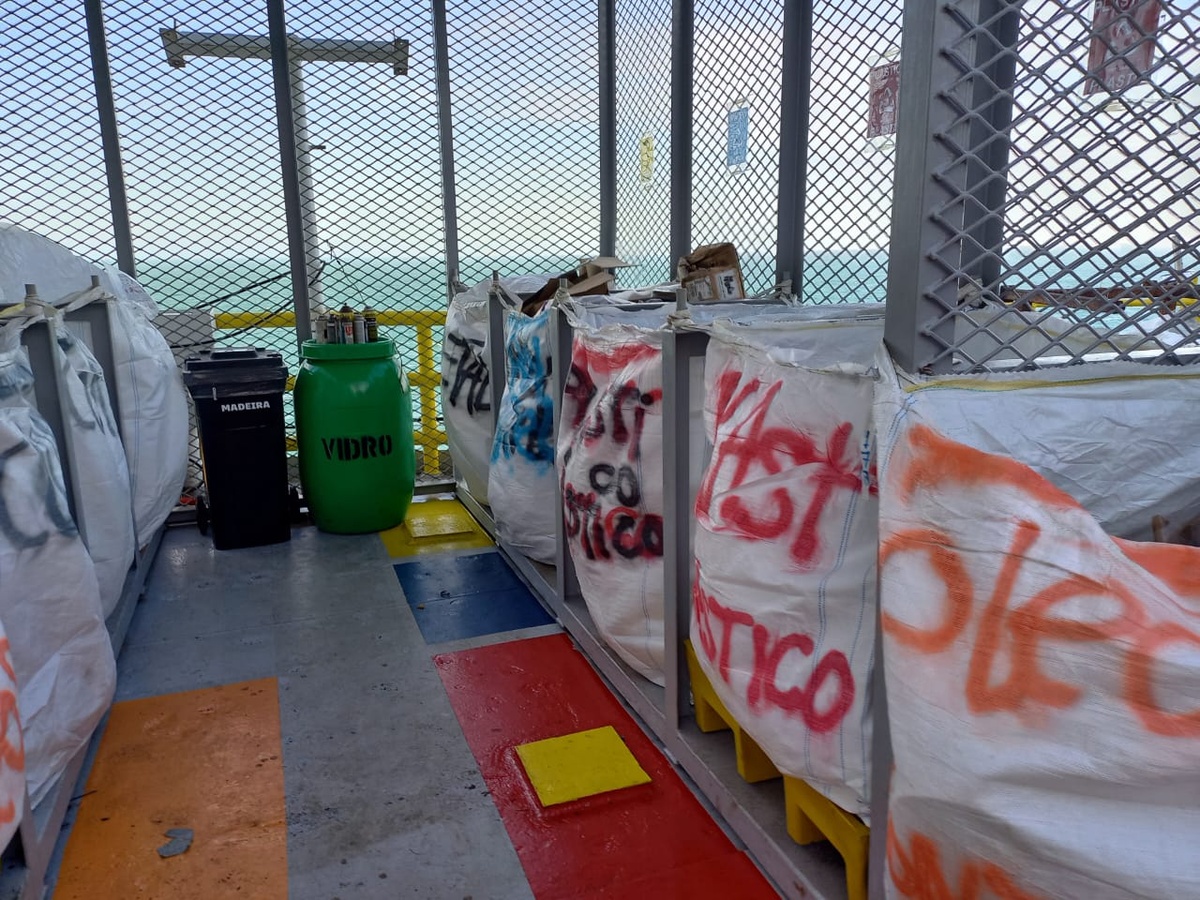
Foresea achieves 100% offshore waste reuse in 2025, eliminates landfill disposal, and consolidates sustainable strategy with 1,500 tons recycled.
-
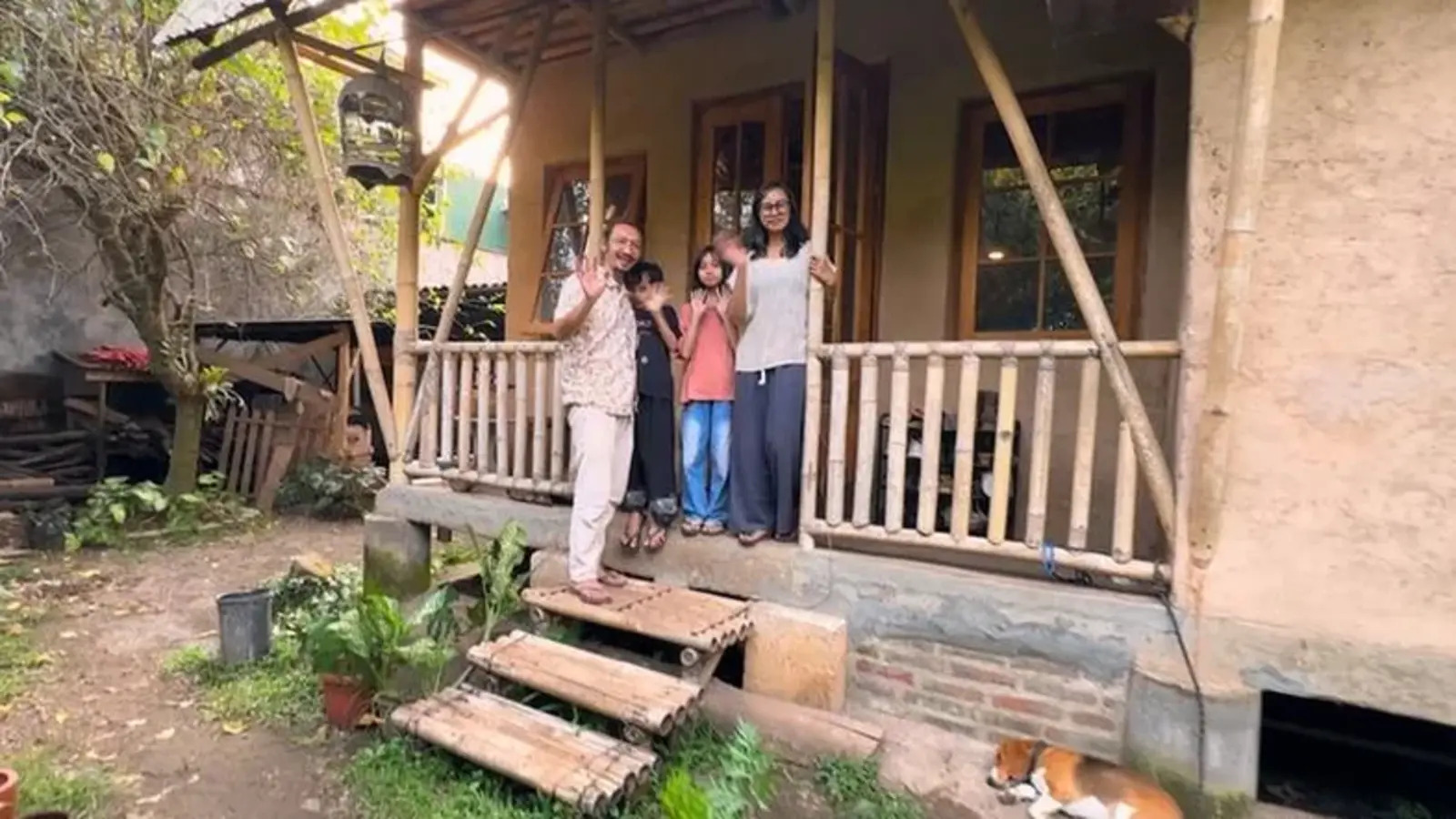
With earth, bamboo, straw, and lime mortar, a specialist builds a house for just over $460 and draws attention for its cost being much lower than traditional construction.
-
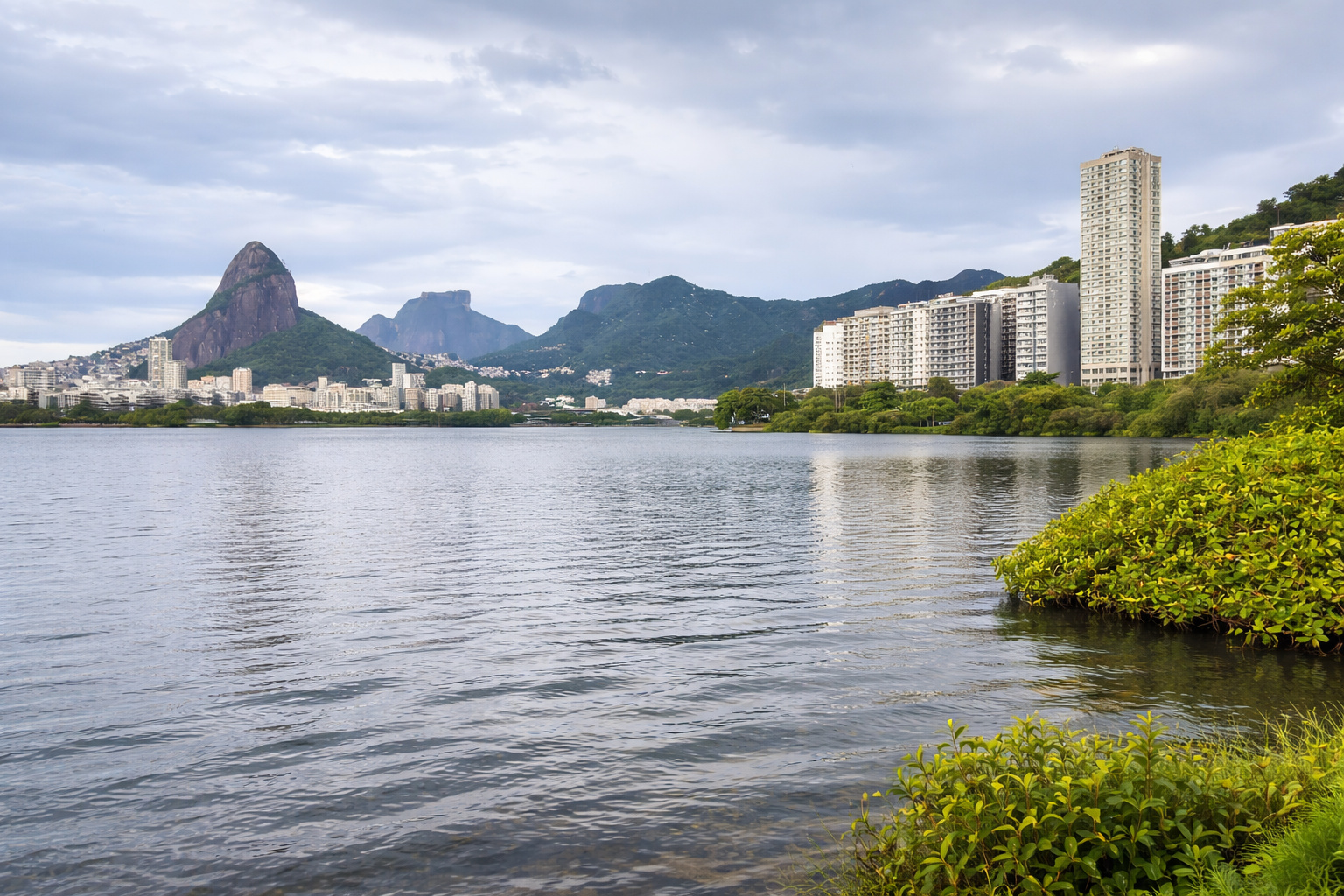
Rodrigo de Freitas Lagoon advances in environmental recovery with sanitation, elimination of irregular sewage, and the resumption of water sports in Rio de Janeiro.
-
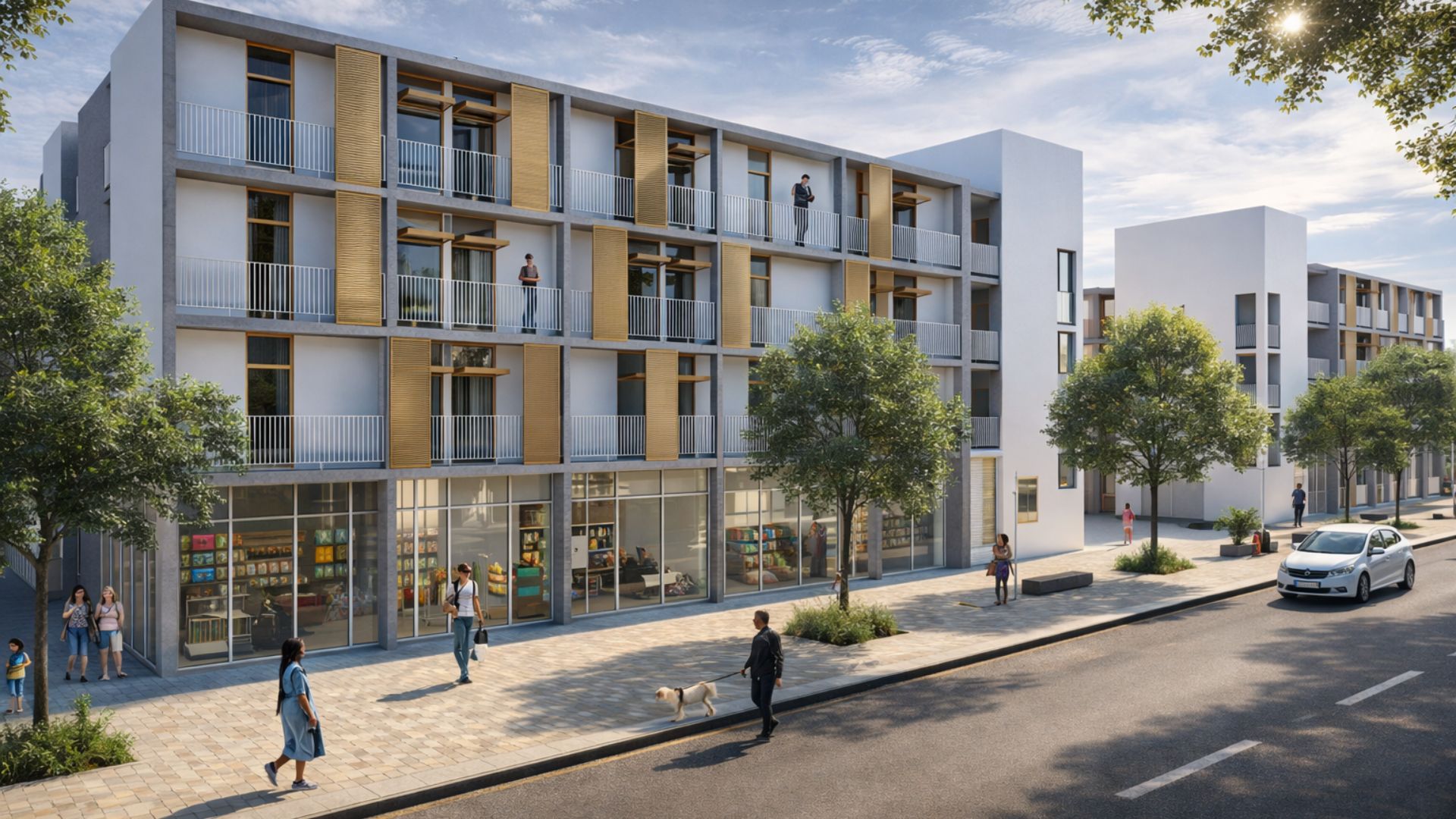
Sustainable housing gains strength with a nationally awarded project in Campo Grande, highlighting innovative solutions that combine sustainability, urban integration, and efficiency in the use of natural resources.

By early morning, the systems still did not display updated quotes. The lack of data altered liquidity, paralyzed trading, and imposed uncertainty on investors and economic agents worldwide.
Hours later, the exchange announced reopening in a reduced session. Nevertheless, the incident exposed the critical dependency of markets on data centers and technical infrastructures — and raised the question: how sustainable is this centralized model?
History Of Vulnerabilities And Context Of Systemic Risks
Although rare, this type of outage is not unprecedented. In 2014, technical problems had already affected part of CME’s electronic trading, especially in agricultural contracts.
Over the years, the increasing digitalization and centralization of exchanges have reinforced global efficiency and liquidity. However, they have also amplified fragility in the face of physical, climatic, or structural failures.
With the recent crisis, it became clear that it is not enough to think about software and algorithms: physical infrastructure — data centers, cooling, energy backups — needs to keep pace. Therefore, the episode raises an alert about the need for sustainability of global financial infrastructure.
Technical Sustainability: Beyond Clean Energy
Typically, when we talk about sustainability, we imagine renewable energy, the environment, emissions. In this case, the term takes on another meaning: it refers to the resilience of critical infrastructure.
The cooling failure occurred because CyrusOne could not handle the thermal load required by CME’s operation. This shows how physical requirements — constant electricity, climate control, redundant systems — are just as important as code or digital connectivity.
If crises caused by technical failures become more frequent, the global market may suffer from abrupt volatility, losses, legal insecurity, and breaches of trust.
Therefore, ensuring sustainability in the modern financial system requires robust planning, preventive maintenance, energy backup, and diversification of data centers — especially in geographically distinct regions.
Immediate Impacts And Medium-Term Consequences
In the short term, the shutdown caused chaos. Investors lost opportunities for hedging or arbitrage. Companies dependent on futures contracts to protect oil and commodity margins became vulnerable.
Additionally, the uncertainty impacts those who use derivatives as a tool for economic security — agricultural producers, exporters, investment funds, and energy companies.
In the medium term, the incident could undermine institutional investors’ confidence. When central infrastructure shows fragility, the risk cost rises. Some may seek alternatives, such as creating local or regional markets or demanding greater regulation and transparency.
Global Dependency And The Urgency Of Diversification
The system concentrated on the CME precisely because of its liquidity, scope, and credibility. However, the crisis illustrates the dangers of dependency on a single global infrastructure.
To avoid collapses, a trend towards decentralization of derivatives markets may emerge. Regional platforms, multiple data centers, redundant systems, and contingency protocols are now part of market governance discussions.
Moreover, regulatory authorities should reconsider technical resilience requirements, energy security, and physical audits — not just financial regulations.
This transition will require investments, a change in mindset, and international collaboration. But without it, the global system remains vulnerable to physical failures, human errors, or environmental disasters.
The Role Of Technology And Innovation For A More Sustainable Market
The crisis at the CME highlights the importance of technology, but also of robust infrastructure. In this sense, innovations such as distributed computing, blockchain, decentralized trading platforms, and geographically distributed servers gain strength.
If well-implemented, these solutions can reduce bottlenecks, avoid single points of failure, and increase systemic resilience.
Moreover, sustainable environmental and energy practices — such as the use of clean energy, energy-efficient data centers, and cooling from renewable sources — can unite the fight against climate change with global financial security.
This approach broadens the concept of sustainability: not only protecting the environment but ensuring that economic infrastructure withstands crises, serves global populations, and maintains constant liquidity.
An Urgent Lesson For Markets, Governments, And Society
The CME outage demonstrates that the future of global markets depends on much more than algorithms and connection speed. It relies on resilient infrastructure, risk planning, geographical diversity, and long-term vision.
Therefore, economists, regulators, businesses, and investors need to rethink the architecture of the global financial system. Technical resilience and sustainability must go hand in hand with efficiency and innovation.
From this event, the expression “global market” gains a new meaning: not just a network of capital, but a complex web of energy, data, and trust — that must be kept alive even in the face of physical failures.




Seja o primeiro a reagir!