





 Portuguese
  English
  Spanish
  5 min of reading
  6 comments


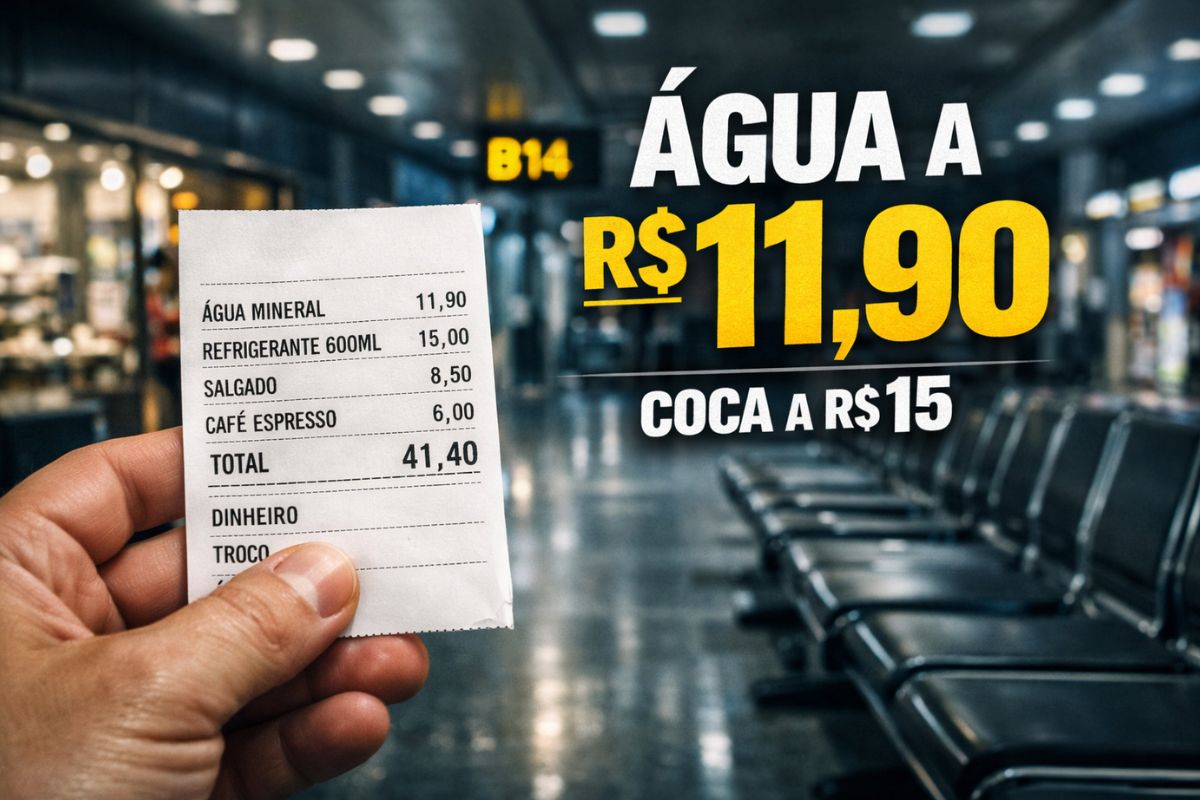


In The Main Brazilian Airports, The Airport Works Like An Exitless Shopping Center: Expensive Contracts, Little Competition, Rigid Costs, Intensive Security And Complex Logistics Help Explain Why Water, Coffee, Snacks And Even Cheese Bread Cost Much More Than On The Street For Any Passenger Every Day
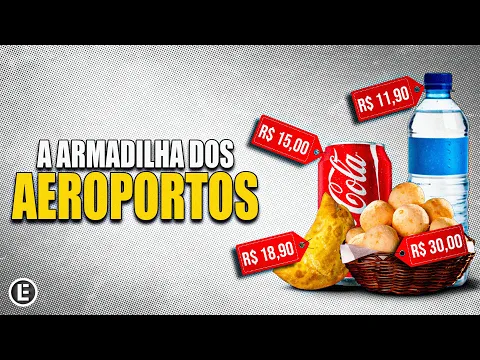
In December 2025, any Brazilian sitting in an airport waiting room already knows they have entered a parallel world of prices. Inside the airport, a regular bottle of water, a simple coffee or a basic piece of cheese bread costs much more than on the sidewalk outside, and almost no one can leave to look for something cheaper without risking missing their flight.
What seems like isolated abuse at each counter, however, is the result of an economic mechanism that has consolidated over the past few years. Concession contracts, high rents, security rules, 24-hour operating costs and the captive passenger condition mean that the airport seeks to recover revenue in commerce, passing the final bill on to the consumer waiting to board.
Airport Turned Into A Shopping Center With A Runway

When looking at any large terminal, it is clear that the airport has ceased to be just a place for boarding and disembarking.
-
IPTU exemption for seniors in 2026: see how to secure the benefit.

-
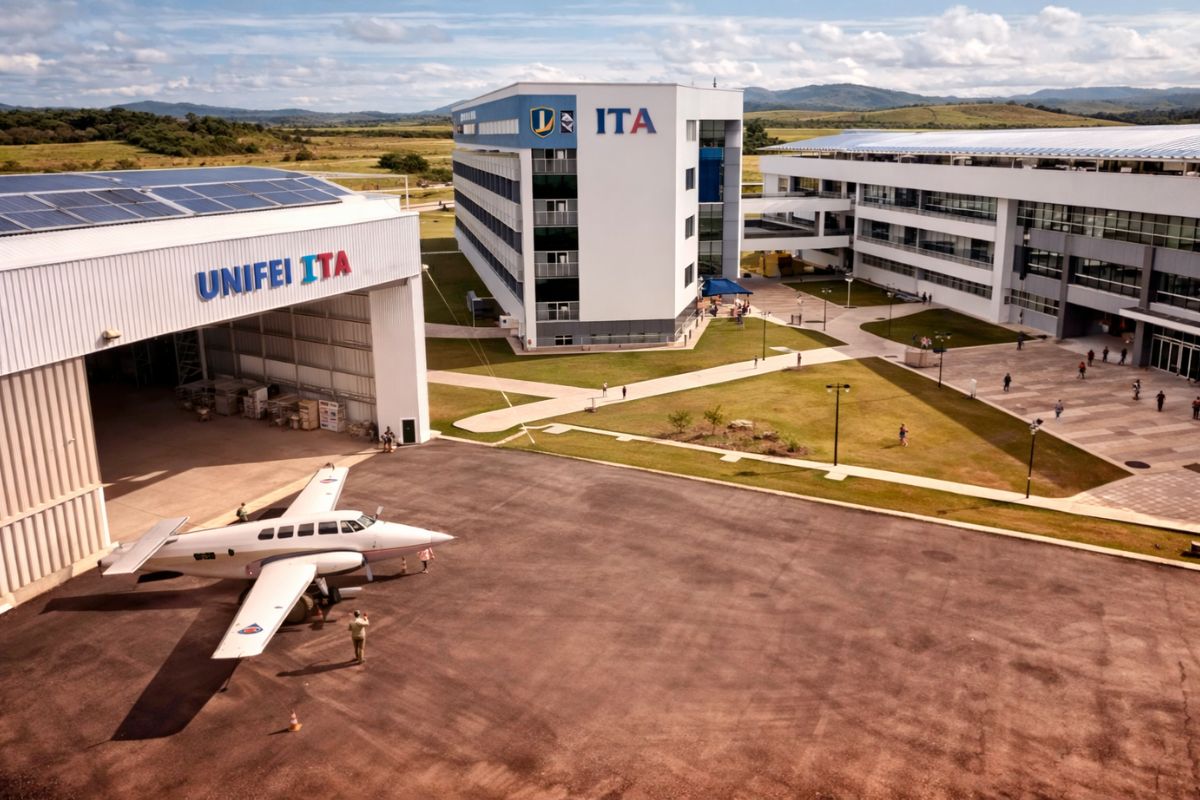
The institute that trained the greatest aerospace engineers in Brazil has just opened its first campus outside São Paulo after 75 years: ITA Ceará will have R$ 445 million, new courses in energy and systems, and classes are expected to start in 2027.
-
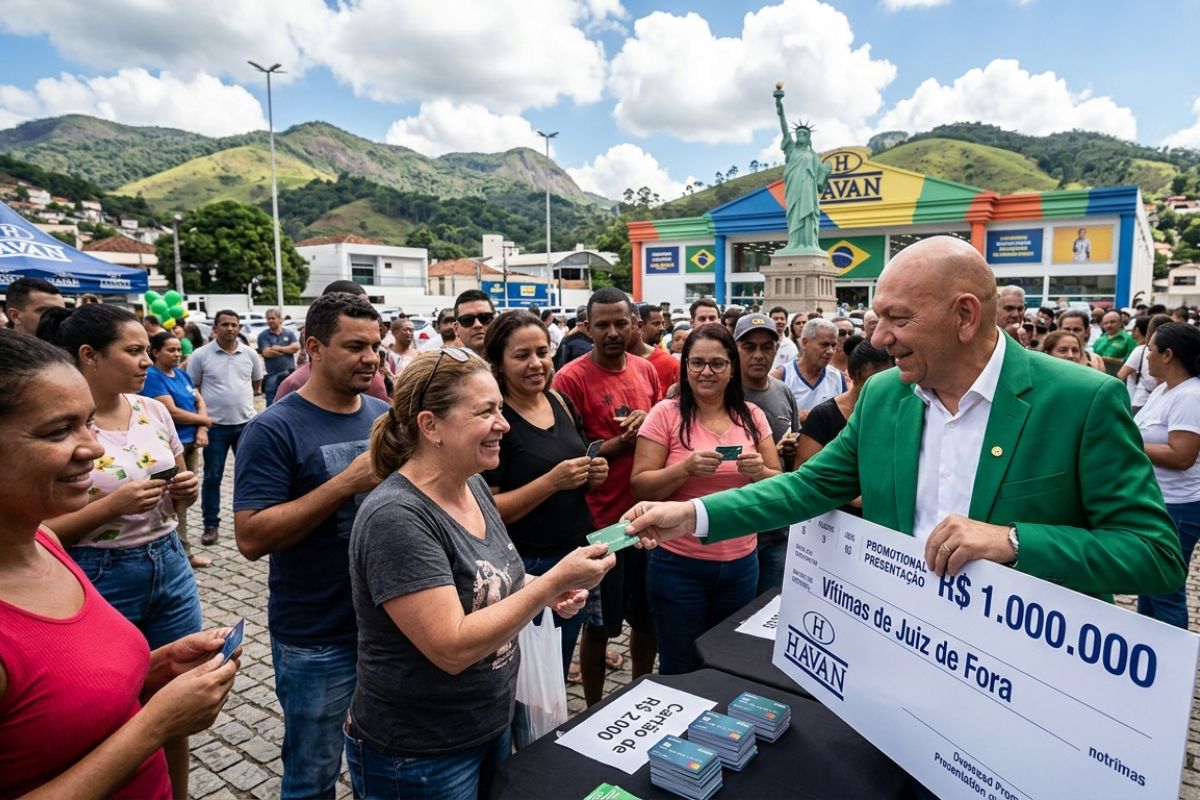
Luciano Hang, owner of Havan, goes to Juiz de Fora after the tragedy in February, brings R$ 1 million, hands out R$ 2,000 cards, and donates up to R$ 15,000 to victims in the region.
-
The Brazilian passport allows legal residence in dozens of countries without the need for a prior visa, and most Brazilians are unaware that they can apply for residency directly upon arriving in nations in South America, Africa, and even Europe.

Hallways full of store fronts, complete food courts, and kiosks of all types make the terminal a shopping center with a runway in the background.
In this model, the airplane becomes just one part of the revenue equation.
In addition to the fees paid by airlines, the airport relies on parking, retail rents, advertising on boards, and additional services.
The higher the flow of passengers, the greater the potential to sell food, drink, and conveniences, which helps to cover the costs of maintaining the structure.
Expensive Rent And Revenue Targets Go Straight To The Menu
To occupy a well-located spot inside the airport, the store needs to assume high rents and often pass a cut of what it earns to the terminal administrator.
In practice, the business only sustains itself if each cup of coffee, bottle of water, or piece of cake has a higher margin than it would have on the street.
In addition to rent, contracts often foresee minimum operating obligations and service standards.
This means opening early, closing late, maintaining a full team during slow hours, and complying with layout and stock requirements.
All these factors add up. The result is straightforward: if fixed costs are heavier, the final price tends to follow suit.
Extra Costs Of Operating Inside The Airport

Operating inside the airport is not the same as having a corner bar.
Employees require credentials, part of the team works early morning hours, and the logistics of receiving goods is more complex, as access to the restricted area is controlled.
Each box of water or bag of cheese bread goes through a longer chain before it reaches the shelf.
Additionally, electricity costs are higher in some contracts, internal fees, specific insurance, and the need for larger stocks to cope with spikes in demand during holidays and vacations.
All of this increases the risk of waste and unsold products.
The most direct way to compensate is to embed this risk in prices higher than those found outside the airport.
Captive Passenger, Little Competition And Nearly Standardized Display
Once the passenger goes through security, they are literally trapped inside the airport.
Going back outside means redoing security lines, risking delays, and often it is simply not allowed.
With the captive passenger, the market logic distances itself from open street competition and approaches a controlled environment with few real options.
Even when there are several different brands, many follow similar pricing tables.
The operating costs are similar, the customer base is the same, and no one wants to be seen as cheaper and less exclusive, especially in areas near international gates.
Thus, the display changes, but the feeling is that everything is expensive at any counter in the airport.
The Psychology Of Waiting Helps Justify The Salty Expense
The equation is not only financial; it is also emotional.
People in the airport tend to be tired, hungry, anxious about time, and burdened with luggage.
Under these conditions, the willingness to compare prices decreases, and the priority becomes solving the problem quickly, even if it means paying more.
Many passengers view the expense as part of the travel experience.
Having a coffee while looking at the runway, buying a snack while in the boarding line, or grabbing a water before boarding becomes almost a ritual.
For those returning from vacation or heading to an important work meeting, the memory of the high price fades in the face of the fear of boarding the plane hungry or dehydrated.
There Is A Way Out For Your Wallet Inside The Airport
From the perspective of those managing, changes involve reviewing contracts, stimulating more competition, and thinking about popular price formats in specific areas of the airport.
Greater transparency about costs and margins would also help reduce the feeling of abuse, showing passengers what is structural cost and what is purely commercial decision.
From the consumer’s side, part of the protection still depends on basic planning.
Eating before entering the boarding area, bringing an empty bottle to fill at water fountains when allowed, and avoiding impulse purchases reduce the impact on the budget.
This doesn’t solve the structural issue, but it diminishes the feeling of being forced to pay any amount just for being inside the airport.
Thinking about your routine, do you usually plan to eat and drink before entering the airport, or do you end up always paying more inside just to avoid the risk of missing your flight?





O Brasil é um país de ****. Tem os de fuzil na mão e os de terno e gravata. Os últimos são os piores. Aeroporto de terceiro mundo não podia fugir da regra…
Não compro nada. Por mim iam a falência.
Querem ganhar muito, vendendo pouco.
Se baixassem um pouco, venderiam muito mais.
O que vemos são estabelecimentos vazios a espera de um ****.