





 Portuguese
  English
  Spanish
  3 min of reading
  0 comments


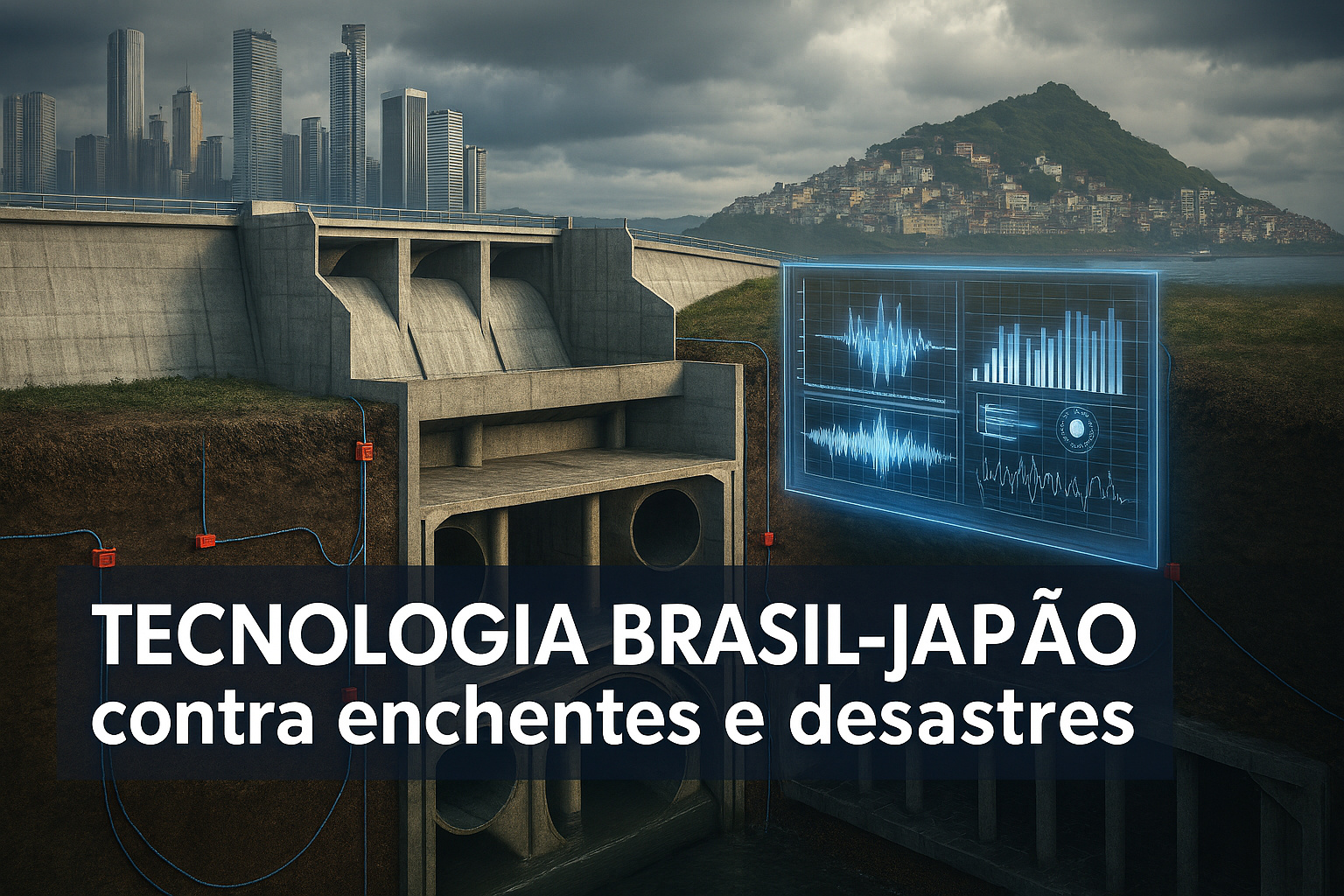
With R$ 4.2 Billion in Drainage and Seismic Sensor Projects, the Brazil-Japan Partnership Already Benefits 25 Million People and Reduces Urban Disaster Risks.
In March 2025, the Japan International Cooperation Agency (JICA) and the Ministry of Integration and Regional Development of Brazil signed a new Memorandum of Cooperation to strengthen the partnership between the two countries in reducing natural disaster risks. The agreement continues a collaboration that began decades ago and has already mobilized around R$ 4.2 billion in investments for drainage works, sanitation, slope stabilization, and alert systems in vulnerable areas.
Technical Cooperation and Technology Transfer
JICA has been active in Brazil since the 1970s, focusing on urban development, the environment, and disaster management. The country is one of the largest partners of the Japanese agency in Latin America. The new phase of cooperation prioritizes the adaptation of Japanese technologies for underground containment and hydrological monitoring, such as Sabo-type dams, high-precision meteorological sensors, and integrated alert networks.
These innovations have been tested in cities such as Teresópolis, Nova Friburgo, Salvador, and São Paulo, where floods and landslides cause billion-dollar losses every year.
-
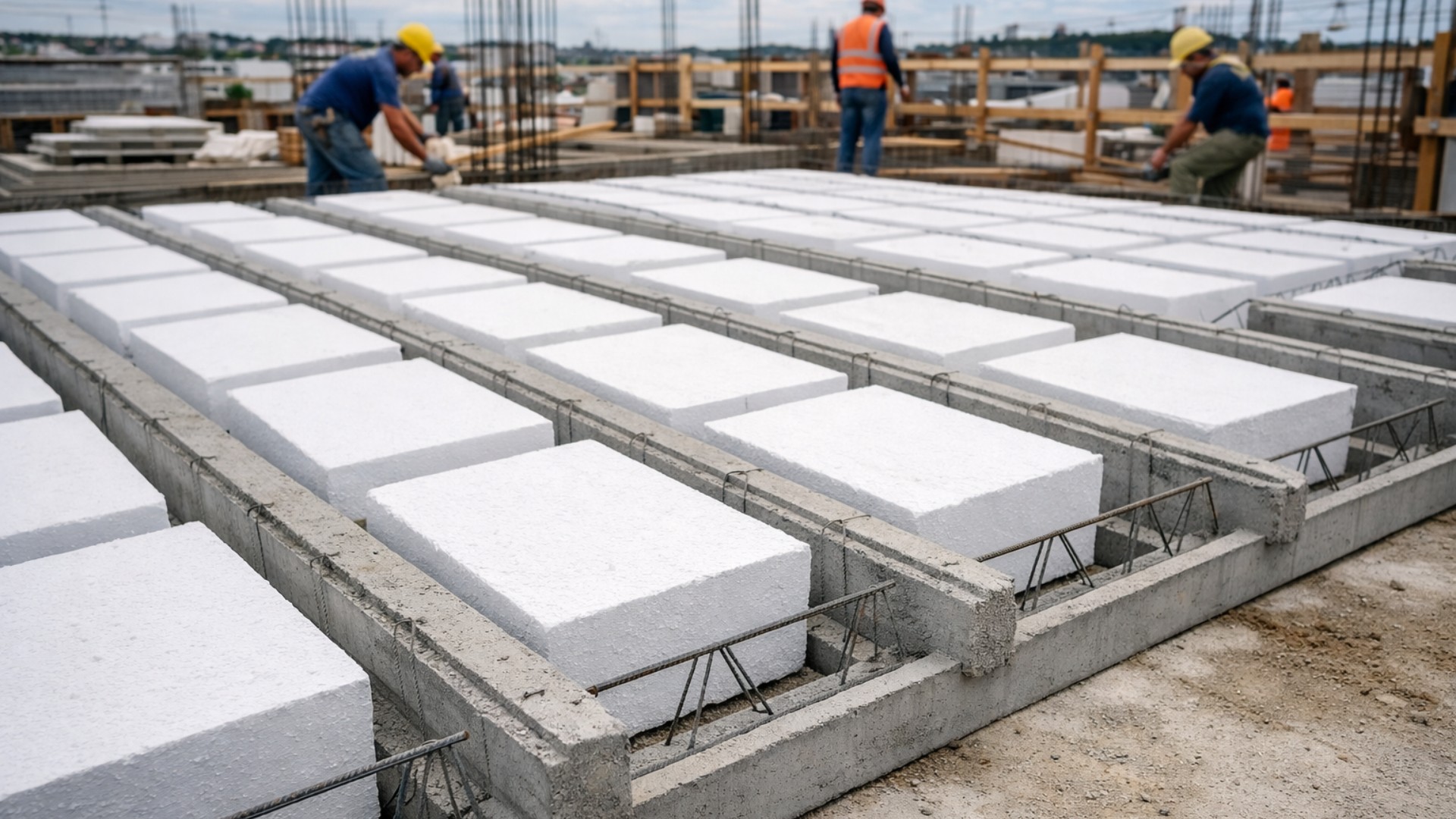
Goodbye, concrete: a new trend in civil construction reduces the weight of the structure by up to 30%, accelerates projects by up to 40%, cuts costs on steel and labor, and improves thermal insulation with EPS.
-
Russian engineers create an innovative propeller blade for aircraft that could completely change the way airplanes and helicopters operate.

-
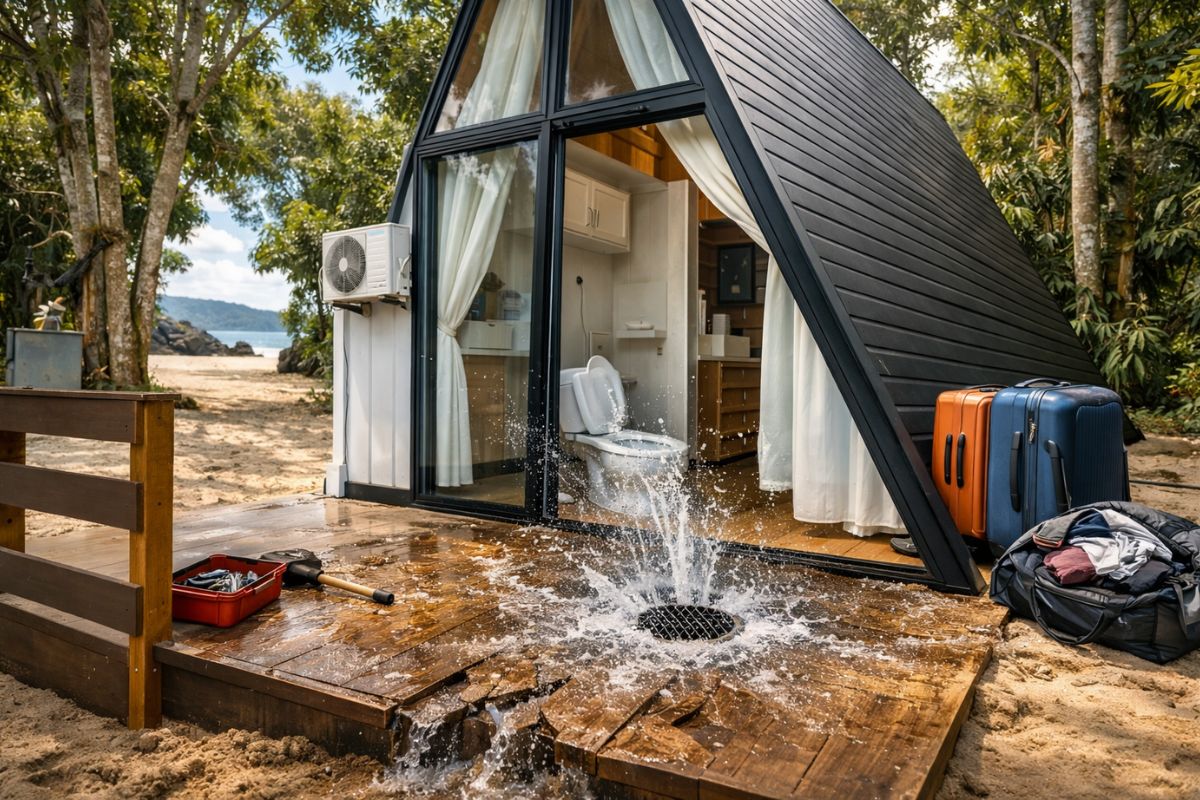
Couple finishes building PVC chalet on the beach on the last day, with air conditioning and curtains, but discovers the bathroom drain is inverted: water escapes from the drain, risking breaking the floor, and the rush continues before the trip.
-
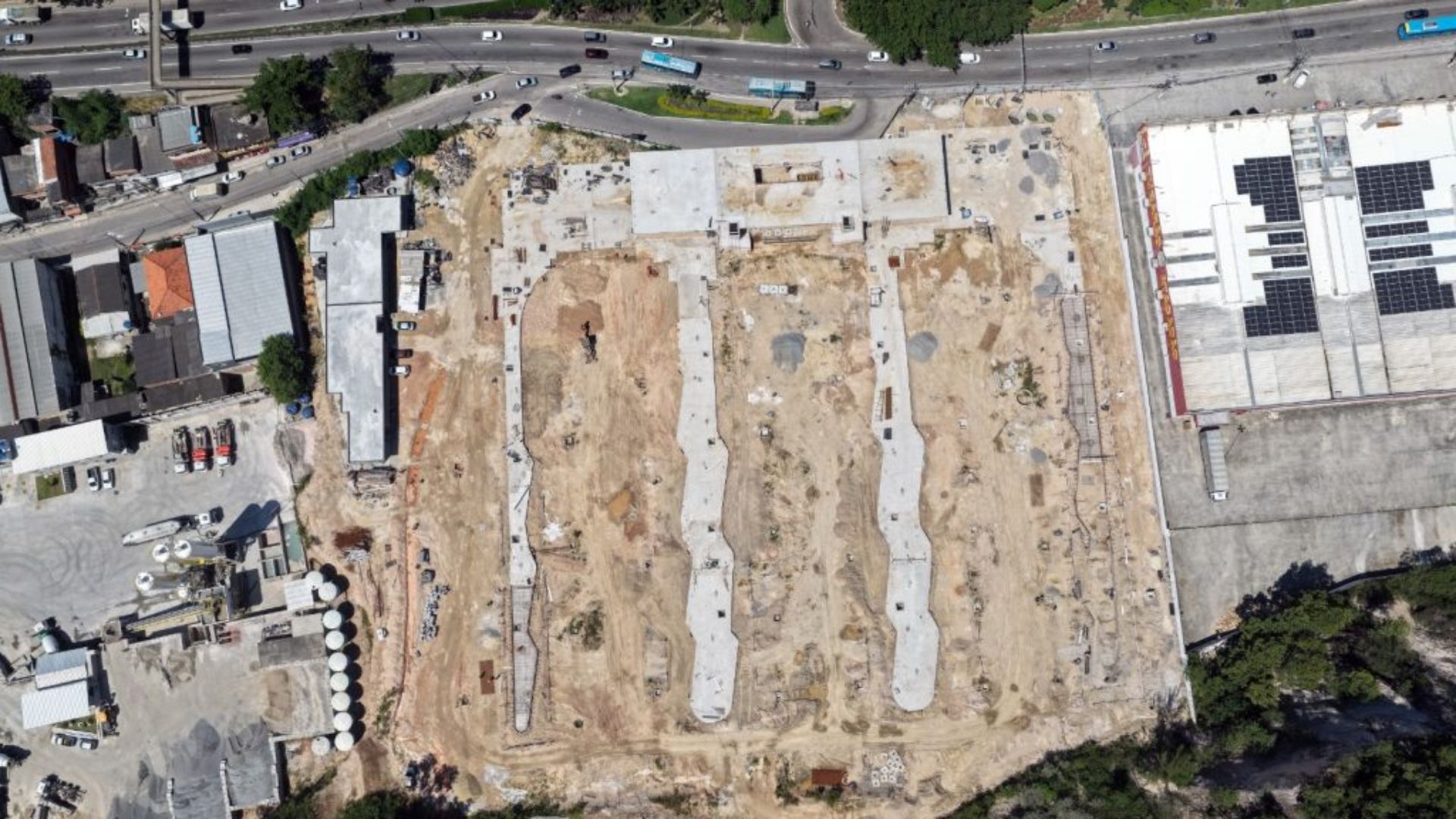
Niterói surprises with a mega project of R$ 34 million and advances in the new Caramujo Bus Terminal, promising to revolutionize urban mobility by 2027.

The Japanese model combines engineering and public management, focusing on structural measures such as drainage and underground dikes — and non-structural measures such as urban planning and education for prevention.
Ongoing Projects in Brazil
In the Metropolitan Region of São Paulo, Brazilian and Japanese technicians conducted joint studies on drainage and flood control, applying solutions similar to those in Tokyo and Osaka.
The real-time meteorological monitoring system has been expanded to identify risk areas and issue preventive alerts, reducing the damage from extreme events.
In Rio de Janeiro, pilot projects on slopes use sensors to detect soil movements and send automatic signals to civil defense centers. In Salvador, cooperation focuses on deep drainage and rainwater runoff control, reducing critical flooding points.
Direct Impact and Goals
According to estimates from JICA and the Brazilian government, the actions already benefit more than 25 million people in the major capitals and metropolitan areas.
The goal is to expand the reach to 50 million residents by 2030, focusing on preventive works that can halve the annual losses caused by natural disasters.
Studies show that every dollar invested in prevention avoids up to four dollars in reconstruction. This ratio makes projects one of the most efficient forms of public infrastructure policy — saving resources, lives, and time.
Challenges and Next Steps
Despite the advances, experts warn that Brazil still faces difficulties in fully adapting Japanese technology to tropical conditions. Maintenance costs, local bureaucracy, and the lack of urban planning in risk areas hinder the consolidation of results.
Nevertheless, the new cycle of the partnership envisions expansion of underground drainage works, enhancement of alert systems using artificial intelligence, and training of Brazilian engineers in Japan. The goal is to make Brazil one of the leading countries in disaster risk management in Latin America.
A Legacy of Engineering and Prevention
The exchange between Brazil and Japan shows that engineering can be a direct ally of urban sustainability. Underground dams, smart sensors, and deep drainage are more than technical solutions; they represent a new paradigm of infrastructure focused on prevention, not just on repair.
The cooperation also reinforces the importance of shared knowledge: what Japan learned from earthquakes and tsunamis now helps Brazil face torrential rains and historic floods. In the end, this partnership proves that investing in prevention is the smartest way to protect lives and entire cities.








Seja o primeiro a reagir!