





 Portuguese
  English
  Spanish
  4 min of reading
  0 comments


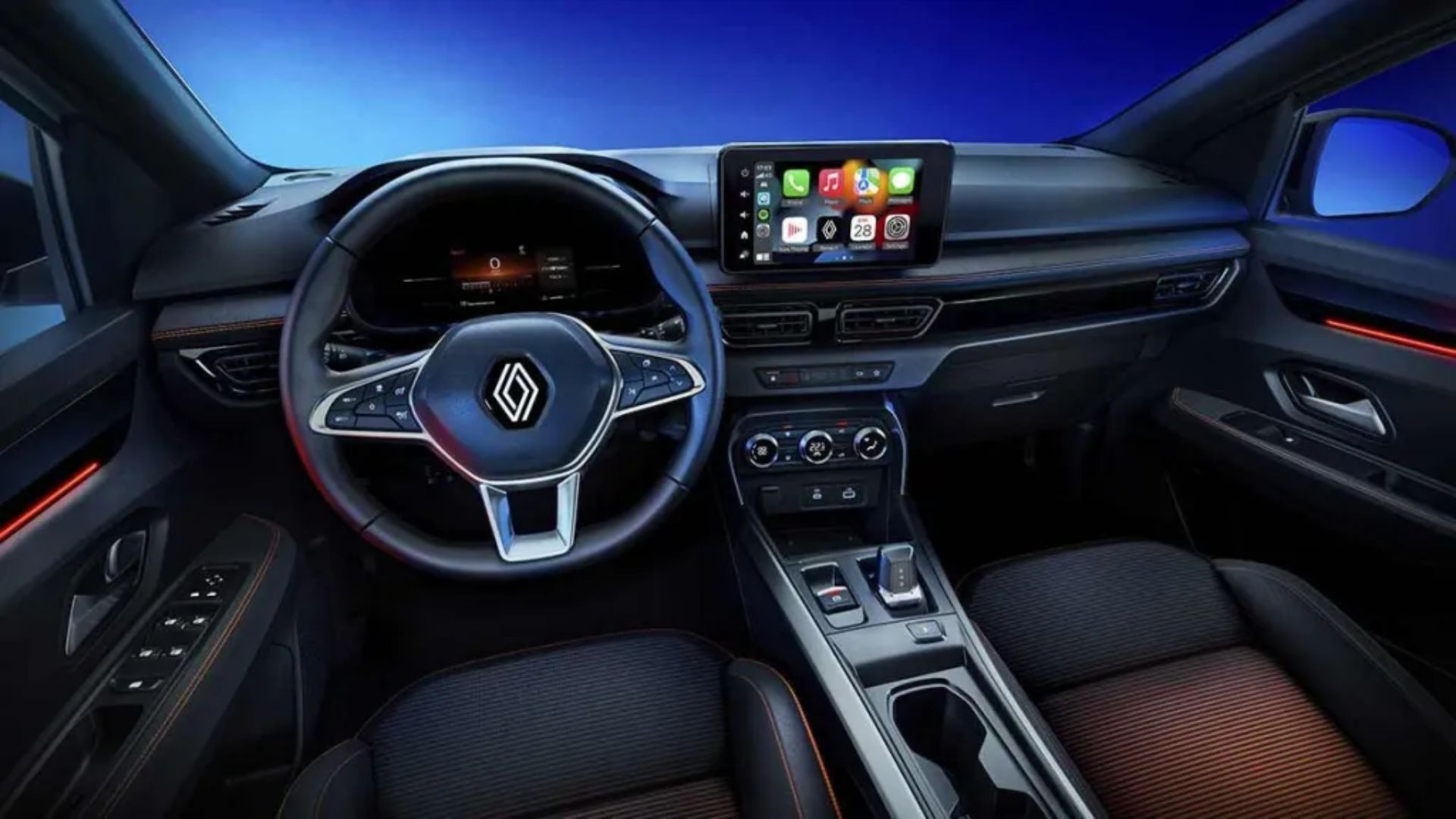
The Brazilian Model Achieved Maximum Score After New Round of Tests by Latin NCAP and Shared Space with the Volkswagen Taos, Which Also Renewed Its Maximum Rating.
The Renault Kardian has just become the first model from the brand produced in the region to receive five stars from Latin NCAP, a program that evaluates vehicle safety in Latin America and the Caribbean.
The compact SUV, manufactured in Brazil, was reevaluated after gaining autonomous emergency braking for vulnerable road users, the AEB-VRU, which now complements the 1.0 turbo engine with 125 hp, the consumption close to 14 km/l with gasoline on the highway, and the six airbags and electronic stability control.
In the same battery of tests, the Volkswagen Taos, produced in Mexico, maintained its performance history and obtained five stars again after undergoing a facelift and receiving technological updates.
-
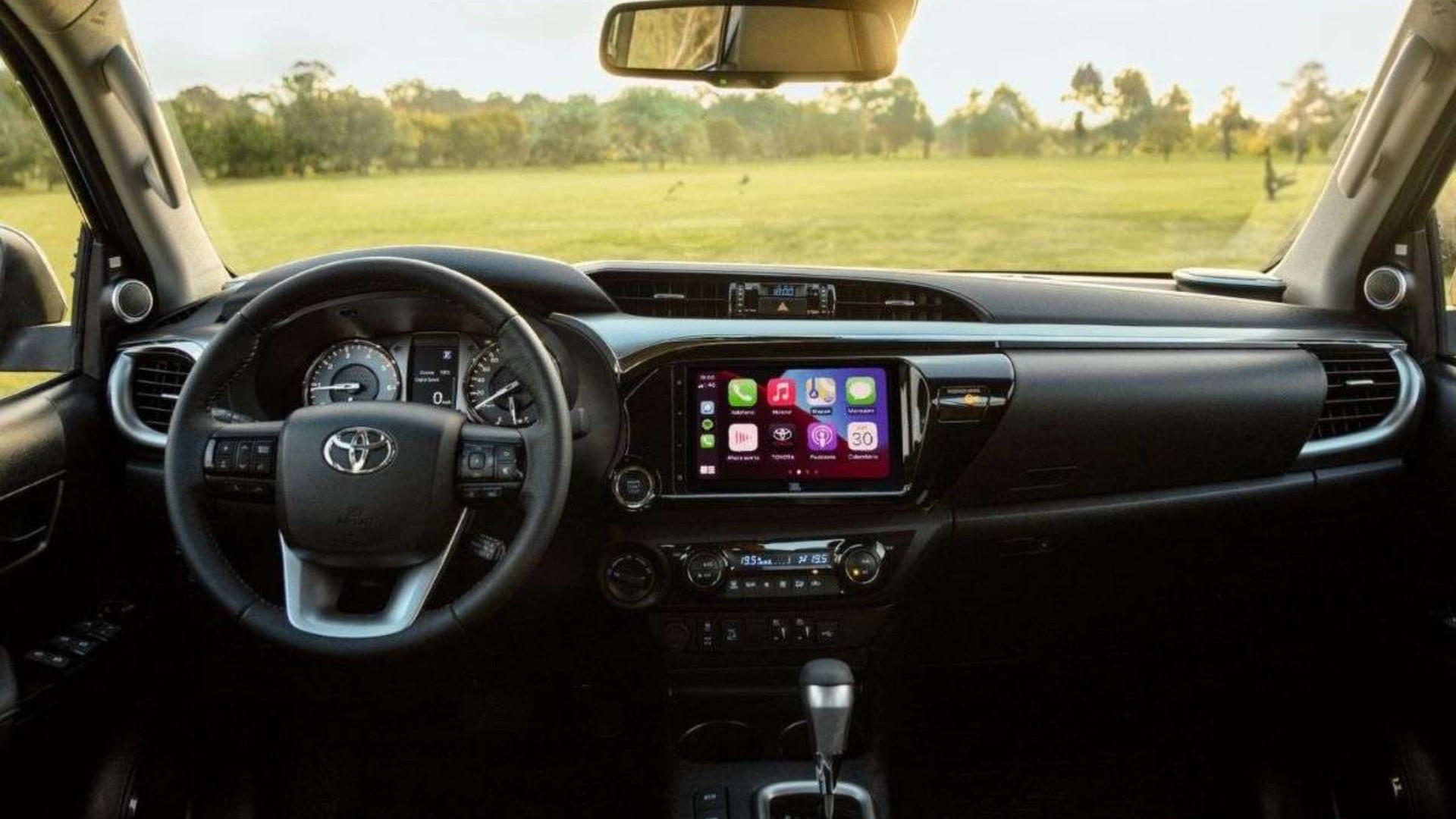
The Toyota Hilux is R$ 75.5 thousand cheaper and bets on the 2.8 turbodiesel engine with up to 204 hp and 50.9 kgfm to catch up with the VW Saveiro, which leads with 4,472 sales.
-
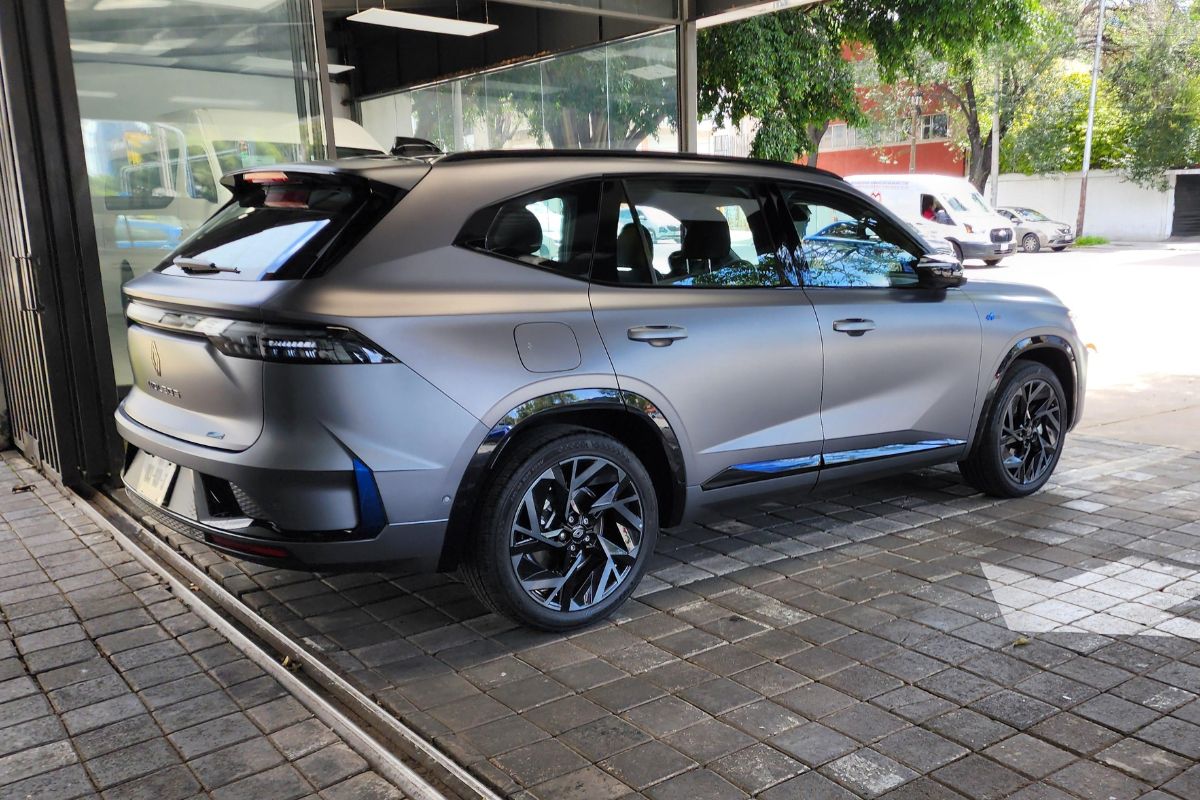
The new Renault Koleos has a screen exclusively for the passenger that is invisible to the driver, heated rear seats, and 29 assistance systems, but its Chinese competitors cost R$ 40,000 less and deliver more power.
-
The car stored for 38 years: when opening the barn door, what appears is breathtaking and looks like a scene from a movie!

-
Fiat works miracles in the Brazilian market, lowers the price of its 0 km hatch to R$ 69,990, reestablishes the model as the cheapest car in the country, and reignites the battle against Kwid and C3.

Renault Kardian Conquers Five Stars
The Kardian had been evaluated in 2024 and obtained four stars.
At that time, it already had six airbags and electronic stability control as standard equipment, but it did not yet offer AEB for pedestrians and cyclists.
With the arrival of autonomous braking for vulnerable users, offered as optional in part of the lineup, Renault voluntarily requested a new round of tests.

The complete package of active and passive safety ensured the model its first maximum score in the region.
According to Latin NCAP, the Kardian achieved 83.41% in adult protection, 82.92% in child protection, 72.96% for pedestrians and vulnerable users, and 83.78% in safety assist features.
These scores take into account frontal impact, side impact, pole impact, cervical assessment in rear collisions, pedestrian protection, and the functioning of technologies such as AEB.
The new result is valid for vehicles produced from August 14, 2025, starting with VIN 93YRJF000TJ403319.
Performance of the Kardian in Tests
In frontal impact tests, the structure was classified as stable, although the foot area was considered unstable.
The protection for the head and neck of the driver and passenger was rated as good.
The driver’s chest received a marginal rating, while the passenger’s was considered adequate.
In side impacts and the pole test, the performance was consistent due to the body and curtain side airbags offered as standard.
The protection for the head and other regions was adequate, with slight variations in the chest in more critical situations.

For child occupants, the Kardian used rear-facing car seats secured by ISOFIX anchors, following the recommended standards.
The setup performed well in both frontal and side impacts.
In pedestrian protection, the bodywork presented good to adequate protection areas for the head, although zones close to the windshield and A-pillars were considered weak.
The protection for the upper part of the legs varied from weak to poor, but the lower area showed good response.
The combination of structural performance with the specific AEB allowed the SUV to exceed 70% in this category.
The autonomous emergency braking system for vulnerable users was one of the best-rated points and received maximum scores in availability and functionality.
Taos Renews Five Stars
While Renault celebrated its first maximum score, the Volkswagen Taos returned to the lab to validate the updated package.
The midsize SUV had already received five stars in 2021 and became the first vehicle to repeat them twice under the same protocol.
The model now offers six airbags, electronic stability control, and autonomous emergency braking as standard.

The new scores show 90.69% in adult protection, 89.80% in child protection, 67.67% in pedestrian protection, and 92.15% in safety assist features.
In the frontal impact analysis, the structure was considered stable.
The protection for the head and neck of the driver and passenger was rated positively.
The driver’s chest received marginal protection, while the passenger’s was considered adequate.
In side impacts and the pole test, the Taos maintained high protection for the head, abdomen, and pelvis, with adequate ratings for the chest.
In addition to AEB, the vehicle features blind-spot monitoring, which achieved maximum scores in the assessed criteria.
However, the lane-keeping assist was not scored as it was not activated from the factory.
The current result applies to units produced since October 28, 2024, starting with VIN 3VV9P6B26SM000641.







-

-

-

-

-

-

13 pessoas reagiram a isso.