





 Portuguese
  English
  Spanish
  5 min of reading
  1 comment


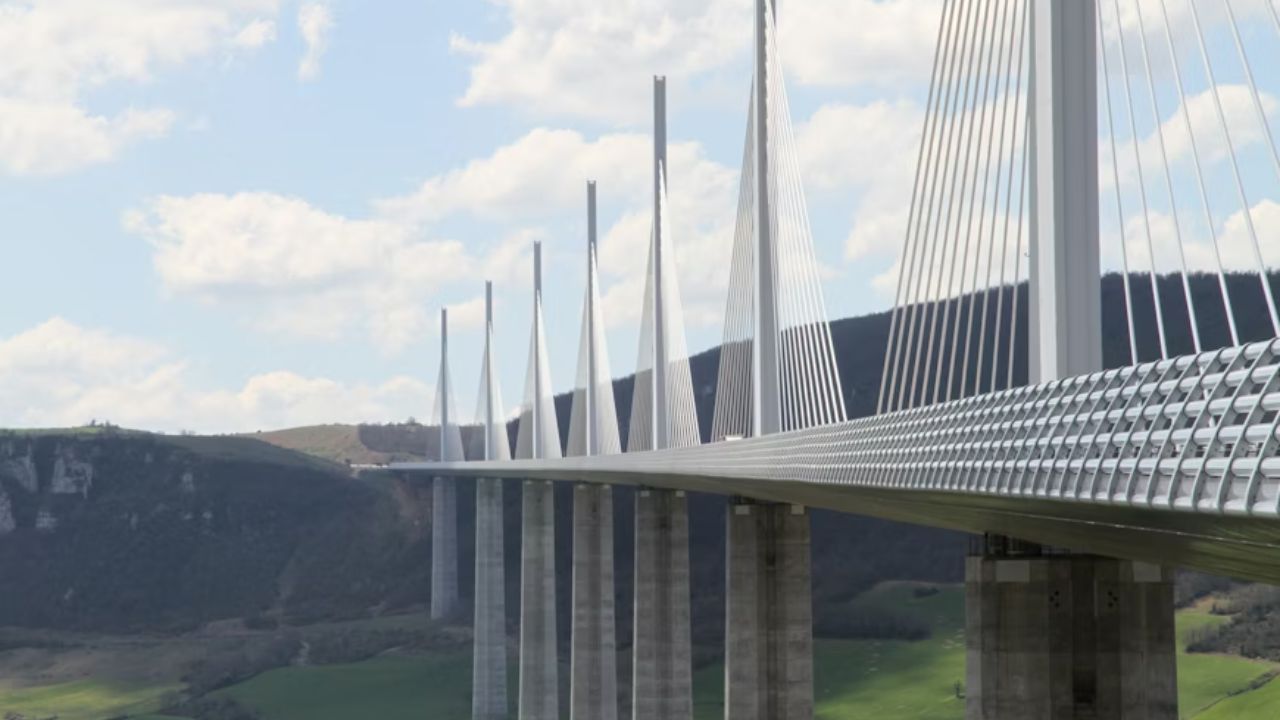


Futuristic Design And €394 Million Investment Transformed The Crossing Of The Tarn River Valley In France, Eliminating Chronic Congestion And Establishing A New Global Height Record In Civil Engineering. The Project Was Designed To Withstand Winds Of Up To 250 Km/h.
The Millau Viaduct, in the southwest of France, is much more than a bridge: it is an engineering monument that redefined the standards of global mega-infrastructure. With a design that required a billion-dollar structure, it spans 2,460 meters over the Tarn River Valley and was conceived to solve one of Europe’s biggest logistics bottlenecks on the route connecting Paris to the Mediterranean. The highlight of the structure is its tallest pillar, P2, which reaches 343 meters in height above the riverbed, surpassing the Eiffel Tower and becoming the world’s tallest bridge pillar, as reported by the Portal of Engineering and Technical News.
This imposing billion-dollar structure is not just an aesthetic feat but a pragmatic solution to chronic traffic issues. The project’s cost was around €394 million (approximately £351 million at the time), as confirmed by the Official Infrastructure Registry, but the speed of its financial return was surprising. The investment was recouped by the operator in the first summer of operation, demonstrating the strategic value and urgency of efficient connectivity on the A75 motorway, which links the north and south of the continent.
The Logistical Imperative: Why The Billion-Dollar Solution Became Necessary?


The main motivation for building the Millau Viaduct was the unsustainable congestion on the A75 motorway. Before its inauguration, traffic was forced to descend into the valley to cross the Tarn River near the town of Millau, causing significant delays, especially during peak summer vacation times. This disruption compromised the efficiency of transport between Northern Europe and the Mediterranean coast, including Spain.
-
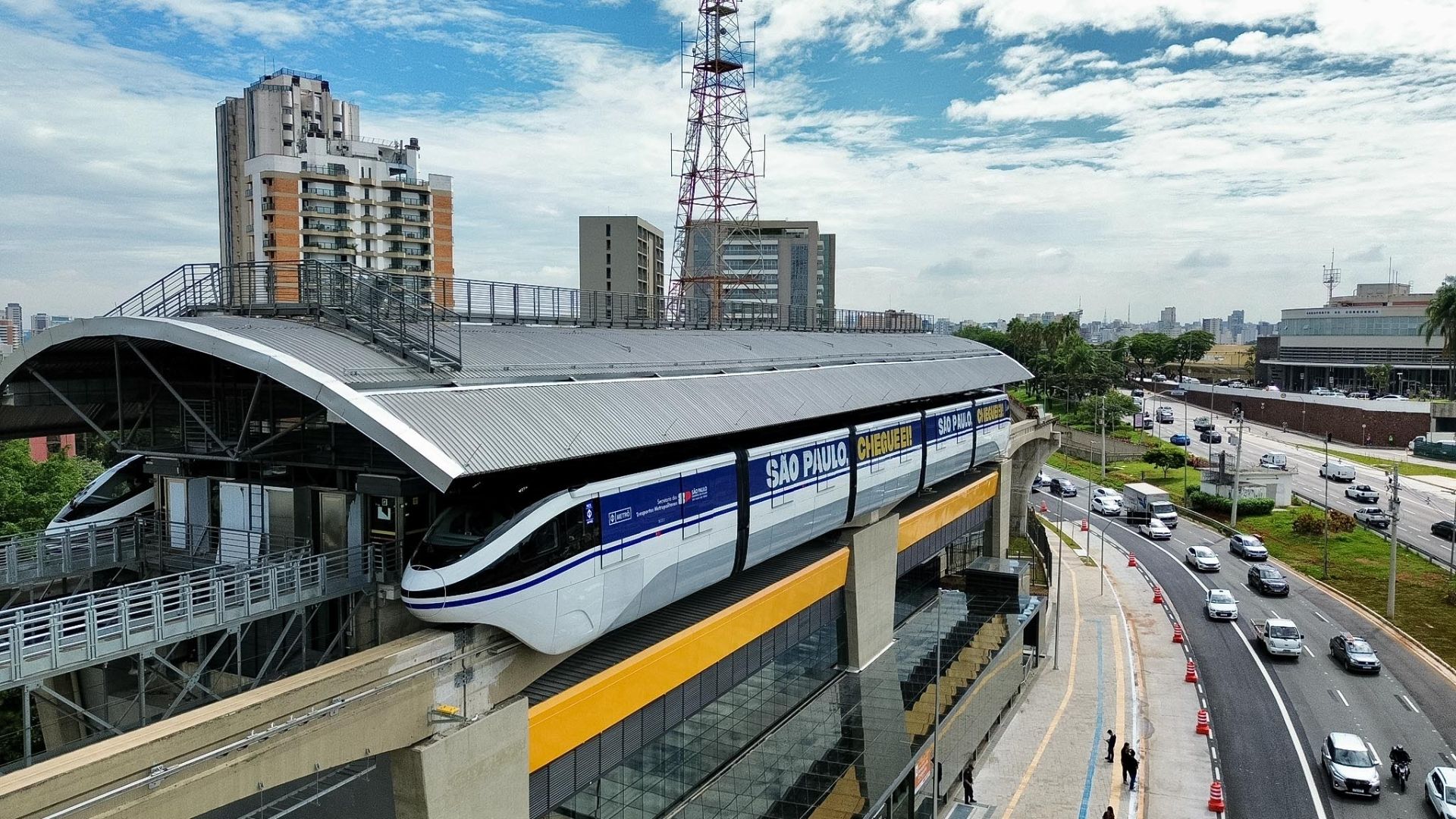
Congonhas receives the monorail promised for the 2014 World Cup after more than a decade of delays and becomes the first airport in Brazil with integrated subway.
-
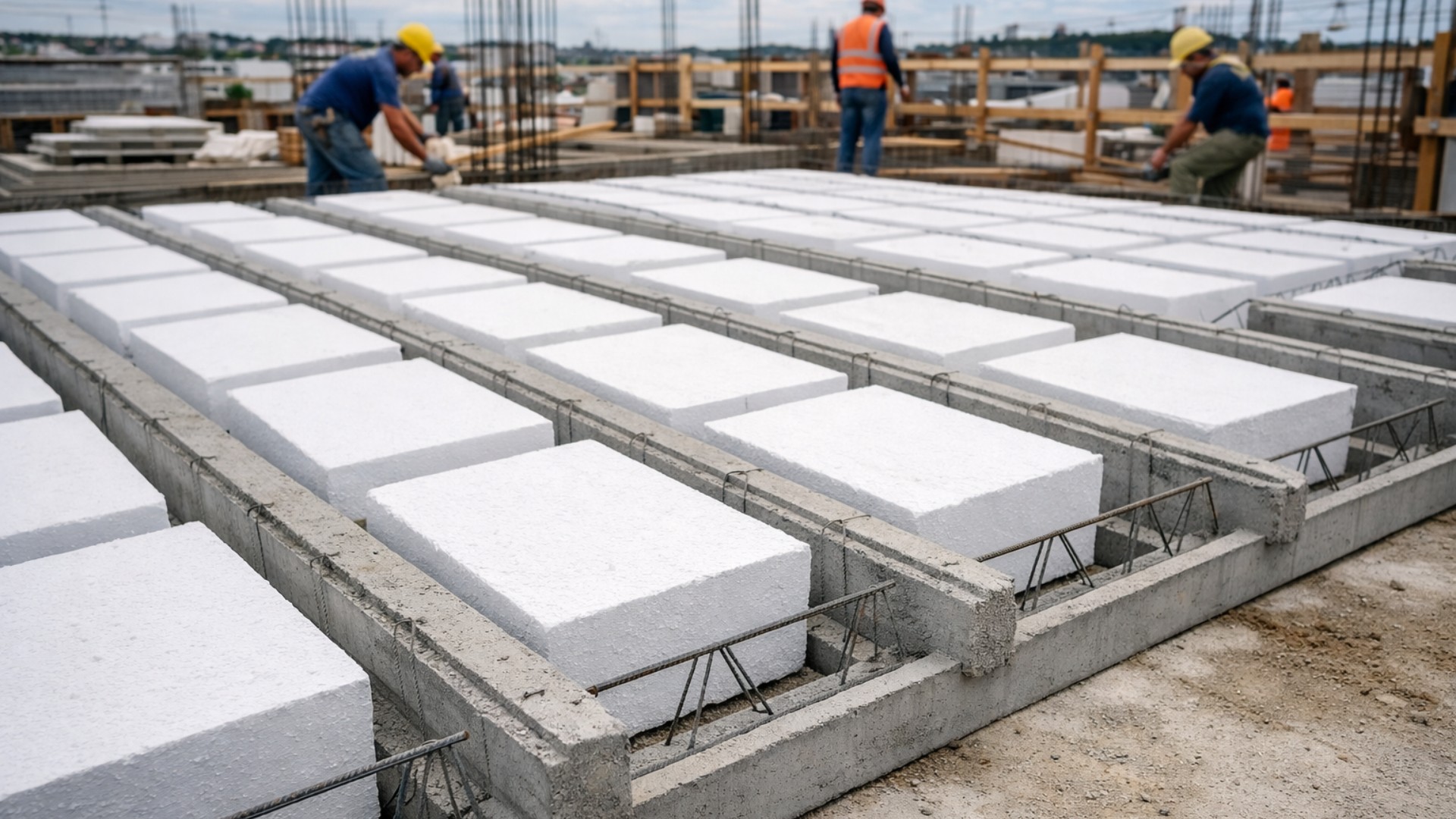
Goodbye, concrete: a new trend in civil construction reduces the weight of the structure by up to 30%, accelerates projects by up to 40%, cuts costs on steel and labor, and improves thermal insulation with EPS.
-
Russian engineers create an innovative propeller blade for aircraft that could completely change the way airplanes and helicopters operate.

-
Couple finishes building PVC chalet on the beach on the last day, with air conditioning and curtains, but discovers the bathroom drain is inverted: water escapes from the drain, risking breaking the floor, and the rush continues before the trip.

The design of the viaduct eliminated this detour, allowing the A75 to cross the valley at its highest point, 270 meters above the Tarn River. Thus, the project not only solved the bottleneck problem but also shortened the route by over 100 kilometers, drastically reducing travel time. This strategic decision, resulting in a billion-dollar structure, consolidated France as a continental transport hub and validated the high valuation of reducing operational costs (time and fuel) for long-distance traffic.
The Duel Of Giants: Engineering And World Record Architecture
The aesthetic and structural success of the Millau Viaduct is the result of collaboration between British architect Sir Norman Foster and French engineer Michel Virlogeux. While Foster sought a futuristic vision of transparency and lightness, inspired by the Eiffel Tower itself, Virlogeux translated this aesthetic into a functionally safe structure.
The most notable record of the project lies in the height of its tallest pillar, P2, which reaches 343 meters in height above the riverbed, making it the tallest in the world, according to the Technical Report on the Millau Viaduct. The roadway is situated 270 meters high, establishing the viaduct for vehicles as the tallest in the world. Beyond its dimensions, the project was designed to withstand extreme environmental challenges. The Portal of Engineering and Technical News highlights that the bridge was designed to withstand winds of up to 250 km/h, a crucial fact given its location in a valley subject to strong air currents.
The Structural Secret: State-Of-The-Art Materials And Precision Engineering
To achieve the desired visual slenderness while simultaneously supporting the massive loads associated with the world record height, the design relied on cutting-edge materials and techniques. The structure comprises seven permanent reinforced concrete pillars that support a continuous deck made of steel, weighing 36,000 tons.
- The High-Performance Concrete (HPC) was essential for handling the high compressive stresses at the base and ensuring the structure’s durability.
- The choice of the metal deck (structural steel) minimized the permanent load on the slender pillars and facilitated construction logistics, allowing the use of incremental launching techniques.
This combination of materials and rigorous structural analysis ensures the longevity of the work for at least 120 years. The project was constructed in a record time of three years, being inaugurated in December 2004, according to the Official Infrastructure Registry. This speed was made possible by the strategy of prefabricating most of the steel components off-site and the precision of the concrete work on the pillars, monitored by altimetric checks made by GPS that ensured dimensional accuracy within just 5 mm.
Construction Engineering: The Incremental Launching Maneuver
The most complex phase of construction was the installation of the metal deck over the valley, which involved the technique of Incremental Launching. The 2,460-meter deck was assembled in segments at the valley ends and then pushed horizontally over the permanent and temporary pillars by hydraulic jacks, guided by GPS.
The Portal of Engineering and Technical News and the Technical Report on the Millau Viaduct detail that, to overcome the large spans, seven auxiliary (temporary) metal pillars were installed, reaching a maximum height of 173 meters. These temporary structures were crucial to reduce the effective launch spacing and mitigate transverse forces on the deck. The guying of the launch front and continuous monitoring via GPS (with an accuracy of 5 mm) ensured stability and safety during each step of the deck’s sliding, demonstrating the robustness of the engineering applied to this billion-dollar structure.
A Legacy That Redefines The Global Bridge Paradigm
The Millau Viaduct transcended its functional purpose to establish itself as an icon of civil engineering, recognized with the prestigious IABSE Outstanding Structure Award in 2006. The work not only solved a critical congestion point on the North-South route of Europe but also demonstrated the viability of building large-scale art structures in record time, through the rigorous application of material science (HPC) and innovative construction methods (GPS-monitored incremental launching).
The billion-dollar structure is a testament to technical excellence and proves that infrastructure can be both a high-return economic asset and a work of art that elegantly integrates into the landscape.
Do you think infrastructure projects of such magnitude and investment are worth the cost, even in times of crisis? Where do you believe this technology could be best applied in Brazil or your country? Leave your opinion in the comments, we want to start a technical and constructive debate with those who truly understand the subject.








O Brasil é um país voltado para exportação e as suas fronteiras internas com outros países são exíguos. Hoje com a exploração da margem equatorial do petróleo essa região montanhosa vai precisar muita ligação com pontes. As cidades no Brasil estão usando muitos viadutos em concreto pre moldados sem nenhuma preocupação com a paisagem como foi o caso em Millau. Região que conheço muito e estive la em 2003 quando vi os pilares imensos.