





 Portuguese
  English
  Spanish
  3 min of reading
  0 comments


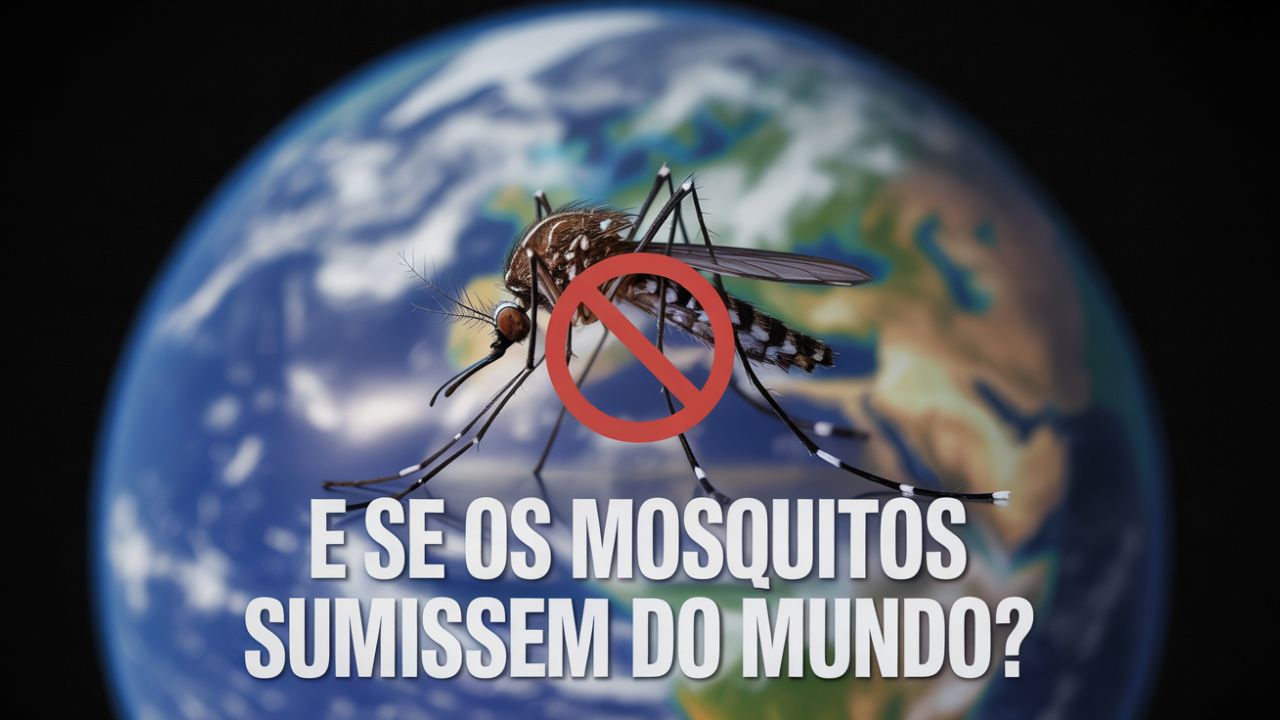
Many Dream Of The Disappearance Of Mosquitoes, But Would The World Really Be Better Off Without Them? Understand The Ecological Impacts And The Difficulties Of Extinction.
Have you ever imagined a world without mosquitoes? This idea may seem tempting, especially due to the diseases they transmit and the constant annoyance they cause.
However, if these insects were to disappear suddenly, nature could face unexpected consequences. Mosquitoes fulfill important ecological functions, and their complete absence would affect other living beings.
After all, with over 3,500 known species and estimates of around 110 billion mosquitoes alive today, eliminating them would not be simple — nor necessarily positive.
-
Brazil’s nuclear submarine with a speed 5 times greater than normal advances after nearly 50 years and R$ 40 billion spent.

-
A Brazilian island charges R$ 0.50 to receive visitors and prohibits any new residents.

-
Why was the Great Wall of China built? The truth that many are unaware of!

-
At 73.8 meters tall, the world’s tallest teapot-shaped building has 15 floors, ensures stability, and impresses with an internal space of 28,000 cubic meters.


Mosquitoes Also Have An Ecological Role
Despite their villainous reputation, mosquitoes are part of the environmental balance. They act as pollinators — a role generally attributed to bees — and help maintain various food chains.
Additionally, they serve as food for animals such as frogs, bats, and some birds.
Although these predators do not exclusively feed on mosquitoes, their scarcity could create imbalances, especially in already fragile ecosystems.
Of course, from a human perspective, extinction seems like a solution to serious issues like malaria, dengue, yellow fever, and chikungunya. But the scenario is more complex.
Eliminating All Mosquitoes Would Be Nearly Impossible
Even if we wanted to, getting rid of all mosquitoes in the world would be a huge challenge.
These insects have short life cycles, ranging from four days to a month, allowing for rapid reproduction.
Each female can lay up to 250 eggs at a time, and the larvae hatch in less than 48 hours.
Stagnant water, such as in old tires, gutters, and air conditioning trays, is the ideal environment for this.
Therefore, merely eliminating breeding sites is not enough to stop this chain. A broader and more innovative plan is necessary.
Genetic Control May Be A Solution In The Future
One of the most promising strategies to control mosquito populations is the release of genetically modified sterile males into the environment.
These males mate with females but do not produce viable offspring. Over time, this could drastically reduce the local population.
Other curious alternatives have already been studied, such as the use of bats, which can consume up to 1,200 mosquitoes in a single hour.
The effectiveness is impressive, but not everyone would want to live surrounded by these animals.
Annoying, But Part Of Nature
Although considered pests by much of the population, mosquitoes are part of the web of life.
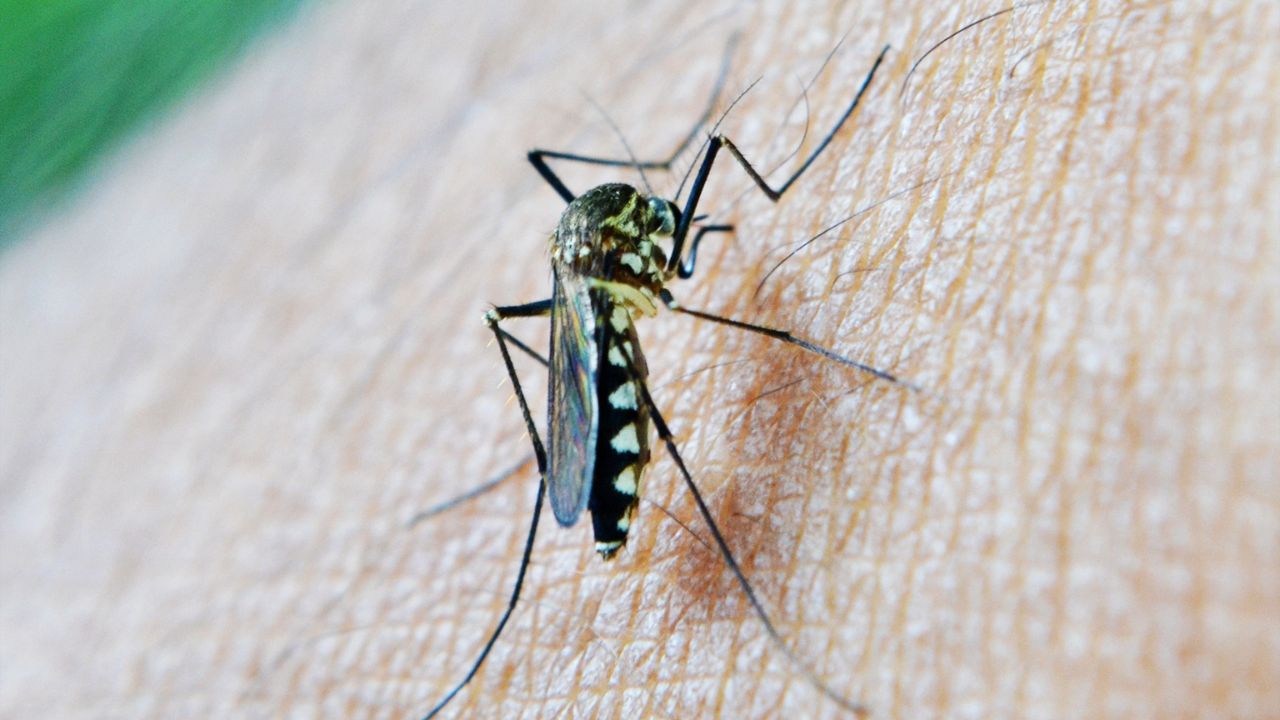
Their role as pollinators and a food source helps maintain ecological balance in various regions.
Therefore, before wishing for their complete disappearance, it is worth reflecting on how nature is interconnected and relies on each species — even the less beloved ones.
In the meantime, science continues to seek alternatives to reduce the presence of these insects without causing irreversible environmental damage.
Sources: Grunge, the Forest Preserve District County, and Purdue University.








Seja o primeiro a reagir!