





 Portuguese
  English
  Spanish
 4 min of reading


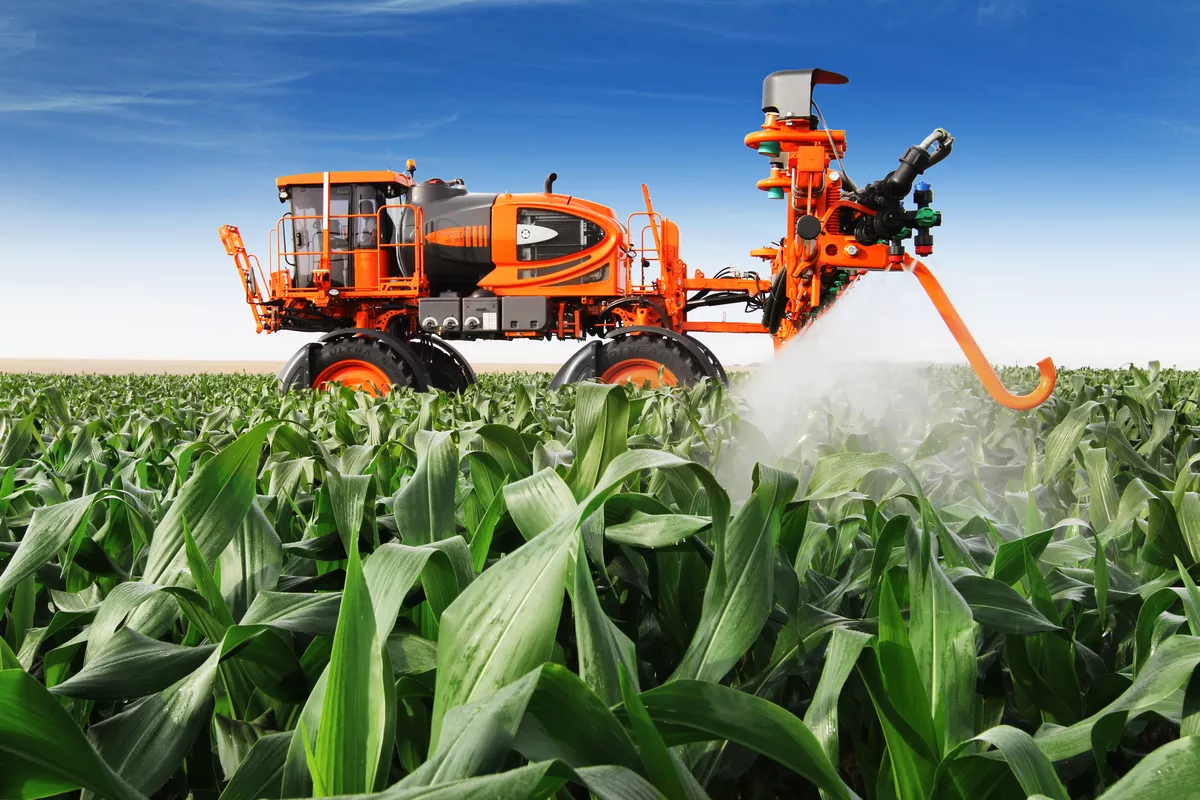
The Primary Sector, Highlighting Agriculture and Extractive Activities, Has Proven in Recent Years to Be the Driving Force of the Economy in Santa Catarina.
The figures for the performance of agriculture and agribusiness in Santa Catarina are impressive, resulting from the efforts of rural producers, agro-industries, research centers, representative entities, and public administration. The contribution of the sector to the economy is reflected in the behavior of the Gross Agricultural Production Value (GAPV) and in the exports of the state’s agribusiness.
The GAPV for Santa Catarina in 2021 reached 55.8 billion reais – the highest historical value – nominally surpassing the previous record (40.9 billion reais) obtained in 2020 by 36.4%, according to data collected by Instituto Cepa. The production of pigs, chickens, milk, and cattle accounted for 56.7% of the Gross Added Value (GAV) of the state in 2021.
The exports of the agribusiness in Santa Catarina also reached a record of 6.9 billion dollars for the year, representing a 21% increase compared to the previous year. It is noteworthy that agribusiness accounts for 70% of the total value of exports and 31% of the Gross Domestic Product (GDP) of Santa Catarina.
-
Unemployment rises again to 5.8% at the beginning of 2026, raising alarms about the end of temporary positions and its impact on the Brazilian job market.

-
Document organization can cut invisible costs in small businesses, a simple step that prevents waste, rework, and losses in daily operations.

-
While Russia dominates the global wheat market, Brazil emerges as an unexpected competitor in the Cerrado, offering grain available in July and August when stocks in the Northern Hemisphere are at their lowest point of the year.

-
China returned almost 20 Brazilian ships with soybeans, but now everything could change: the country that buys 80% of the grain is considering relaxing regulations after impurities held up shipments of thousands of tons and caused million-dollar losses.
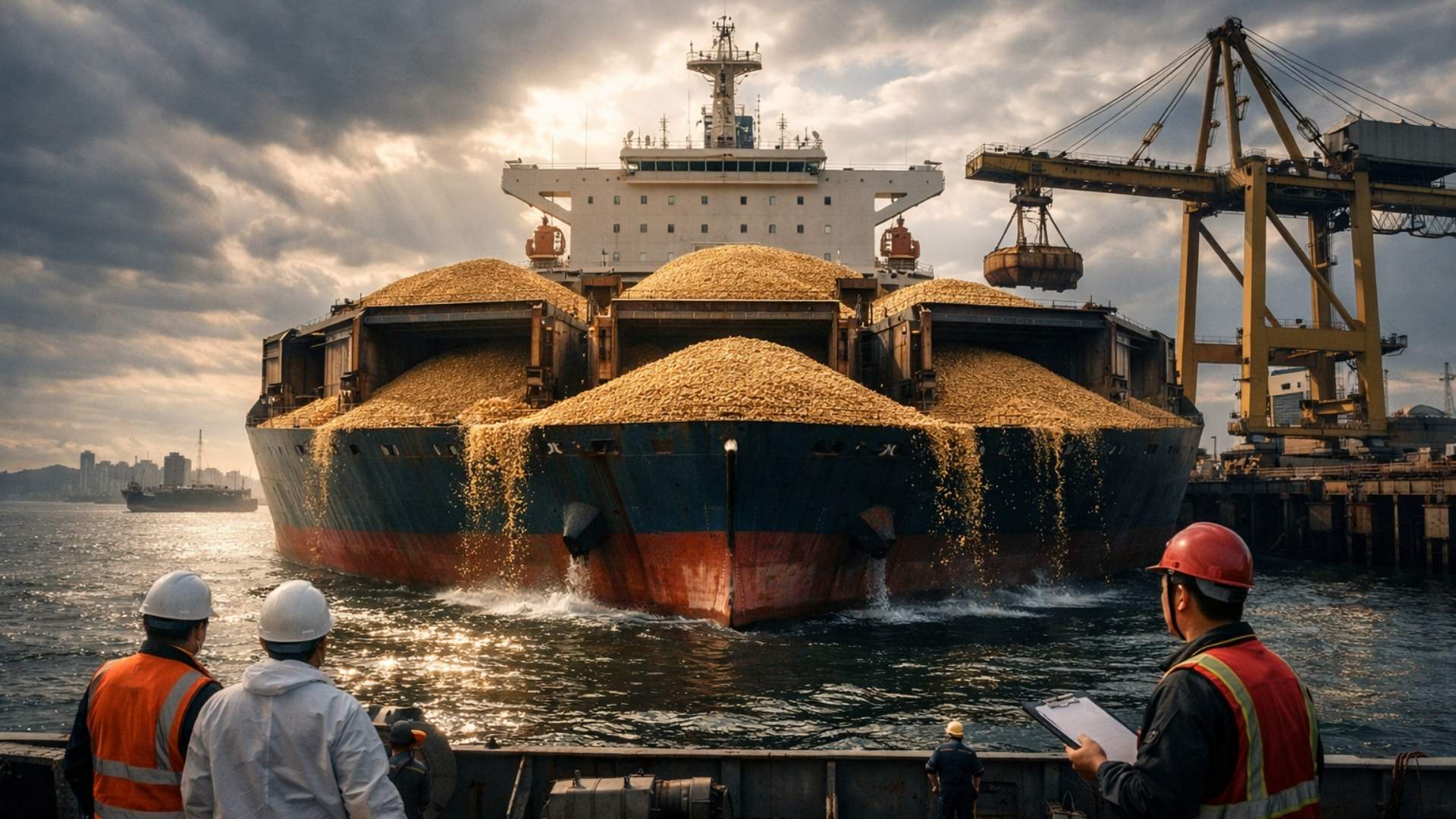

The Agroindustry, the main segment of the Barriga-Verde Agribusiness, is responsible for 60,000 direct jobs and 480,000 indirect jobs. In addition, it has a productive base formed by 66,000 integrated rural producers. The rural producer is the main economic agent of the rural sector, as they are the foundation of all productive chains. They are particularly dedicated to agricultural and livestock activities and have transformed into rural entrepreneurs, putting into practice the economic principle that says original wealth comes from the land.
In the context of productive chains, industrial pig farming has gained international recognition. With an annual production of 9 million heads and daily slaughters of 34,000 pigs, it is the largest producer and exporter in Brazil, with 57% of the Brazilian exports shipped from Santa Catarina.
Industrial Poultry Farming is a highly productive sector, with an annual production exceeding 1 billion birds and 4 million heads being slaughtered daily. With this elevated level of production, the state has become the second-largest producer of poultry meat in Brazil and the leading exporter, accounting for 28% of Brazil’s exports.
These advancements are largely the result of intense and continuous investments from agro-industries, cooperatives, and the National Rural Learning Service (Senar). As a result, it has been possible to expand knowledge, incorporate technology, improve processes, and increase productivity and production. Training, qualification, and requalification have gone beyond mere rural professional training. Due to these measures, rural producers have become entrepreneurs, and rural properties have turned into businesses ready to face market challenges.
Secretary of Agriculture Valdir Colatto Discusses Plans for Agriculture in Santa Catarina
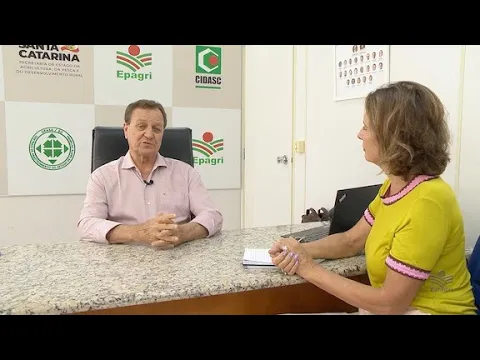

Open-Air Industry Faces Daily Challenges Such as Weather Events, Sanitary Threats, Market Crises, International Conflicts, Input Shortages, Exchange Rate Shocks, and Political Instabilities.
To overcome these obstacles, training is essential for the development of skills and knowledge necessary to handle such situations. Furthermore, information and adequate training are crucial for achieving success amid the daily adversities.
The role of the Santa Catarina producer in the environmental dimension has been recognized as a protector of natural resources. The protection of these resources and their rational and sustainable use are essential to ensure the continuity of the activity. The farmer of today has left behind predatory methods, becoming a manager of productive factors oriented towards results, but also responsible.
The rural sector makes an extraordinary contribution to the development of the municipalities and communities in which it operates. The economic movement of a municipality is directly influenced by rural invoices issued from the sale of production derived from the fields, crops, and livestock. In many Santa Catarina municipalities, the rural sector accounts for the majority of the annual revenue of the public treasury. For example, a poultry farm generates more ICMS returns than a small urban business.
In stable and evolved agriculture, as practiced in Santa Catarina, deforestation, river pollution, and soil degradation are issues that have been overcome. Thanks to the assistance of the government’s rural extension service and agro-industries, as well as ongoing training efforts by the S System (Senar, Sescoop, and Sebrae), a generation of producer-entrepreneurs is emerging, prepared for new times.
It is undeniable that the modernization and improvement of the agro-industrial sector in Santa Catarina have resulted from collaboration between producers and agro-industries, aimed at meeting the strict demands of the international market.
Brazil has managed to gain prestige worldwide for the quality of its products, as well as for complying with environmental requirements, animal welfare, combating child labor, and degrading working conditions, all of which are required by international treaties signed by the country.









Seja o primeiro a reagir!