Portuguese
  Spanish


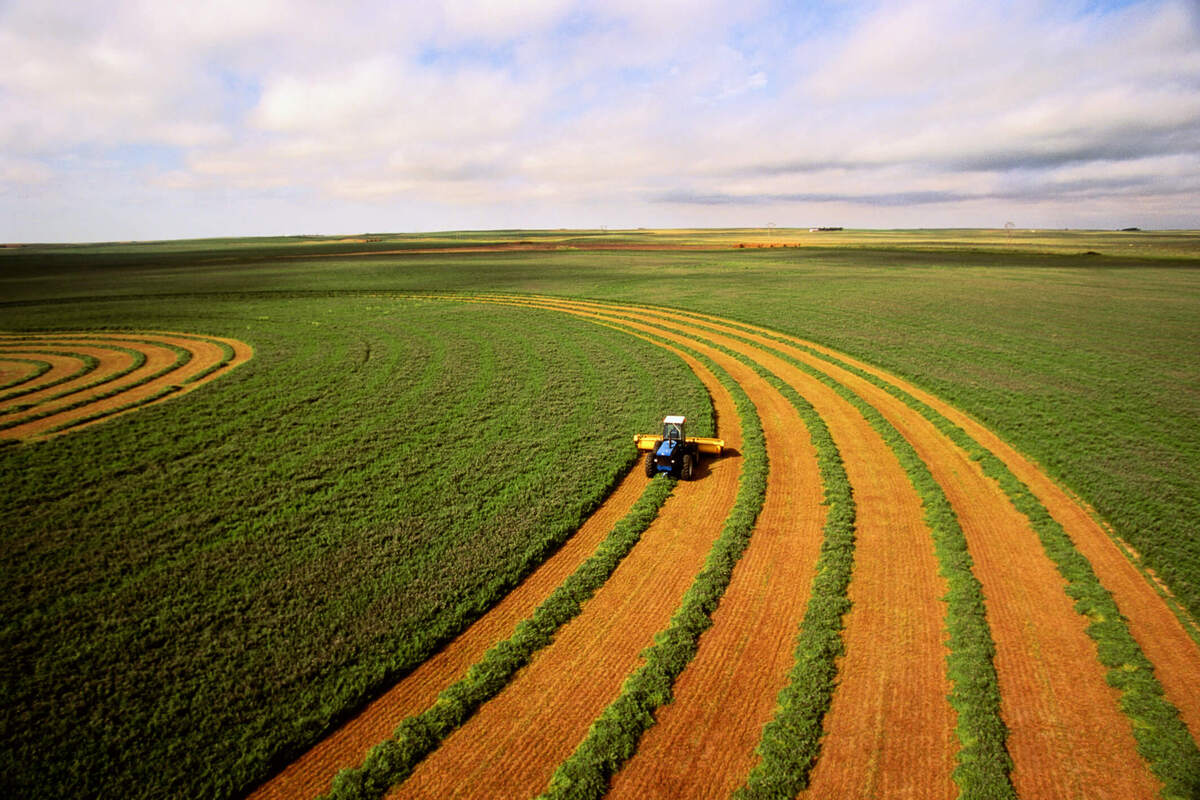

The Brazilian Agroindustry Is Still Going Through a Moment, After the Beginning of 2022 With Not Promising Prospects in Agribusiness, We Will Start 2023 With a Slightly Better Situation.
This analysis is by the researcher from the Center for Agribusiness at FGV – Fundação Getúlio Vargas, Felippe Serigati, who, in light of the scenario indicated by this Agroindustrial Production Index (PIMAgro), is a study conducted by this institution to measure the short-term evolution in the volume of physical production of the agroindustry.
This Coordinator of the Professional Master’s in Agribusiness (MPAgro) at the School of Economics of São Paulo at FGV, Serigati estimated that agroindustrial production will grow by about 2% this year, even considering the latest survey indicating an evolution of about 0.7% until mid-August.
“The Brazilian economy reacted in the second half with structural factors, such as the decline in the spread of the Covid-19 virus and the opening of the economy, allowing people to move freely, which boosted the services sector that truly generates jobs in the country,” he analyzes.
-
Half of Brazilians Prefer Lower Taxes with Private Health and Education, While 44% Opt for Higher Taxes for State-Provided Services, Datafolha Survey Reveals

-
Brazil’s Most Expensive Toll Rises to R$ 40.60 on Route from São Paulo to the Coast, Nearly Matching Bus Fare to Santos

-
At 35, Lawyer Leaves Corporate Career to Turn 1-Hectare Farm into Organic Supplier for Schools in Southern Brazil
-
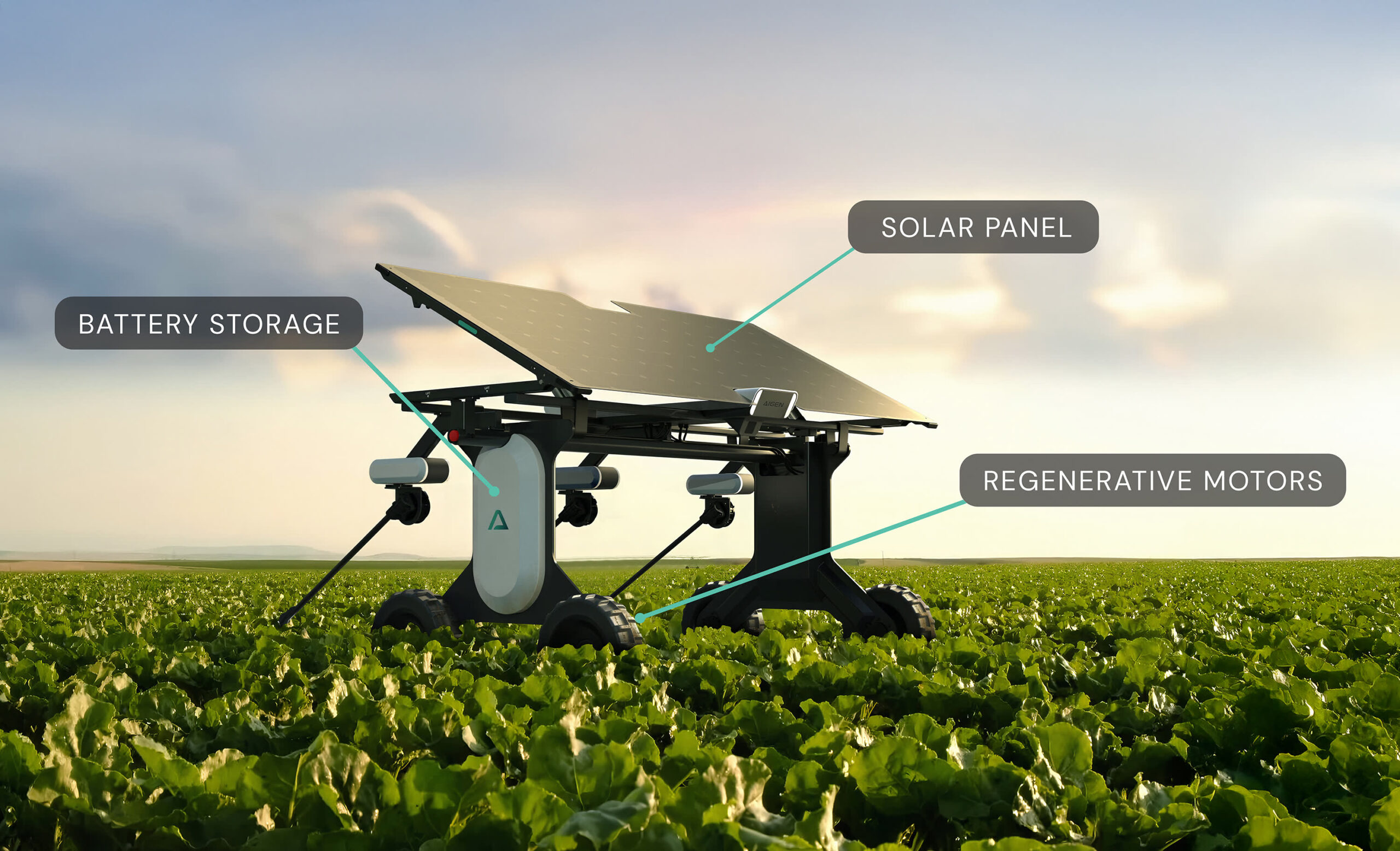
Solar-powered agricultural robots operate 24/7, remove weeds with 8mm precision, and aim to cut herbicide use without fuel consumption in the fields.




“Combined with conjunctural factors, such as the increase in the Brazil Social Assistance, tax reductions on fuels, and aid to certain categories, like truck drivers, this provided an income gain that reflected the increased demand for agroindustrial products,” concluded Serigati.
According to the FGV Agro study, food producers and beverages were the main focuses of ANUEFOOD Brazil – 4th Exclusive International Fair for the Food and Beverage Sectors, which takes place from April 11 to 13, 2023, in São Paulo, and will still experience growth of over 2.5%. Serigati explains that for this forecast to truly happen, growth in this segment will have to be even stronger in the last quarter of the year.
“An evolution of more than 6% compared to the last three months of last year will be necessary for the entire agroindustry, while for food and beverage products, this index should increase by about 5%. Since the fourth quarter of 2021 was very weak for this sector, these growth rates, although significant, are still reasonable,” he calculated.
The PIM Agro is still generated from some data from the Monthly Industrial Survey (PIM-PF) and the Brazilian Institute of Geography and Statistics (IBGE).
Interview: Carlos Fávaro, Minister of Agriculture