






 Portuguese
  Spanish
  5 min of reading
  2 comments


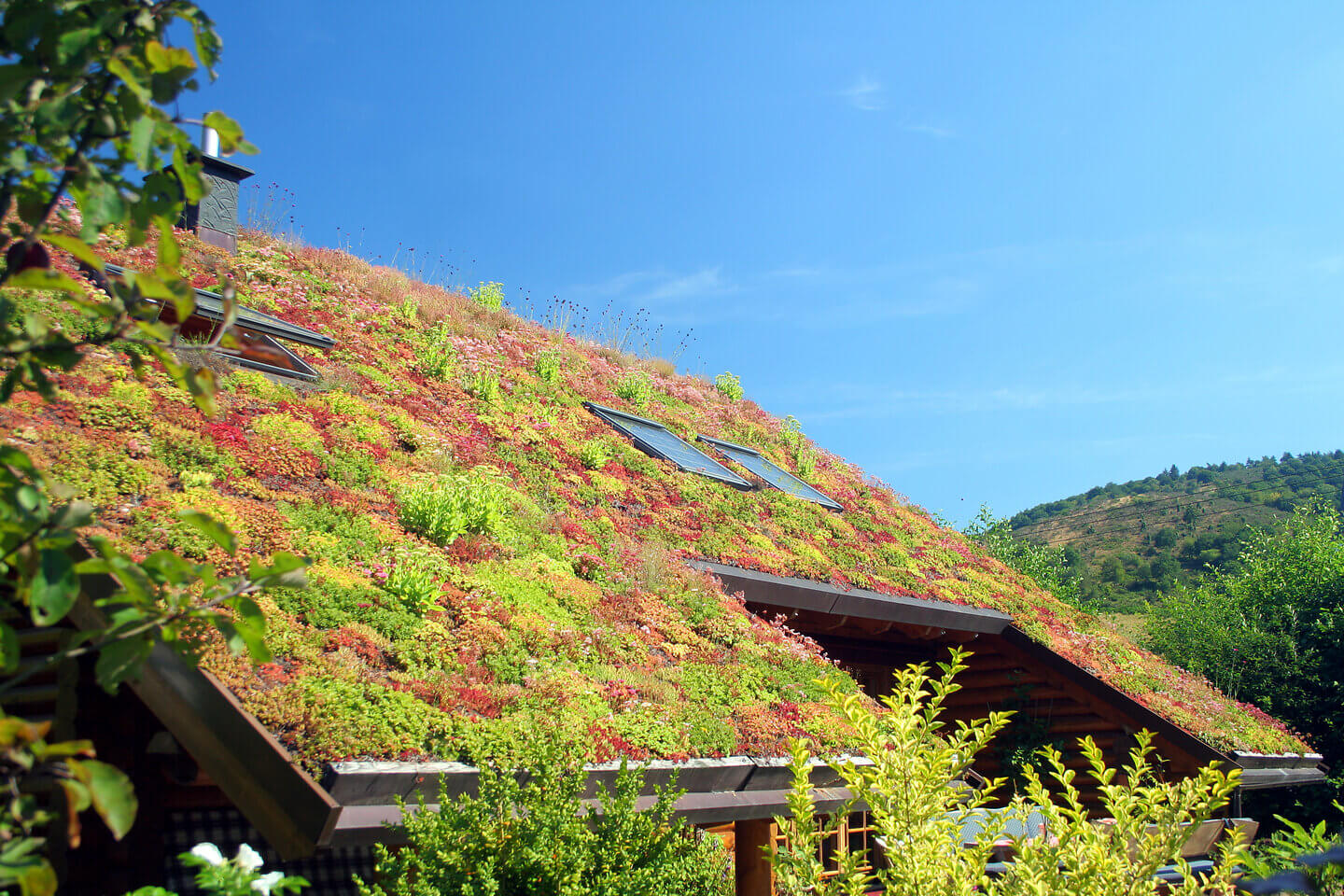


With Over 100 Million m² of Green Roofs Installed, Germany Uses the Bundesweiter Dachbegrünung Program to Reduce Urban Heat, Manage Stormwater, and Make Cities More Resilient to Climate.
The adoption of green roofs in Germany is not a passing trend nor an isolated phenomenon in some cities. According to the latest market report for the sector, the total area of green roofs in the country has accumulated approximately between 100 and 120 million m² over the years, a volume that places Germany among the global leaders in green building coverage.
Reports such as the “BuGG Market Report — Green Building Market Report 2024” published by the Bundesverband GebäudeGrün e.V. (BuGG) — the main German association that gathers technical data, public policies, and market statistics, show that, just in 2023, more than 10.1 million m² of new green roofs were added in the country.
This significant adoption does not happen by chance: it is part of a series of nationwide coordinated initiatives and public policies, grouped under a set of programs and incentives that include the Bundesweiter Dachbegrünung Program, federal, state, and municipal initiatives that promote the installation of green infrastructure on the rooftops of residential, commercial, and public buildings.
-
India assembles two giant tunnel boring machines weighing over 3,000 tons to dig the country’s first underwater railway tunnel, with 7 km under Thane Creek and high-speed train tracks running up to 114 meters deep.

-
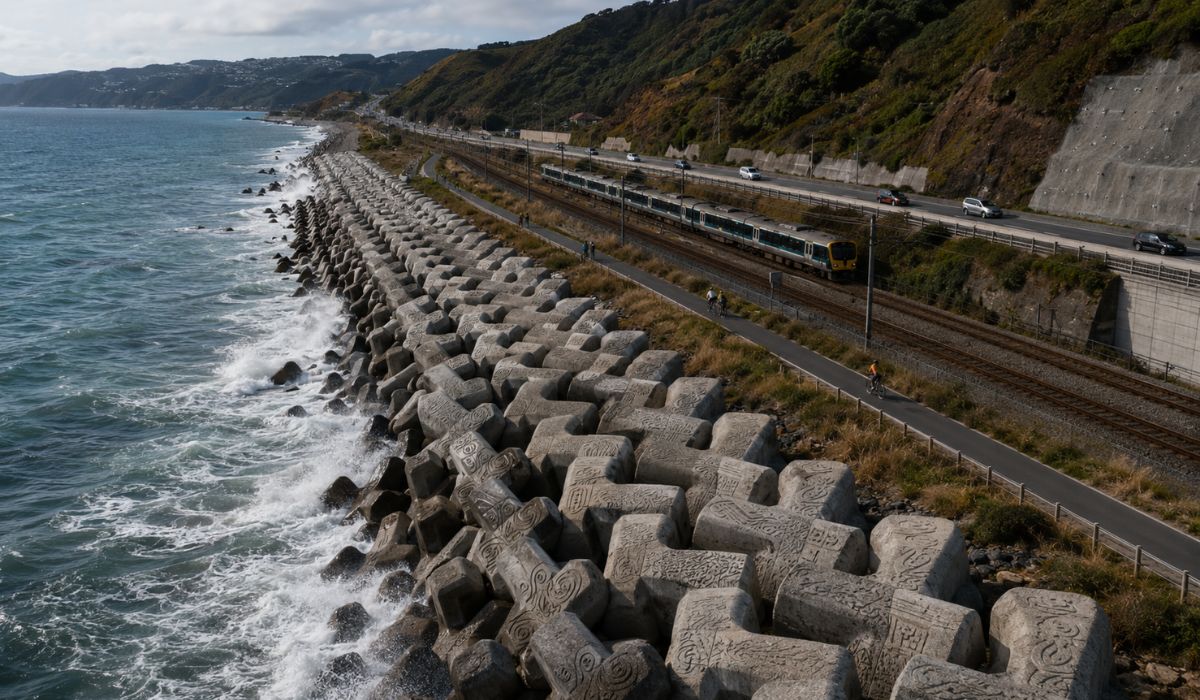
New Zealand aligns nearly 7,000 X-shaped concrete blocks like puzzle pieces to protect railway, highway, and cycle path against waves, erosion, and earthquakes on one of Wellington’s most sensitive coasts.
-
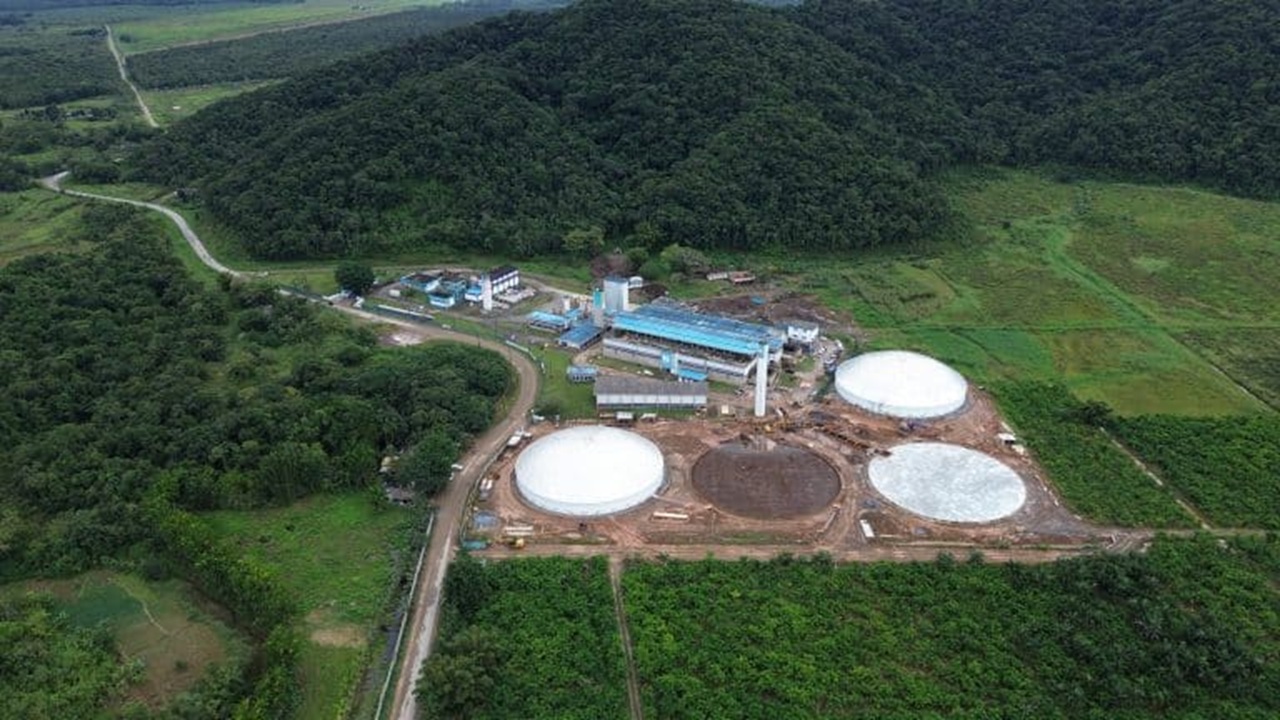
Baixada Santista receives water reservoirs worth R$ 84.6 million in Itanhaém with 20 million liters to reinforce the supply for 1.2 million residents in five cities.

-
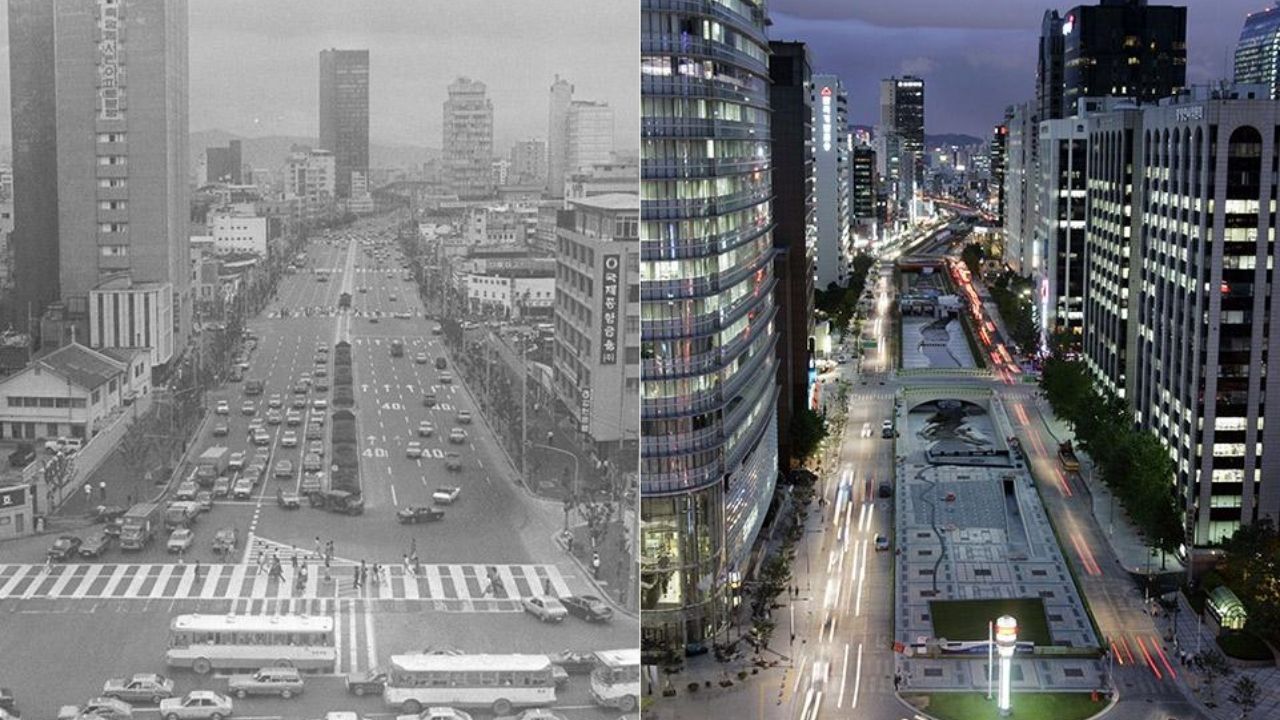
A river buried under a highway became an urban park in Seoul after a multimillion-dollar project at Cheonggyecheon, attracting 64,000 visitors per day, increasing biodiversity by 639%, and showing why cities are replacing concrete with water and green areas.

How Green Roofs Work in Practice
A green roof combines vegetation, technical substrates, and drainage systems integrated into the slab. When well designed, it forms a biological layer over the building’s roof with multiple functions:
- Urban Temperature Reduction: the evapotranspiration of vegetation absorbs heat and reduces the heat island effect during heatwaves;
- Stormwater Management: green roofs retain some of the rainwater and release it gradually, preventing overload of drainage systems and urban flooding;
- Thermal Insulation: in cold climates, they reduce heat loss; in hot climates, they reduce the need for air conditioning;
- Habitat for Urban Biodiversity: they attract insects, birds, and microfauna, helping to restore ecological corridors.
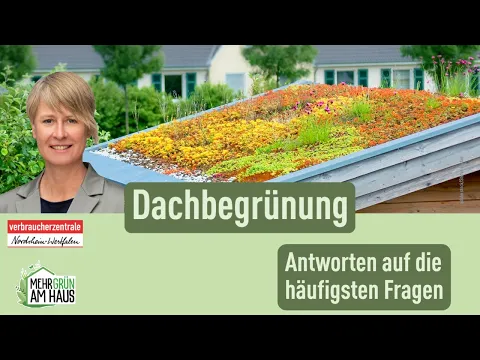

These effects are not merely academic: research and inventories from cities like Berlin show the effective capacity of green roofs to reduce local temperature and alleviate pressure on sewer systems during heavy rainfall.
Why the Bundesweiter Dachbegrünung Program Matters
Many countries promote green roofs in a fragmented manner. What makes the German case unique is the scope and national coordination, which combines:
- mandatory urban regulations for new constructions in various cities;
- subsidies and tax incentives;
- reduced drainage fees for buildings with green roofs;
- integration into climate strategies of major metropolises.
According to the OECD (Organisation for Economic Co-operation and Development), policies promoting green roofs are directly included in urban climate adaptation plans and the Climate Action Plan 2050 of Germany, a national plan aimed at reducing the impacts of extreme heat and flooding in the coming decades.
The Scale of the Transformation: Millions of Square Meters of Green Coverage
The magnitude of this movement is rare when compared to other urban infrastructures. According to the BuGG:
- since the mid-2010s, the total accumulated green roofs in Germany has already surpassed 100 million m²;
- cities like Munich lead with over 3.1 million m² just in that city;
- cities like Stuttgart have rates of over 4.1 m² of green roof per inhabitant — one of the highest per capita standards in the world.
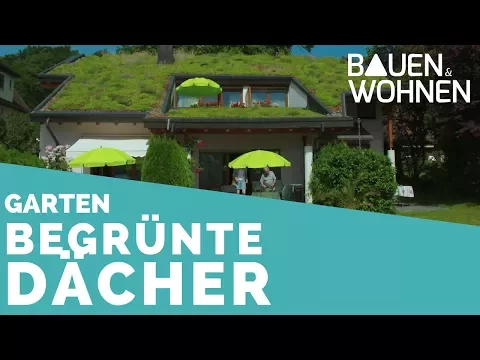
Considering only the installation data from 2023, more than 10 million m² were added during the period, with market growth of over 17% compared to the previous year, indicating that the trend is accelerating.
Temperature Reduction and Impact on Urban Climate
It’s not just about quantity: the distribution of this green coverage has measurable impacts. Vegetated roofs help lower the surface temperature of buildings by several degrees, and when aggregated at the neighborhood or city scale, this significantly reduces the “heat island” effect, an urban phenomenon that can raise internal temperatures by up to 5°C or more in large dense centers during heatwaves.
Additionally, evapotranspiration and vegetation cover can reduce pressure on cooling systems and electricity consumption in buildings, translating into direct savings for residents and businesses, and less demand for energy during heat peaks.
Water Management Without Traditional Hydraulic Works
A technical advantage that urban engineers highlight is that green roofs act as urban sponges: by retaining and absorbing rainwater, they significantly reduce the volume that falls directly into sewer and drainage systems.
Data collected for European cities shows that this can reduce localized flooding without the need for large containment works or expansion of plumbing — an efficiency gain that is particularly valuable in historic centers where large-scale works are unfeasible.
Biodiversity and Quality of Life
In addition to climate and hydraulic functions, green roofs transform urban spaces into small refuges for biodiversity.
Rooftop gardens create habitats for birds, pollinating insects, spiders, beetles, and a whole range of microfauna that would hardly find space in predominantly built environments.
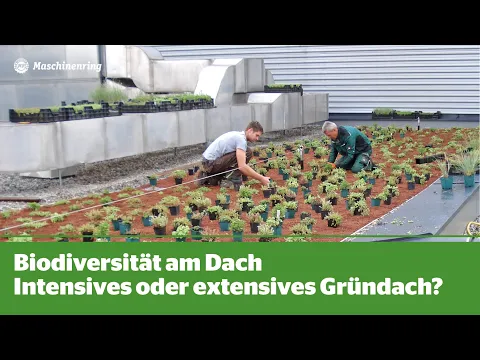
This “suspended green network” connects with parks, public gardens, and natural areas, enhancing the continuous ecological fabric that benefits both residents and urban wildlife.
Incentives and Regulation: The Key to Growth
The significant growth observed is not only the result of isolated initiatives but of a combination of public policies:
- direct financial incentives for homeowners who adopt green roofs;
- reduction or exemption of fees for buildings with complete vegetative coverage;
- integration of green roofs into building codes in various German cities;
- technical guidance and specific certifications through associations like BuGG;
- recognition of green roofs as an essential urban tool in climate plans and municipal master plans.
Construction Infrastructure That Becomes Urban Ecosystem
The case of Germany shows how construction solutions, green roofs, can transcend the realm of mere architecture or landscape design and become climate-resilient public infrastructure.
The Bundesweiter Dachbegrünung Program, while not a single isolated program, represents the convergence of policies, technical data, and multisectoral action that has already resulted in:
- > 100 million m² of green roofs installed;
- accelerated growth of the green market;
- cities with per capita vegetation coverage rates higher than entire countries;
- direct impact on urban microclimate, water management, and biodiversity.
This deep, technical, and large-scale movement not only redesigns the physical coverage of German cities but also redefines how construction can integrate climate solutions, uniting sustainable urbanism, green engineering, and urban well-being.






Simplesmente maravilhoso e eficientissimo. Super ecológico além de dua função ecologica, embeleza a cidade. Um projeto como este, deveria ser copiado por todos os países pois, reduz o aquecimento global. Suas vantagens econômicas além do bem estar das pessoas, animais de estimação e outros, é extremamente eficiente contra o efeito estufa.
Bem, é uma matéria para escrever-se o dia todo. FANTÁSTICA.
Na Alemanha não deve ter a quantidade de insetos e aracnídeos que tem no Brasil. Não sou contra, mas, aqui tem que ter muito cuidado com pragas – e bactérias e fungos (como PMC).