





 Portuguese
  English
  Spanish
  3 min of reading
  0 comments



A Man In Egypt Fights A Daily Battle To Preserve The Art Of Handmade Tiles, A Tradition With Over 200 Years Facing The Challenges Of Modernity.
In the heart of Cairo, in a modest workshop filled with history, Saied Hussain keeps alive an almost extinct art. For over 50 years, he has dedicated his steady hands and patience to crafting tiles using the traditional method he learned from his father. Hussain does not see this activity as a mere craft. For him, it is a form of art.
Since the 19th century, when cement became popular as an affordable and efficient building material, colorful tiles became a practical and decorative choice. However, with the passage of time, modernization brought the rise of ceramics and marbles, relegating cement tiles to an almost forgotten niche.
Hussain, however, has never abandoned his commitment to tradition. He mixes pigments by hand and carefully fills stencils with a precision that only experience can provide. Each piece takes time and dedication, qualities that are rare in today’s mass production.
-
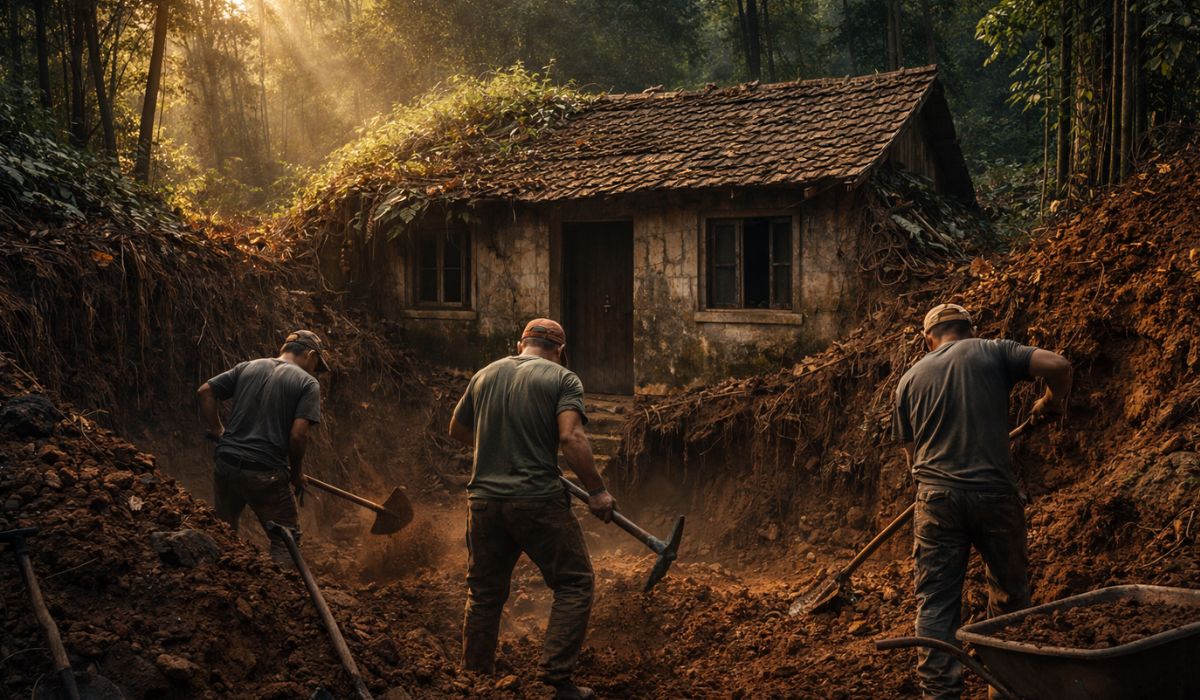
A promise made to their father led three men to unearth a forgotten house that had been swallowed by time for over 70 years, in a story of memory, abandonment, and reconstruction that seems straight out of a movie.
-
A strong earthquake in Indonesia affects houses and schools, causes panic, triggers a tsunami alert, and records a rise in sea level of up to 30 centimeters in some areas.

-
The Argentine government celebrates the lowest poverty rate in 7 years, but experts warn that the methodology has changed, real wages have fallen, unemployment has risen, and the number of people on the streets of Buenos Aires has increased by 57% since Milei took office.

-
7.8 magnitude earthquake in Indonesia frightens the population, triggers tsunami alert, and hits an island with over 200,000 inhabitants this Thursday.


The Persistence Of A Tradition
Although he is the last craftsman to work this way in his region, Hussain does not allow the weight of this responsibility to discourage him. For 40 years, he has offered free internships to young apprentices, hoping that this tradition endures over time.
“Not everyone can master this process,” he explains, pointing to one of the tiles he just finished. “It takes patience, respect for the technique, and love for what you are doing.”
This offer to teach for free is not just a gesture of generosity, but an attempt to prevent this cultural legacy from disappearing forever. He knows that the manufacture of cement tiles is no longer financially attractive compared to modern alternatives, but he believes that the historical and artistic value of this practice outweighs any profit.
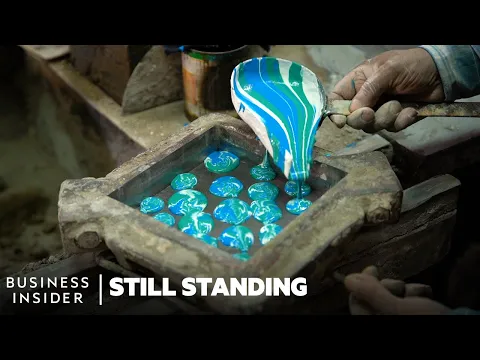

An Art At Risk Of Extinction In Egypt And The World
Despite his efforts, Saied faces growing challenges. The interest in the tradition is limited, especially among the youth, who seek more profitable or technologically advanced careers. Still, he persists. “The most important thing for me is that this art stays alive,” he asserts with conviction.
The intricate patterns of Hussain’s tiles tell stories and add a unique beauty to the spaces they decorate. His works have adorned homes, mosques, and even museums, each reflecting not only an aesthetic but a piece of the soul of Egypt.
Saied Hussain is an example of resistance in a world that seems inclined to forget its roots. His dedication is not just a tribute to the past, but also a lesson for future generations: some things should not be measured solely by profit, but by the value they carry for the culture and identity of a people.
However, while Hussain’s workshop remains open, the future of this craft is still uncertain. Will his passion inspire enough apprentices to keep this tradition alive? Or will the modern world finally swallow yet another centennial art? Hussain, with his serene gaze and calloused hands, bets on the first scenario.










Seja o primeiro a reagir!