





 Portuguese
  English
  Spanish
  4 min of reading
  9 comments


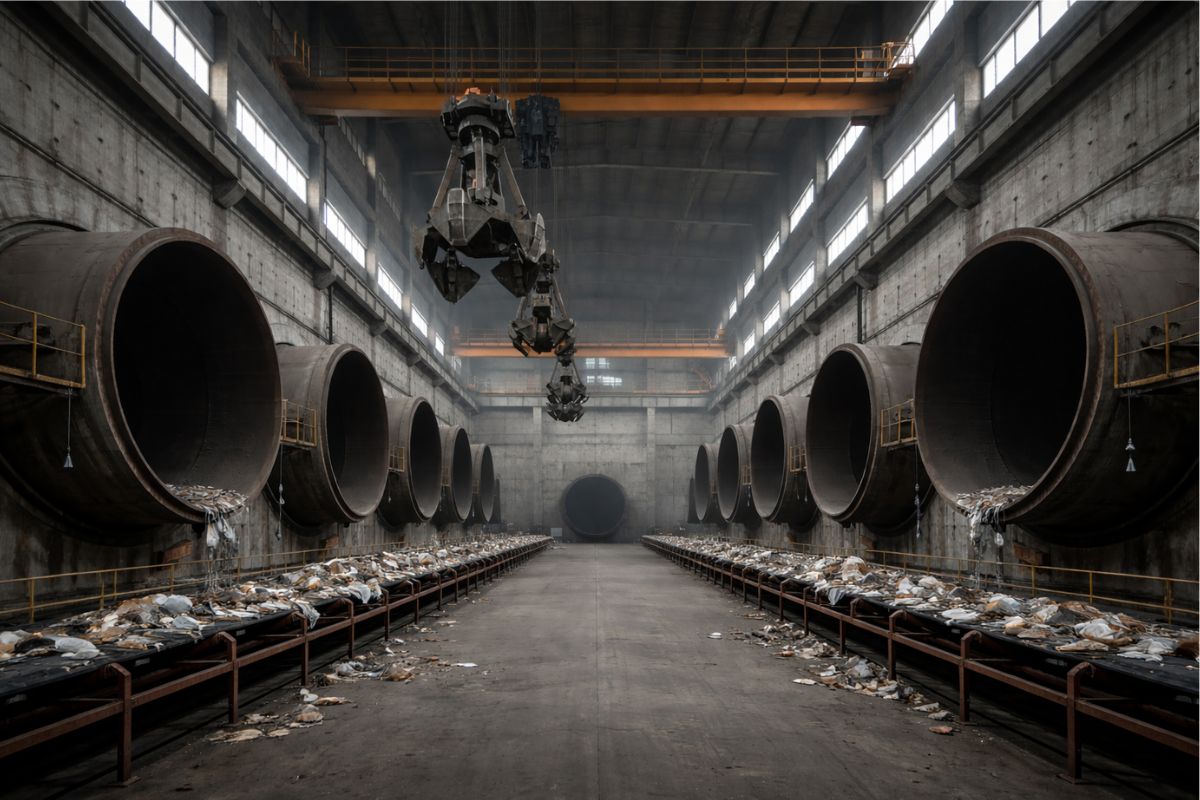


The Rapid Expansion of Incineration in China Created an Unexpected Imbalance: Less Urban Waste, Idle Lines, High Costs, and Extreme Adaptations to Keep Plants Running
China has rapidly developed one of the largest waste incineration networks in the world, aimed at generating electricity and reducing pressure on urban landfills. However, the success of the program has created an unexpected problem: today, the country has more furnaces than waste available to burn.
With more than 1,000 plants in operation, a significant portion of the system operates below ideal capacity. In many cases, facilities do not reach 80% utilization, leading companies to seek waste in locations where there were previously surpluses, including old decommissioned landfills.
Faster Growth Than Waste Generation
The daily incineration capacity in China already exceeds 1.1 million tons, a level that far surpassed the targets set in recent years. The problem is that the amount of urban waste has not grown at the same pace.
-
Goodbye iron: new technology from Xiaomi promises to revolutionize the way we iron clothes with 500 kPa steam, continuous flow of 120 g/min, heating in 65 seconds, and six smart modes for different fabrics.

-
Rio Pardo, the most mysterious city in Rio Grande do Sul: untouched Pampas castle, the missing treasure of the Devil Boy, bride’s saint, invisible tunnels, and a 200-year curse today.

-
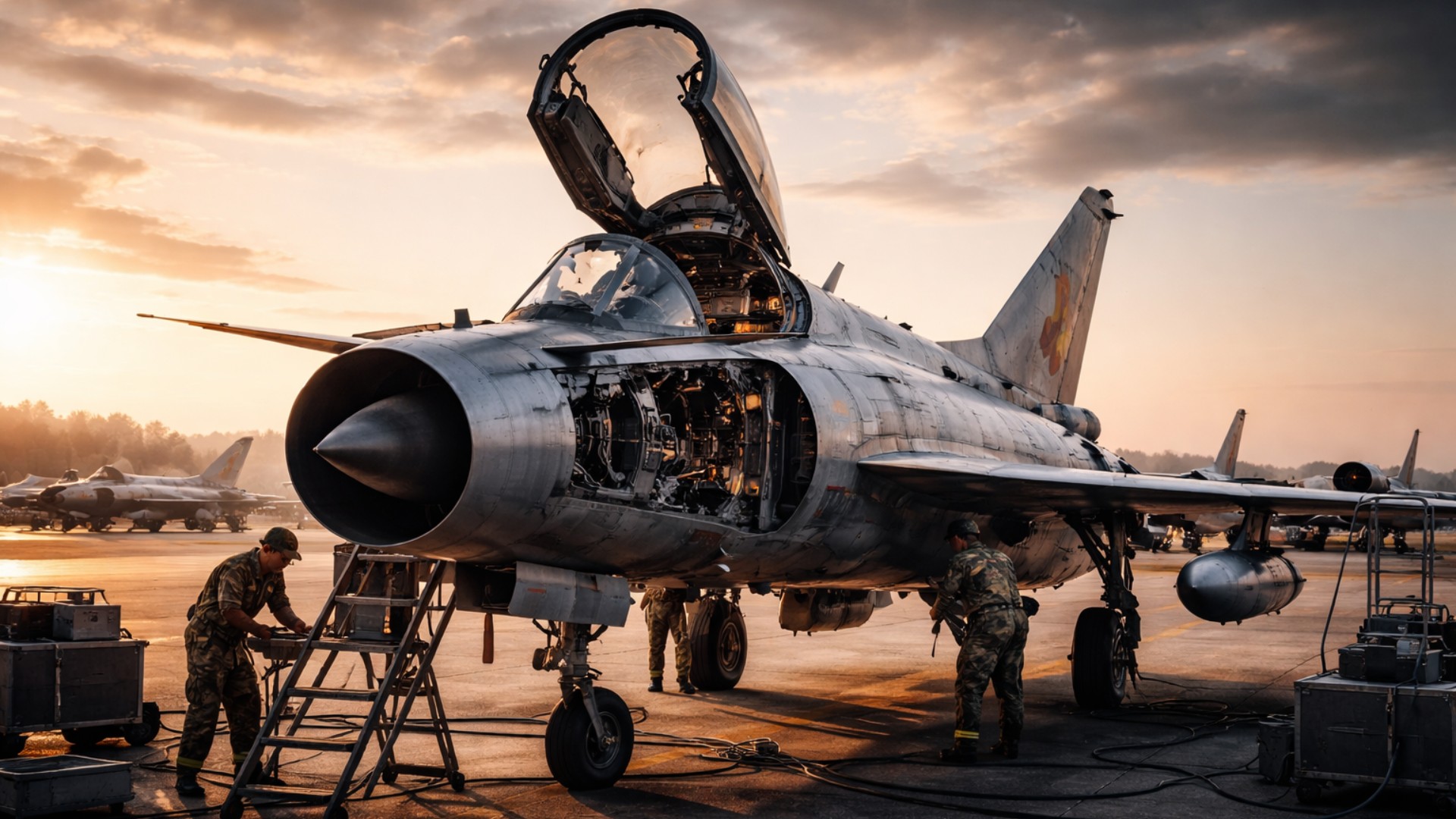
China retires the J-7 fighter after years of military protection and can now transform military items into drones, following more than 60 years of operation of the J-7, derived from the MiG-21, with thousands of units produced and strategic use in the PLAAF and PLANAF.
-
Volunteers are sought to live in the mountains for a month: a study pays people to stay at 2,500 meters, with 24-hour monitoring of sleep, metabolism, and blood pressure.


Factors such as economic slowdown, population reduction, and more efficient domestic management have contributed to the decline in waste generation. Lower consumption directly results in less waste available to feed the furnaces.
In 2022, while the plants had the capacity to process about 333 million tons per year, the collection of household waste was around 311 million tons. Still, the country continued to expand its capacity, deepening the imbalance between supply and demand.

Direct Impact on Operation and Costs
The scarcity of waste is already reflected in the daily operations of the plants. Some incineration lines remain inactive for long periods, others operate only a few months a year, and fixed costs become harder to absorb when the furnaces do not run continuously.
In provinces like Anhui and Hebei, operators admit that one in three lines remains closed for the entire year, not due to technical failures, but simply because of a lack of waste.
Extreme Measures to Keep Furnaces Running
In light of this scenario, some plants have started paying to secure waste supply — a situation unthinkable during past disposal crises. Others choose to supplement the load with industrial waste or construction debris.
There have also been cases of excavating old landfills to recover materials still suitable for incineration. Although this practice prevents total shutdown of the equipment — a costly and complex process — it highlights the economic pressure faced by the sector.
Excess Capacity as Structural Risk
The challenge has shifted from being technological to structural. When the number of furnaces exceeds the volume of available waste, competition for material increases and the profitability of the model decreases.
The parallel expansion of the plants, without considering the declining trend in urban waste generation, raises the risk of underutilized assets and increasingly slow returns on investments.
Emissions, Byproducts, and Environmental Debate
Although improvements in filtration systems, gas control, and environmental standards have reduced emissions, incineration continues to generate complex byproducts. In 2024 alone, the plants produced around 13 million tons of fly ash and 63 million tons of leachate.
Only 15% of the ash was reused, mainly in the construction industry. The remainder requires expensive treatment and controlled disposal, keeping the environmental debate about the sustainability of the model alive.

Waste Separation Changes the Scenario
Since 2017, mandatory waste separation has advanced in several Chinese cities. Where the rule is strictly enforced, the profile of waste has changed, and a significant portion is no longer directed to incineration.
Shenzhen is one of the clearest examples. With about 18 million inhabitants, the city no longer sends household waste to landfills. Five facilities, with a total daily capacity of 20,000 tons, manage the current volume through advanced waste separation and recycling systems.
A Model That Needs Adjustments
China has built a gigantic infrastructure for waste incineration, but today it generates less waste than it can process. The result is excess capacity that forces the plants to adapt, operate below potential, and seek new sources of waste.
From an environmental perspective, the reduction in waste generation is good news. From an economic viewpoint, the challenge now is to adjust the system to a reality where efficiency depends not only on technology but also on the balance between installed infrastructure and the actual amount of waste generated.






Grande novidade, o estado tentando resolver um problema e no processo cria outros problemas….
Em Barueri teremos uma usina dessas. Recolherá lixo das cidades de Barueri e Carapicuíba.
A China tornou-se livre de novos aterros, está eliminando os antigos onde é possível e está ajudando a limpar os vizinhos também.
É curioso que a lógica capitalista seja o enfoque da matéria. Sugiro pesquisar o que aconteceu com as máquinas tuneladoras que perfuraram o tunel sob o Canal da Mancha. Não parece que esse tenha sido um fracasso…