






 Portuguese
  Spanish


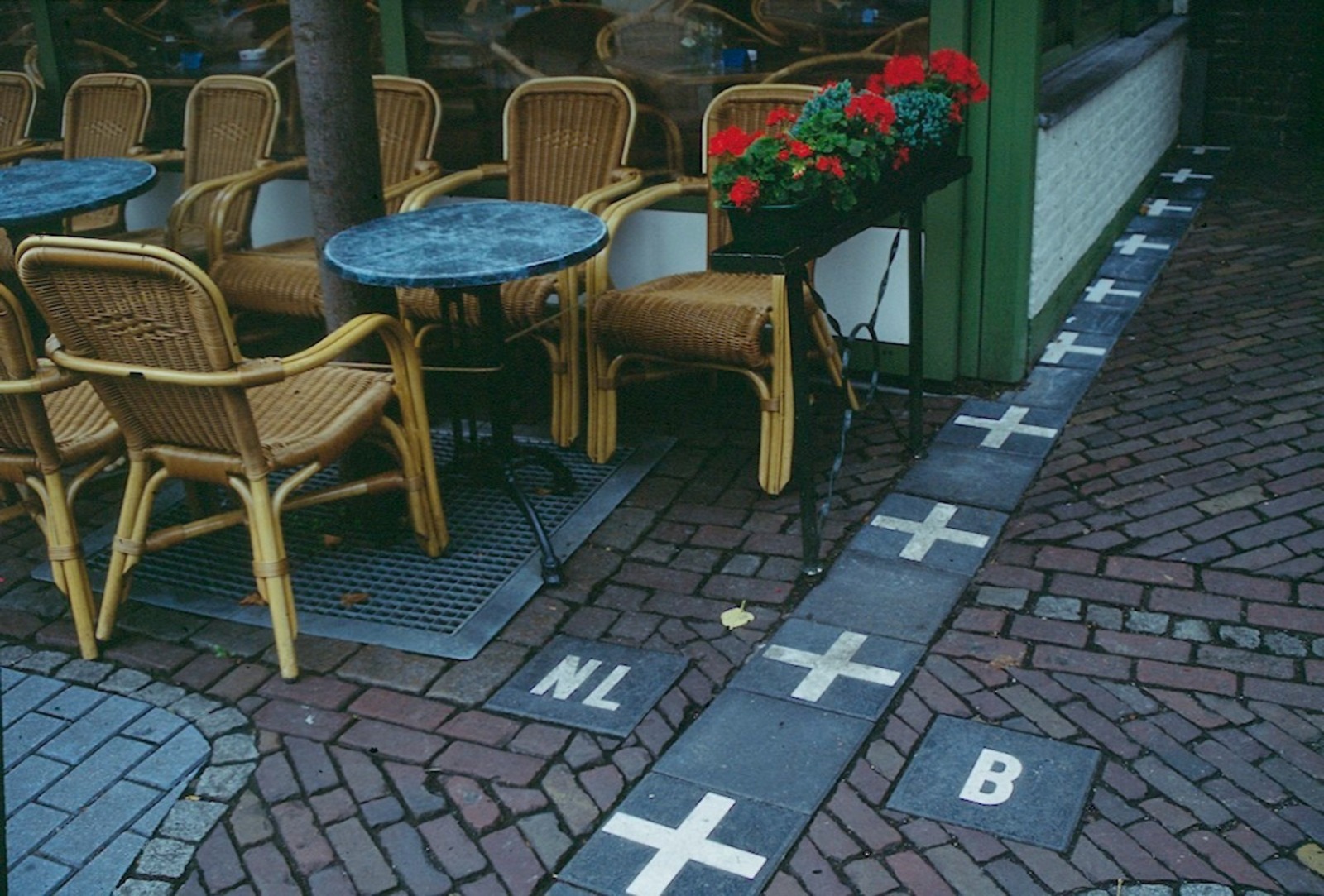


In Baarle, The Line That Separates The Netherlands And Belgium Crosses Streets, Houses And Stores, Creating A Rare Scenario Where The Border Changes Every Few Steps
Crossing borders usually involves long roads and official checks, but there is a point in Europe where this happens almost imperceptibly. In Baarle, the division between the Netherlands and Belgium creates a scenario where visitors change countries in just a few steps, as the town is cut by fragments of territory that blend without apparent order. This unusual configuration transforms daily life, as houses, stores, and streets belong simultaneously to both sides.

The Fragmented Structure Of Baarle
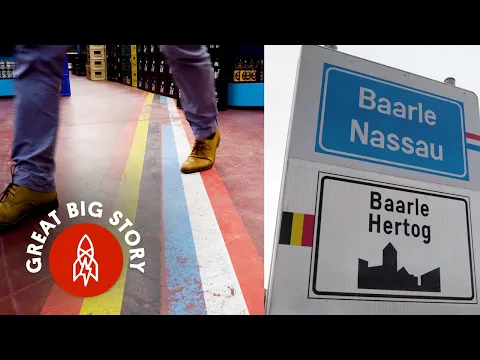
Baarle brings together two neighboring towns: Baarle-Nassau, which is in Dutch territory, and Baarle-Hertog, which belongs to Belgium. The border between them does not follow a logical design.
It spreads across irregular lines that create 22 Belgian enclaves within the Dutch area and, in addition, some Dutch sections appear within the Belgian enclaves.
-
Workers renovating a playground in northern England uncover 176 World War II bombs buried underground; training artifacts still contained explosives.

-
Brazilian Architect Transforms Waste into Sustainable Homes with Solar Power and Rainwater Systems for 40 Years

-
Security Guard Becomes Doctor at Louisiana Hospital Where He Once Worked, Studied Chemistry Between Shifts

-
Woman Rescued from Luxury Complex in Brazil Worked Without Pay for 55 Years, May Be Entitled to Over $300,000


A single step may be enough to cross the border. Therefore, it is possible to move from one country to another more than 20 times during a simple walk.
This configuration originated in the Middle Ages, when lands were negotiated by local dukes and lords without clear rules.
Thus, the division remained as a historical mark, keeping Baarle among the most peculiar places on the planet.

The Routine Of Residents Between Two Legislations
The population gets along well with the fragmentation. Some situations illustrate how this dynamic works in practice. Houses and stores may have doors that open to different countries.
The official nationality of each building depends on the main door, which defines the address, regulations, and even tax liabilities.
Moreover, the town has a Dutch town hall and a Belgian one. Each entity administers its own services, as the rules differ.
This even affects business hours. Belgian stores may close later, so some merchants move products to the Belgian side when the Dutch side needs to end operations.
Some streets display markings on the ground to show where one country ends and the other begins. This division has even led to unusual situations.
During the COVID-19 pandemic, certain stores had to stop operations in the Dutch section but continued operating in the Belgian part, even though they were within the same building.

Curiosities That Reinforce Singularity
Baarle has more internal borders than any other city in the world. In some residences, the kitchen may be in one country and the bedroom in another, something that catches the attention of visitors.
Even with so many territorial changes, a passport is not required to circulate, as the Schengen Agreement allows free movement.
In the past, this blend helped merchants use territorial confusion to escape taxes, as well as favor small smuggling operations.
Today, the region attracts tourists who wish to experience crossing countries in just a few meters. This flow has increased precisely because the town symbolizes peaceful coexistence between distinct legislations.
An Example Of Coexistence Between Borders
The town shows that borders can be flexible. While territorial disputes arise in various regions of the world, Baarle demonstrates that it is possible to divide spaces without creating conflicts.
Going to the supermarket can mean walking from the Netherlands to Belgium several times, and this dynamic is already part of the routine for those who live there, making the town a rare case of cooperation and adaptation.
With information from Correio Braziliense.


Transar com a Mulher na Holanda, descobrir que tá grávida na Bélgica, Nenê nasceu na Holanda, se criar na Bélgica, Estudar na Holanda, Viver na Bélgica, trabalhar na Holanda, Abrir a Geladeira na Bélgica assitir tv na Holanda 😳
É muito interessante! Gosto muito de ler a respeito dessas divisas de Países e tudo na santa paz de Deus.
Além de Chuí, livramento também tem isso, é uma praça que divide os dois países, brasil-Uruguai