





 Portuguese
  English
  Spanish
  3 min of reading
  0 comments


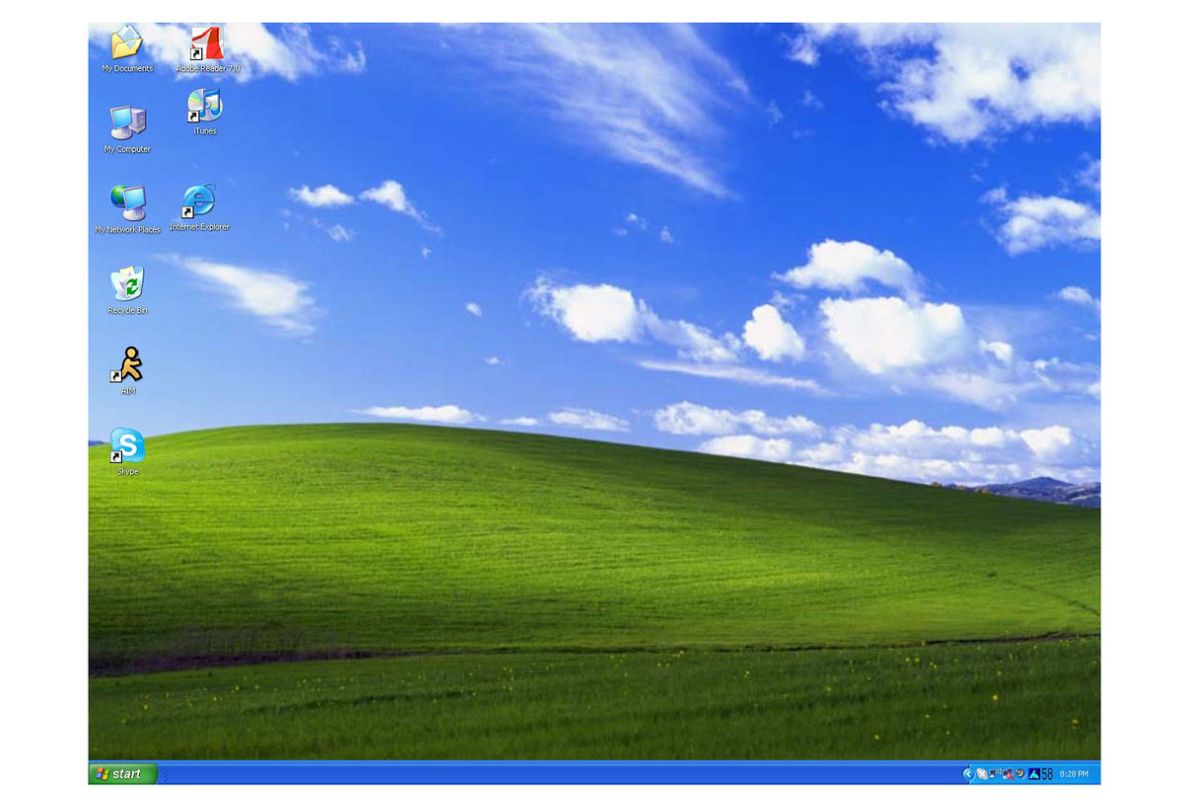
We Dove Into The History Of The Operating System That Defined A Generation And That For Many Is Still Synonymous With Computer.
Close your eyes for a moment and go back to the early 2000s. The sharp, metallic sound of dial-up internet, the excitement of opening MSN Messenger, and when you turned on the computer, that welcoming sound: an optimistic four-note melody that promised a new world of possibilities. On the screen, a hill of vibrant green under a blue sky dotted with perfect clouds.
This is the emotional memory of millions of Brazilians. It is the memory of Windows XP. Released over two decades ago, no other operating system created such a strong and lasting emotional connection. But why is it still remembered so fondly? The answer is a combination of revolutionary stability, iconic design, and a simplicity that today sounds like an oasis.
Stability: The ‘Invisible’ Secret That Made XP Reign
To understand why Windows XP was so successful, we need to look at what came before it. Those who used Windows 95, 98, or ME remember well the infamous “blue screens of death,” the constant crashes, and the need to restart the computer several times a day.
-
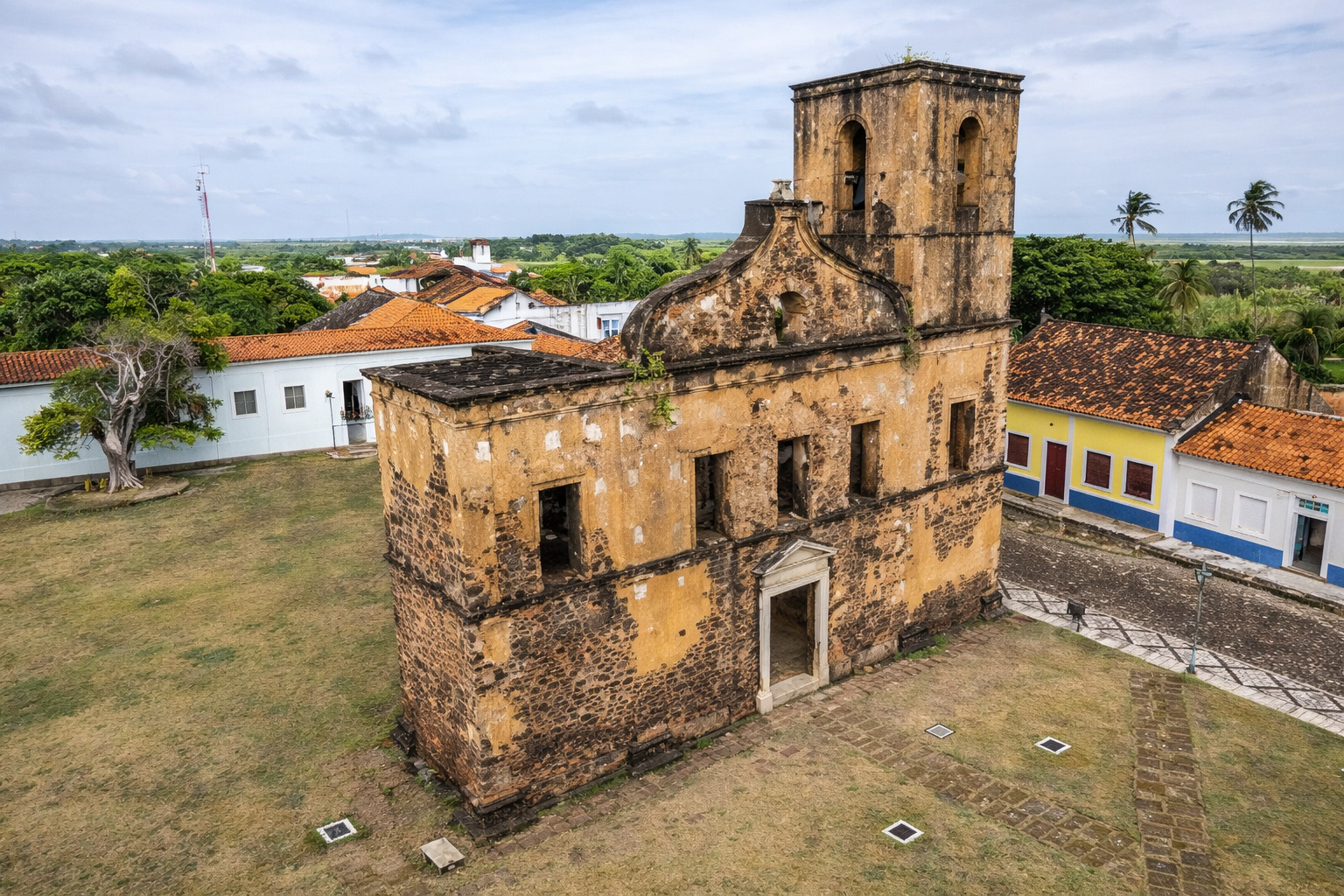
The Brazilian colonial city that stopped in time and shares territory with a rocket launch base.
-
79-year-old woman challenges limits, visits 193 countries in the world after 56 years of planning and reveals the behind-the-scenes of a global journey that few have managed to accomplish.

-
These are the drivers who may stop paying tolls on highways in a project that promises to reduce costs for those who live from transportation in Brazil.

-
(Video): Italian pilot lands plane on moving train at 120 km/h and achieves unprecedented feat in aviation, even with a narrow runway and without direct visual contact.

The major leap of XP was that it was built on the Windows NT system architecture (New Technology), the same one used in corporate versions and much more robust. For the ordinary user, this meant a night-and-day change: a system that simply did not crash. This stability was the foundation upon which all of its success was built.
The Window To Paradise: The Real Story Of ‘Bliss’ Hill
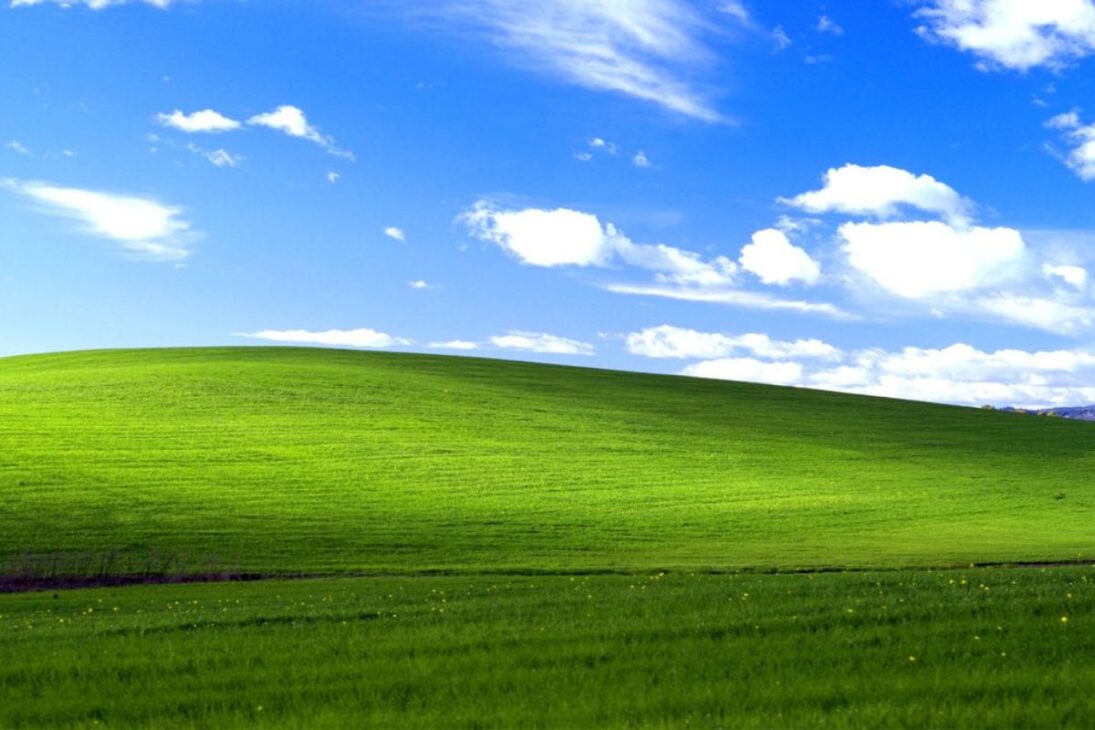
As iconic as the system was, so was its welcome image. The “Bliss” wallpaper is not a computer-generated image. It is a real photo.
- The Photographer: it was taken by Charles O’Rear, a veteran National Geographic photographer.
- The Location: in 1996, while driving through California’s wine country, O’Rear pulled over and photographed a lush green hill, especially vibrant after a spell of rain.
- The Sale: years later, he submitted the photo to a stock photo agency, from where Microsoft purchased it for an undisclosed amount, speculated to be one of the most expensive licenses in history.
That image of a real, peaceful, and perfect place became the first view an entire generation had of the digital world.
The Symphony Of Simplicity: The Sounds That Became Emotional Memories
The identity of XP was not just visual. Its sound engineering was designed to be optimistic and clear. The login sound, the shutdown sound, the notification alert, and of course, the dreaded error sound, are instantly recognizable.

These Windows XP sounds became part of the soundtrack of our digital lives, associated with memories of long conversations on MSN, the first research for school assignments, and discoveries on dial-up internet.
The Era Of Digital Leisure: The Games That Defined A Generation
Windows XP was also an entertainment hub. It came with a collection of games that became legendary in their own right:
- 3D Pinball: Space Cadet
- Solitaire
- Minesweeper
- FreeCell
These simple and addictive games were the gateway to digital leisure for millions of people.
Is It Still Possible To Use Windows XP In 2025?
The short answer is: technically yes, but it’s a bad idea. Microsoft’s official support for Windows XP ended in 2014. This means it no longer receives any security updates. Connecting a computer with XP to the internet today is like leaving your front door open on a dangerous street. It is extremely vulnerable to all kinds of viruses, malware, and modern hacker attacks.
Windows XP today lives where it belongs: in the technology museum and in our emotional memory. It is no longer a tool for daily use, but rather a monument to the golden age of personal computing, a reminder of a time when technology felt simpler, optimistic, and perhaps a little happier.
What is your main memory of Windows XP? Was it Pinball, MSN Messenger, the error sound, or the wallpaper? Tell us!






Seja o primeiro a reagir!