





 Portuguese
  English
  Spanish
  3 min of reading
  6 comments


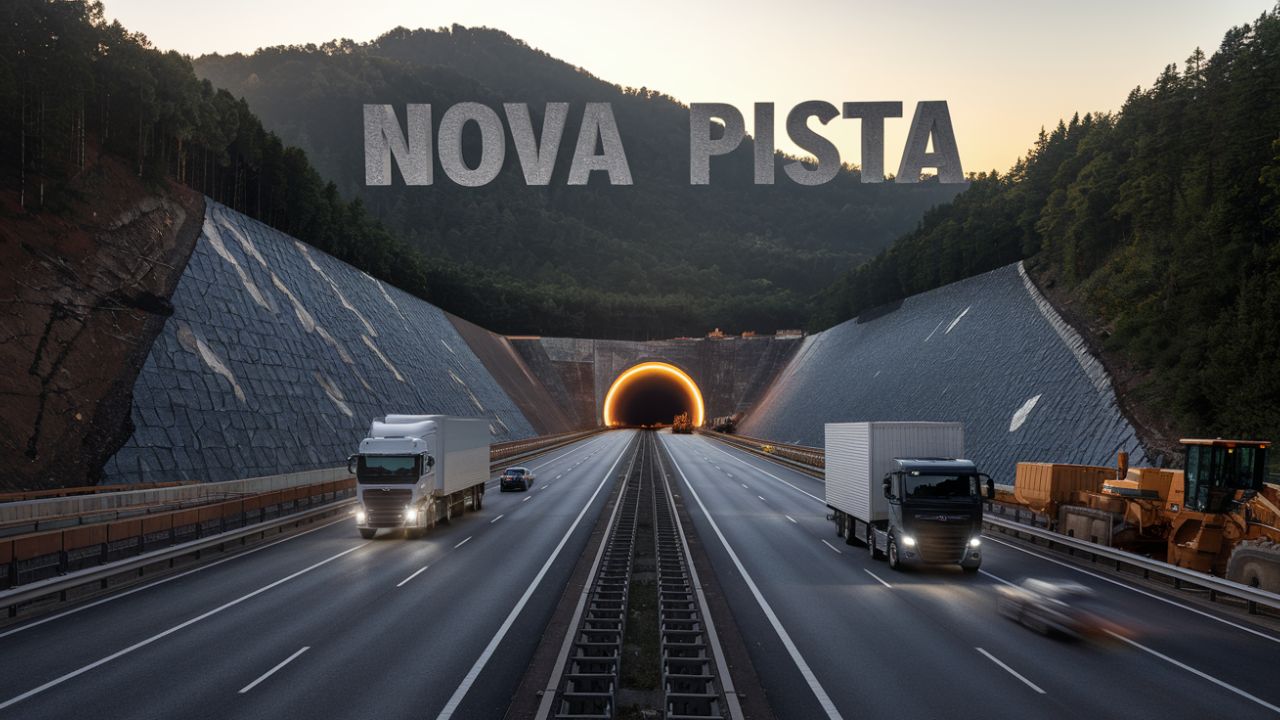


With 21.5 km in length, including 17 km of tunnels and the largest road tunnel in Brazil, the construction of the new 3rd lane of the Imigrantes Highway is a milestone that promises to increase the road’s capacity by 25%, reduce logistics costs, and boost tourism in Baixada Santista.
The Imigrantes Highway, inaugurated in 1976, has always been an example of engineering, construction, and a strategic hub for transportation between São Paulo and Baixada Santista. Designed to alleviate traffic from the old Anchieta Highway, it quickly became the main route for cargo and passengers heading to the largest port in Latin America.
Over time, the significant increase in vehicle flow has brought new challenges. To meet this growing demand, the project for the construction of the new 3rd lane emerges as a bold and essential solution, promising not only to increase the highway’s capacity but also to modernize its structure and improve safety.
The Importance of the Imigrantes Highway in Brazil’s Development
Since its construction, the Imigrantes Highway has been a pillar of economic growth in the state of São Paulo and Brazil. Connecting the state capital to the Port of Santos, it enabled the transport of goods such as grains, oil, and industrial products. This quick connection has also fostered tourism in Baixada Santista, attracting thousands of visitors to destinations like Santos, Guarujá, and Praia Grande.
-
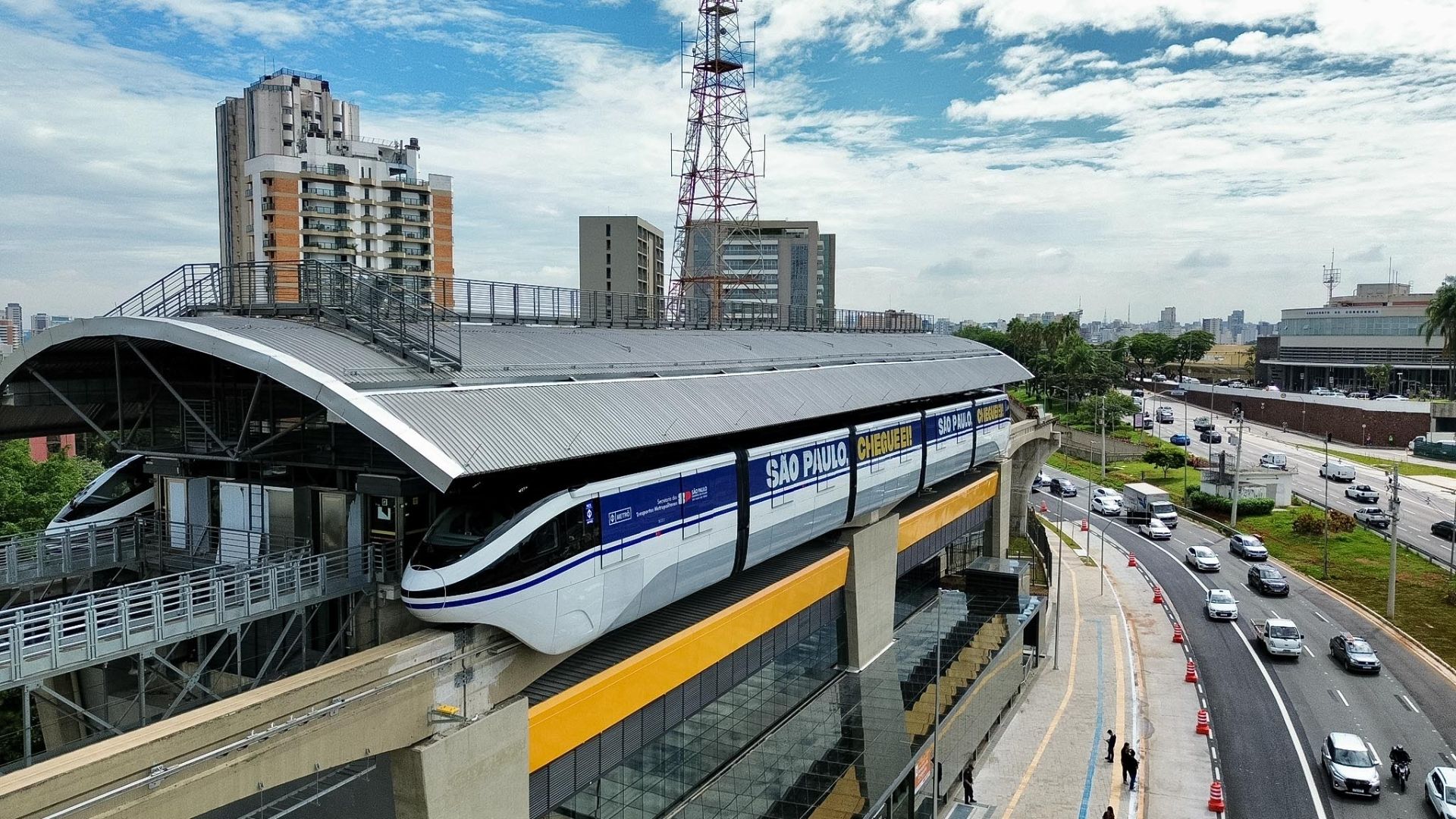
Congonhas receives the monorail promised for the 2014 World Cup after more than a decade of delays and becomes the first airport in Brazil with integrated subway.
-
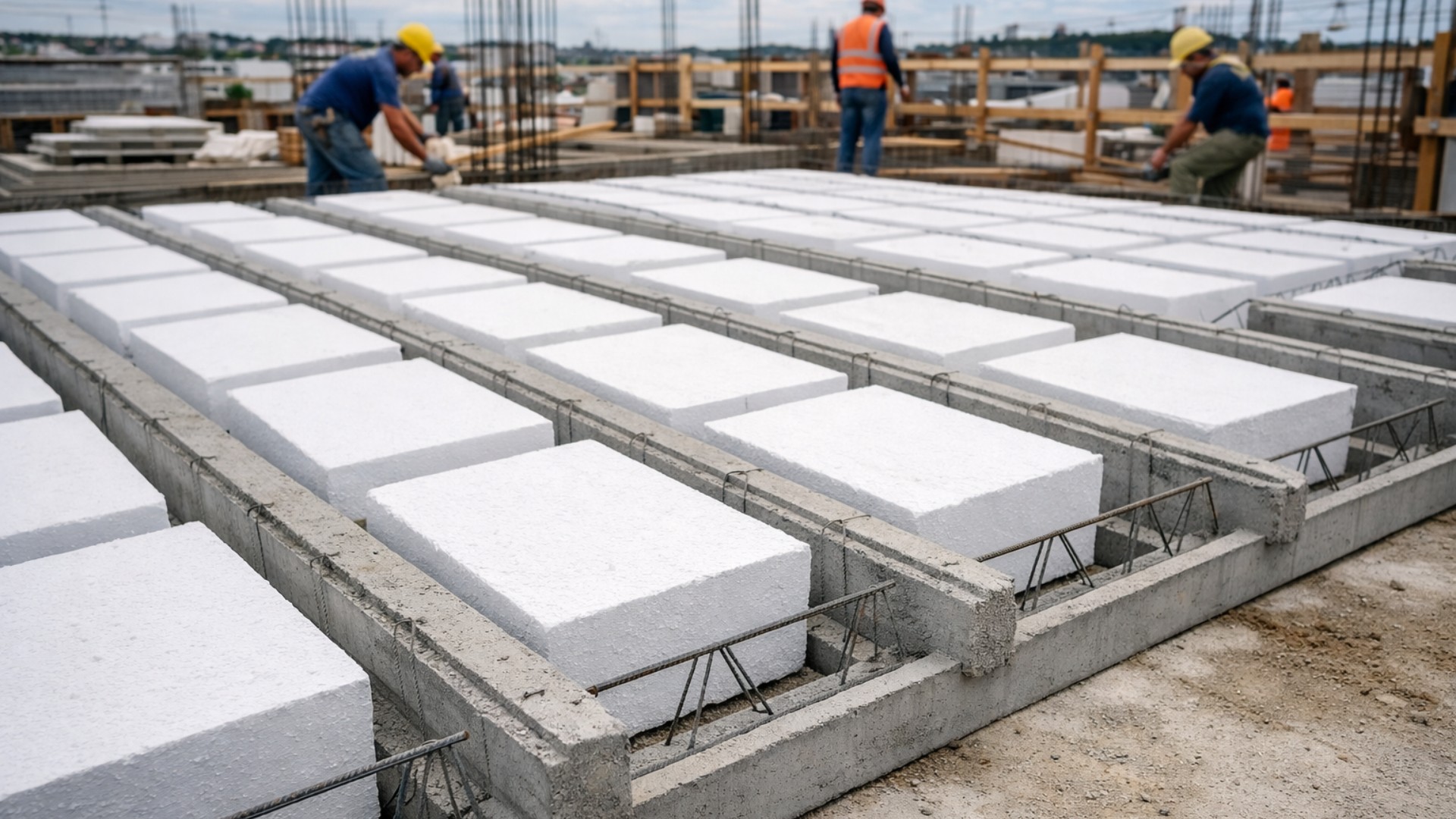
Goodbye, concrete: a new trend in civil construction reduces the weight of the structure by up to 30%, accelerates projects by up to 40%, cuts costs on steel and labor, and improves thermal insulation with EPS.
-
Russian engineers create an innovative propeller blade for aircraft that could completely change the way airplanes and helicopters operate.

-
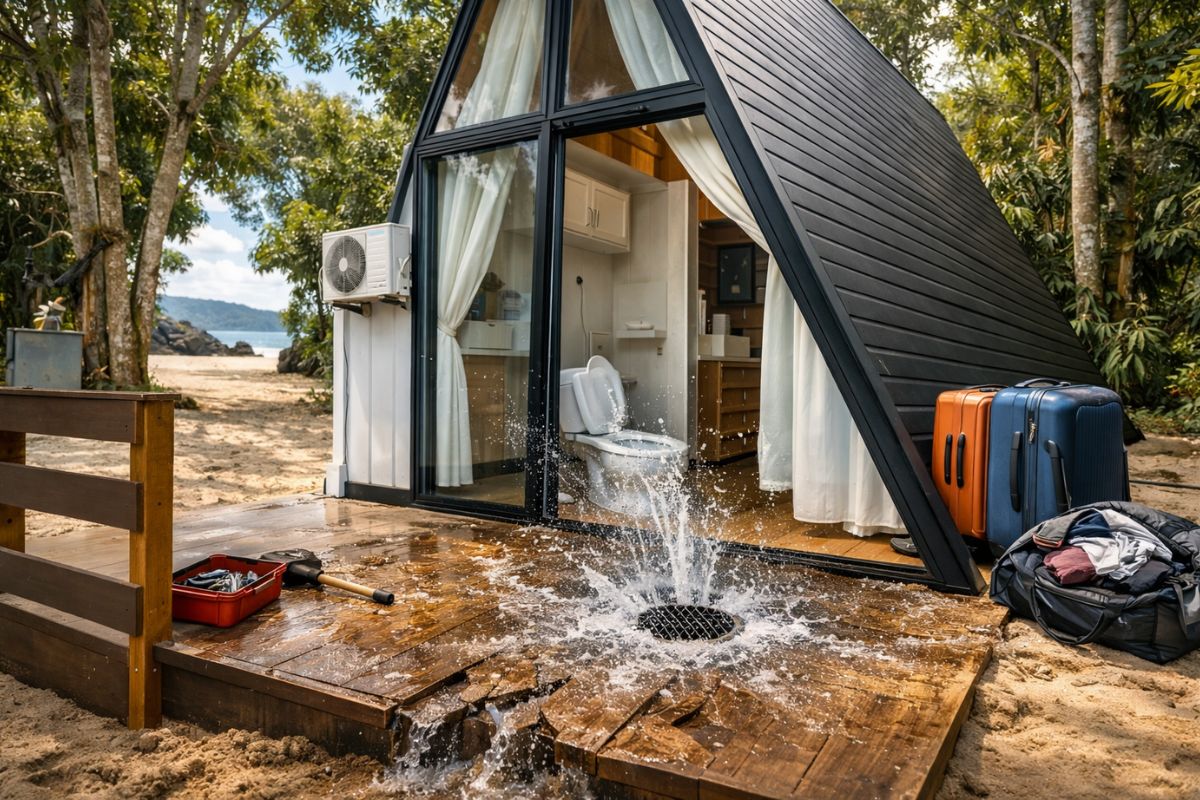
Couple finishes building PVC chalet on the beach on the last day, with air conditioning and curtains, but discovers the bathroom drain is inverted: water escapes from the drain, risking breaking the floor, and the rush continues before the trip.

The continuous increase in the vehicle fleet and the expansion of foreign trade have turned traffic on the highway into a bottleneck, especially during peak seasons. The growth of nearby industrial cities, such as Cubatão, has also increased pressure on the road system.
The Need for Expansion: Why a Third Lane?

The flow of heavy and passenger vehicles on the Imigrantes Highway has grown exponentially over the past decades. Trucks transporting containers to the Port of Santos frequently face delays, negatively impacting logistics and operational costs.
The expansion of the highway is vital to meet the demands of international trade. With the Port of Santos handling a significant portion of Brazilian exports, the new lane promises to significantly reduce transportation times and logistics costs.
Project Details for the New 3rd Lane
The mountain section, measuring 21.5 km in length, is the most challenging part of the project. About 17 km will consist of tunnels, while 4 km will include viaducts. This modern approach aims to overcome the obstacles of the rugged and sensitive terrain of the Serra do Mar.
Among the planned tunnels, there is a 6 km structure, which will be the largest in Brazil. Equipped with advanced safety systems, such as parallel emergency tunnels, it promises to establish a new standard of engineering in the country.
Benefits of the Construction of the New Lane
The new lane will increase the total capacity of the road system by 25%, with a planned incline to facilitate the flow of heavy vehicles. This will reduce the risks of accidents and improve traffic fluidity.
With a more efficient highway, access to Baixada Santista will be facilitated, boosting tourism and driving the local economy. The expectation is for a significant increase in the number of visitors, benefiting hotels, restaurants, and local commerce.
Challenges and Predictions for the Completion of the Project
One of the main goals of the project is to minimize environmental impact. The use of existing service roads and less invasive construction techniques are key strategies to preserve the biodiversity of the Serra do Mar.
The forecast is that construction will begin in 2027, with an estimated completion between 2031 and 2032. Despite technical and bureaucratic challenges, the construction of the new lane is seen as a crucial step for Brazil’s economic and logistical development.









Quem vai construir a nova rodovia?
Realmente aqui no Brasil, só se acredita vendo!!! Muita gente mamando na verba, das infraestrutura..
Enquanto os nossos políticos continuarem roubando principalmente o PT do **** maior “LULA LADRÃO” que saiu da **** para ser Presidente do Brasil, eu não esperando de mais nada. Só sofrimento e desilusão.
Não tenho mais idade ora aguentar tanta roubalheira. E o STF ….**** de ****.😈😈😈😈😈😈😈😈👹👺👺👺👺
Show, um projeto e tanto, mas se o túnel Santos Guarujá patina há “séculos” por causa da incompetência dos políticos, imagina essa obra…espero estar errado. 🙂↕️
Vc está misturando **** com maçã.
A obra da Imigrantes é do governo estadual e o tunel Santos-Guaruja é área Federal e esta esta incluída no PAC e administrada pela APS (Autoridade Portuária de Santos), pode até ser projetada pelo Estado mas somente com aprovação do Gov Federal. Por isso essa novela dura 100 anos.
Como o Alchmin foi resp pelo último projeto na época que era Governador de SP é que o Lula agora aceitou executar. O Tarcísio tinha o interesse de seguir, mas o ego do Lula é gigante e quer ter os créditos, agora é rezar por uma execução com qualidade e com pouca corrupção, oremos.
Ego do Lula… Não entendi… O Lula foi o presidente que mais deu incentivo, dinheiro e diálogo com os governadores, o Tarcísio sabe disso.