





 Portuguese
  English
  Spanish
  3 min of reading
  0 comments


A Rival of Neuralink Just Announced a Revolutionary Chip That Promises to Restore Vision for Elderly Patients. This New Technology Allows People to See Again and Even Read Texts, Offering an Innovative Solution for Those Who Have Lost Their Sight Over Time.
The idea of restoring vision in elderly patients using chips, prosthetics, and bionic implants emerged long before Neuralink and its brain implants. However, while Elon Musk’s company is still working to launch a chip that can restore vision after the approval of “Blindsight“, a rival of Neuralink announced the first restoration of vision in blind patients.
Startup is the Second Largest Biotechnology Company in the World
The company rivaling Neuralink is Science Corp, a biotechnology startup founded by Max Hodak, who co-founded Neuralink with Elon Musk in 2016. Hodak founded Science Corp in 2021, aiming to develop a device to restore vision, the Science Eye.

On the last 21st, a month after Neuralink received approval for its system, the rival announced that it managed to restore vision in legally blind elderly patients with loss of central vision. The patients received PRIMA retina implants and were able to read books and recognize faces.
-
They were brilliant! Scientists discover that our ancestors in China were already making super advanced tools 160,000 years ago, changing everything we knew.

-
Scientists unveil 3 million years of climate secrets hidden in the ice of Antarctica.

-
Ancient farmers created “aggressive plants” that changed nature forever.

-
Astronomers find a “backward” solar system that ignores all the rules of space and leaves scientists scratching their heads!


According to the president of the Neuralink rival, as far as is known, this is the first ocular restoration that allows fluent reading ability in blind patients. In 2022, the startup was already the second largest biotechnology company in terms of funding.
This funding allowed the company to purchase, in April of this year, the patent and all related assets for the PRIMA retina implant from Pixium Vision. The concept of the chip that can restore vision in elderly patients, in the context of visual prosthetics, is a type of bionic system that uses photovoltaic technology to transform light into electrical signals.
Understand How the Chip That Can Restore Vision in Elderly Patients Works
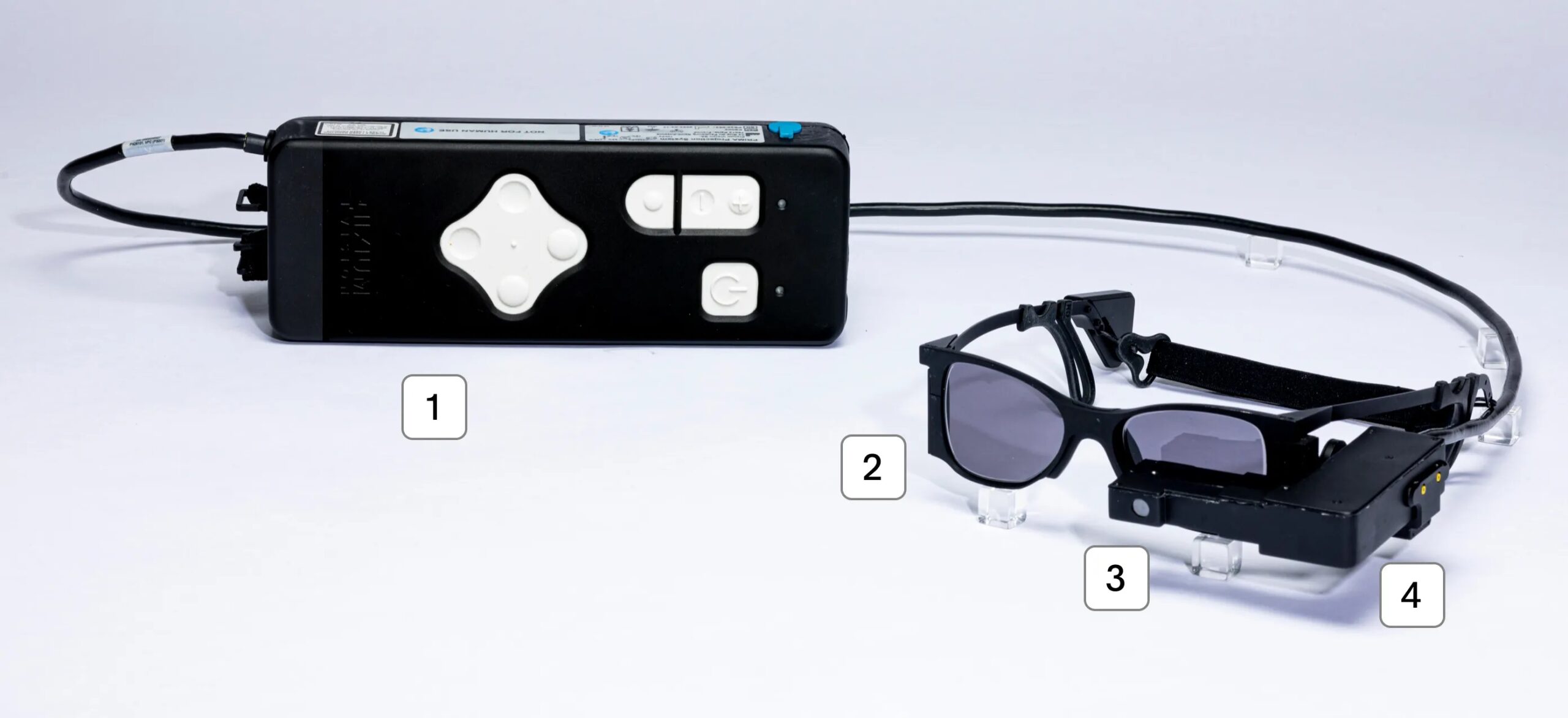
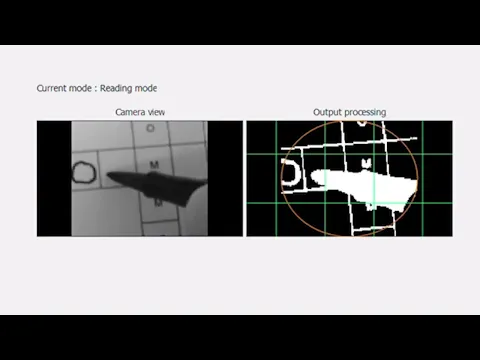
Developed in 2012 and with the first clinical tests in 2018, the chip that can restore vision in elderly patients is implanted by doctors beneath the retina. The PRIMA is combined with a pair of special glasses containing a built-in camera that projects visual data onto the chip via invisible near-infrared light.
In this way, when the near-infrared rays hit the chip’s photovoltaic arrays, they energize the device and convert the transmitted data into electrical signals. These electrical signals, in turn, stimulate the retinal neurons that restore vision.
However, it is important to note that Science Corp’s clinical trial involved implants in 38 patients with geographic atrophy. This condition is one of the final stages of age-related vision degeneration; in other words, the patients were not completely blind. Thus, what the rival’s implant achieved was a significant restoration of visual acuity in patients with central vision affected by geographic atrophy.
Tested Patients Managed to Read Texts
According to the company, the chip that can restore vision for elderly patients resulted in the patients showing improved results in reading short texts. For the Neuralink rival, the future of implants is promising for restoring central vision.
Although the implants do not restore vision for the completely blind, it is already an advancement to restore central vision, but it does not display images in color. Additionally, the study does not detail whether the patients needed to use the zoom function to read the texts or how many times they did so.
It is worth mentioning that recently, billionaire Elon Musk stated that Neuralink should prioritize developing a brain implant aimed at alleviating back and neck pain.
The company is known for developing Brain-Computer Interfaces (BCIs), which can be implanted in the human brain to treat and monitor health conditions.










Seja o primeiro a reagir!