





 Portuguese
  English
  Spanish
 4 min of reading


Needs Support From The Government, Private Initiative, And Less Bureaucracy
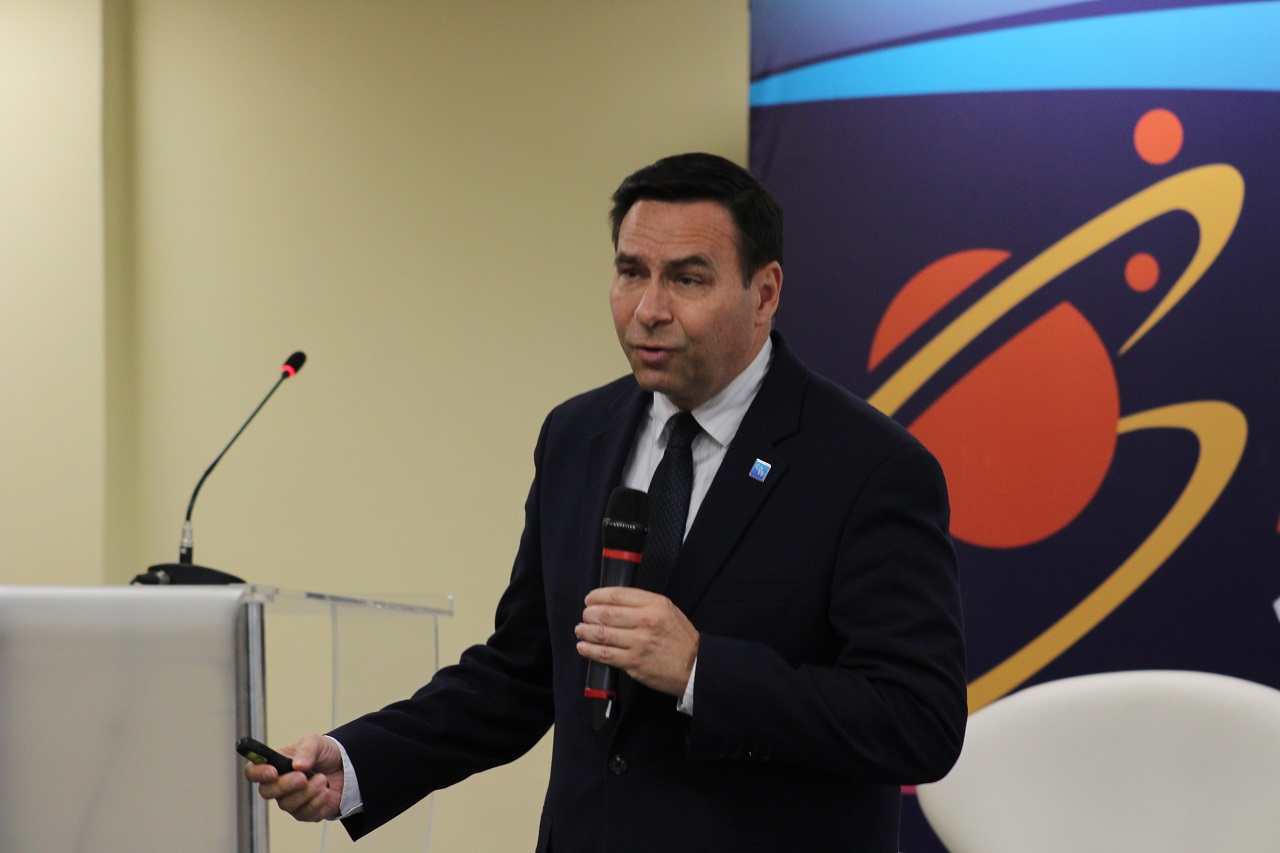
The XIII International Nuclear Energy Seminar concluded this Thursday (11/10) at the headquarters of the Federation of Industries of the State of Rio de Janeiro (Firjan), in downtown Rio de Janeiro. It was three days of debates, lectures, and round tables with renowned experts on the most relevant topics in the sector: environment, business opportunities, regulation, laws, supply chain, communication, technology development, workforce training, and support from the private market and government. The summary: Brazilian nuclear energy wants, should, and is able to grow, create technology, jobs, and quality investment. But it needs support from the government, private initiative, and less bureaucratic hurdles.
On the last day, the 5th Meeting on Communication in the Nuclear Sector was held, aimed at finding ways to explain the various benefits of nuclear energy and to reduce its villainous reputation regarding the environment. According to the experts who participated in the event, atomic energy is clean, safe, and can and should contribute to the energy transition that the planet is undergoing. “Nuclear energy is the straight-A student. It is clean, safe, but not well accepted. The gas emissions it causes are lower than those from solar energy,” said Larissa Pinheiro, a representative of the NGO Women in the Nuclear Sector and CEO of the startup Radion.
Larissa brought troubling news regarding the future of the planet’s climate. She explained that the main problem is the speed of the damage being inflicted on the atmosphere. During the pandemic, when the Earth practically came to a halt, Larissa stated that CO2 emissions were reduced by only 5%. And 75% of these emissions originate from energy production. Improving communication efficiency was one of the strategies advocated by Larissa. “Climate change is about people’s quality of life. And nuclear energy can contribute,” she said.
-
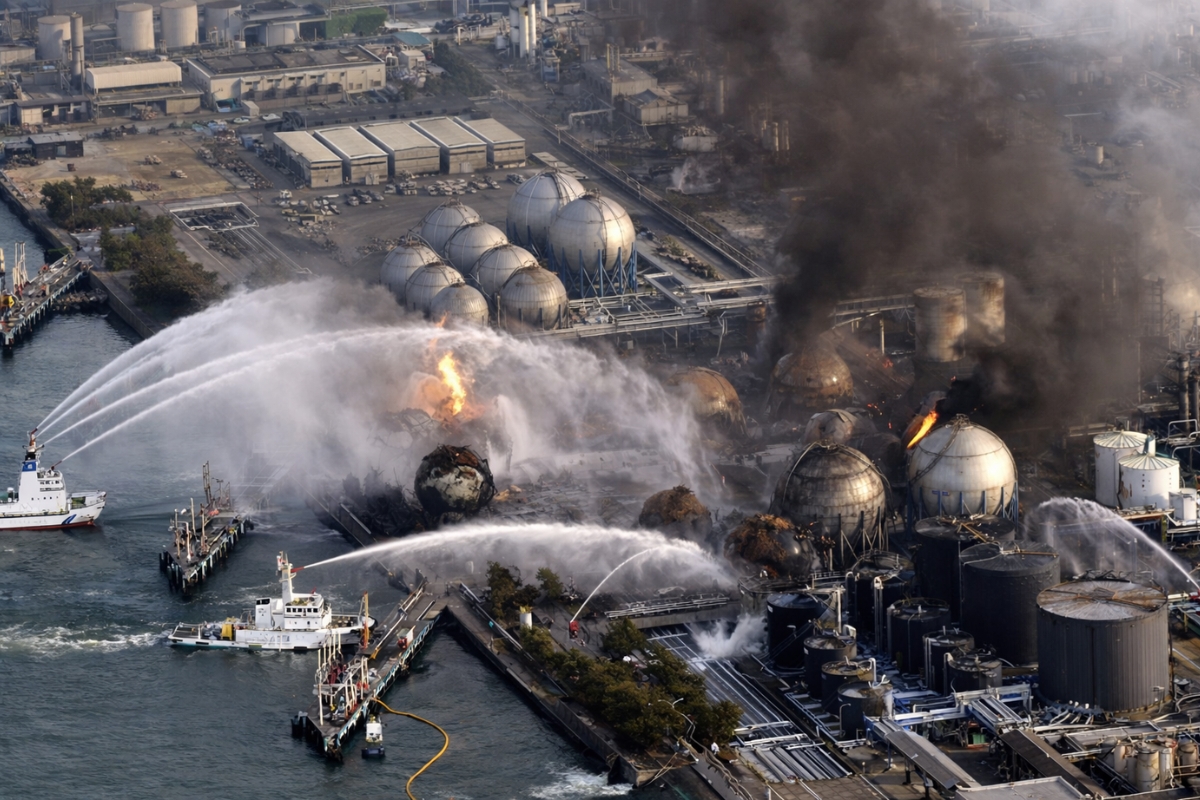
Fukushima Marks A Turning Point In Japan’s Energy Policy: After The Disaster, The Country Shut Down Its 54 Nuclear Reactors And, 15 Years Later, Only A Small Portion Have Returned To Operation
-
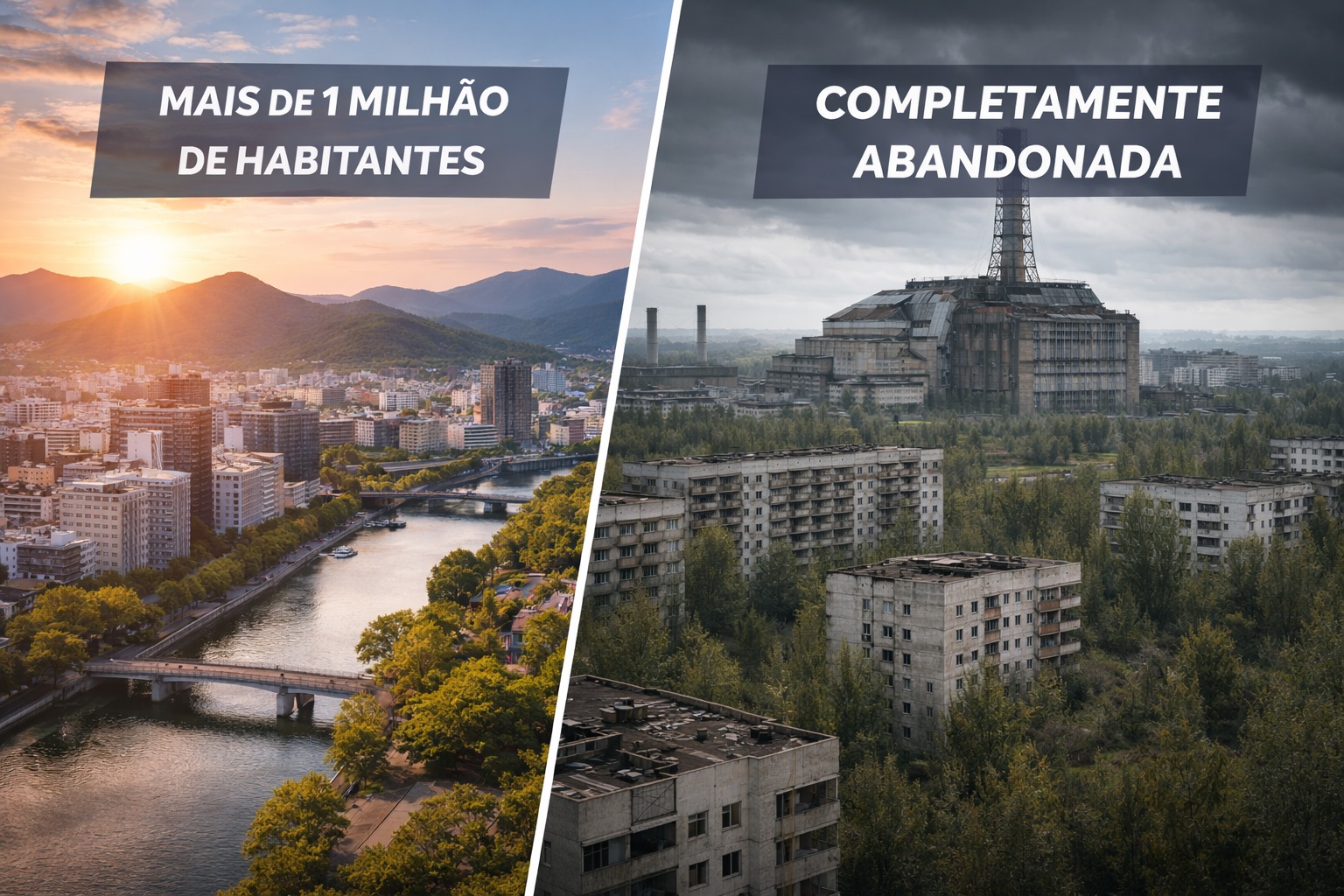
How Japan Overcame The Nuclear Bomb And Now Houses Millions In Hiroshima, While Ukraine Lost Chernobyl?
-
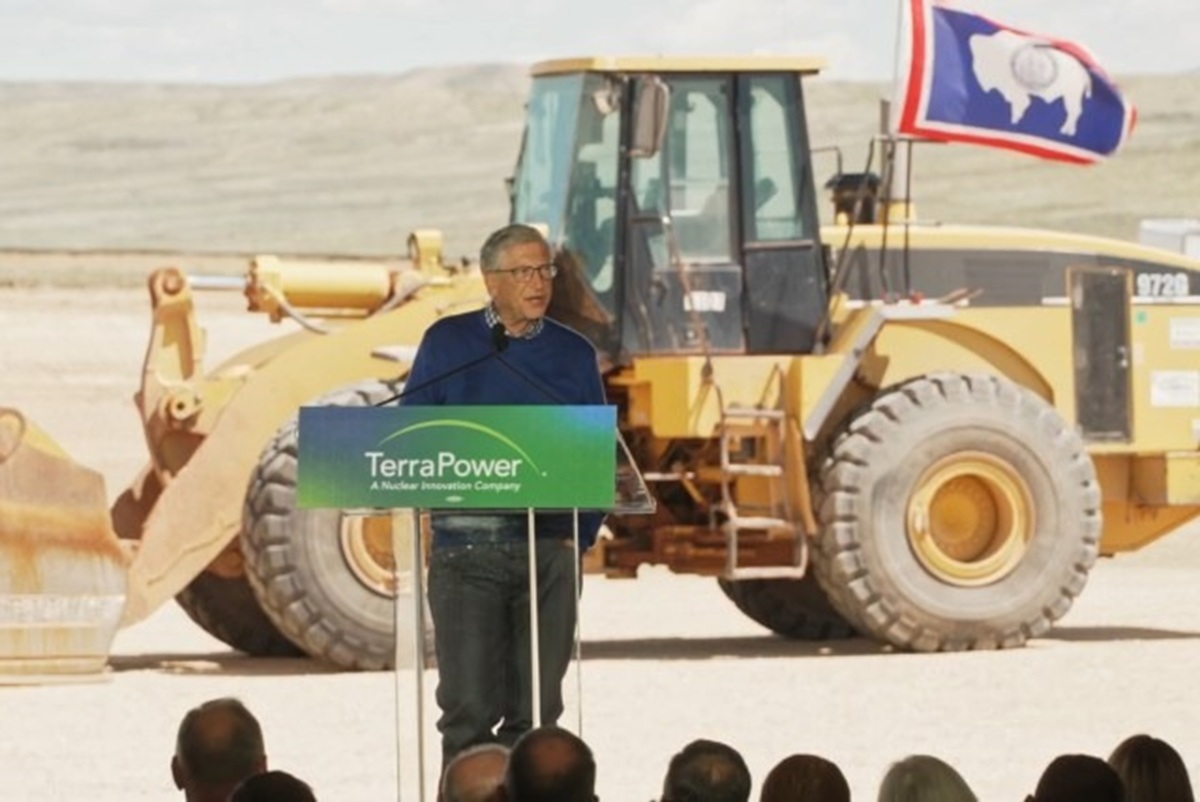
Bill Gates Receives Historic Approval to Build Giant 345 MW Nuclear Plant in the U.S. and Promises to Generate Up to 500 MW of Energy with Innovative Technology
-
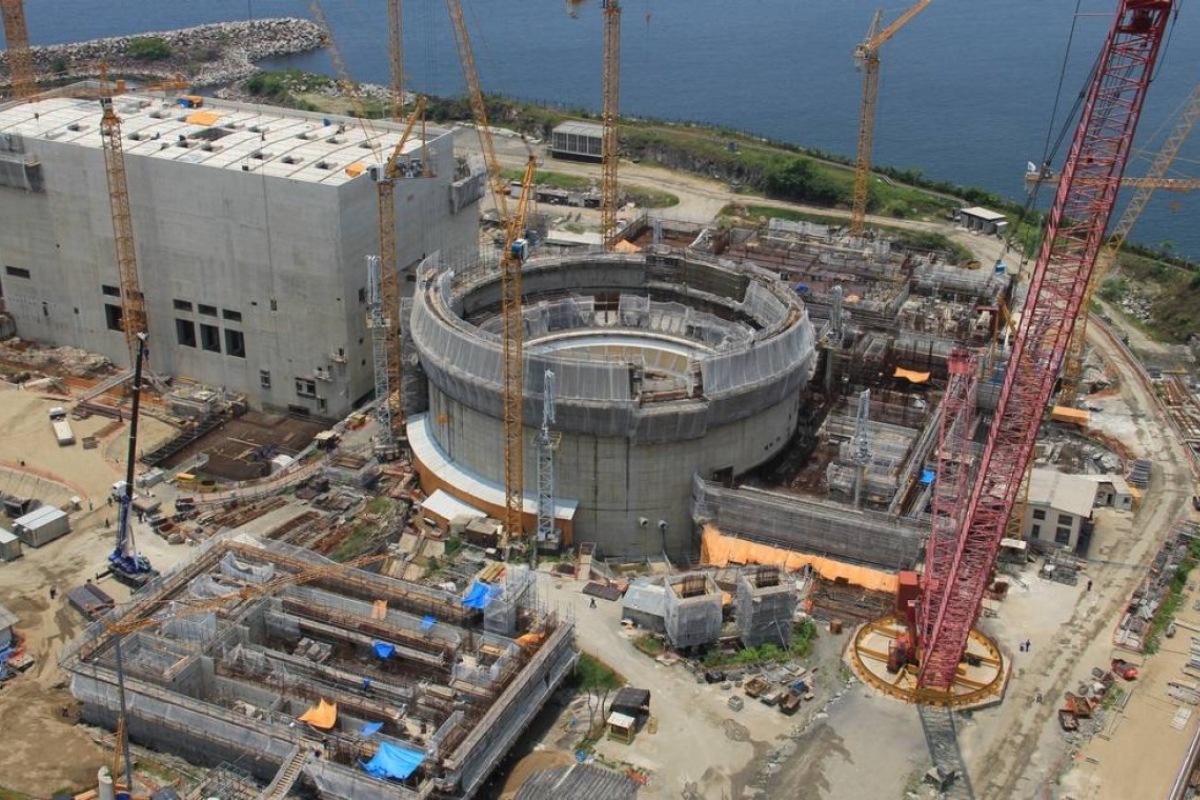
India Opens Nuclear Energy to Private Capital to Accelerate Projects and Attract Billions, While Brazil Remains Stalled at Angra 3 and Discusses Who Will Foot the Bill for Completion

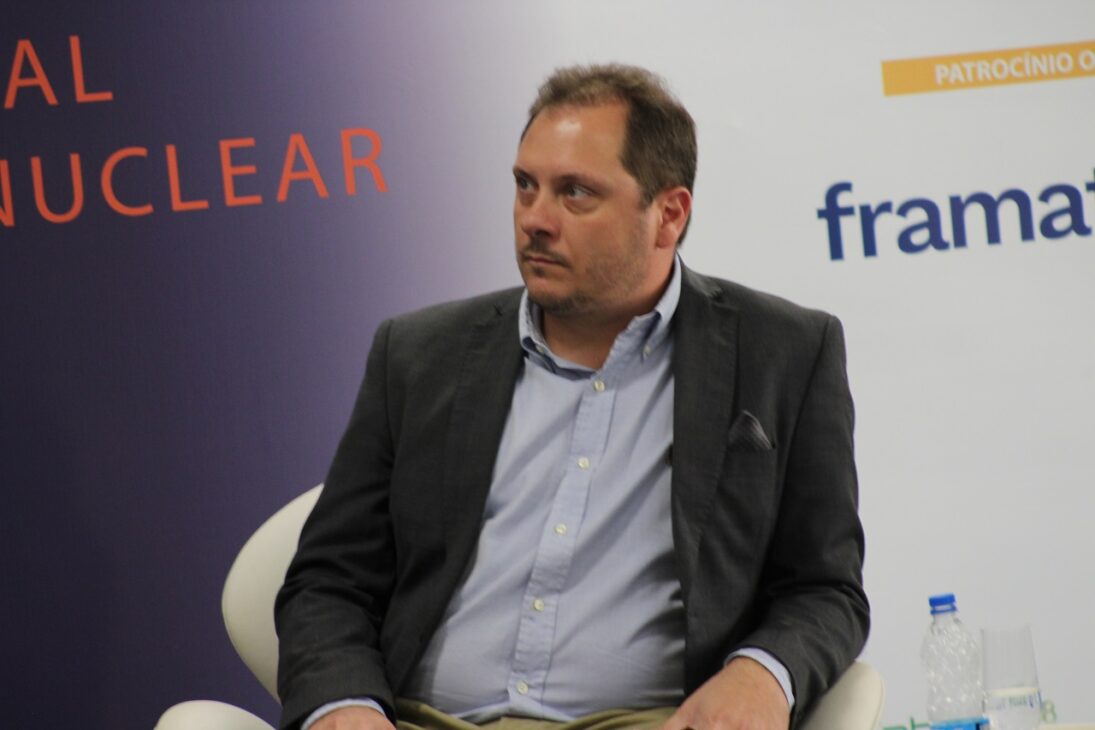
In the debate “Sustainability at the Center of Nuclear Sector Communication,” moderated by journalist Tânia Malheiros, journalist and editorial consultant at the Megawhat Platform, Rodrigo Polito, agreed with Larissa. The communication aspect is fundamental for the development of Brazilian nuclear energy. But it must be different and dynamic. The traditional model will not work. “There is a positive path for nuclear energy because of the problems we face with the climate. If the battle is climate change, there is no way to ignore it,” argued Rodrigo.
Ignorance Brings A Bad Reputation To Nuclear Energy
The communication advisor of the Institute of Energy and Nuclear Research (Ipen), Ana Paula Artaxo, evaluates that the topic attracts the media when something negative happens, such as accidents. She notes that the pandemic period, however, reaffirmed the importance of science for a large segment of the population. Ana agrees that communication is one of the necessary paths, but advocates for the inclusion of scientific education in the school curriculum. “A sacred image was restored with gamma ray treatment. Nuclear energy also helps preserve a country’s memory. It is part of daily life. It is through familiarity that we will manage to communicate it to citizens,” she opines.
Will we be able to hold global warming, in the best case, to the goal of 1.50C?, asks Carlos Leipner, Global Nuclear Strategy Director at the Clean Air Task Force. He believes that no matter how much we do in carbon containment, the future is not very promising. The world needs more and more energy. And our dependence on fossil fuels remains at 80%, after 20 years of investment in alternative inputs. The challenge is enormous and requires aggressiveness, he says. Carlos notes that nuclear energy is not the only tool we have in our toolbox, but it cannot be ignored. “In a decade, France changed its energy matrix. About 70% comes from nuclear plants. So it is possible if there is a will to invest,” he said.
Nuclear Fusion in Brazil?
Almost no one knows that there is a group working on nuclear fusion in Brazil. This lament comes from the moderator of the panel “The Age of Nuclear Fusion,” the technical coordinator of Amazul, Leonardo Dalaqua. But there is. Gustavo Paganinni Canal, from the Plasma Physics Laboratory of the Institute of Physics (IF/USP), explains that the work is part of the Nuclear Fusion Program from the Ministry of Science, Technology and Innovation, which brings together 25 researchers from various fields. The idea is to develop everything in Brazil, without bringing anything from abroad. Develop national technology. Projects are already developed and ready for the market, but the national industry resists. “The development of superconducting coils is crucial for nuclear fusion, but it is also of great interest to other areas. The world currently invests US$ 4.8 billion in nuclear fusion research; 2% is public, while the rest is private,” he estimates.
Among others, the XIII SIEN was attended by the Minister of Science, Technology and Innovations, Paulo Alvim, representatives from ABDAN (Brazilian Association for the Development of Nuclear Activities), the Deputy General Director and Head of the Nuclear Energy Department of the International Atomic Energy Agency – IAEA, Mikhail Chudakov, the presidents of ENBPar, Ney Zanella, of CNEN, Paulo Roberto Pertusi, of Eletronuclear, Eduardo de Souza Grivot Grand Court, of NUCLEP, Carlos Seixas; and of INB, Carlos Freire, in addition to the Technical Director of Amazul, Carlos Alberto Matias, the president of the Brazilian Institute of Mining, Raul Jungmann, and the specialist from the petroleum, gas, and naval management at Firjan, Savio Bueno Guimarães.
Via Nelza Oliveira | Primeira Linha Comunicações








Seja o primeiro a reagir!