





 Portuguese
  English
  Spanish
  4 min of reading
  0 comments



The So-Called “Hybrid Creep” Describes the Gradual and Unannounced Increase in Physical Presence Requirements at Work, with Companies Adding Days in the Office, Using Social Incentives and Career Signals to Raise On-Site Attendance Above 50% in 2026, Without Changing Formal Policies
The so-called “hybrid creep” describes the gradual and unannounced increase in the requirement for office presence, adopted by companies in 2026, with more in-person days, social incentives, and performance signals, raising attendance above 50% and redefining the hybrid model without formal orders.
The Concept of “Hybrid Creep” and Its Recent Origin
The term “hybrid creep,” a loose translation of hybrid creep, began circulating following a 2025 report from the British company Owl Labs. The term describes the slow and often silent expansion of expectations for in-person work.
According to the report, schemes initially defined as two or three days in the office tend to, over time, approach almost full presence. This movement occurs without formal announcements, practically altering the meaning of hybrid work in 2026.
-
He sold his share for R$ 4 thousand, saw the company become a giant worth R$ 19 trillion, and missed the opportunity of a lifetime.

-
Elon Musk’s Starship megafrocket puts $8 billion at risk, raises alarms in the market, and could affect technology, mining, and space internet startups in the coming years.

-
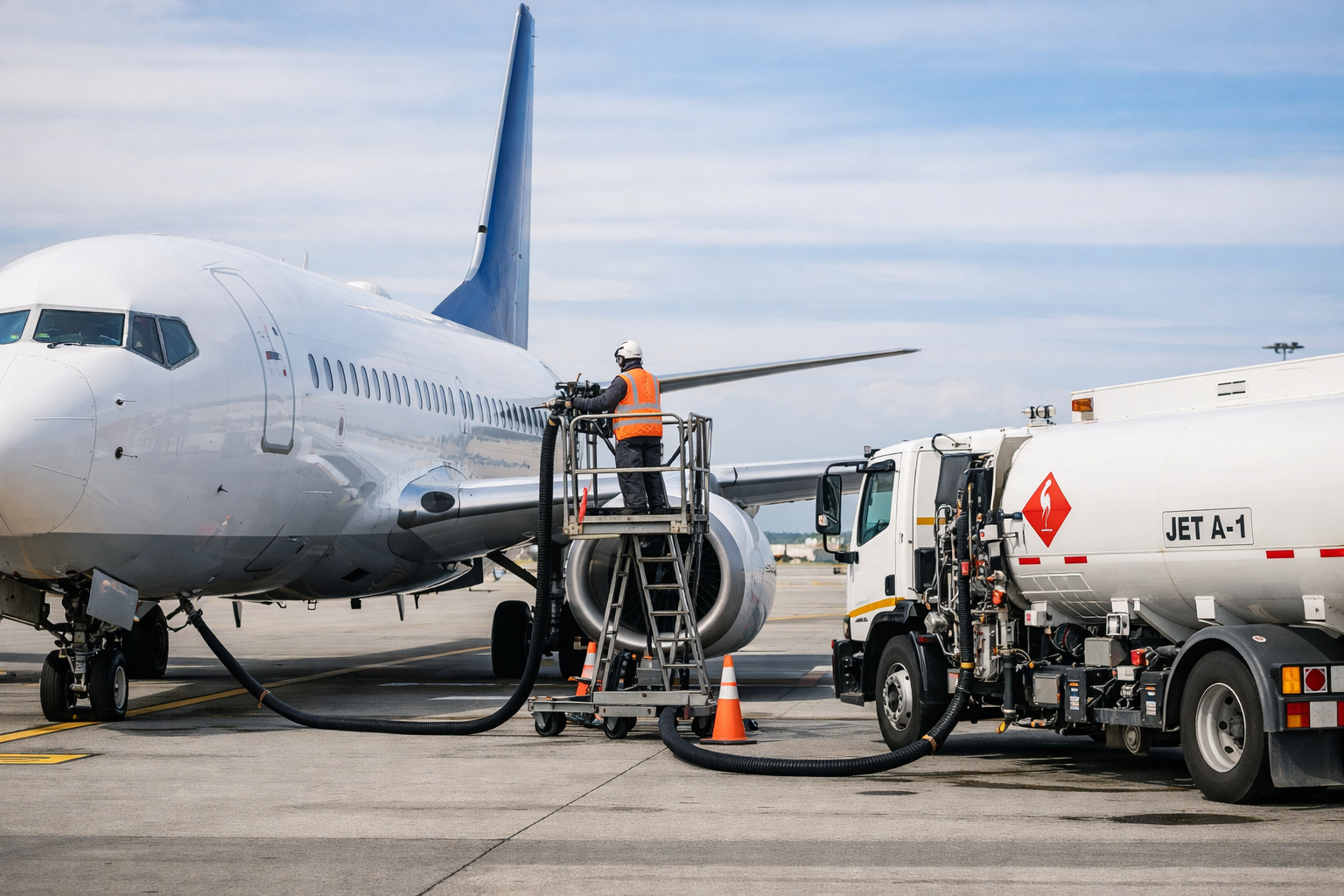
Airfare prices may rise with increasing fuel costs, and the government is considering urgent measures to avoid a direct impact on the wallets of Brazilians.
-
Chocolate prices soar nearly 15% and become a luxury item for Easter 2026, with increases surpassing inflation and changes in Brazilian consumption habits.


The strategy arises after companies struggled to bring employees back solely through rigid policies. Instead of direct impositions, organizations began to use social pressures, subtle incentives, and indirect signals of professional value.
Journalist Callum Borchers from The Wall Street Journal classified the practice as a particularly passive-aggressive form of people management, raising office presence without an explicit order.
Tactics Adopted by Managers to Increase Physical Presence
One of the most common practices is creating more “anchor days,” when teams are expected to be present for meetings, collaboration sessions, or client meetings. The magazine Stylist noted that these days tend to spread throughout the week.
With the multiplication of anchor days, it becomes difficult to maintain consistent periods of remote work. The cumulative effect practically reduces the flexibility initially promised to employees, even without a formal policy change.
Another mechanism is directing promotions and higher-valued projects to professionals who are more visible in the office. The implicit message is that physical presence carries as much weight as, or more than, the delivery of results.
At the same time, companies reinforce in-person attractions, such as free lunches, internal events, and guest speakers. These actions reposition the office as the center of professional life, reinforcing the dynamics of hybrid creep.
Productivity, Supervision, and the Role of On-Site Management
Many managers report difficulties in measuring productivity and guiding teams they see rarely, especially younger workers in the learning phase. Hybrid creep arises as an alternative to regain direct supervision and informal mentoring.
This approach allows for increased in-person contact without facing the public backlash of a rigid return mandate. Thus, the change occurs gradually, avoiding immediate negative reactions from employees.
The current context is the result of multiple dynamics from the post-pandemic period. Remote and hybrid models have given rise to specific profiles of workers, now impacted by this new phase of silent adjustments.
Among them is the so-called “coffee badger,” an employee who appears in the office only briefly before returning to remote work. This profile may see hybrid creep as a direct threat to their way of operating.
Worker Profiles and Data on Adherence to the Hybrid Model
Another mentioned group is the “job hugger,” a worker who developed greater loyalty to the company following the transition from the “Great Resignation” to the “Great Stay” and subsequently to the hiring-free economy. This profile tends to accept the increase in physical presence better.
Data from Owl Labs indicates that the “coffee badger” constitutes 43% of the workforce. Meanwhile, 17% of hybrid workers fall into the so-called “hushed hybrid,” maintaining remote agreements that are not openly discussed.
These results resonate with analyses from the real estate consulting firm Jones Lang LaSalle, which described the “non-compliant,” professionals who have the autonomy to set their own schedule due to the value they deliver to the company.
The numbers reveal a fragmented scenario, where different arrangements coexist, but all are pressured by the silent increase in physical expectations over time.
Employee Reactions and Criticism of the Expanding Model
Some workers respond positively to clearer routines and in-person contact after years of dispersed arrangements. For this group, hybrid creep offers predictability and greater professional interaction.
For others, the process sounds like a broken promise. The gradual reduction of flexibility undermines one of the main factors that led many to accept or remain in their jobs, generating frustration and a sense of lost autonomy.
Critics warn that linking career progression to attendance can penalize caregivers, people with disabilities, and professionals with long commutes, even when performance is consistent and high.
Employee representatives also point out that unclear expectations breed resentment, prompting silent resignations or new job searches as workers perceive changes in the rules of the game.
Practical Guidance and Risks for Companies in 2026
Career consultants recommend that employees document results and demand explicit expectations from managers, such as the number of days in the office, which days, and how this affects performance evaluations. Clarity is seen as a defense against implicit demands.
On the company side, the risk is compromising trust if workers feel manipulated rather than consulted. Hybrid creep may generate attendance gains, but also internal reputational costs.
According to Borchers, the phenomenon is approaching a tipping point. Data from the office return indicator from access control company Kastle Systems show annual growth over the last six months.
By early 2026, average attendance surpassed 50%, exceeding levels from 2025. This threshold marks a recent new high and indicates that the silent redefinition of hybrid work is already underway, even without formal announcements.








Seja o primeiro a reagir!