





 Portuguese
  English
  Spanish
  6 min of reading
  0 comments


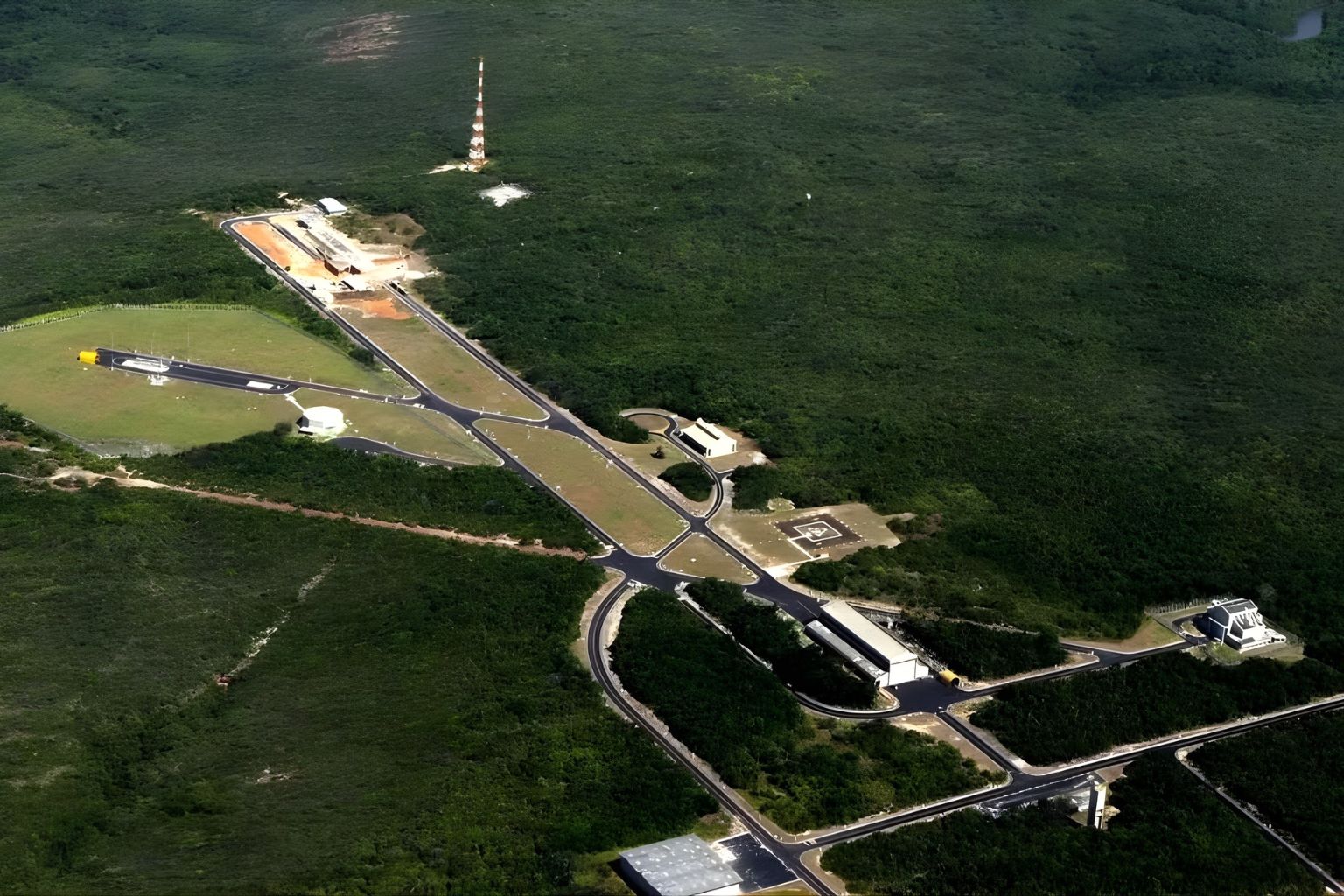
Alcântara Base in Maranhão, close to the Equator, can reduce rocket fuel and has returned to the global radar after an agreement with the USA.
In 2023, the Alcântara Launch Center, located in Maranhão and operated by the Brazilian Air Force, returned to the spotlight in the aerospace scenario with the Astrolabe Operation, conducted in partnership with the South Korean company INNOSPACE. The base combines a rare combination of geographical factors that place it among the most strategic locations on the planet for launches: according to federal government information about the Alcântara Space Center and study by Ipea on the CLA, the complex is located about 2 degrees, or 2º18’, south of the Equator, a condition that facilitates orbital insertion and reduces propellant consumption in equatorial missions.
The growing interest is linked to the resumption of international agreements, especially after the signing of the Technological Safeguards Agreement with the United States in 2019, which paved the way for the commercial use of the base by foreign companies. According to a joint statement from the Ministry of Foreign Affairs, the Ministry of Defense, and the then MCTIC, the AST significantly expanded the possibilities for commercial use of the Alcântara Space Center, including for launches with systems or components of North American origin. The federal government later reported that, following the signing and ratification of the agreement, public calls were opened and licenses were issued for private operators interested in operating at the center.
At the same time, official communications from the Brazilian Space Agency about the operation in Alcântara reinforce that the base combines favorable weather conditions, an azimuth of 107 degrees, and logistical advantages that allow greater orbital flexibility without the need to change the launch site. This combination of strategic location, existing infrastructure, and potential for commercial expansion repositions Brazil in a global debate about space logistics and launch efficiency.
-
ABB integrates generative artificial intelligence into the energy management system and accelerates operational insights in the industry with more efficiency, sustainability, and data-driven decision-making.

-
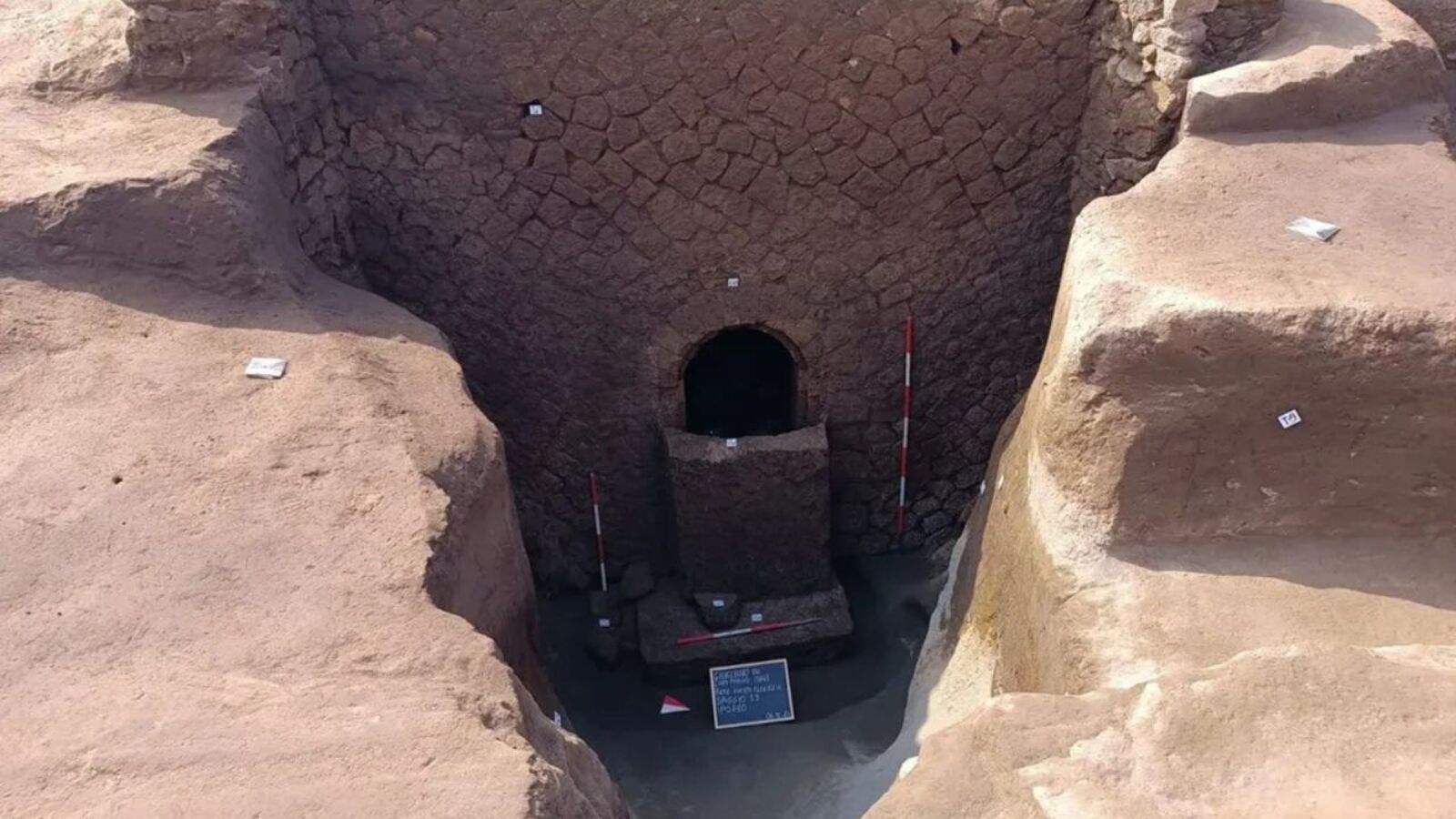
For the first time in 2,000 years, a sarcophagus was opened in the Tomb of Cerberus, revealing a mummy lying face down, a preserved shroud, and funerary objects in Naples.
-
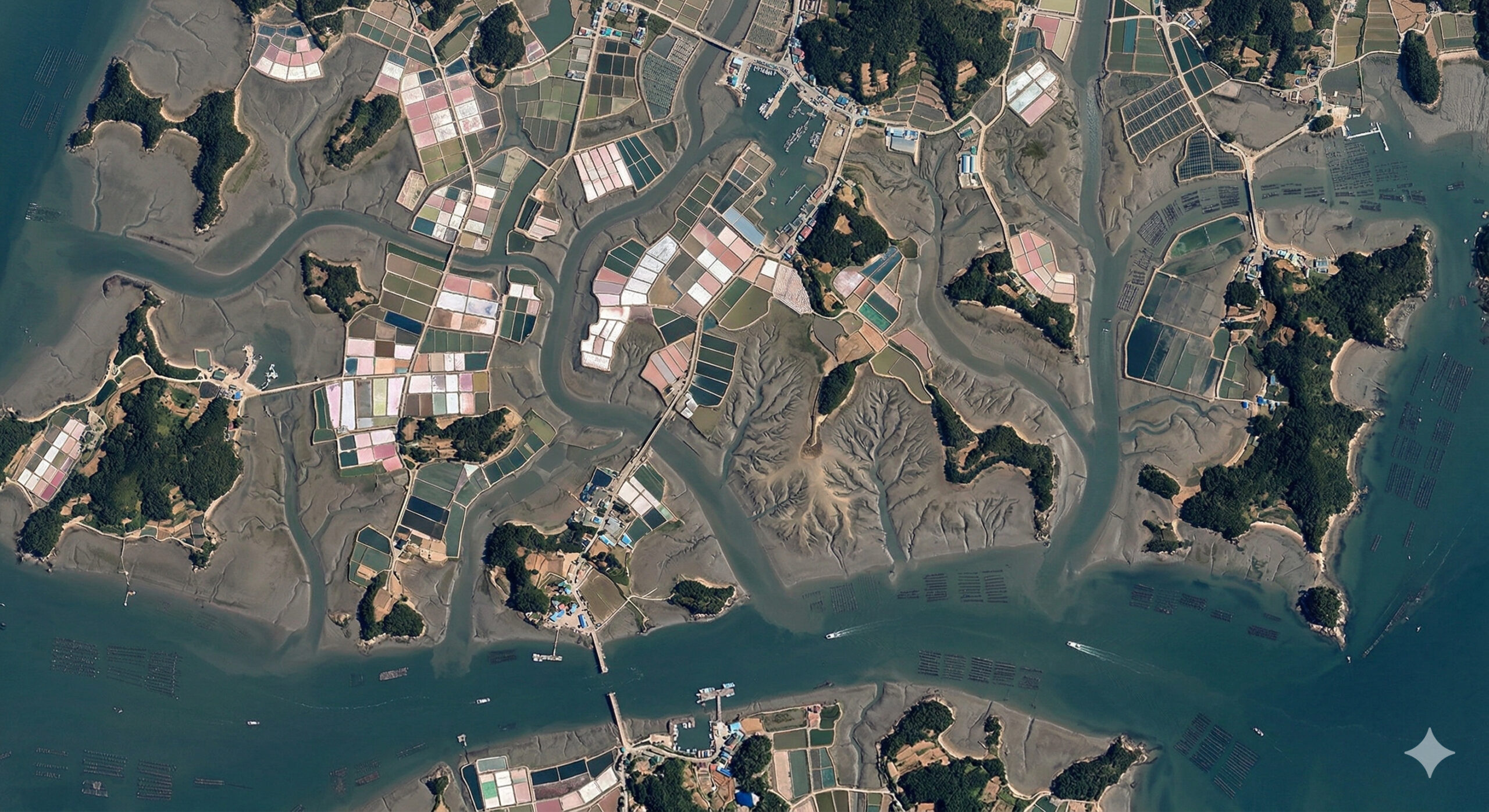
In the south of South Korea, thousands of islands, salt pans, and coastal structures create a mosaic so jagged that, viewed from space, they resemble a human puzzle scattered among tides, mud, and channels.
-
Equatorial Group invests R$ 21 million in the Delfos Project with artificial intelligence and launches a new customer experience management model in the Brazilian electric sector.
Location at 2.3° from the Equator offers a real and measurable physical advantage for space launches
The main advantage of the Alcântara Launch Center is directly linked to its geographical position. The closer a rocket is launched to the Equator, the greater the speed gain provided by the Earth’s rotation.
In the equatorial region, the planet’s surface rotates at approximately 1,670 km/h, a speed that can be partially transferred to the rocket during launch. This natural boost reduces the amount of energy needed to reach orbit.
In practice, this means:
- lower fuel consumption
- greater payload capacity
- reduction of operational costs
Aerospace industry studies indicate that this advantage can represent significant fuel savings, especially in missions aimed at equatorial or geostationary orbits.
Comparison with French Guiana shows why latitude is one of the most valuable assets in the space industry
The relevance of Alcântara’s location can be understood by comparing it with the Kourou Space Center in French Guiana, which is about 5 degrees north of the Equator and is one of the world’s main launch hubs.


Kourou was chosen precisely for this geographical advantage, being used for decades by the European Space Agency for commercial and scientific launches. Proximity to the Equator allows optimizing the performance of Ariane rockets, reducing costs and increasing efficiency.
Alcântara, in turn, is even closer to the equatorial line, which, in theory, offers an additional advantage. This feature places Brazil in a strategic position comparable to the world’s major space bases.
Existing infrastructure and coastal location enhance safety and efficiency of operations
In addition to its privileged latitude, Alcântara has another important characteristic: its position close to the coast. This allows launches to be conducted over the Atlantic Ocean, reducing risks in case of failures.

The trajectory of rockets can be directed to uninhabited areas, which increases operational safety and meets international standards required for commercial launches.
The base’s infrastructure includes:
- launch platforms
- rocket integration areas
- tracking and control systems
Although it does not yet operate at the same level of complexity as large international centers, the base has potential for expansion and modernization.
The 2003 explosion profoundly marked the Brazilian space program and interrupted advances
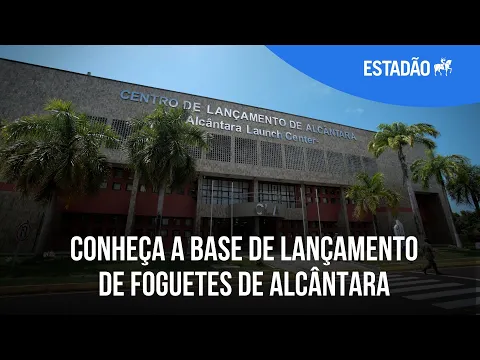
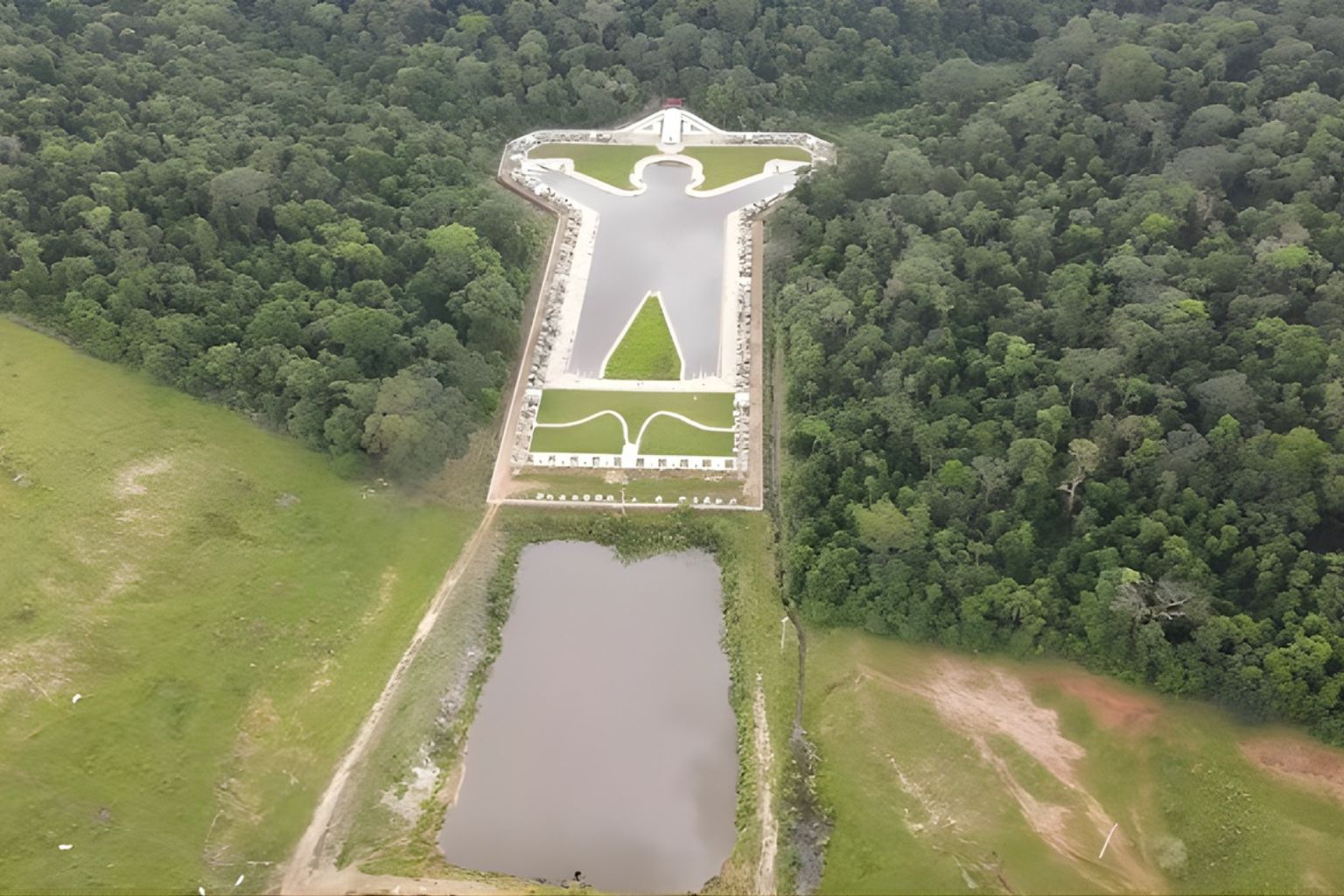
One of the most critical episodes in the history of the Alcântara Launch Center occurred on August 22, 2003, when an explosion during tests of the VLS-1 rocket resulted in the death of 21 technicians and engineers.
The accident had immediate and lasting impacts:
- project halts
- revision of safety protocols
- loss of highly specialized human capital
The tragedy exposed weaknesses in the Brazilian space program and interrupted advances that had been built over years.
Resumption of international agreements repositions Alcântara on the radar of the global space industry
Since 2019, with the signing of the agreement between Brazil and the United States, Alcântara has once again been part of discussions about commercial launches. The agreement allows companies to use the base with protection of sensitive technologies, an essential requirement for international operations.
This movement accompanies a global transformation in the space sector, marked by the entry of private companies and the growing demand for satellite launches.
As a result, Alcântara is now considered a strategic alternative for:
- commercial launches
- small and medium-sized missions
- operations aimed at equatorial orbits
Satellite images allow clear identification of the base structure in Maranhão
Although not visible to the naked eye from space, the Alcântara Launch Center can be clearly identified in high-resolution satellite images. In these images, it is possible to observe:
- launch areas
- technical facilities
- runways and support structures
This visibility reinforces the strategic nature of the base, which stands out as one of the few installations of its kind in South America.
The geographical position and the possibility of commercial use place Alcântara as a relevant asset not only from a technological perspective but also economic and geopolitical.
The global market for space launches moves billions of dollars annually, driven by the demand for communication satellites, Earth observation, and navigation. Participation in this market can generate:
- revenues from launch services
- attraction of foreign investments
- technological development
Additionally, the base can strengthen Brazil’s position in international negotiations related to space.
Technical, social, and structural challenges still limit the full utilization of the base
Despite its potential, the full use of Alcântara faces significant challenges. Among them:
- need for infrastructure modernization
- continuous technical training
- social issues involving local communities
The expansion of operations requires a balance between technological development and respect for the region’s populations, as well as long-term strategic planning.
The growth of private companies in the space sector, such as small satellite operators, has increased the demand for efficient and accessible launch sites. Bases close to the Equator tend to be more competitive in this scenario.
Alcântara, with its privileged location, fits into this new context and can benefit from the expansion of this market.
The future of Alcântara could redefine Brazil’s role in the global space race
With one of the planet’s most advantageous geographical positions for space launches, the Alcântara Launch Center brings together characteristics that few countries possess. At the same time, it carries a history marked by challenges and interruptions.
In light of the resumption of international agreements and the growth of the space industry, a central question arises: will Brazil be able to transform this geographical advantage into real prominence in the global aerospace sector?
Leave your analysis in the comments.








Seja o primeiro a reagir!