





 Portuguese
  English
  Spanish
  4 min of reading
  14 comments


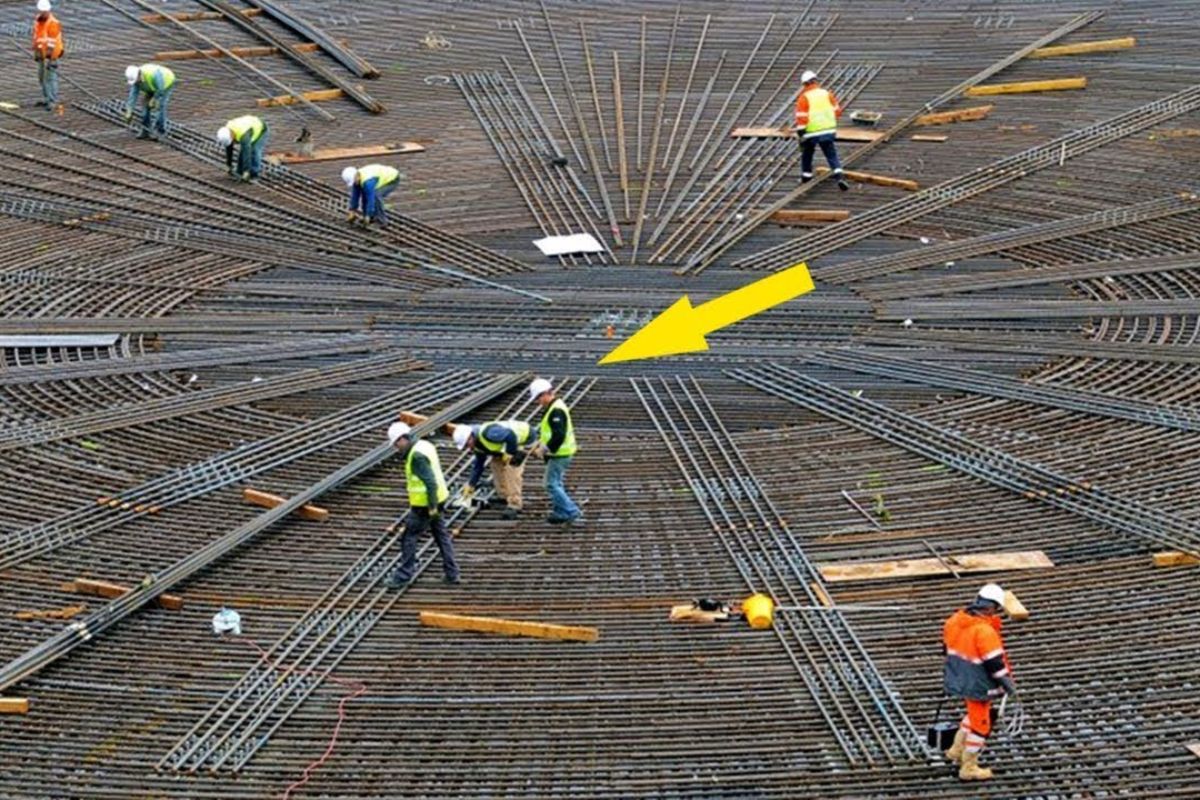


In The Construction Of The Tallest Building In The World, The Foundation Became An Open-Air Laboratory: Spiral-Reinforced Bars, Reinforcement Cages With Vertical And Horizontal Bars, Auger-Drilled And Poured Piles To Soil Or Rock, Concrete Laid And Vibrated To Eliminate Bubbles, Curing To Last For Decades Under Constant Winds
The Tallest Building In The World Doesn’t Start At The Top; It Starts Underground. The Foundation Of The Tallest Building In The World Was Treated As A Critical System: Transferring Massive Loads To Stable Layers, Withstanding Winds, Dealing With Desert Heat, And Maintaining Performance For Decades.
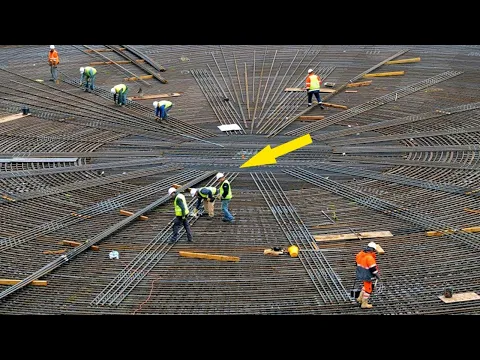
The Extreme Challenge Required A Rigid Sequence Of Manufacturing, Assembly, And Control: Precisely Formed Reinforcing Bars, Large-Dimension Steel Cages, Deep Piles, And A Structural Reinforced Concrete Mat, In Addition To Vibration Compaction And Curing For Gradual Strength Gain.
Spiral Reinforcing Bar And The Manufacturing That Anticipates The Underground

Before The Excavation Receives Concrete, The Work Needs To “Industrialize” The Reinforcement.
-
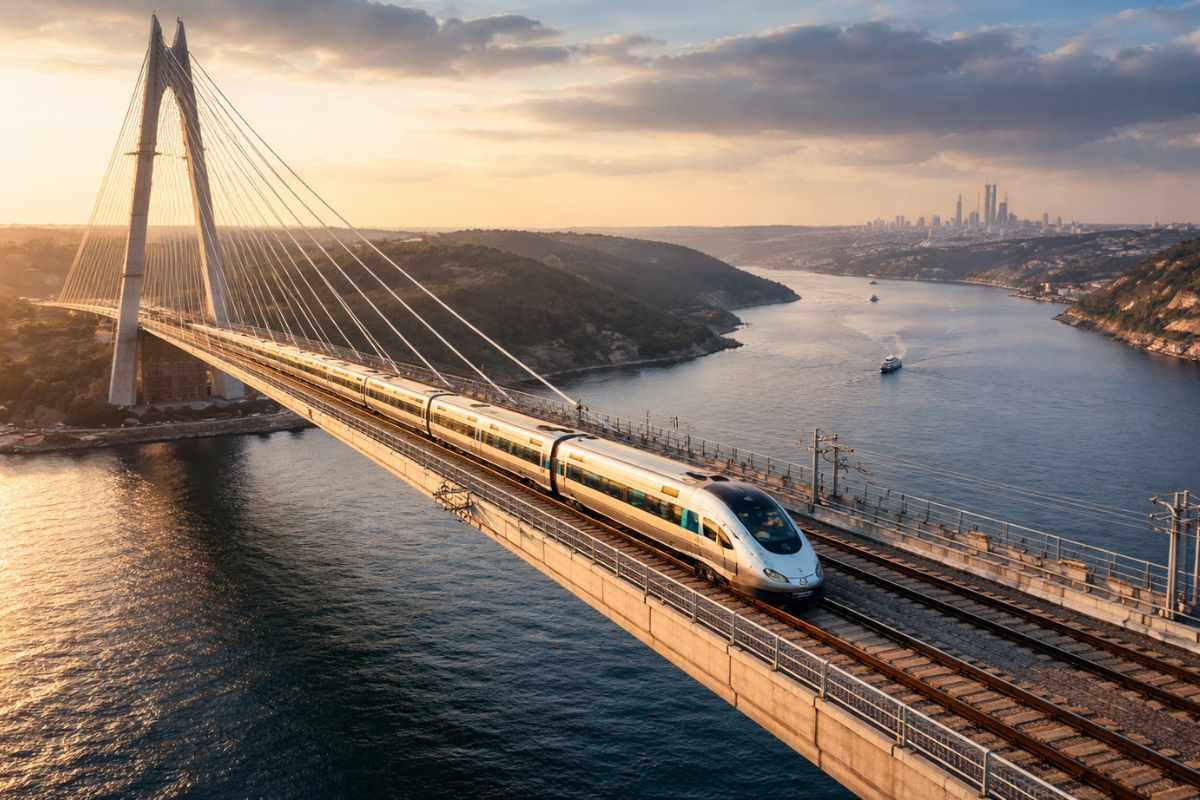
Between tunnels, bridges, and billions in investment, Istanbul is preparing to receive a 125-kilometer railway that crosses continents, enhances the circulation of goods and passengers, and changes the strategic outlook of Turkish transportation.
-
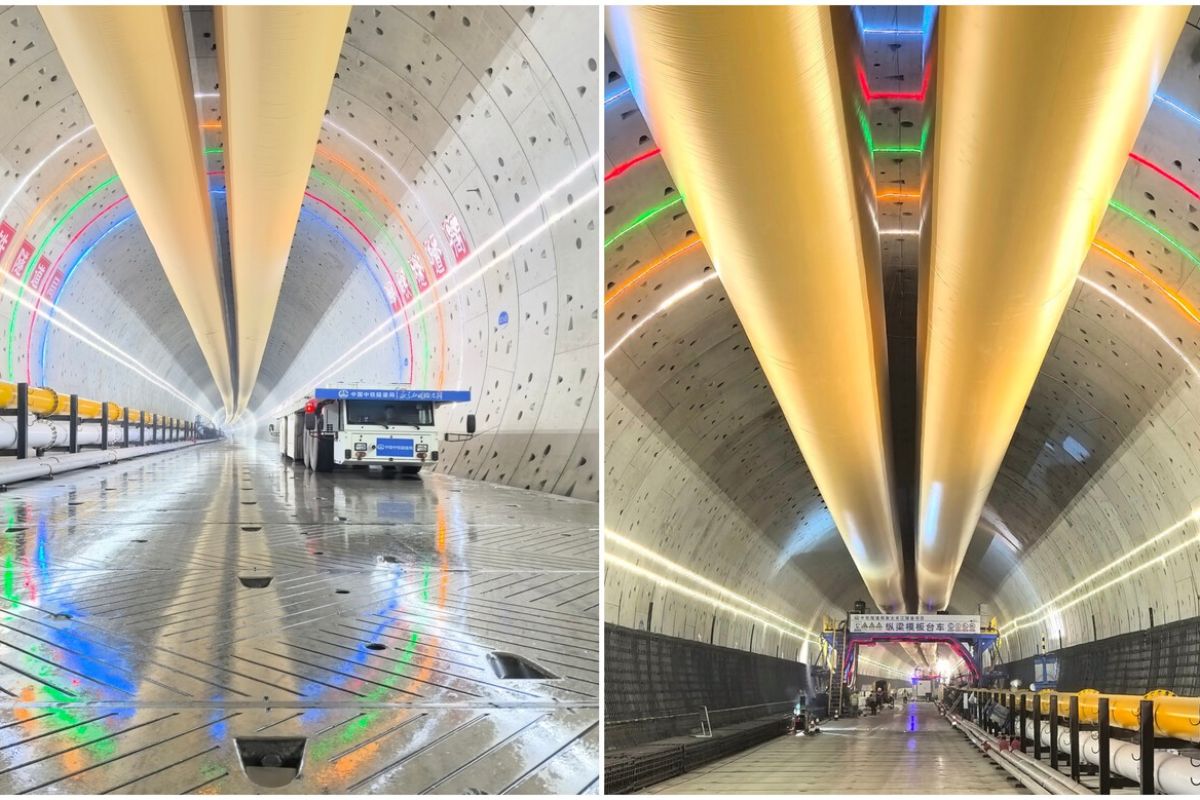
China completes the most critical section under the Yangtze River with the intelligent tunneling machine Linghang, excavating 11.32 continuous kilometers at depths of up to 89 meters and transforming the Chongming-Taicang tunnel into a landmark that redefines the scale of high-speed rail engineering in the 21st century.
-
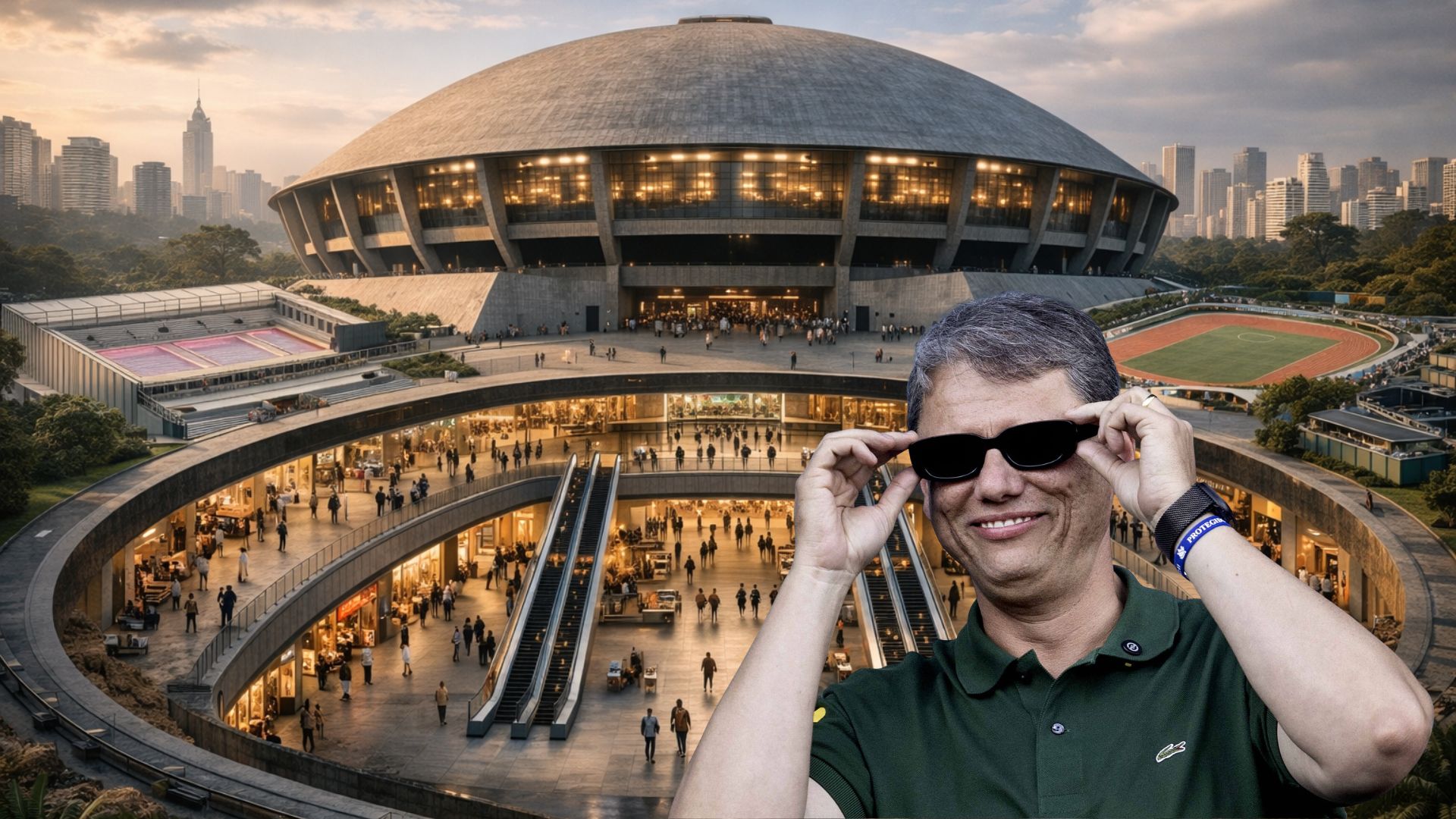
The government of São Paulo surprises South America with a plan to transform the famous Ibirapuera with underground shops, air conditioning, and a 25-year concession in a billion-dollar project that expands the audience, alters a protected area, and provokes an immediate reaction.
-
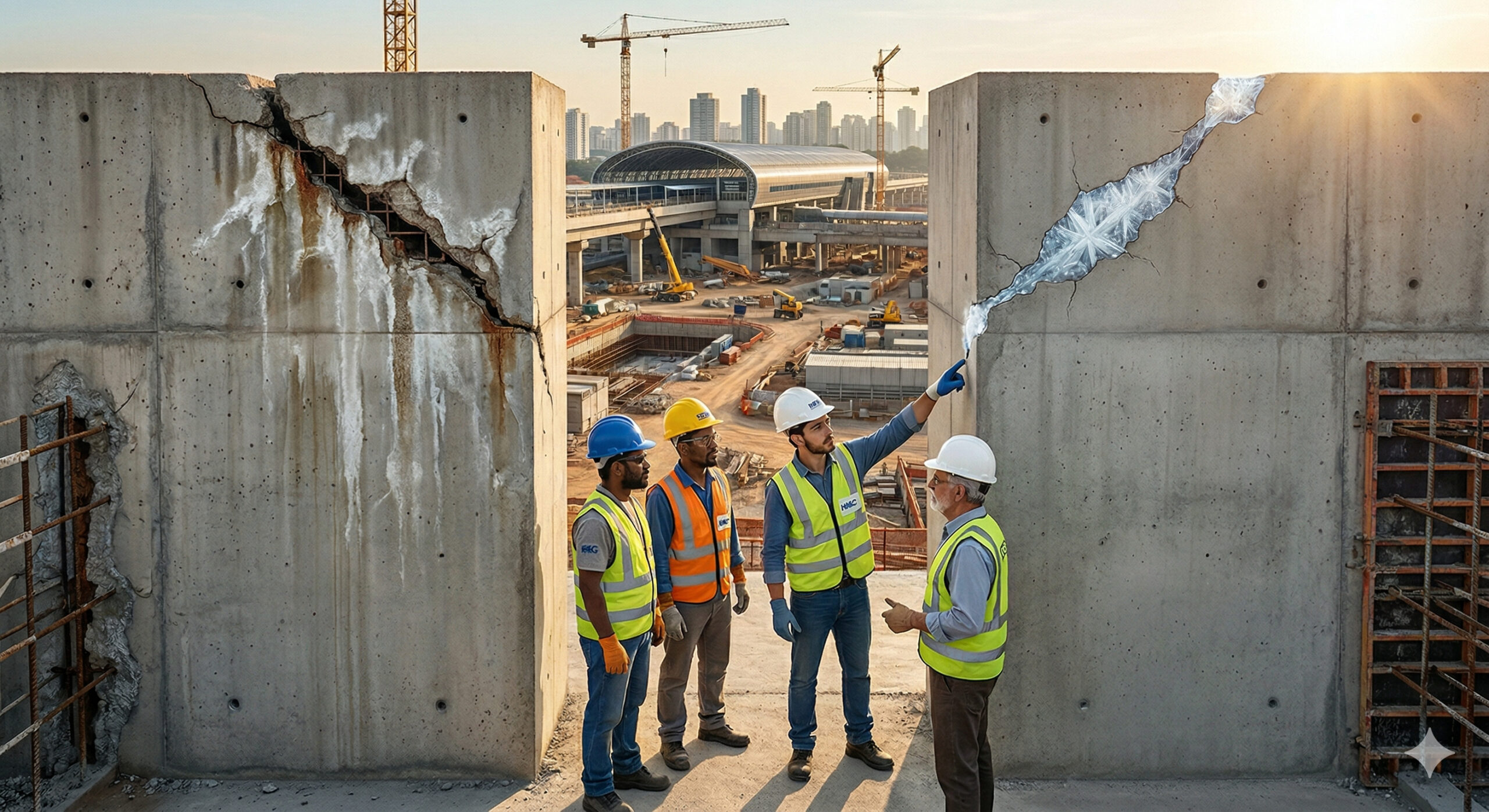
With a lifespan of up to 60 years and a cost up to 30% higher than conventional concrete, self-healing concrete is already being used in Brazil to eliminate leaks, reduce maintenance, and is changing the real cost of construction projects.

Reinforcing Bar Coils Or Flat Bars Are Loaded Into Machines That Work With High-Strength Steel, Available In Various Diameters.
A Bending Mechanism Molds The Reinforcing Bar Into A Spiral, Guided By Rollers Or Equivalent Components.
Modern Machines Operate With Programmable Controls, Allowing The Definition Of Properties Such As Diameter, Pitch, And Number Of Turns.
After Being Molded, The Spiral Can Go Through A Cutting System, Reaching The Necessary Length.
Then, The Reinforcement Is Gathered Or Transported For Further Processing And Storage, Maintaining A Production Pace Compatible With A Large-Scale Foundation Like That Of The Tallest Building In The World.
Giant Steel Cages And The Logic Of Internal Reinforcement

The Reinforcement Cage, Also Known As A Reinforcing Bar Cage, Is Installed According To Structural Engineering Requirements.
It Combines Vertical And Horizontal Bars To Provide Strength To The Foundation.
In Extreme Projects, This Step Becomes A Bottleneck: Alignment, Tying, Locking, And Safety Of The Cage Need To Be Completed Before The Concrete Arrives.
When The Cage Is Ready And Secure, The Next Step Is To Pour Concrete Into The Excavation.
The Concrete Coats The Cage And Forms The Fundamental Structure During And After The Pouring.
In The Tallest Building In The World, This Combination Of Steel And Concrete Is Not A Detail: It Is The Core That Allows The Whole To Work As A System, Not As Isolated Pieces.
Concrete Vibrated For Days, Compaction And Curing To Gain Strength

After The Pouring, Vibration Equipment Comes In.
They Are Used To Eliminate Air Bubbles And Ensure Proper Compaction Of The Concrete Around The Reinforcement Cage.
Proper Compaction Increases Strength And Durability Because It Reduces Internal Voids And Improves The Contact Between Concrete And Steel.
With The Concrete Poured And Compacted, The Surface Is Finished According To Project Specifications.
This May Include Leveling The Top Surface And Ensuring Proper Slope For Water Drainage.
Afterward, The Concrete Is Left To Cure And Gain Strength Over Time, A Decisive Point When The Foundation Needs To Support Records And Maintain Stability For Decades In The Tallest Building In The World.
Structural Mat And Deep Piles: The Package That Holds The Record
In The Cited Case, The Foundation Of The Burj Khalifa Consists Of A Large Reinforced Concrete Mat Structure Supported By Friction-Drilled And Reinforced Concrete Piles.
This Structural Mat Works As A Massive Platform That Distributes Loads, While The Piles Transfer Forces To More Stable Layers Beneath The Soil.
The Piles Are Deep Foundation Elements That Are Drilled And Poured.
They Provide Support By Transferring The Structure’s Load To A Stable Layer Of Soil Or Rock Below.
In The Tallest Building In The World, Depth Is Treated As A Stability Condition: The Foundation Extends Significantly To Reach Solid Bedrock, Increasing Security Against Shifts And Deformations.
Diaphragm Walls And Control Of Water And Soil In Deep Excavations
Tall Buildings Often Need To Control Soil And Water During The Execution Of Deep Foundations.
A Cited Method Is The Use Of Diaphragm Walls: Reinforced Concrete Walls That Support The Ground And Help Control Water Around The Excavation, Reducing Risks Of Instability And Rework.
This Type Of Retention Directly Relates To Final Performance: The More Predictable The Soil Behavior During The Critical Phase, The Greater The Chance That The Foundation Of The Tallest Building In The World Will Meet The Design Parameters Without Structural Surprises.
Monitoring: Measuring Inclination, Sliding, And Behavior Over Time
Foundations Of Tall Buildings Often Include Monitoring Systems To Assess Behavior During And After Construction.
This May Include Devices That Measure Inclination, Sliding, And Other Parameters, Allowing The Team To See Trends And React Before Small Variations Become Problems.
In A Project Like The Tallest Building In The World, Monitoring Is Not Bureaucracy: It Is Control Strategy.
The Foundation Ceases To Be Just “Buried Concrete” And Becomes An Observed Asset, With Data Supporting Technical Decisions.
The Foundation Of The Tallest Building In The World Is The Story Of A Record That Depends On The Invisible: Deep Piles, Giant Steel Cages, Vibrated Concrete For Compaction, Curing To Gain Strength, Structural Mat To Distribute Loads, Diaphragm Walls To Control Soil And Water, And Monitoring To See Real Behavior.
If You Produce Technical Content Or Follow Engineering, It Is Worth Reviewing These Points And Comparing Them With Other Mega-Foundations That Also Invest In Depth, Control, And Continuous Measurement.
In Your View, Which Step Is Most Critical For The Tallest Building In The World: Deep Piles, Structural Mat, Or Monitoring?






Muy interesante pero yo le haría patas laterales mucho más allá del edificio que en la punta exterior descansarán sobre una plataforma profunda y así evitar que pudiera inclinarse hacia cualquier lado por vibraciones sísmicas un otros imponderables.
Muito desafiador. Sei que isso esta além da ciência, desafiando tudo que sei da engenharia.
Então, eu vou acresitar no projecto assim que atingir o 1000 andar
Pinche página . Chingo de publicidad castrosa qué kno le interesa a nadie.