





 Portuguese
  English
  Spanish
  3 min of reading
  0 comments


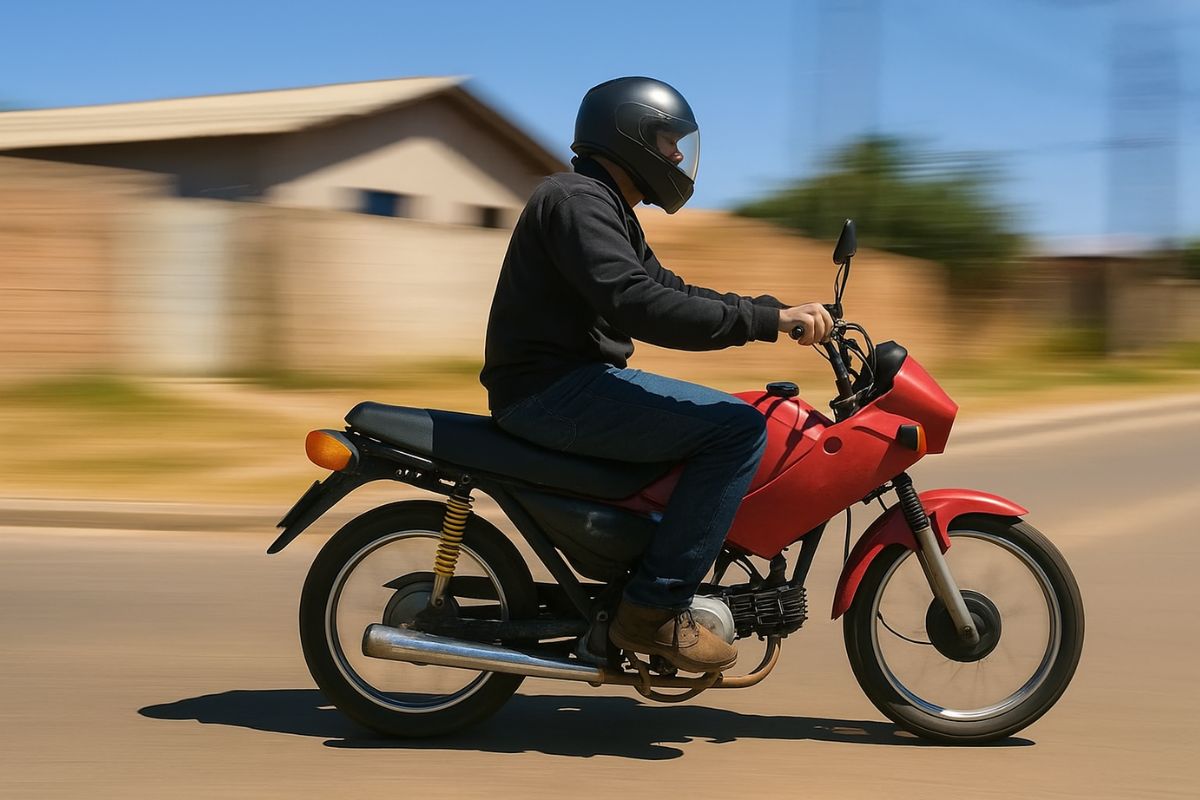
Launched As The Cheapest Motorcycle In Brazil, The Popzinha Became An Icon Of Robustness And Economy, But Is It Still Worth It In 2025?
The 2006 Classic Honda Pop 100 is a true phenomenon in the Brazilian motorcycle market. Launched at the end of that year as the most affordable motorcycle in the country, it was designed with a single purpose: to be an ultra-basic, reliable, and extremely economical means of transportation. Almost two decades later, its reputation for being “unbreakable” keeps it as one of the most sought-after options in the used market.
With a market price currently around R$ 3,500 to R$ 4,500, the “Popzinha” continues to be the gateway for many Brazilians into motorization. But is its famous fuel economy real? And what are the points of attention for those thinking of buying this icon in 2025?
How The “Popzinha” Was Born To Be Cheap And Reliable
In the mid-2000s, Honda, although an absolute market leader, saw its dominance threatened by the arrival of low-cost motorcycles, mainly from Chinese manufacturers. The Pop 100, officially launched as the 2007 model, was the brand’s strategic and strong response. The goal was to create a product with Honda’s quality seal, but at such an aggressive price that it would be unbeatable.
-
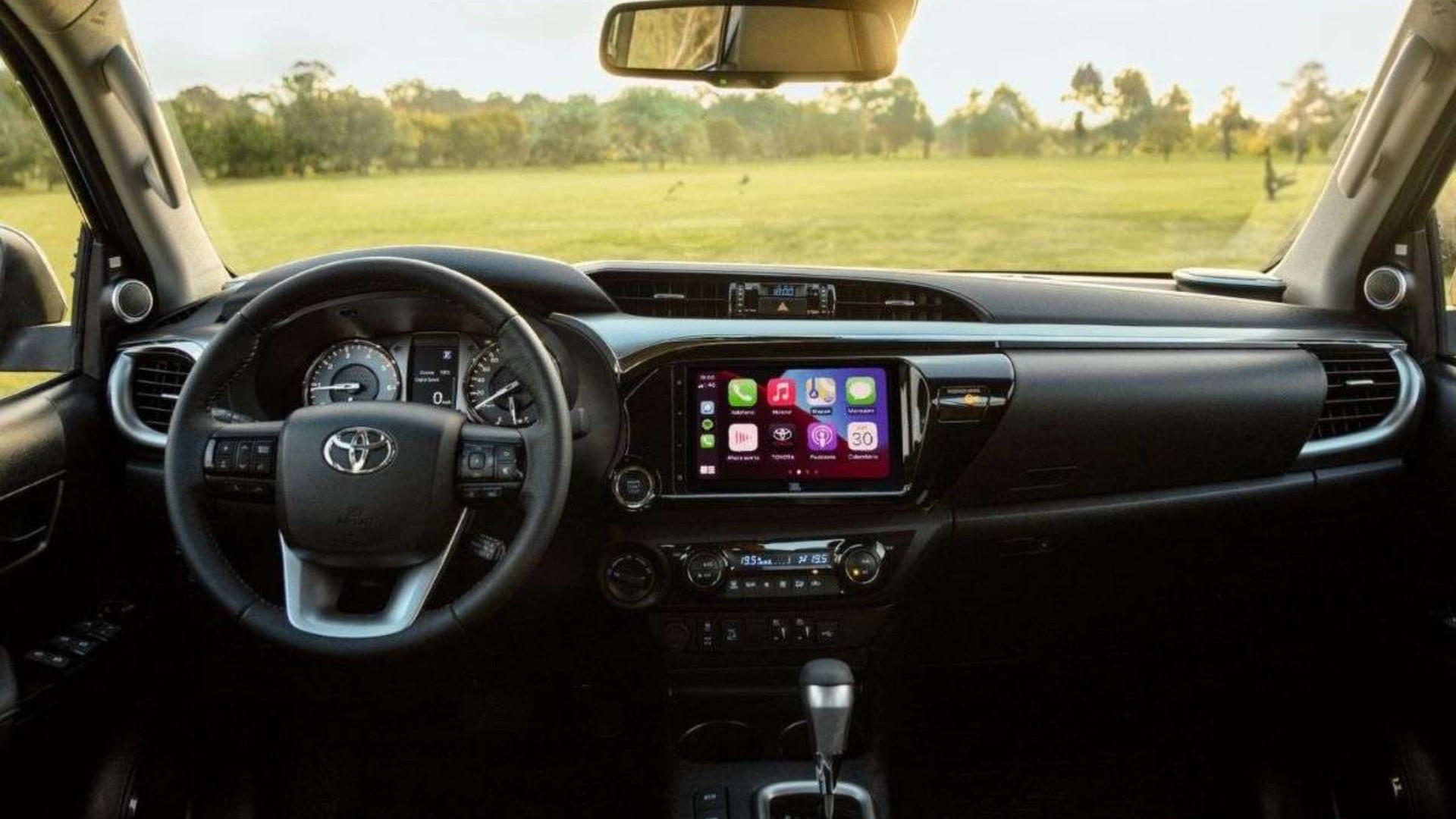
The Toyota Hilux is R$ 75.5 thousand cheaper and bets on the 2.8 turbodiesel engine with up to 204 hp and 50.9 kgfm to catch up with the VW Saveiro, which leads with 4,472 sales.
-
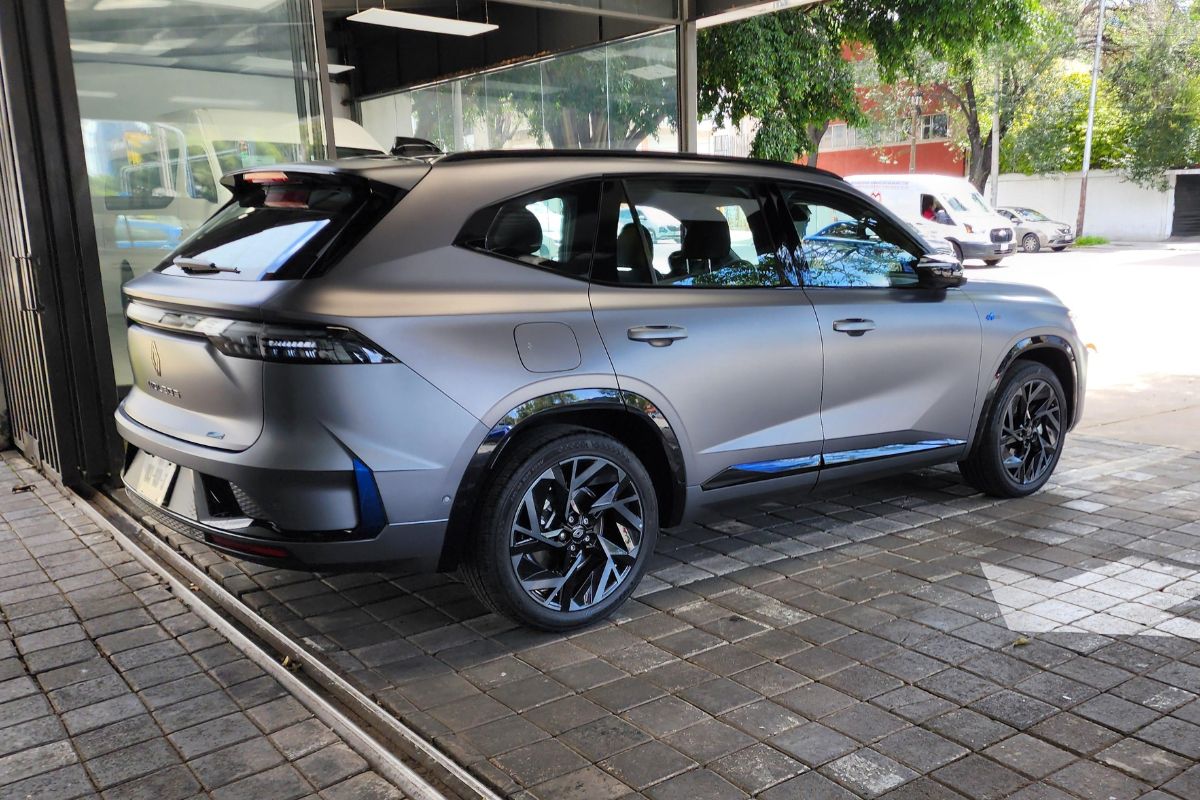
The new Renault Koleos has a screen exclusively for the passenger that is invisible to the driver, heated rear seats, and 29 assistance systems, but its Chinese competitors cost R$ 40,000 less and deliver more power.
-
The car stored for 38 years: when opening the barn door, what appears is breathtaking and looks like a scene from a movie!

-
Fiat works miracles in the Brazilian market, lowers the price of its 0 km hatch to R$ 69,990, reestablishes the model as the cheapest car in the country, and reignites the battle against Kwid and C3.

The philosophy behind the project was one of radical simplicity. Everything that was not strictly essential was removed. Compared to its bigger sister, the Biz, the Pop 100 lost the plastic fairings, the semi-automatic transmission, and the useful storage compartment under the seat. The result was a vehicle with “few things to break,” simple mechanics, and, most importantly, a launch price of R$ 3,990 that made it the cheapest motorcycle in Brazil.
The Unbreakable Engine And The Mechanics Designed To Avoid Headaches
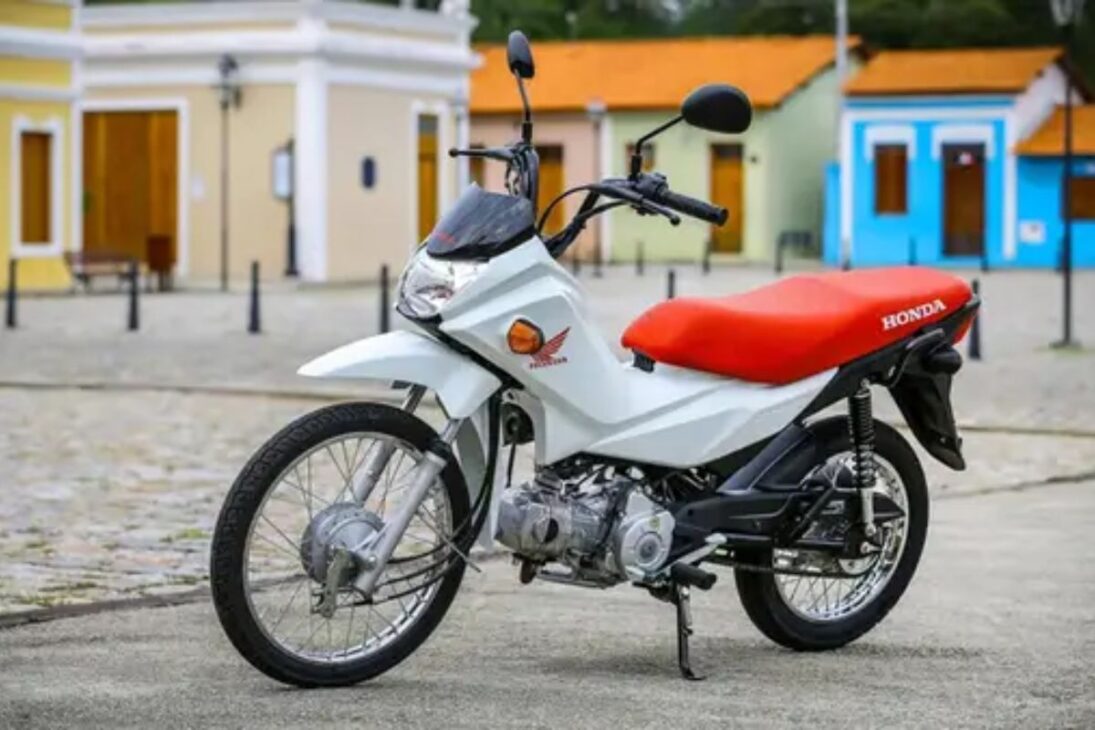
The heart of the 2006 Classic Honda is its 97.1cc single-cylinder engine, air-cooled and fueled by carburetor. It is a design inherited from the C 100 Dream and Biz lineage, known for its extreme robustness. With modest power, around 6.5 hp, the engine was made to last, not to race.
The spartan mechanics are one of its greatest assets. With pedal-start only, drum brakes on both wheels, and a panel that only contains the speedometer, the Pop 100 is a vehicle of simple maintenance and negligible cost. When a problem occurs, it is usually something easy and cheap to fix, a factor that solidified its reputation as a “warrior” for everyday work.
The Myth Of 60 Km/L, What’s The Real Consumption Of The Pop 100?
One of the biggest legends surrounding the Pop 100 is its supposed consumption of 60 km/l. Although this number is technically possible under ideal test conditions, it does not reflect the reality of everyday use. An analysis of tests from the era and numerous owner reports shows that the realistic consumption range is between 40 and 50 km/l.
The legendary economy of the “Popzinha” only appears with conscious riding, in urban environments, and without forcing the engine. At higher speeds, above 70 km/h, fuel consumption increases dramatically, potentially dropping to 30 to 35 km/l. Therefore, while it is extremely economical, the 60 km/l mark is more of a marketing myth than a real average.
Is It Worth Buying A 2006 Classic Honda In 2025?
With a current market price between R$ 3,500 and R$ 4,500, the first-generation Pop 100 is still a smart purchase, but only for a well-defined user profile. It is the ideal choice for those seeking the lowest operational cost possible for short city trips and do not care about the lack of comfort and modern safety features.
Its weaknesses are clear: the drum brakes are just adequate, the seat is uncomfortable for long trips, and the lack of a fuel gauge requires the rider to monitor autonomy by the odometer.
However, its reliable mechanics, the ease of finding parts, and the low risk of theft make the 2006 Classic Honda a true “war tank” for work, a vehicle that continues to deliver exactly what it promised: cheap, simple, and reliable transportation.







-

-

3 pessoas reagiram a isso.