





 English
  Francês
  Alemão
  Italiano
  Japonês
  Norueguês
  Portuguese
  Spanish
  2 min of reading
  0 comments



In A World In Constant Evolution, Technology Is Playing A Central Role In The Reformulation Of Various Sectors Of The Economy.
In Brazil, the automotive sector is at the center of this whirlwind of innovation, with Artificial Intelligence (AI) and the Rota 2030 Program acting as powerful catalysts for advancement and modernization. These key elements are not only redefining the way vehicles are designed and manufactured, but also outlining a more sustainable and efficient future for mobility in the country.
Impact Of Artificial Intelligence
AI has been a driving force for innovation in the automotive sector. With significant advances in machine learning algorithms and data storage technologies, the possibilities for automating processes, enhancing vehicle safety, and driving innovation seem virtually endless.
A recent survey highlighted the Brazilian public’s confidence in AI. About 84% of Brazilians trust AI, a figure that considerably surpasses the global average of 61%. This high level of trust may be an indicator of the acceptance of AI technologies in the Brazilian automotive sector.
-
At just 14 years old, a boy creates a system without energy, using steel pipes buried in the ground, that irrigates seedlings with moisture from the air, to combat the water scarcity threatening reforestation in northern China.

-
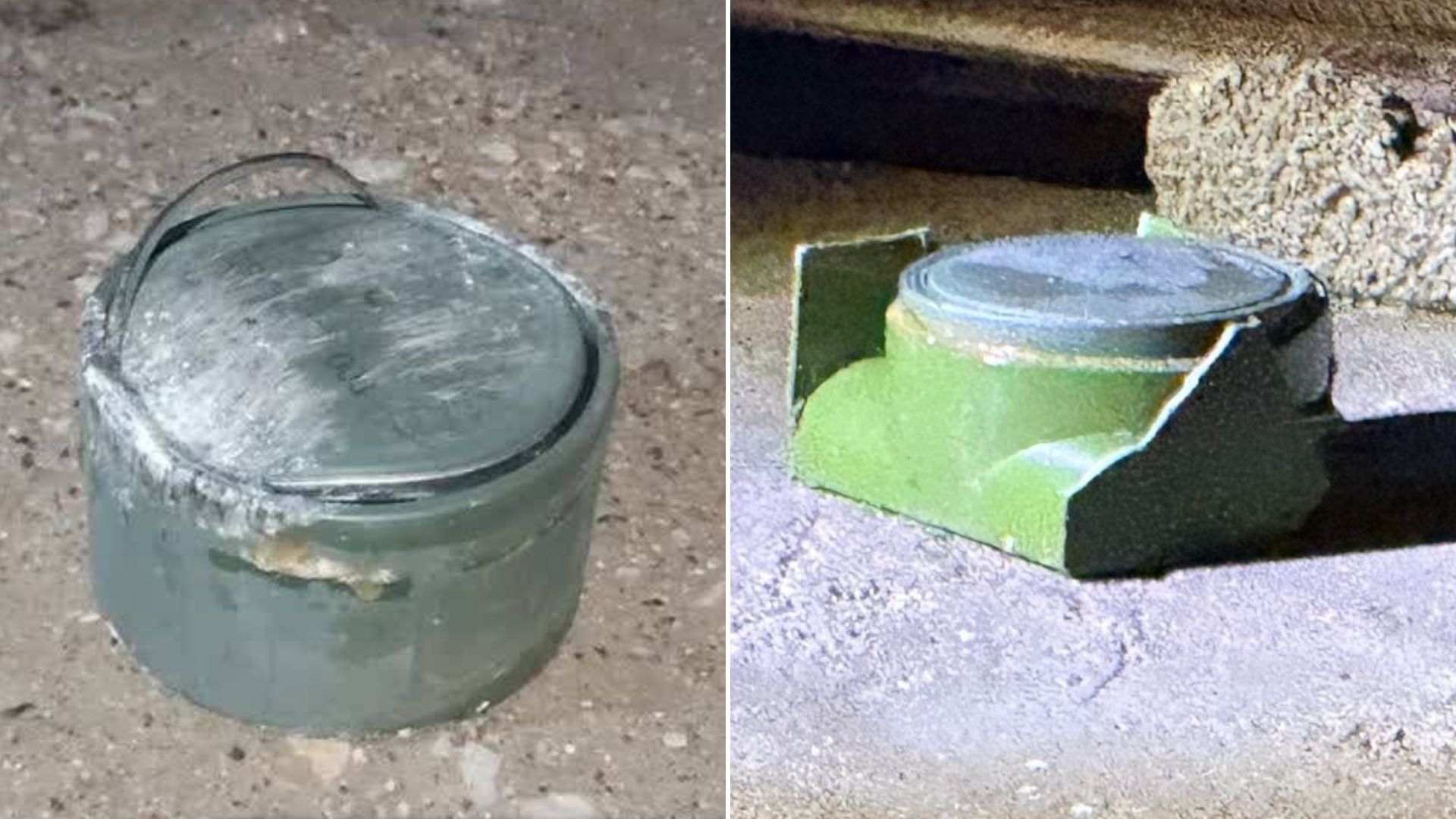
Anti-tank mines appear near a missile base in Iran, causing fatalities and raising suspicion of a new move to block underground launchers.
-
Contaminated water from uranium threatens mining areas, and Chinese scientists have created a solar-powered living filter that could change environmental decontamination.

-
Archaeologists find in Mexico a sacrifice altar over 1,000 years old, surrounded by skulls, human bones, and signs of rituals from the Toltec Empire.


Rota 2030 Program
As part of the Federal Government’s strategy to foster innovation and technological development in the automotive sector, the Rota 2030 Program is an important milestone. It introduced market regulations and a special tax regime for imports, succeeding the Inovar-Auto Program, and aimed at supporting technological development, innovation, energy efficiency, and the quality of automobiles.
The industry’s response has been positive: between 2019 and 2021, companies in the automotive sector invested nearly R$ 12 billion in research, development, and innovation activities, demonstrating a serious commitment to continuous innovation and technological advancement in the sector.
The Conjunction Of AI With The Rota 2030 Program Is Providing A Promising Scenario For The Brazilian Automotive Sector
The symbiosis between technological innovation and modernization policies is paving the way for a safer, more efficient, and sustainable mobility environment, highlighting Brazil on the global map of automotive innovation.
This is an exciting journey that promises to put the Brazilian automotive sector on a path of sustainable growth and continuous innovation, benefiting not only the industry but society as a whole.









Seja o primeiro a reagir!