





 Portuguese
  English
  Spanish
  4 min of reading


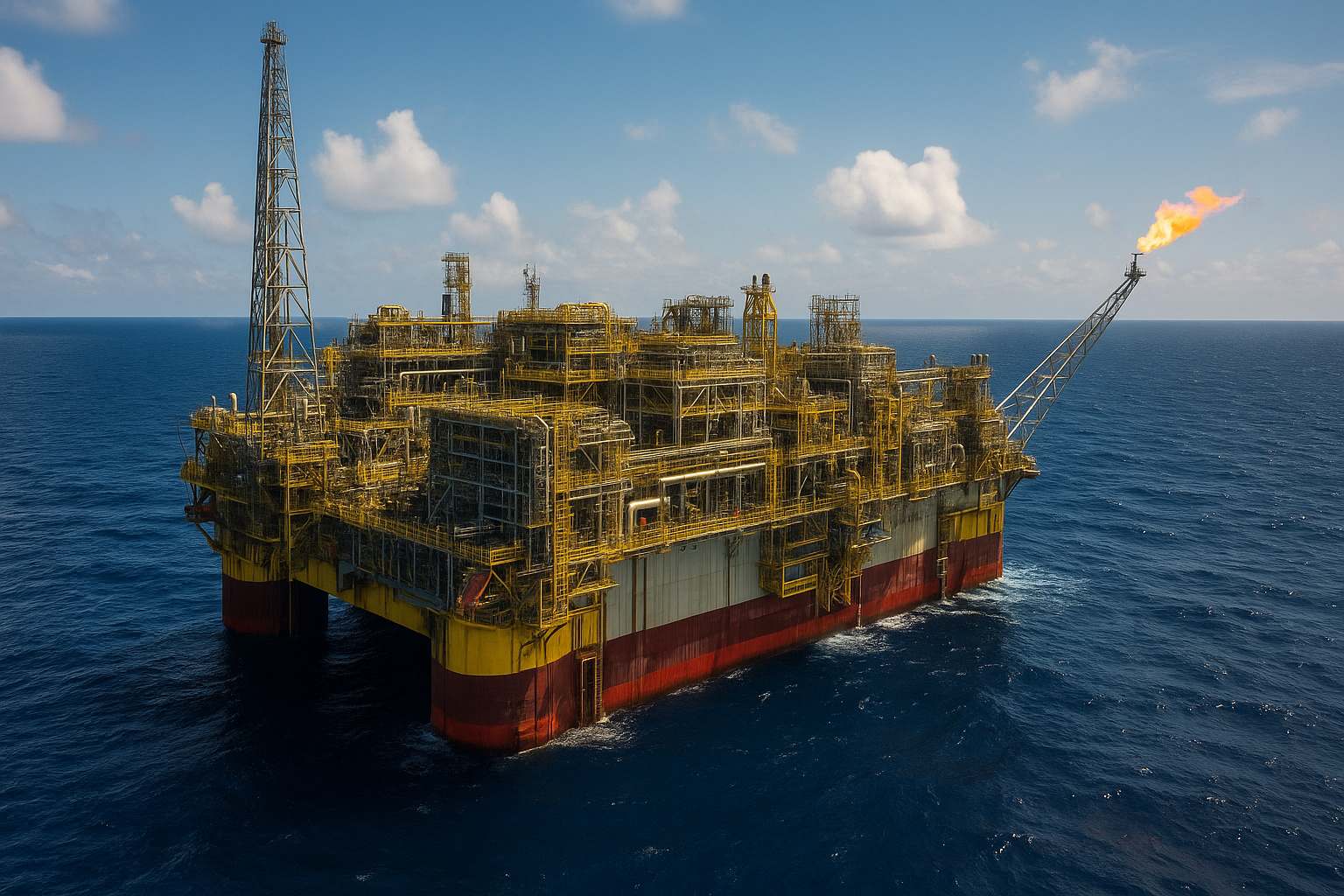
The digital transformation in the Brazilian offshore industry has ceased to be a trend and has become a requirement in light of climate changes, the quest for efficiency, and the need to reduce environmental impacts. According to Credence Research, in a study released in 2024, the global market for digital field solutions is expected to jump from R$ 4.6 billion to R$ 7.8 billion by 2032, driven by intelligent automation, predictive analytics, and advanced monitoring systems. In this scenario, sustainability emerges as the integrative axis guiding strategic and technological decisions in the sector.
The convergence of artificial intelligence, operational safety, and energy efficiency is reshaping how Brazil positions itself globally in offshore exploration. And while the country has historically depended on oil, digital advancements increase the ability to produce energy with less environmental impact. Thus, the ecological transition is no longer just a political concept but begins to guide investments, regulations, and corporate goals.
Technology and Sustainability Go Hand in Hand
Over the past decades, the offshore industry in Brazil has had to adapt to cycles of expansion, falling international prices, and increasing demands for environmental responsibility. However, Artificial Intelligence has established itself as the element that connects the past and the future. According to data from the National Agency of Petroleum (ANP), released in recent reports, the digitalization of processes has already reduced operational failures and increased the predictability of environmental risks.
-
Embrapa’s discovery reveals an unexpected advancement by allowing the production of seedlings from the caatinga using brackish water, opening a new frontier for farmers to face drought more efficiently.

-
6 sources of free fertilizer that you are throwing away every day and can transform your garden without spending anything.

-
With a water crisis on the radar, Sabesp invests in reclaimed water for data centers and transforms sewage treatment into a solution that saves millions of liters and protects public supply.

-
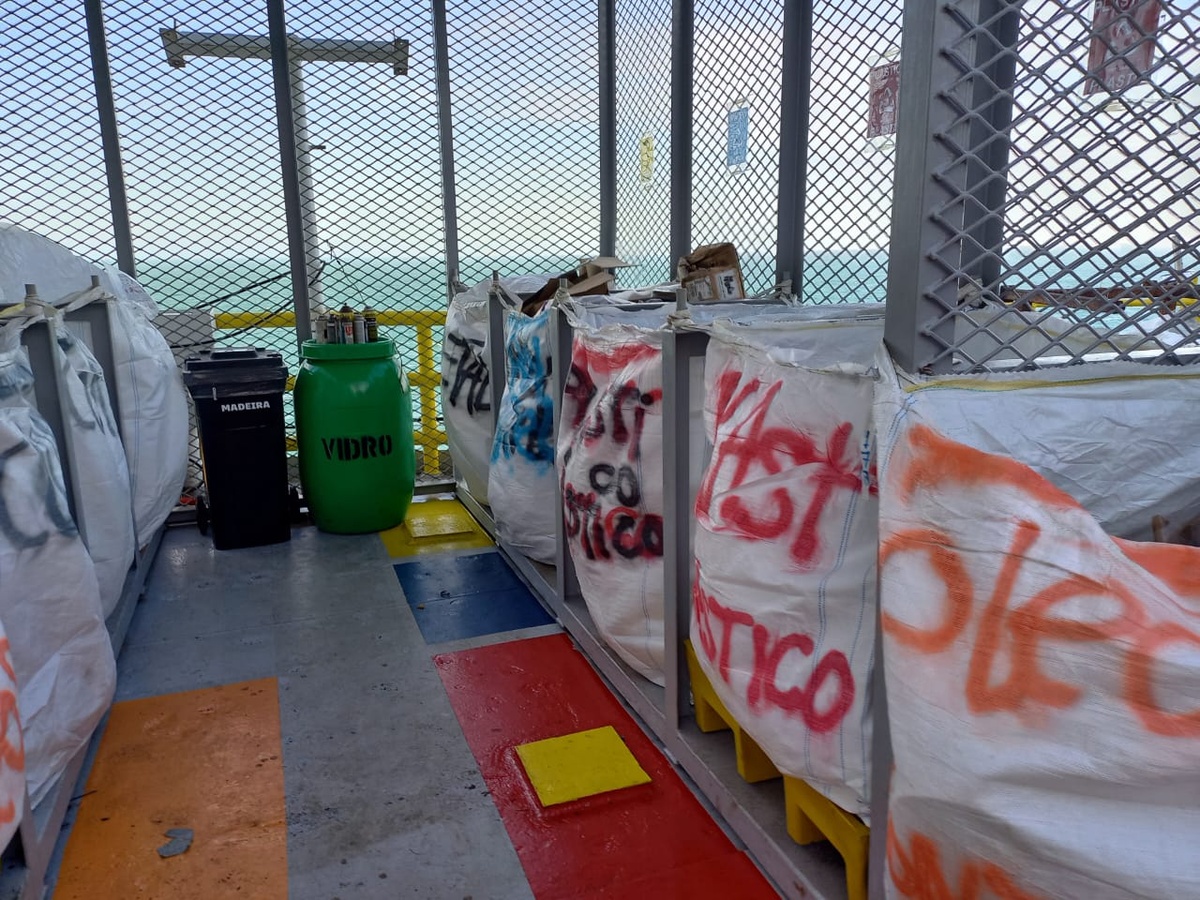
Foresea achieves 100% offshore waste reuse in 2025, eliminates landfill disposal, and consolidates sustainable strategy with 1,500 tons recycled.

This advancement occurs because predictive analysis algorithms can foresee failures that previously required on-site inspections and emergency actions. Consequently, the sector now spends less energy, emits less CO₂, and utilizes its resources more efficiently.
Moreover, the adoption of smart sensors allows real-time monitoring of every stage of operations. This enhances transparency and, at the same time, ensures that sustainability goals are genuinely met. Therefore, digitalization is not only technological but also environmental.
History and Evolution of Digitalization in Offshore
Digitalization began to gain traction in the Brazilian oil sector in the 2000s, when remote monitoring technologies were introduced on pre-salt platforms. According to the federal government, research initiatives by Petrobras during that period paved the way for the integration between data science and deep-sea exploration.
With the arrival of Artificial Intelligence in the 2010s, a new phase began. Platforms started using underwater robots, predictive software, and automated control systems. However, it was only in the last decade that sustainability became a strategic priority. COP30, held in Belém in 2025, further emphasized the urgency of rethinking exploration models, as highlighted by international experts during the meeting.
Thus, global pressure accelerated investments that today shape the future of offshore.
Energy Efficiency Driven by AI
AI significantly improves energy use on platforms. This is because intelligent systems can automatically adjust engines, compressors, and pumps to avoid waste. As a result, there is a reduction in costs and less dependence on fossil fuels. Thus, sustainability and efficiency become complementary goals.
According to BloombergNEF, studies indicate that the intelligent use of digital resources can reduce up to 15% of the energy consumption of oceanic platforms. This saving represents a significant environmental impact, especially in regions like the pre-salt, where operations require substantial volumes of energy.
Additionally, machine learning solutions analyze climate patterns, waves, and winds. This optimizes logistical routes and reduces fuel consumption for support vessels.
Enhanced Safety Through Risk Prediction
With integrated sensors, cloud data, and AI, the sector can anticipate leaks, structural failures, and geological risks. This contributes to safer and more responsible operations. According to the ANP, the adoption of digital platforms has already reduced incidents in critical areas, thanks to the precision of alerts.
This advancement also strengthens corporate governance, as environmental audits become more transparent. Therefore, digital solutions not only protect workers but also preserve ecosystems.
Sustainability as Strategy and Not Just Discourse
Although oil remains central to the global energy matrix, companies have begun adopting decarbonization goals aligned with international commitments. This is happening because consumers are pushing, investors are demanding responsibility, and governments are requiring climate compliance.
According to Credence Research itself, most of the expected growth by 2032 will come precisely from companies that use AI to ensure cleaner, more autonomous, and efficient operations. Additionally, ESG programs strengthen corporate image, attract investments, and enhance competitiveness.
Therefore, Brazilian companies have accelerated digitalization as a means to meet targets and remain relevant in the global market.
Brazil Positions Itself as a Reference
The country occupies a strategic place in the international sustainability debate. This is due to the size of its reserves, the technological complexity of the pre-salt, and its growing commitment to innovation. According to the Ministry of Mines and Energy, digitalization has helped Brazil improve environmental indicators and expand production with less impact.
Therefore, AI not only transforms processes but also reshapes the country’s positioning in the face of the global energy transition.
A Future Shaped by Intelligence and Responsibility
As the offshore sector incorporates increasingly advanced solutions, Brazil strengthens its capacity to produce energy with less environmental impact. And while oil still plays an important role, the integration of technology and sustainability offers more responsible pathways.
Thus, AI not only increases efficiency but also leads the sector to more ethical, transparent practices aligned with the climate demands of the 21st century.









Seja o primeiro a reagir!