





 Portuguese
  English
  Spanish
  3 min of reading
  0 comments


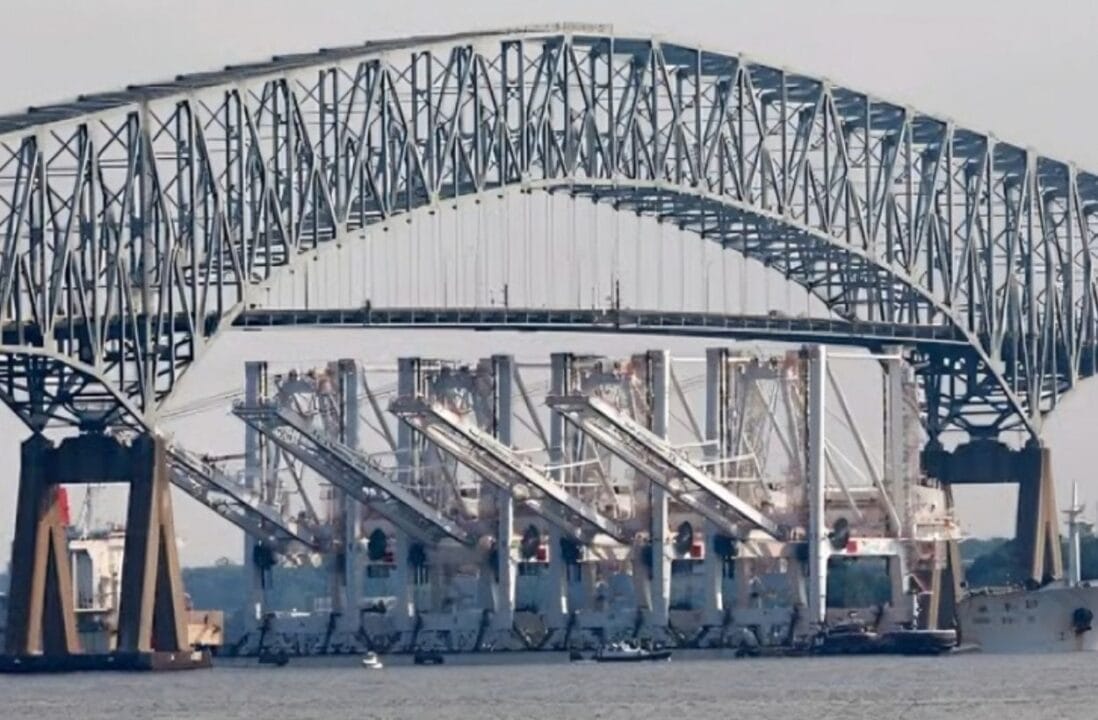
In The Dead Of Night On March 26, A Cargo Ship Caused A Disaster In Baltimore By Colliding With The Francis Scott Key Bridge, Leading To Its Collapse And Launching Vehicles Into The Chilly Waters. This Shocking Event Triggered A Logistical And Economic Crisis, Challenging The City With The Urgent Need To Rebuild Vital Infrastructure, Facing Estimated Costs Between 400 Million To 1 Billion Dollars, And Rethinking The Safety And Resilience Of Its Bridges And Transport Routes.
In The Early Hours Of March 26, 2024, The City Of Baltimore Faced A Catastrophe When A Cargo Ship Collided With A Pillar Of The Francis Scott Key Bridge, Leading To The Collapse Of A Significant Part Of Its Steel Structure. This Incident Not Only Plunged Vehicles Into The Chilly Waters But Also Triggered A Series Of Questions About The Safety Of Infrastructures And The Cost Of Reconstruction.
The Ship, En Route To Colombo, Sri Lanka, Experienced A Navigation Electrical Failure, Causing The Disaster. The Bridge, Opened In 1977 And Essential For The Transport Of Hazardous Materials, Saw Its Structure Collapse Rapidly. Capturing International Attention, The Collapse Highlighted The Vulnerability Of Bridges And The Challenges In Urban Emergency Management.
What Is The Economic And Logistical Impact On The Port Of Baltimore


The Port Of Baltimore, Vital To US Trade, Suffered A Severe Blow. With The Bridge Out Of Service, Transport Logistics And Trade Flow Are In Crisis, Affecting Thousands Of Jobs And The Local Economy. The Reconstruction, Estimated Between 400 Million To 1 Billion Dollars, Reflects The Magnitude Of The Challenge Faced.
-
Europe is trying to create an ammonia-powered marine engine without auxiliary fuel, which could unlock the race for giant emission-free ships. The technology aims to eliminate one of the biggest obstacles to clean maritime propulsion.
-
Created by George Lucas with over $1 billion, a futuristic museum in the shape of a spaceship with 1,500 curved panels is about to open in Los Angeles and will house one of the largest private collections of narrative art in the world.

-
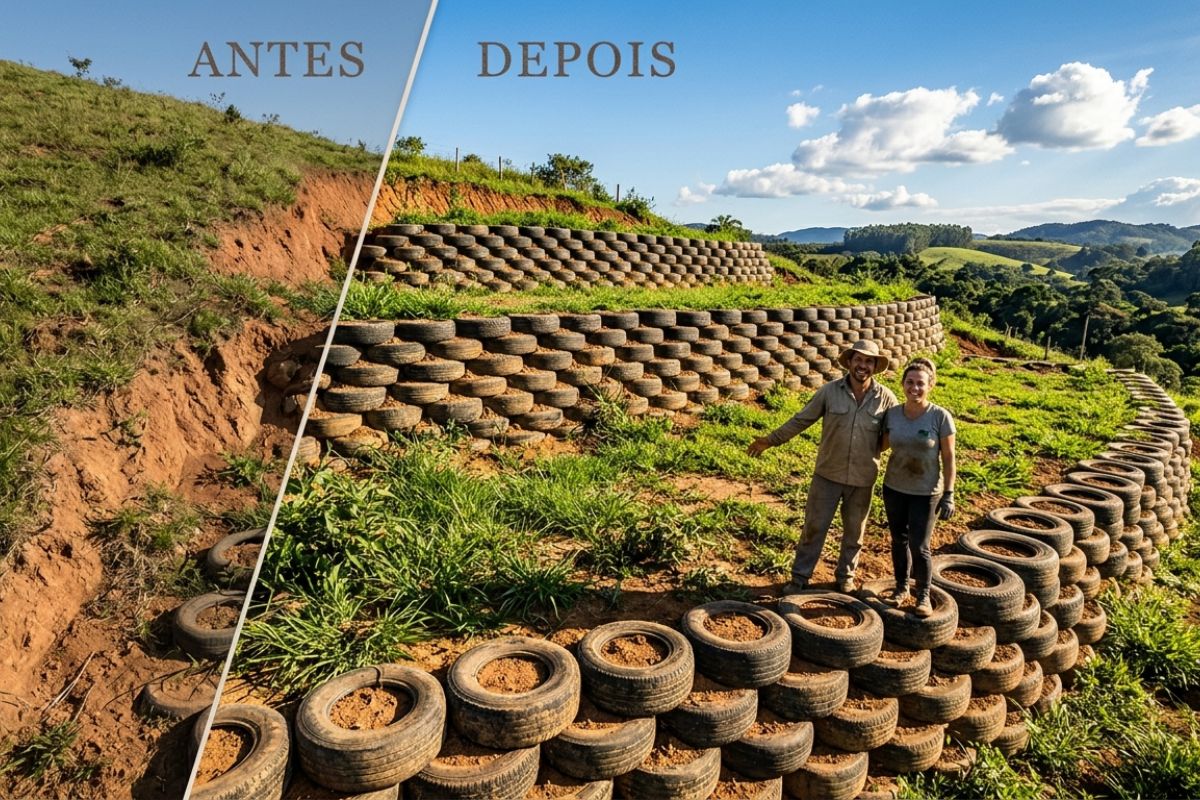
Couple shows how they built a retaining wall on their property using 400 old tires: sloped land turned into plateaus, tires are aligned, filled, and compacted with layers of soil, with grass helping in support and at almost zero cost.
-
Engineer explains drainage during the rainy season: the difference between surface water and deep water, ditches, gutters, and water outlets on the road, as well as drains and drainage mattresses, to prevent erosion, aquaplaning, and flooding at the construction site today.


Reconstruction Requires A Monumental Effort Of Cleanup, Planning, And Inter-agency Coordination. A New Structure Is Proposed That Not Only Meets Current Demands, But Also Incorporates Technological Advances And Sustainable Materials To Withstand Future Disasters.
And About The Cargo Ship?
The Cargo Ship Involved In The Incident In Baltimore Was On Its Way To Colombo, Sri Lanka, When It Collided With A Pillar Of The Francis Scott Key Bridge, Resulting In The Collapse Of Much Of The Bridge’s Structure. This Ship, Registered In Singapore, Began Experiencing Electrical Failures In Navigation Shortly Before The Accident, Which Occurred In The Early Hours Of March 26, 2024. The Failures Led To A Power Outage And Loss Of Control, Culminating In The Collision With The Bridge.
The Ship Measured An Impressive 300 Meters In Length And Had The Capacity To Carry Up To 10,000 Containers. The Magnitude Of The Ship’s Impact With The Bridge Was Comparable To The Collision Force Of 50 Large Trucks, Each Traveling At A Speed Of 50 Km/h. This Disaster Not Only Caused Significant Damage To The Bridge’s Structure But Also Had A Profound Impact On Logistics, Maritime Traffic, And The Local Economy, Due To The Strategic Importance Of The Bridge And The Port Of Baltimore.
Baltimore And The Comparison With Brazil
The Incident In Baltimore Highlights Differences In Safety Standards And Infrastructure Management Compared To Other Regions, Such As Brazil, Where Bridges Like The Rio-Niterói Have A History Of Resilience. The Reconstruction In Baltimore Is Not Just A Response To An Accident But An Opportunity To Reassess And Improve Urban Infrastructure And Sustainable Mobility.
The Accident In Niterói Occurred On November 4, Under Strong Winds In The Evening. An Abandoned Cargo Ship Since 2016, Measuring 200 Meters In Length And 30 Meters In Width, Broke Loose Due To Its Anchors That Were Worn By Time And Struck Six Pillars Of The Rio-Niterói Bridge. Fortunately, Only The Parapet, Which Serves To Protect Vehicles On The Bridge, Suffered Damage And There Was No Significant Damage To The Main Structure Of The Bridge.









-

Uma pessoa reagiu a isso.