





 Portuguese
  English
  Spanish
  3 min of reading
  0 comments


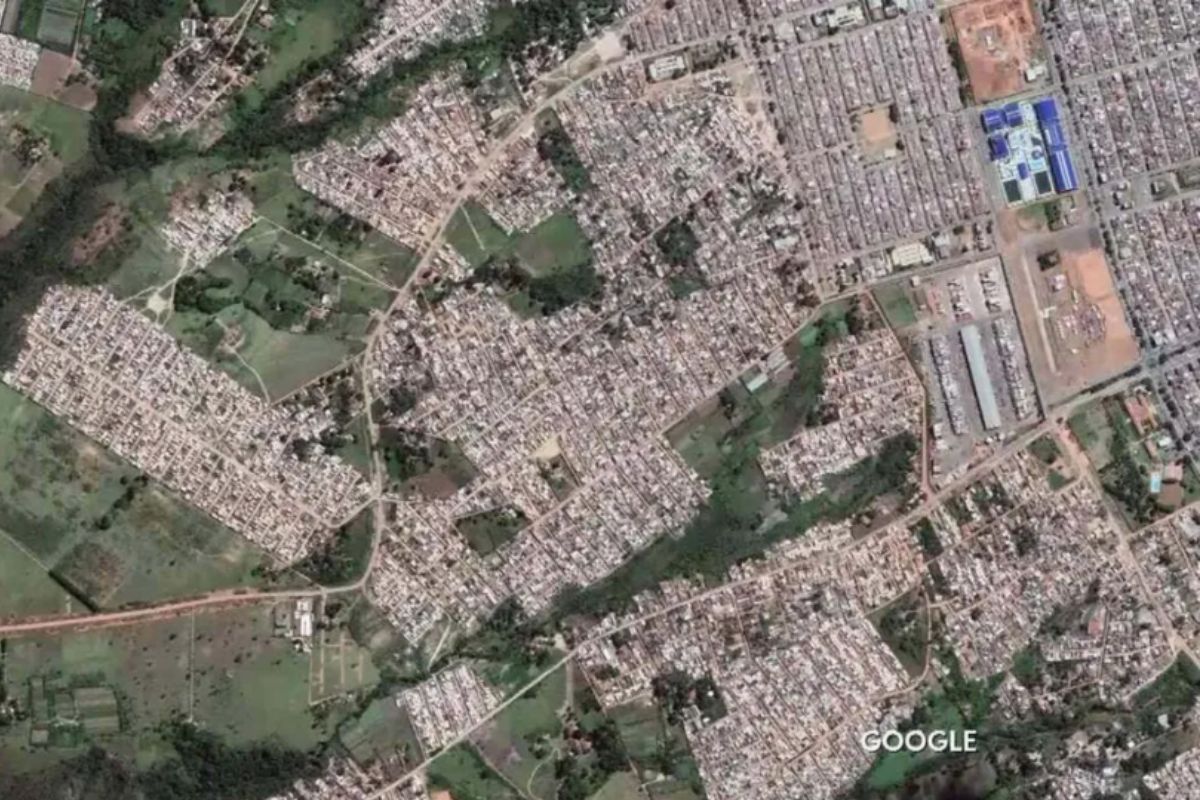
Official Data from IBGE Shows That the Community in the Federal District Surpassed Rocinha in Number of Households, Becoming the Largest Slum in Brazil and Redefining the Map of Informal Urbanization in the Country.
According to the most recent data from the 2022 Demographic Census, released by the Brazilian Institute of Geography and Statistics (IBGE), the largest slum in Brazil is the Sol Nascente community, located in Ceilândia, in the Federal District. With a total of 32,081 households, the area has surpassed Rocinha, in Rio de Janeiro, which for decades held the position in popular imagination and official statistics.
This change highlights not only the accelerated population growth in new areas of the country but also the importance of collecting accurate data to understand the reality of so-called “Subnormal Agglomerates,” a technical term used by the IBGE. The new classification is crucial for guiding investments and creating more effective public policies for these regions.
What Defines Size? The New IBGE Data
The main criterion used by IBGE to classify the size of Subnormal Agglomerates in the 2022 Census was the number of occupied permanent private households. This methodology provides a more stable picture of housing structure compared to population counting, which can fluctuate more easily.
-
Why was the Great Wall of China built? The truth that many are unaware of!

-
At 73.8 meters tall, the world’s tallest teapot-shaped building has 15 floors, ensures stability, and impresses with an internal space of 28,000 cubic meters.

-
Ambev has planted over 3 million trees and restored an area equivalent to the coastline from São Paulo to Natal, and the result after 15 years of silent investment has finally appeared for all of Brazil to see.
-
A new AI collar technology for cattle eliminates physical fences, creates virtual barriers, monitors animals 24/7, and detects changes in behavior and health.


A Subnormal Agglomerate is defined by IBGE as a form of irregular land occupation for housing purposes in urban areas, characterized by an irregular urban pattern and lack of essential public services.
Sol Nascente in Numbers, the Giant of the Federal District
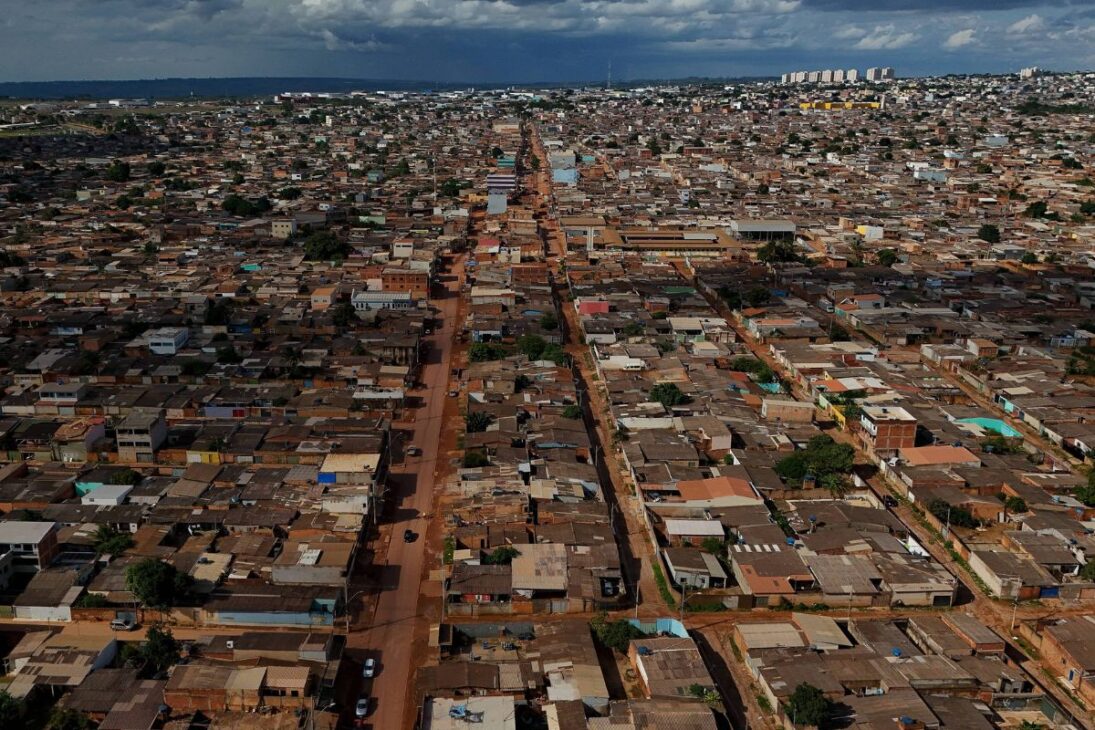
Located in the Administrative Region of Ceilândia, about 35 km from downtown Brasília, the Sol Nascente community has experienced a dizzying growth in recent decades. The 2022 Census data reveals the extent of this expansion:
Total Households: 32,081
Resident Population: 87,184 people
Recognized as an administrative region of the Federal District in 2019, the largest slum in Brazil faces significant infrastructure challenges, such as basic sanitation and urban mobility, which are now receiving greater visibility with the acknowledgment of its magnitude.
And Rocinha? An Analysis of the Most Famous Community in Rio
Rocinha, located in the South Zone of Rio de Janeiro, has long held the title of the largest slum in the country. Although it has been surpassed in the number of households, its numbers remain impressive and reflect its high population density.
Total Households: 30,955
Resident Population: 67,199 people
Rocinha is still the most populous slum in the state of Rio de Janeiro. The comparison with Sol Nascente shows different occupancy profiles: while the DF community expanded horizontally, occupying a larger area, Rocinha grew in a more vertical manner.
The New Map of the Largest Slums in Brazil
The 2022 Census updated the ranking of the largest communities in the country, showing a geographic diversity that goes beyond the Rio-São Paulo axis.
Sol Nascente (Federal District): 32,081 households
Rocinha (Rio de Janeiro): 30,955 households
Rio das Pedras (Rio de Janeiro): 27,573 households (2010 Census data, awaiting detailed update)
Paraisópolis (São Paulo): 20,375 households (pre-census data, still to be detailed)
Coroadinho (Maranhão): 18,231 households
It is important to note that the complete and detailed release of data by census sector by the IBGE is still ongoing, which may further refine this list.
The Importance of Data for the Development of Public Policies
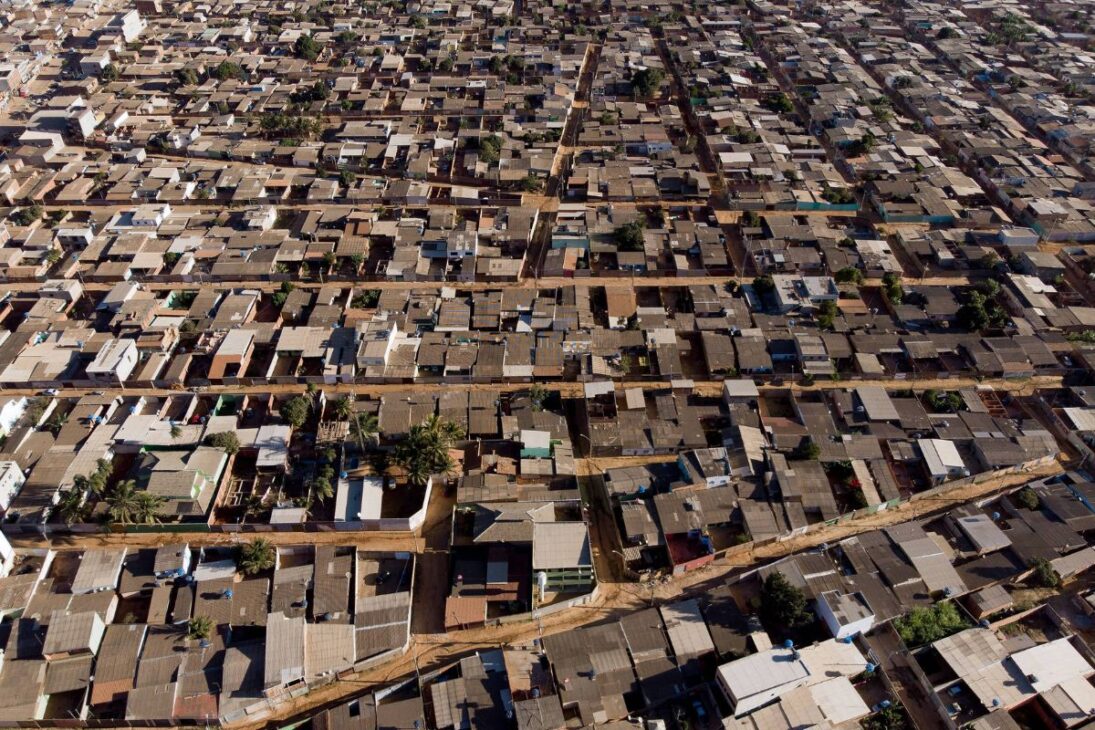
The update of the ranking of the largest slum in Brazil is not just a statistical matter. Having accurate data about where and how the population lives in Subnormal Agglomerates is essential for public authorities to plan and implement effective actions.
This information directly impacts the allocation of resources for basic sanitation, health, education, transportation, and security. The detailed knowledge of the number of households and the profile of the residents allows federal, state, and municipal governments to create projects that meet the real needs of these communities, promoting urban integration and improving the quality of life for millions of Brazilians.







Seja o primeiro a reagir!