





 Portuguese
  English
  Spanish
  3 min of reading


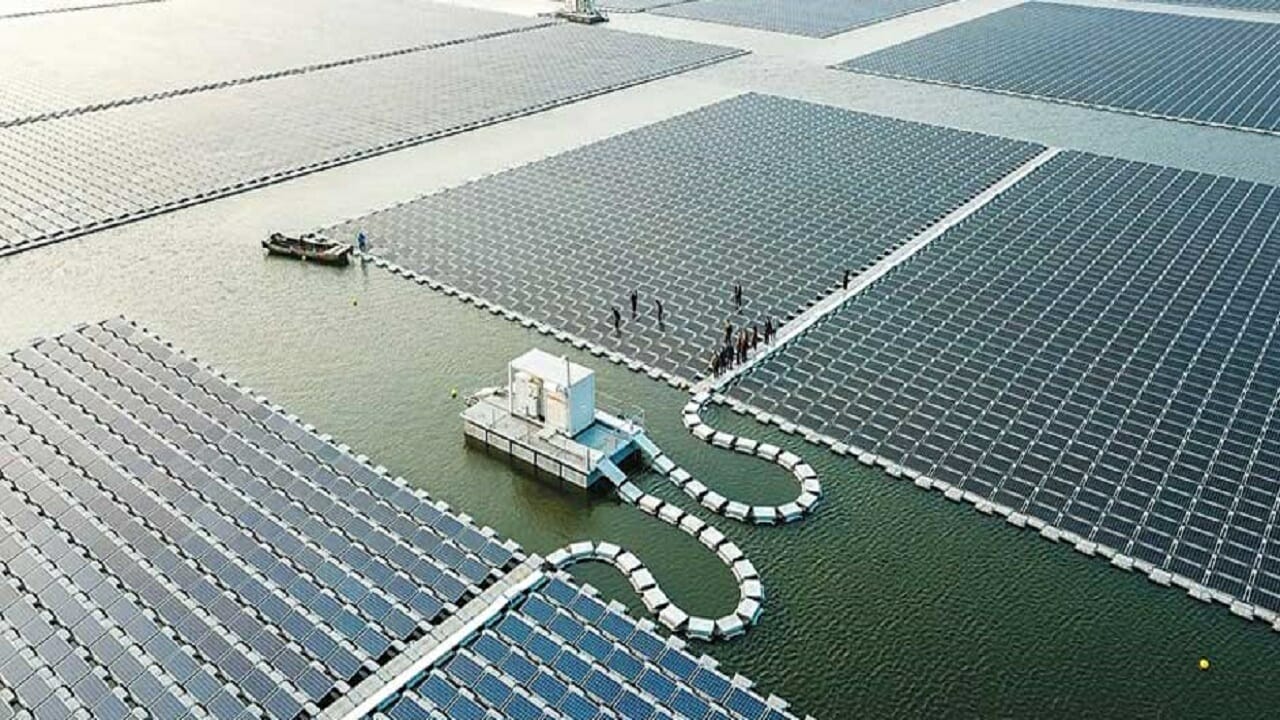
China Develops The Largest Floating Solar Plant In The World. The Solar Power Plant Can Generate Renewable Energy To Supply Up To 15 Thousand Chinese Homes.
After years of inactivity, a plot of land that was once used for coal mining near Huainan, China, now serves a much more sustainable purpose, becoming the largest floating solar plant in the world!
Understand How China Built The Largest Floating Solar Power Plant In The World

The province of Anhui is located in eastern China, in the Yangtze River delta. On one hand, the region is a cradle of Chinese prehistory, and excavations reveal fossils of generations of people who inhabited the area since antiquity. On the other hand, it is one of China’s largest and most modern centers, being responsible for the creation of robots, electric cars, and even the world’s first quantum satellite, named Micius.
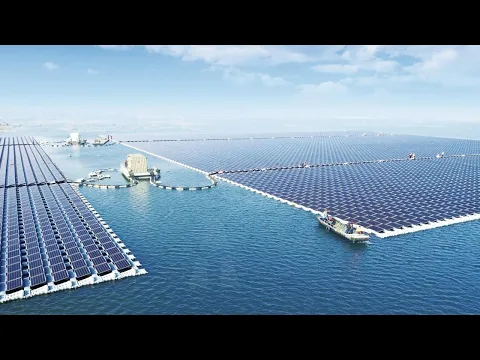
The city, once known for its large coal mine, is now home to the largest floating solar plant in the world. The construction was made on a lake and occupies 86 hectares, equivalent to 121 football fields. There are 165 thousand solar panels generating 40 MW of sustainable energy, enough to supply 15 thousand homes.
-
Ibitu Energia is advancing with a billion-dollar investment in renewable energy in Piauí and boosting economic growth by expanding production capacity, generating jobs, and attracting new businesses related to the energy transition.
-
Boosting the energy transition: European Union releases €20 million funding to modernize the system and optimize electricity grid storage.
-
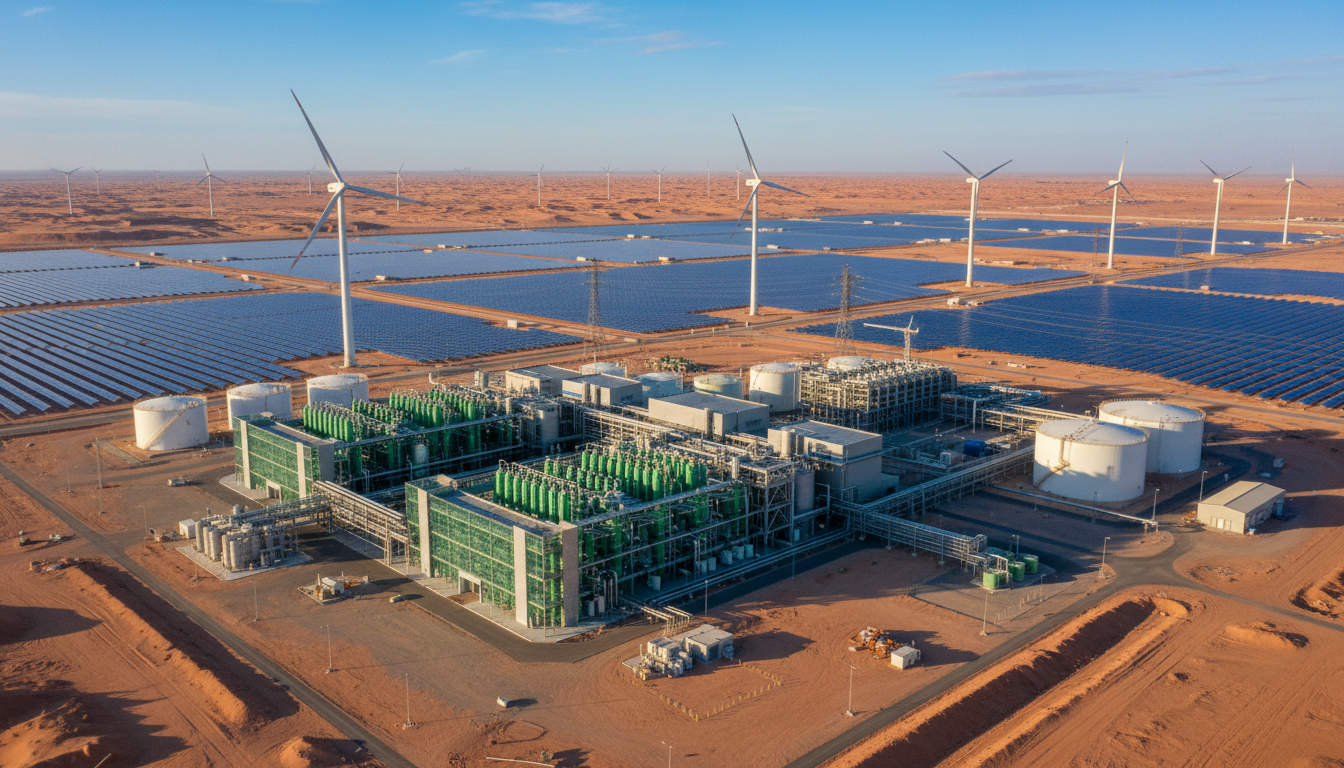
In the Saudi Arabian desert, the world’s largest green hydrogen plant is 80% complete and will use 4 gigawatts of solar and wind energy to produce 600 tons of clean fuel per day when it opens in 2027.
-
Instability in the energy market drives investments in renewables and starts the global race for the electric transition.

With clouds of dust covering major centers in China, the country is considered one of the most polluted in the world and has faced severe consequences of this sad reality. One of them is that people are forced to stay home for several days to avoid further health damage. Another effect of pollution is that police cameras cannot record infractions due to the dense layer of dust.
China Takes Measures To Reduce Pollution
According to studies conducted, up to 30 million people died prematurely between 2000 and 2016 due to pollution. To reduce these harmful impacts, the country has adopted extreme measures. Since 2003, the use of coal as an energy source in the country has been decreasing year by year. Under the Paris Agreement, China committed to reduce CO2 emissions to the maximum by 2030, as well as expand its energy sources by 20%.
The floating solar plant in Huainan is a critical point for this strategy, requiring extensive studies, and was inaugurated in 2017 at a cost of US$ 45 million. The project was installed offshore rather than on land because solar panels lose efficiency with rising temperatures.
Thus, proximity to the waterline cools the modules, reducing the risk of overheating the panels. According to studies conducted, the energy efficiency gain in a floating solar plant varies from 5% to 15% compared to conventional plants.
Why Huainan?
It turns out that Huainan is a hot and humid location, and the floating solar power plant project is located on a mining ground that was flooded due to constant rains, reaching a water depth of between 4 and 10 M, meaning that the permanent flooding rendered the area unworkable for years, as it was not suitable for mining and much less for irrigation, due to its high mineralization index.
However, the secret to the success of any venture is to utilize available resources, and that is what China did, seeing this area as a suitable location for the construction of a floating solar plant. It is worth mentioning that the country currently produces the most solar energy in the world, with a total of 77 GW. To put this into perspective, Brazil provides only 28 MW, according to Aneel.









Seja o primeiro a reagir!