





 Portuguese
  English
  Spanish
  5 min of reading
  0 comments


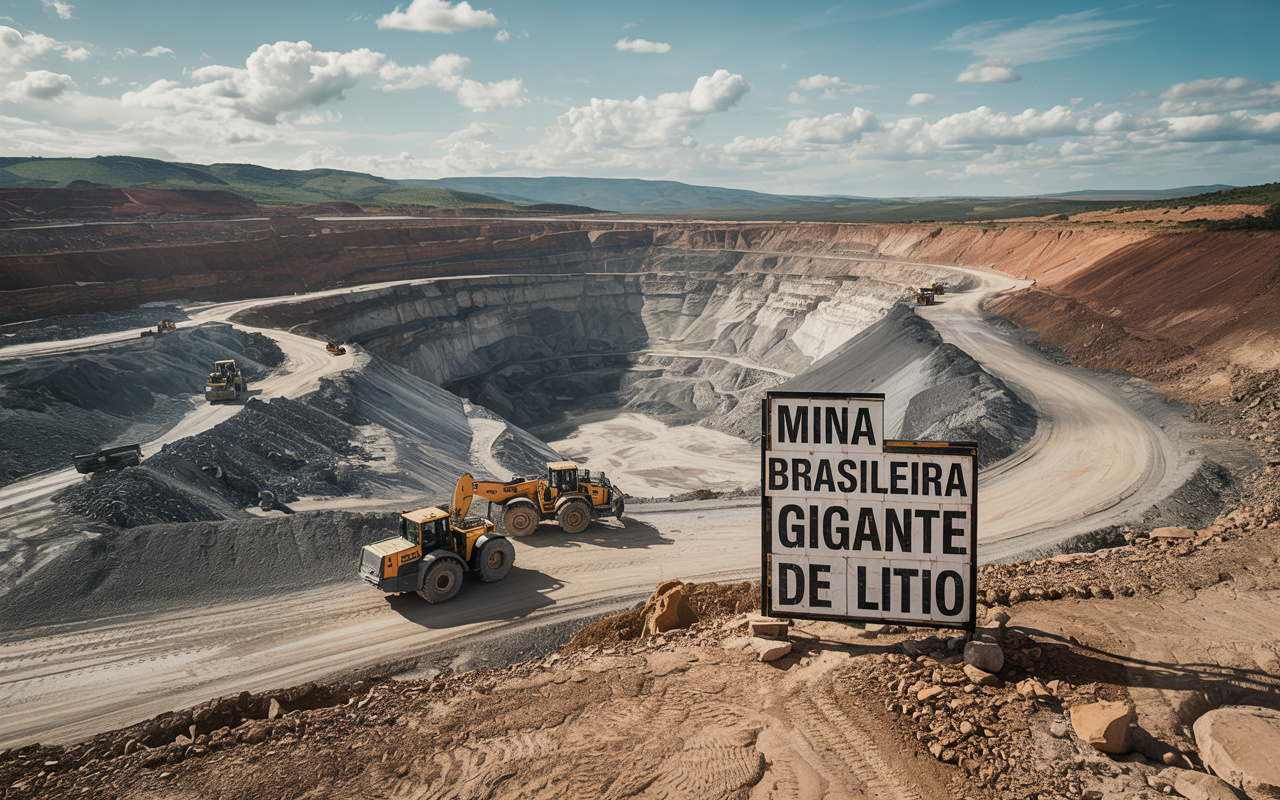
Increasing Your Global Presence, Sigma Lithium Brazil Accelerates Lithium Production in a Mine in the Jequitinhonha Valley, Already Sought by Tesla. With New Investments, Brazil Enters the Dispute for Protagonism in the Sustainable Battery Chain
In the interior of Minas Gerais, more precisely in the Jequitinhonha Valley, a mining operation could change Brazil’s role in the global clean energy market. Sigma Lithium Brazil, headquartered in the municipality of Itinga, is leading an ambitious project: to produce sustainable, high-purity lithium for electric vehicle batteries. With robust investments and global customers in sight, the operation has already caught the interest of giants like Tesla, as well as attracting support from investors like BlackRock, one of the largest funds in the world.
The Brazilian mine that caught Tesla’s attention is not only promising — it is already producing. The current capacity is around 270,000 tons per year of battery-grade lithium concentrate, with plans underway to triple this production by 2025. The expansion could place Brazil among the largest producers of the so-called “white gold,” an essential resource for the global energy transition.
Sigma Lithium Brazil: The Lithium Mine that Attracted Tesla and Global Investors


Sigma Lithium Brazil operates in the Jequitinhonha Valley with an innovative proposal: to produce lithium with environmental responsibility and positive social impact. The company not only extracts the mineral but also applies sustainable practices, including water reuse, dry tailings (without dams), and carbon neutrality as operational goals.
-
USA and China compete for Brazil over resources that could be worth trillions — rare earths put the country at the center of a global dispute

-
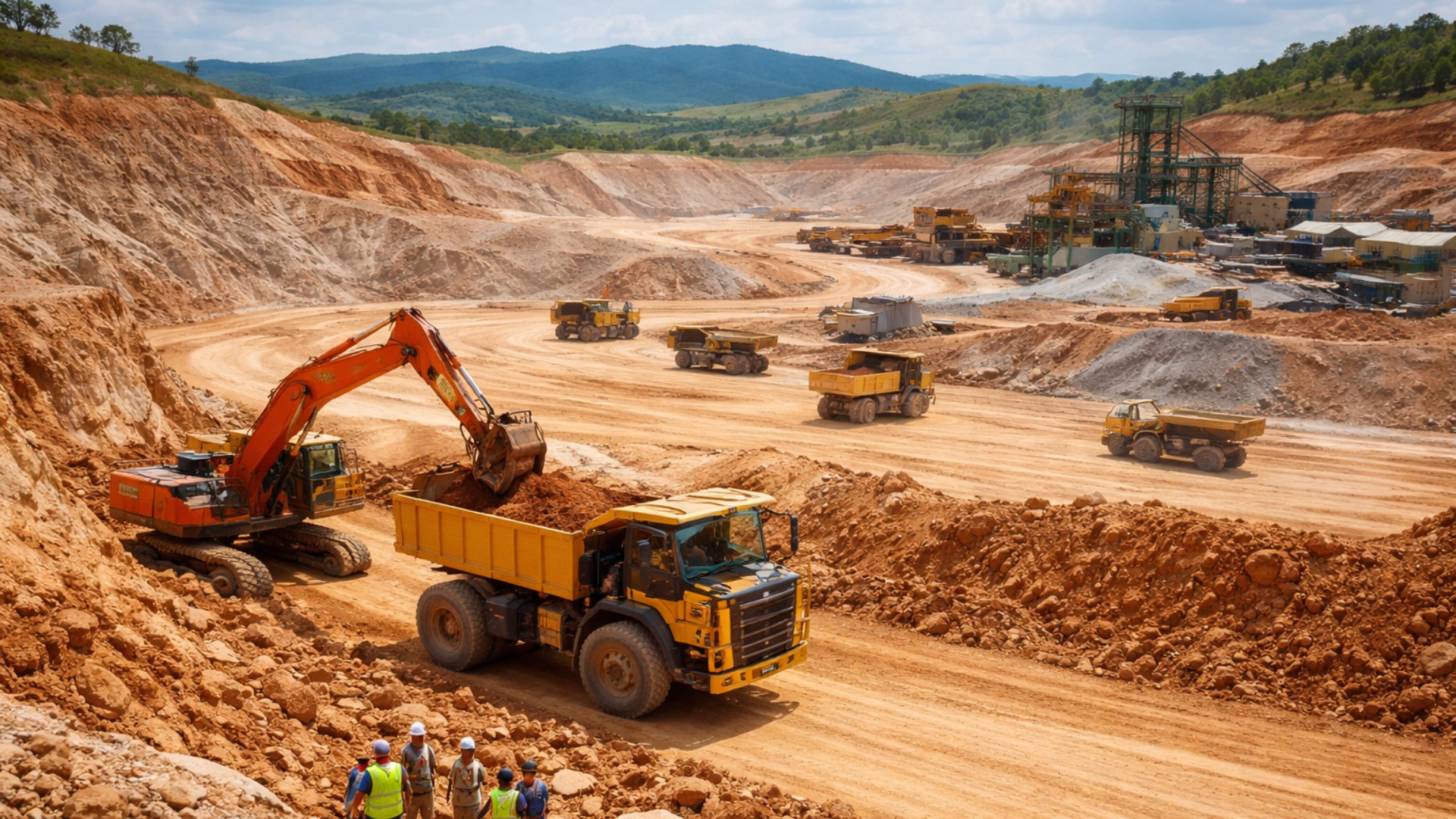
After China, it’s now the turn of the USA to ‘secure’ a share of Brazil’s natural resources: the country buys critical rare earths for R$ 3 billion and enters the center of the global technology dispute.
-
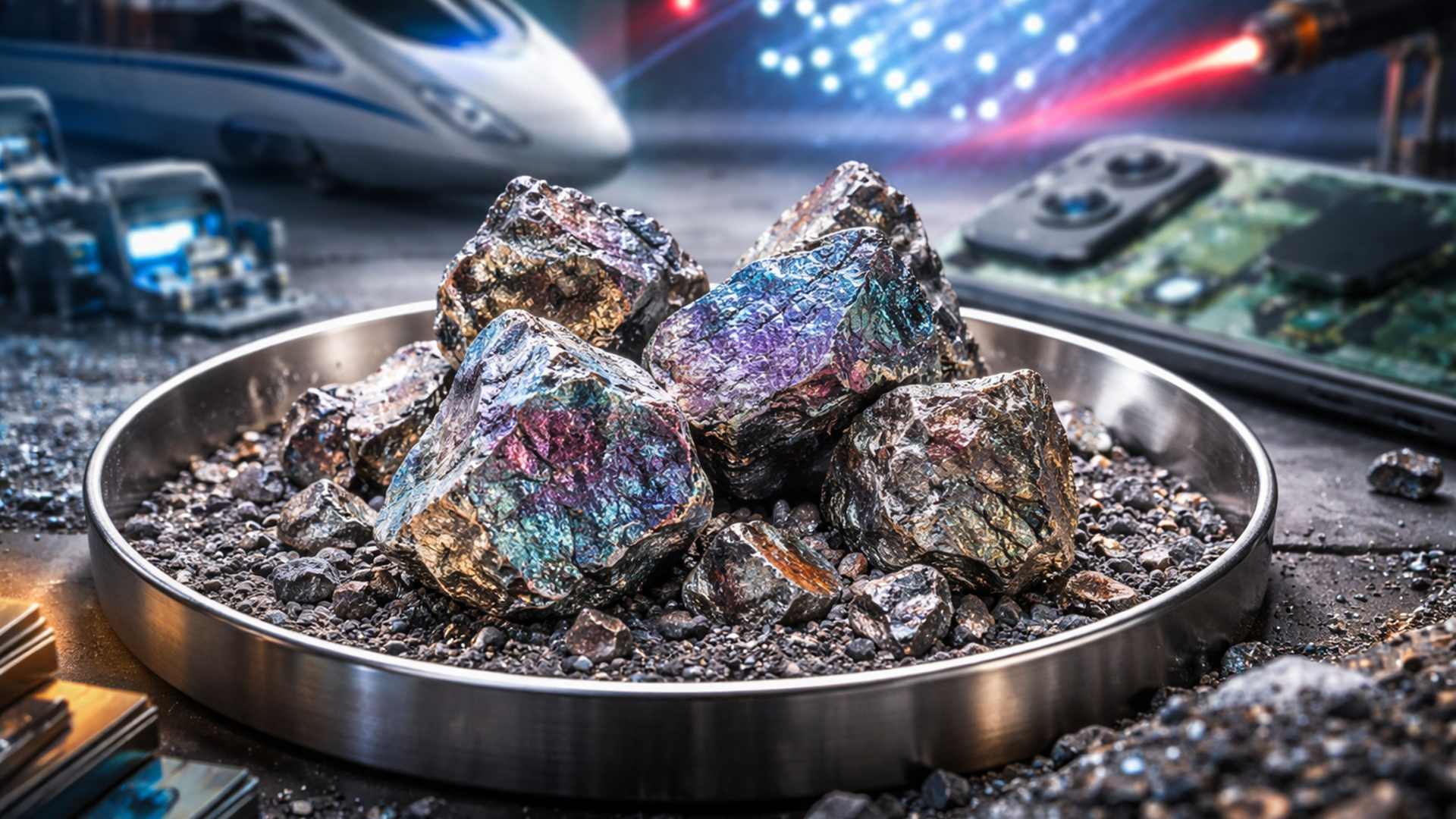
Rare earths are in everything, from cell phones to bullet trains, and what almost no one realizes is why they have become the target of such a delicate global war.
-
Brazil extracts 26.3 million tons of ore from what was previously treated as waste, transforming residues into wealth, producing over 3 million tons of sand, and demonstrating how national mining is relearning to generate value.

Furthermore, the company stands out for being aligned with ESG (Environmental, Social, and Governance) criteria, a factor that has attracted investments from major international funds. BlackRock, which manages over US$ 10 trillion globally, is one of Sigma’s investors, strengthening the project’s credibility in the financial market.
The company’s CEO, Ana Cabral-Gardner, has stated in various interviews that advanced discussions are ongoing with electric vehicle manufacturers like Tesla, as well as Asian companies such as BYD and South Korea’s LG Energy Solution. According to her, the negotiations include potential contracts for direct supply of high-purity lithium for battery production.
Tesla and Investments in Lithium in Brazil: The Interest in the Brazilian Mine
The presence of Tesla in Brazil is still modest in terms of manufacturing, but the company’s interest in local suppliers of essential raw materials is already evident. The global scarcity of quality lithium and the concentration of production in countries like Australia and China have increased the relevance of alternatives like Sigma.

This Brazilian mine that caught Tesla’s attention offers a strategic advantage: stable location, expanding infrastructure, and proximity to ports that facilitate exports to North America and Europe. Tesla, in search of reliable and sustainable sources of lithium, sees Brazil as a viable alternative to Asian dependency.
Currently, Tesla’s investments in lithium include partnerships with mining companies, acquisitions, and long-term contracts to secure the supply of the raw material. Although there has not yet been official confirmation of a contract with Sigma, the interest indicated by the company and the ongoing negotiations position Brazil as a key player in the global vehicular electrification chain.
Jequitinhonha Valley and the Lithium Mine that Could Transform the Local Economy
Historically marked by low development indices, the Jequitinhonha Valley has Sigma’s project as an opportunity for socioeconomic transformation. Sigma Lithium has already invested approximately R$ 3 billion in the Grota do Cirilo project in the Jequitinhonha Valley, contributing to the generation of hundreds of direct and indirect jobs and boosting the local economy.
Phase 1 of the project is already in operation, with exports aimed at customers in Asia and Europe. Phases 2 and 3, currently under construction, have the potential to increase production capacity to over 800,000 tons per year by 2025, consolidating the region as one of the largest suppliers of lithium in the world.
The expectation is that, with the advancement of the works and the completion of the new production modules, the region will receive additional investments through the capital market, increasing the economic and social impact of the project.
Sustainable Mining and the Competitive Differential of Sigma Lithium Brazil
One of the factors that make the lithium mine in the Jequitinhonha Valley particularly attractive is the commitment to sustainability. Sigma Lithium adopts a “green mining” approach, focusing on:
- Zero use of hazardous chemicals in the processing
- 100% water reuse
- Electrical energy sourced from renewable sources
- Reduction of greenhouse gas emissions
These practices are not just marketing: they meet regulatory requirements in countries like Germany, the U.S., and Canada, making Sigma one of the few suppliers with a sustainable lithium certification in the world. This represents a strong competitive advantage, especially for clients like Tesla, which seek raw materials with a lower environmental footprint.
Brazil, Tesla and the New Global Map of Lithium Investments
Currently, the global lithium market is dominated by Australia, Chile, and China. However, Brazil is gradually positioning itself as a relevant alternative, especially due to the quality of the extracted lithium and favorable political and environmental conditions.
The entry of Sigma Lithium Brazil into this scenario, with support from major investors and interest from large companies like Tesla, helps to reposition Brazil in the global lithium market. The country’s presence in the global battery supply chain could increase its influence in future trade negotiations related to electric mobility and energy transition.
Moreover, this new protagonism creates opportunities for public policies to incentivize the national battery and electric vehicle industry, adding value to the production chain and reducing dependence on imports.
The Role of Brazil in the Future of Lithium and Electric Mobility
The Brazilian mine that caught Tesla’s attention is more than an isolated project: it is a symbol of a strategic turning point for Brazil in the new green economy. Located in the Jequitinhonha Valley, operated by Sigma Lithium Brazil, it combines sustainability, technological innovation, and positive social impact, becoming one of the most promising assets in global mining.
With increasing capacity, support from international investors, and discussions with automotive giants, the operation could redefine Brazil’s role in supplying critical raw materials for electric mobility.
If the plans come to fruition, Brazil will cease to be just a commodities exporter and will take on a leadership role in the low-carbon economy — and it all begins in the interior of Minas Gerais, with a mine that promises much more than lithium: it promises a new energy future.







Seja o primeiro a reagir!