





 Portuguese
  English
  Spanish
  4 min of reading
  0 comments


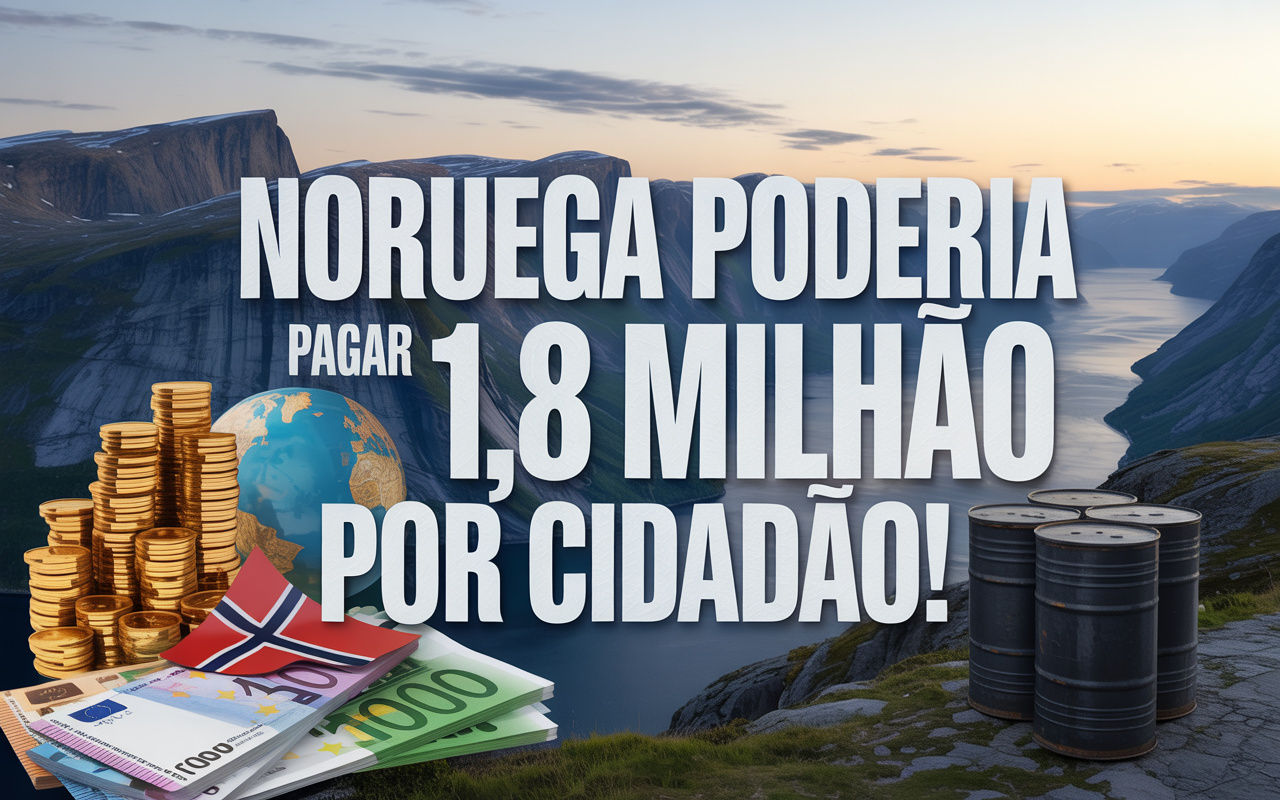
With Nearly R$ 10 Trillion Invested Worldwide, Norway Created the Largest Sovereign Fund on the Planet and Could Pay R$ 1.8 Million to Every Citizen.
Few countries on the planet have managed to transform natural resources into prosperity as efficiently as Norway, a nation of only 5.5 million inhabitants that is now considered the richest country per capita in the world. Thanks to a combination of economic planning, transparency, and a long-term sustainability-focused policy, the Scandinavian country has accumulated a sovereign fund exceeding 2 trillion dollars, equivalent to nearly R$ 10 trillion at current exchange rates.
This monumental value is managed by a public institution called Norges Bank Investment Management (NBIM) and is spread across more than 70 countries, invested in shares of 9,000 companies, government bonds, and high-end real estate investments. In practice, Norway owns 1.5% of all shares traded on global stock exchanges — something unprecedented for a country of its size.
If this wealth were evenly divided among Norwegians, each citizen would receive about R$ 1.8 million, illustrating the magnitude of the fortune built over just over three decades of economic discipline.
-
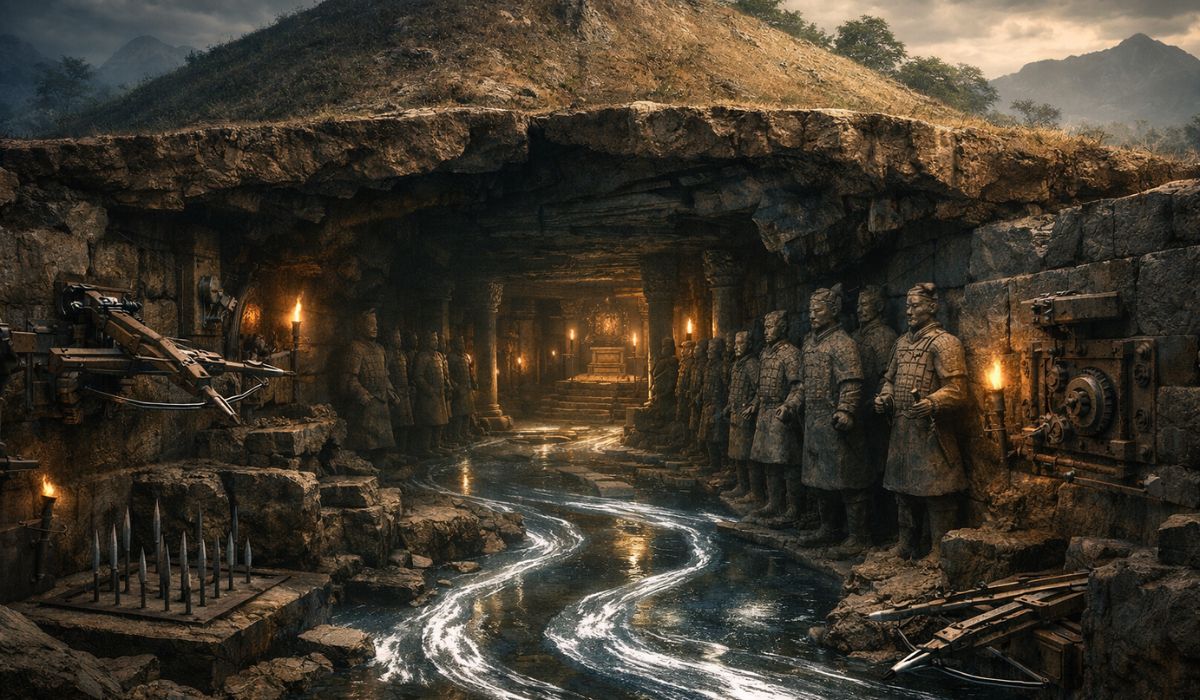
Untouched for 2,200 years, the tomb of China’s first emperor hides up to 100 tons of mercury, lethal traps designed to kill invaders, and a mystery so dangerous that archaeology still refuses to uncover it.
-
With 220 meters, 721 feet, and 25 thousand gross tons, the world’s largest sailing cruise ship sets a record before its debut and promises to reinvent luxury at sea with giant sails and futuristic engineering.

-
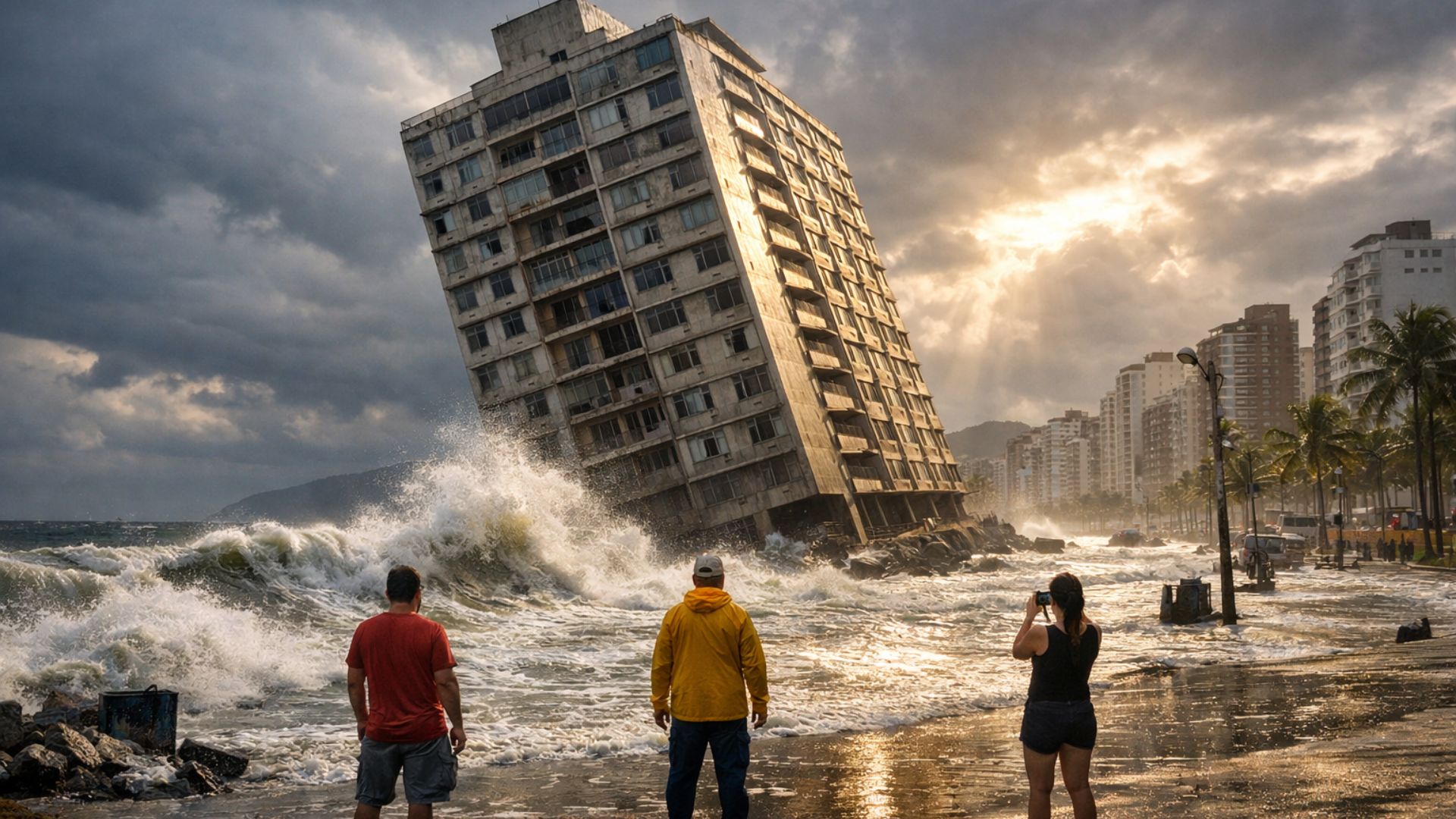
A Brazilian city is being invaded by the sea, buildings are leaning, and the solution could cost R$ 200 million with support from BNDES to prevent flooding, modernize drainage, and protect more than 200,000 residents within 5 years.
-
Lula’s government puts R$ 1 billion on the table to revitalize watersheds with 60 projects, including the São Francisco and Parnaíba rivers, sanitation, navigation, urban drainage, pollution control, and actions in strategic areas of Furnas.
The Origin of the Norwegian Treasure: Oil and Prudence
The secret to Norway’s success began to be written in the 1960s when huge reserves of oil and natural gas in the North Sea were discovered.
Unlike other countries that squandered oil revenues on immediate spending, Norway adopted an extremely cautious stance.


In 1990, the government created the Government Pension Fund Global (GPFG), with a clear mission: to invest oil profits in the future of the next generations.
The law prohibited unrestricted use of the earnings for public expenditure, allowing only a limited annual withdrawal of 3% of the total fund’s value — a kind of “national dividend” used to finance health, education, infrastructure, and environmental policies.
Over time, the wealth grew exponentially. International oil prices, combined with the investment strategy in foreign stocks and bonds, turned the fund into one of the largest financial reserves ever created by a country.
How the Fund Is Managed and Where the Money Is
Unlike state funds in other countries, the Norwegian fund is known for its transparency and exemplary governance.
Managed by NBIM, the arm of the Norwegian Central Bank, it publishes quarterly reports with all details of its investments, including companies, amounts, and profits earned.
In 2024, the fund’s portfolio consisted of:
- 72% in global stocks, spread across more than 9,000 companies;
- 26% in government and private bonds;
- 2% in real estate and renewable energy.
Norway is a shareholder in giants like Apple, Microsoft, Amazon, Nestlé, Toyota, Google, Shell, and Petrobras.
Just the profit obtained from dividends and appreciation of assets generated over US$ 200 billion in 2023, an amount greater than the GDP of many developed countries.
A Fund That Belongs to the People
The most impressive thing is that the fund does not belong to the government, but to the Norwegian people.
Every penny is considered national wealth, and its management is overseen by the Parliament, the Ministry of Finance, and independent auditors.
The stated objective is simple and powerful: to ensure the well-being of future generations, even after the end of oil.
While Brazil and other commodity-dependent economies face cycles of boom and bust, Norway has built a system capable of generating stable and predictable income for decades.
The strategy also serves as a shield against global crises — when oil prices fall, earnings from stocks and bonds offset the losses.
Wealth Without Ostentation and Focus on Quality of Life
Despite its trillion-dollar fortune, Norway is an example of modesty and economic balance. The country avoids unnecessary spending and maintains one of the lowest rates of social inequality on the planet.
On the streets of Oslo, there is no ostentation of luxury: the resources from the fund are directed towards free quality education, universal public health system, and investments in clean energy.
The Norwegian model is considered by economists a “lesson in macroeconomic humility”. Instead of turning oil into ephemeral wealth, the country transformed it into education, well-being, and lasting economic security.
An Example That the Whole World Is Watching
The Norwegian Sovereign Fund is frequently cited in reports by the IMF, World Bank and OECD as the most efficient and transparent model of public management of natural resources.
Other countries have attempted to follow the same path, such as Qatar, the United Arab Emirates, and Chile — but none have achieved the combination of political stability, fiscal control, and Norwegian public ethics.
Today, the fund is valued at over US$ 2 trillion, which is equivalent to about R$ 10 trillion, and continues to grow. The average annual return exceeds 5% per year, enough to sustain future generations even if oil exploration were to end tomorrow.
A Small Country, A Gigantic Fund, and a Great Lesson
With a population comparable to the city of Rio de Janeiro, Norway has achieved what few nations have dared to try: transform a finite resource (oil) into permanent wealth.
The sovereign fund is now larger than the GDP of countries such as Brazil, Canada, or Russia when adjusted for per capita proportion. It is a clear demonstration that planning, transparency, and long-term vision can turn a small country into a global giant.
If there is an example of how to wisely manage abundance, it is Norway — a country that could literally pay R$ 1.8 million to every citizen and still maintain billions in reserves for the future.







-

-

-

-

-

14 pessoas reagiram a isso.