





 Portuguese
  English
  Spanish
  4 min of reading
  0 comments


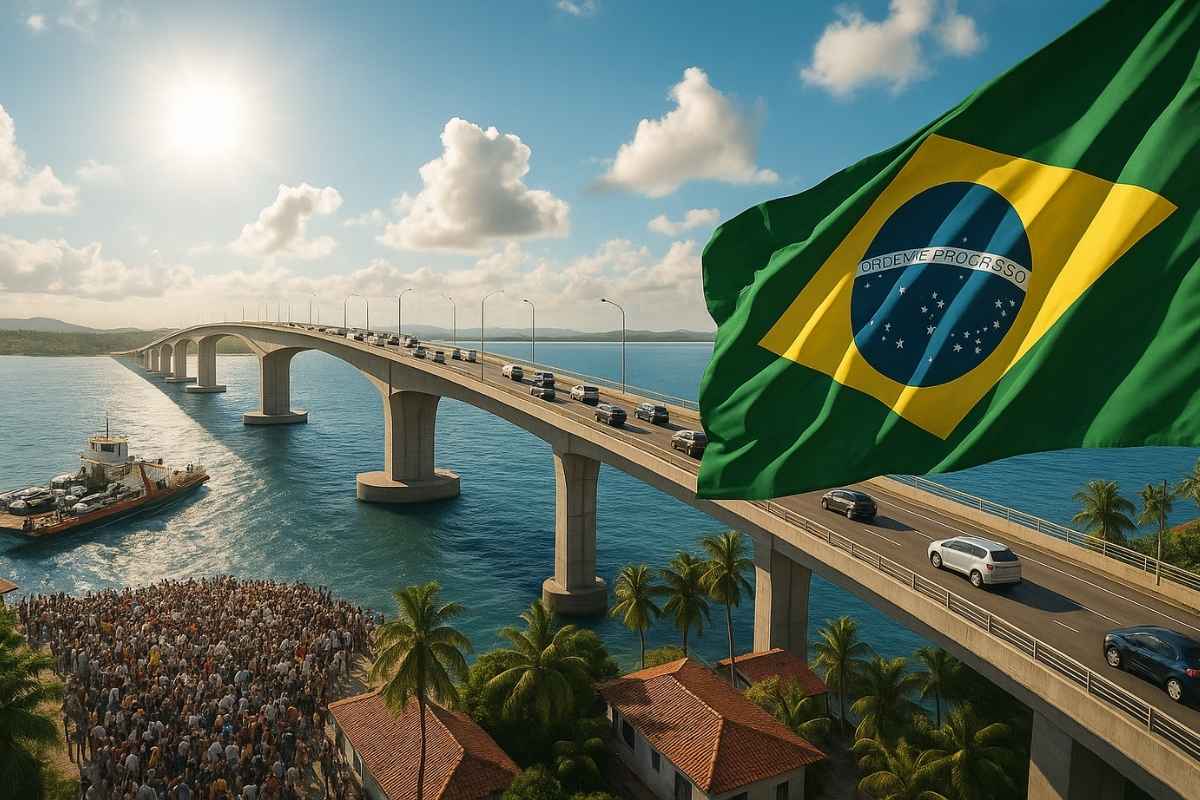
The New Guaratuba Bridge Will Have Over 1.2 Km Over The Sea, Totaling 3.07 Km With Access, Four Lanes, A Bike Path, And Sidewalks, Making The Connection Between Guaratuba And Matinhos Permanent.
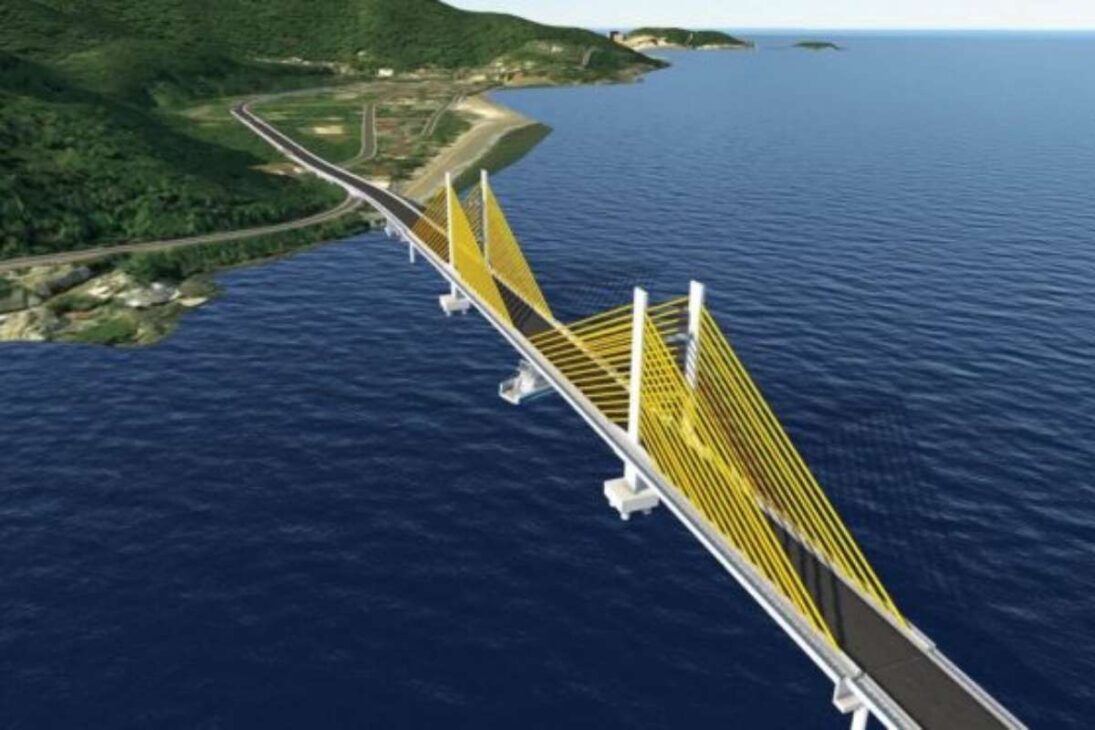
The new Guaratuba Bridge is considered the main recent roadwork on the coast of Paraná. With 1,244 meters in length over Guaratuba Bay and 3.07 km in total including accesses, the structure was designed to replace the ferry crossing, eliminate historical queues, and ensure smooth traffic between Guaratuba and Matinhos, reducing logistical costs and increasing safety.
The project, officially named Bom Sucesso Bridge, includes four traffic lanes, a bike path, sidewalks, and concrete barriers, with a stay cable section of 320 meters, a navigation channel of 90 meters wide, and 19 meters high for passage of vessels. The works started in September 2023 achieved 75% completion in September 2025, with delivery scheduled for April 2026, keeping the new Guaratuba Bridge at the center of the state’s mobility and tourism agenda.
What Will Be Delivered And Why It Changes The Game
The final configuration includes dual lanes in each direction, functional shoulders, and safety devices aimed at the marine environment.
-
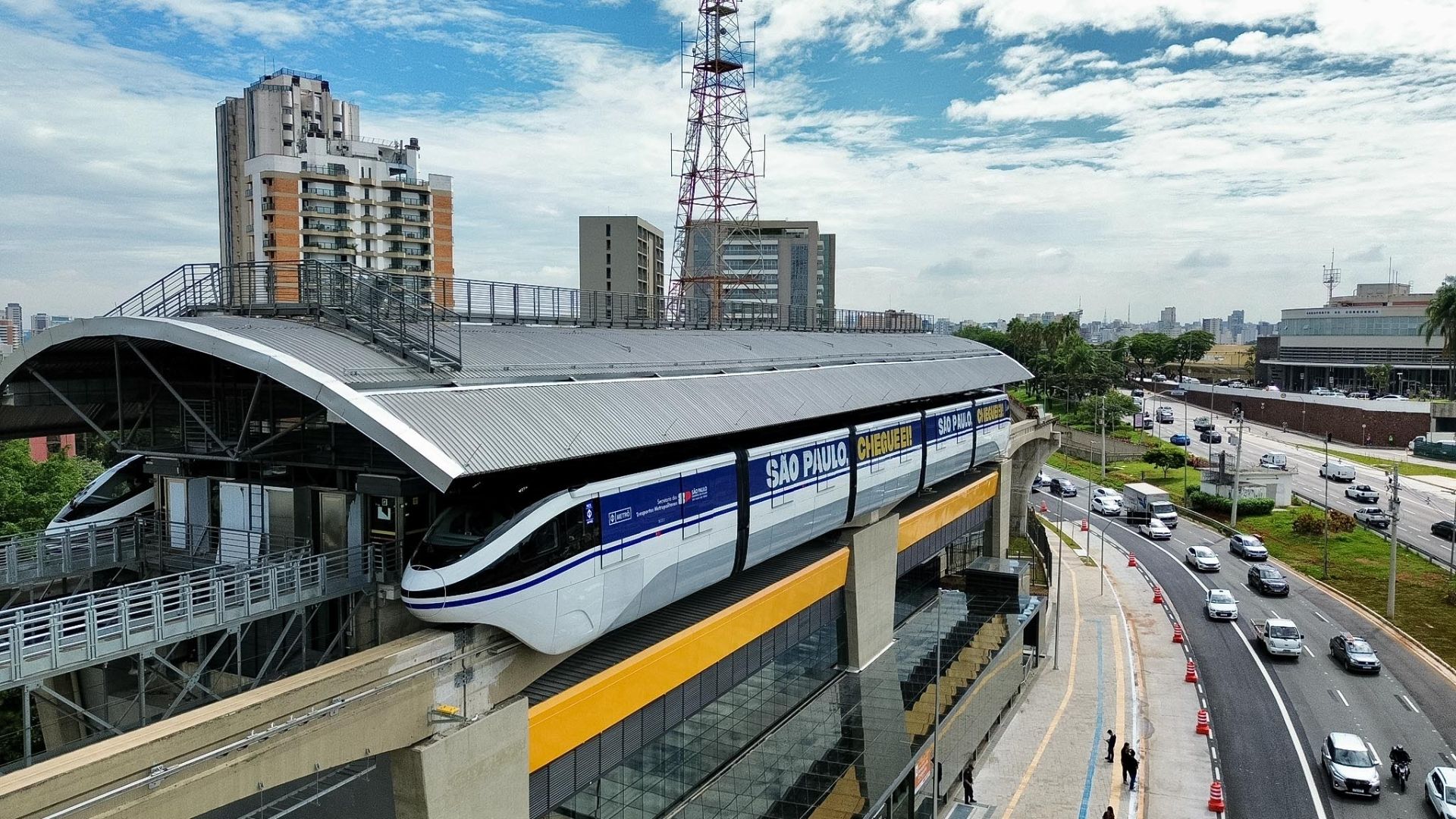
Congonhas receives the monorail promised for the 2014 World Cup after more than a decade of delays and becomes the first airport in Brazil with integrated subway.
-
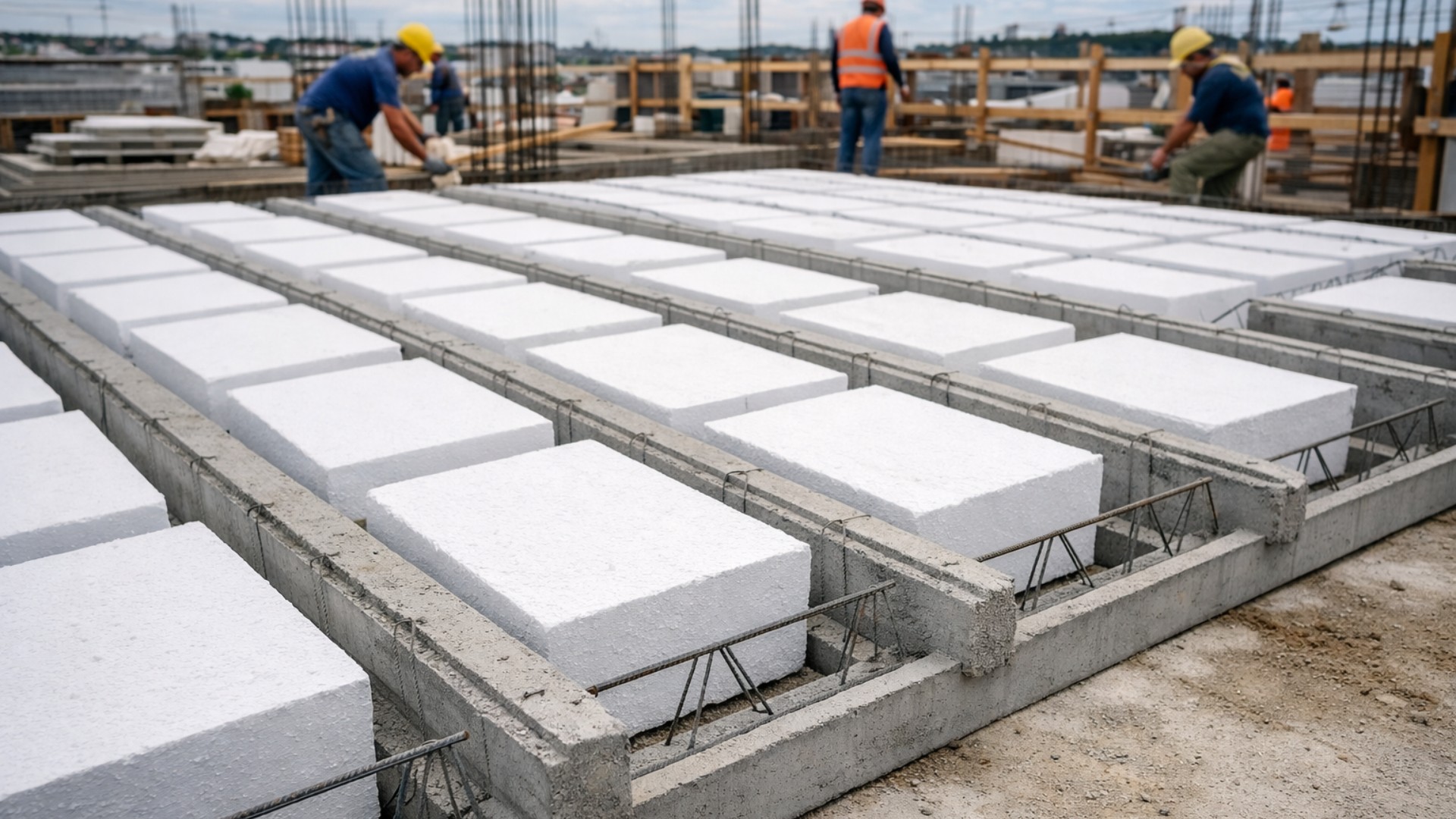
Goodbye, concrete: a new trend in civil construction reduces the weight of the structure by up to 30%, accelerates projects by up to 40%, cuts costs on steel and labor, and improves thermal insulation with EPS.
-
Russian engineers create an innovative propeller blade for aircraft that could completely change the way airplanes and helicopters operate.

-
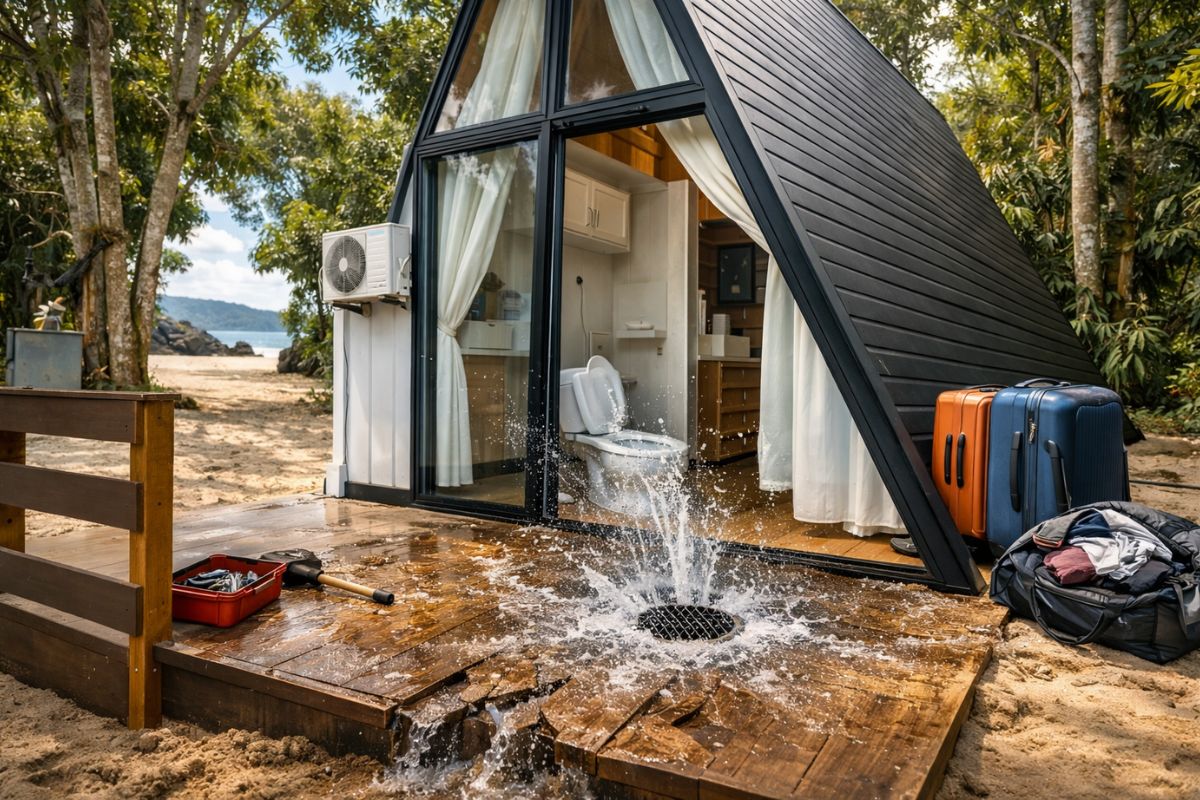
Couple finishes building PVC chalet on the beach on the last day, with air conditioning and curtains, but discovers the bathroom drain is inverted: water escapes from the drain, risking breaking the floor, and the rush continues before the trip.

The bike path and sidewalks incorporate active mobility into the design, allowing for local movements and short-distance tourism in an axis previously limited by the ferry.
The stay cable section improves the navigation height and marks the landscape with a technical span designed for the safe operation of vessels.
Structurally, the new Guaratuba Bridge employs prestressed concrete and deep piles sized for 20 to 50 meters, essential parameters for performance in a saline environment and coastal winds.
This solution, combined with deformation control and reinforcement detailing, supports a high lifespan and lower maintenance costs throughout the operational cycle.
Schedule, Investment, And Consortium Execution
The contract stipulates an investment of R$ 386.9 million with funds from the Government of Paraná, without tolls, reinforcing the public nature of the intervention.
The Nova Ponte Consortium, formed by GEL, OECI, and Carioca Christian-Nielsen Engenharia, conducts the execution with simultaneous fronts on accesses and the main deck.
In September 2025, physical progress reached 75%, maintaining the goal of opening to traffic in April 2026.
Even with specific business difficulties from one of the members, the consortium maintained work pace and schedule, prioritizing structural milestones such as foundations, support blocks, beam launches, and stages of the stay cable system.
This milestone control is crucial to prevent chain delays and preserve mobility planning for the peak season.
Direct Impact On Mobility And Regional Tourism
The replacement of the ferry by the new Guaratuba Bridge removes the historic bottleneck of waiting, shortens travel time, and increases travel reliability, a critical factor for service logistics and supply.
The continuous flow improves operations during holidays and summer, reduces typical accidents caused by long queues, and ensures predictability for public and private transport.
In tourism, the permanent connection favors hotel occupancy rates, integrated beach and nature itineraries, and the diversification of enterprises along the Guaratuba-Matinhos axis.
Merchants and service providers gain scale and more distributed seasonality, while residents become less dependent on weather windows that previously restricted ferry operations.
Environmental Benefits And Toll-Free Operations
With the gradual deactivation of the ferries, noise, emissions, and operational risks within the bay are reduced.
The 90-meter channel and the vertical clearance of 19 meters mitigate navigation interferences, and the stay cable solution concentrates structural efforts, decreasing interferences in the water mirror.
The absence of tolls serves as an additional stimulus for regular travel, without burdening residents and workers who rely on the crossing daily.
The new Guaratuba Bridge also structures coastal planning policies, allowing planning for accesses, parking lots, feeder bike paths, and tourist observation points with road safety and service capacity.
This improves the visitor experience and mitigates irregular occupations pressured by transportation bottlenecks.
Risks, Controversies, And How They Were Mitigated
Large coastal works deal with weather, tides, corrosion, and logistics of materials. To mitigate risks, the project adopts anticorrosive protection, technological control of concrete, and construction sequencing that limits critical launching windows.
Contract governance and monitoring of physical milestones were the operational response to business uncertainties, preserving key deadlines and the functional delivery.
In the public debate, questions arose regarding cost per kilometer, budget priorities, and local impacts. The technical response was an integrated mobility project, licensing, and environmental monitoring.
Communication of the work and transparency of the stages helped anchor expectations and explain why a marine bridge requires more robust solutions than common river crossings.
What Changes On The Day Of Opening To Traffic
With the inauguration, the user experience approaches that of an urban highway corridor, with dedicated accesses, standardized signage, and continuous crossing. For residents, routes for work and study become shorter and more predictable.
For tourists, multi-destination itineraries along the coast become feasible in a single day, which spreads consumption across more neighborhoods and beach towns.
In terms of road safety, the new Guaratuba Bridge introduces modern barriers, curvature and ramp geometry compatible, and service shoulders, reducing typical occurrences of emergency stops in port queues.
The bike path design and sidewalks add social and tourism value, promoting active circulation and contemplation points.
Do you agree that the new Guaratuba Bridge should prioritize, at the opening, educational operations for cyclists and pedestrians, as well as signposted tourist routes in both municipalities? Do you think that the absence of tolls is the best choice for local development? Leave your opinion in the comments, we count on the experience of those who live on the coast in practice.









-

-

-

-

-

-

111 pessoas reagiram a isso.