





 Portuguese
  English
  Spanish
 3 min of reading


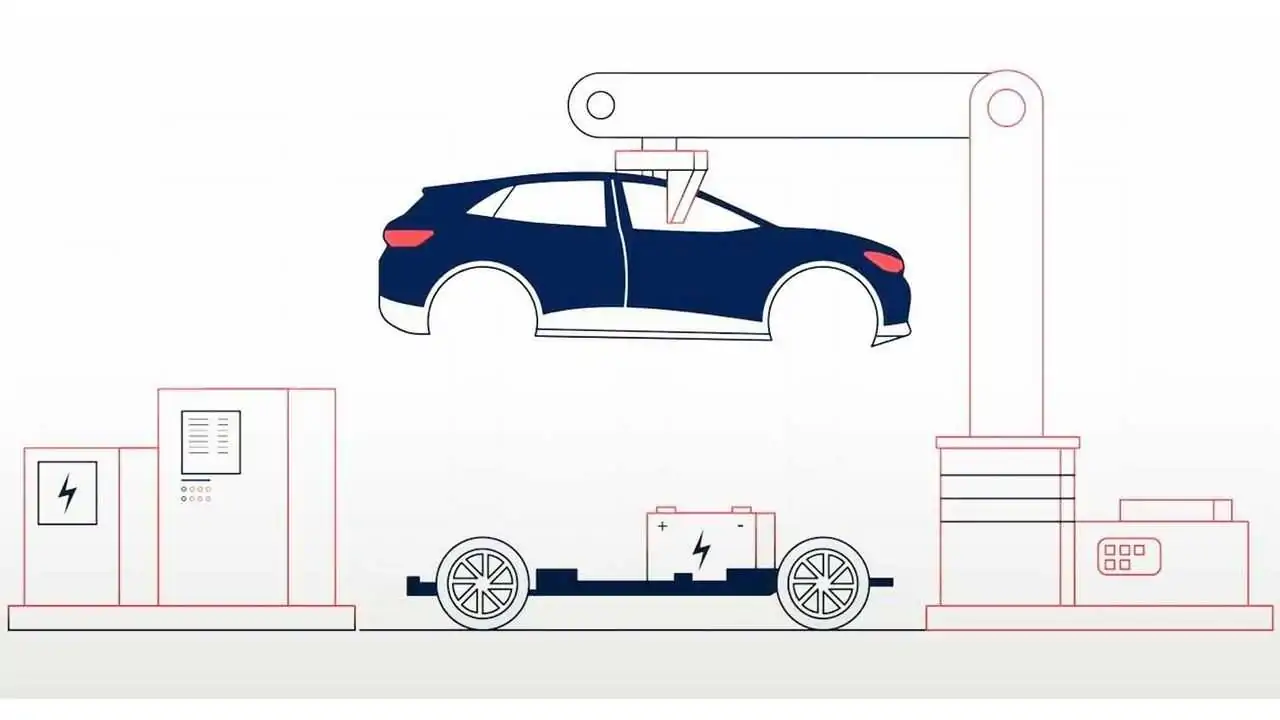
At First, It Is Necessary to Point Out That, Yes, Recycling Electric Cars Is More Difficult Than Conventional Cars. This Is Because Regular Scrap Recycling Is Easy, and Combustion Cars Have Large Steel Bodies and Aluminum Transmission Parts.
On the other hand, when we analyze the components and minerals in the engines, we realize that electric vehicle batteries are harder to separate, delaying recycling. However, this process is not impossible. In fact, because they are extremely valuable, recycling electric cars turns out to be very worthwhile.
At the same time, it is necessary to point out that the extraction of lithium from the ground – for electric vehicle manufacturing – may suddenly end. However, closed-loop recycling is unlikely to come to an end. In other words, even though it is more difficult, recycling electric vehicles should be an essential topic for automakers and anyone concerned about the planet’s ecological situation.
Thus, JB Straubel, who became famous for inventing significant hardware for Tesla, now has his own company – Redwood Materials – to start recycling electric cars. Furthermore, other companies are already eyeing the segment to get ahead of the competition.
-
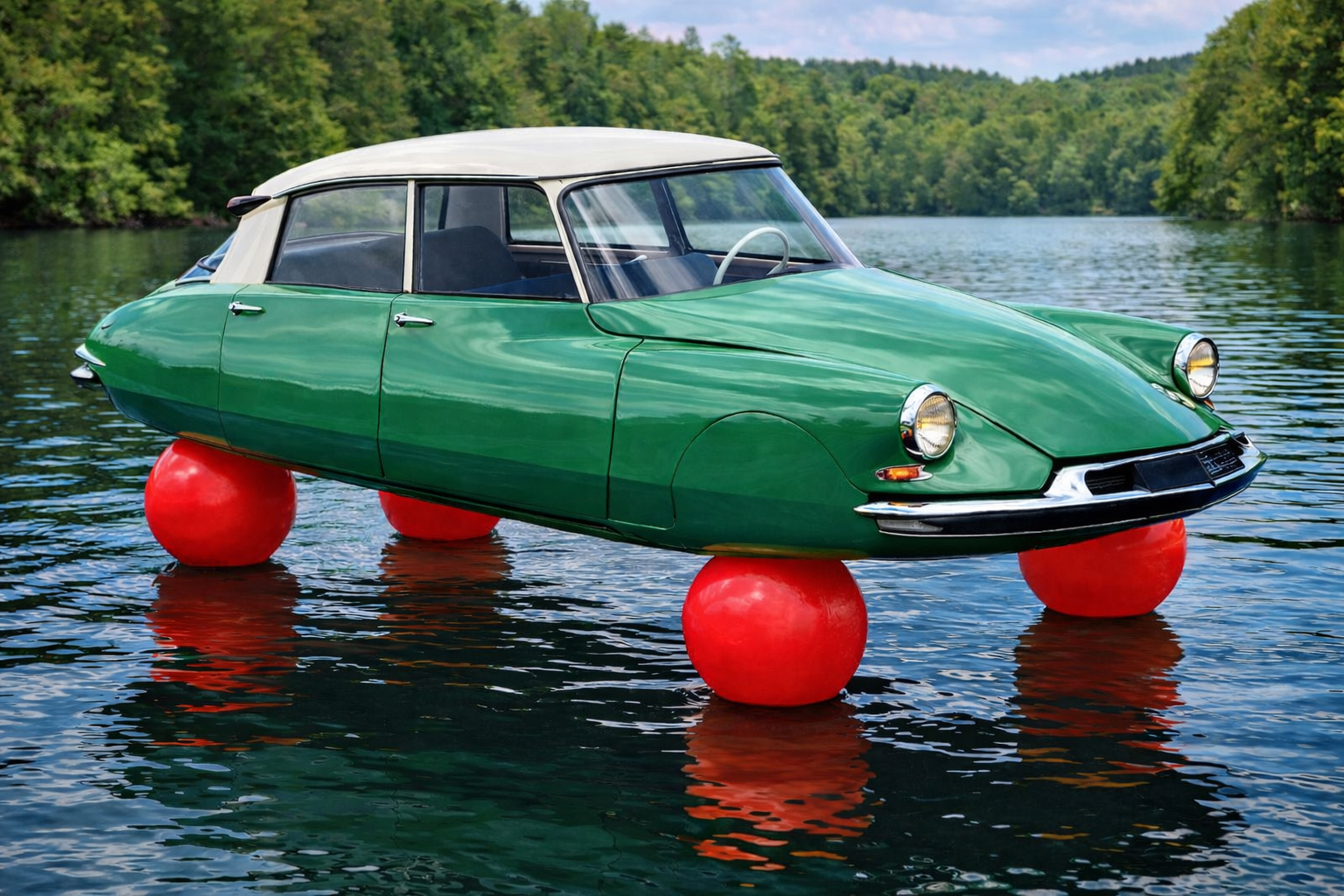
A French brand placed a car on four huge red balloons to prove that its suspension made the vehicle “float,” and the surreal scene became one of the most iconic and unusual images in automotive history.
-
Jeep Avenger begins production in Brazil, debuting as the brand’s new entry-level SUV and inaugurating an unprecedented phase by becoming the first national Jeep manufactured outside of Goiana, as part of a R$ 3 billion plan.
-
Costing R$ 12,490, the new Shineray Urban Lite 150 “cheap one” arrives in Brazil with a CVT transmission, digital dashboard, and LED lights, making it more affordable than the Biz and targeting those who want to abandon the bus.
-
Ducati brings to Brazil the Superleggera V4 Centenario: 228 hp that become 247 with a track kit, carbon fiber and carbon-ceramic brakes, estimated price between R$ 1.5 and 2 million, deliveries only in 2027.

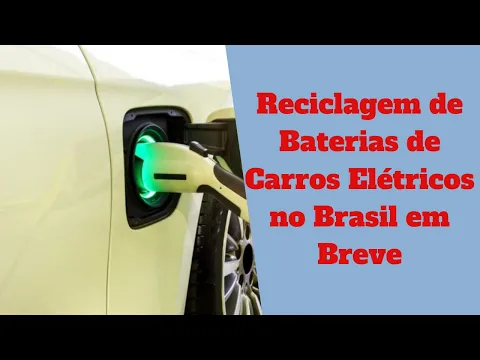
Northolt, one of the largest suppliers of electric vehicle batteries in Europe, is creating a recycling plant. On the other hand, Renault is transforming Flins, a historic car manufacturing plant, into a conglomerate for recycling electric vehicles.
Slowly, recycling processes will be improved. Currently, there are two systems for this: pyrometallurgy, which, by using heat, consumes energy – which needs to be renewable. And we also have hydrometallurgy, which uses chemicals, meaning it is necessary to clean the residues. In both cases, it is expected that electric vehicle recycling will be accelerated to combat ecological problems arising from their manufacturing.
Electric Vehicle Recycling Is Already a Reality in Brazil

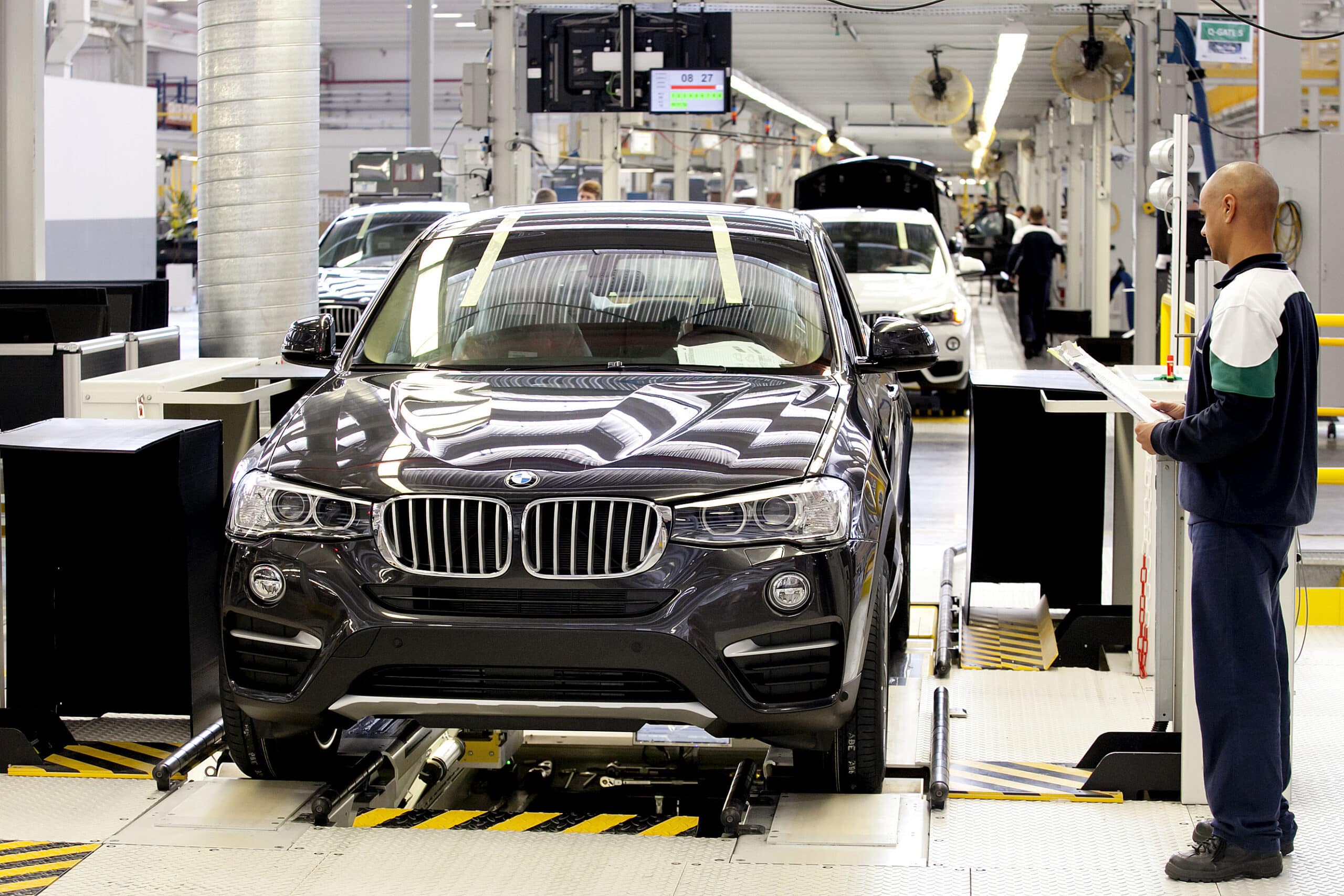
In recent months, BMW Group Brazil, the metallurgy company Tupy, and Senai Paraná have formed a partnership to create sustainable processes that ensure the recovery of chemical compounds from electric vehicle batteries.
With initial investments of R$3.4 million, each company will bring specific knowledge for studies within their area of expertise.
The mission of the partnership is to develop the recycling of lithium batteries through hydrometallurgy, which is the most ecological process for electric vehicle recycling. It not only emits less greenhouse gases, but it also does not rely heavily on the extraction of minerals.
The initiative envisions a new scenario for the use of recycled minerals in the manufacturing of new batteries. Thus, the dependence on primary mineral raw materials will be considerably reduced. Lasting for 2 years, the first results are expected to emerge in the first quarter of this year.
Finally, the project’s mission is to recycle electric car batteries, to ensure the resynthesis of the active material of a battery, to guarantee 100% recycling. Furthermore, the entire process should be ecological, to ensure the sustainable potential of the initiative.









Seja o primeiro a reagir!