Portuguese
  Spanish


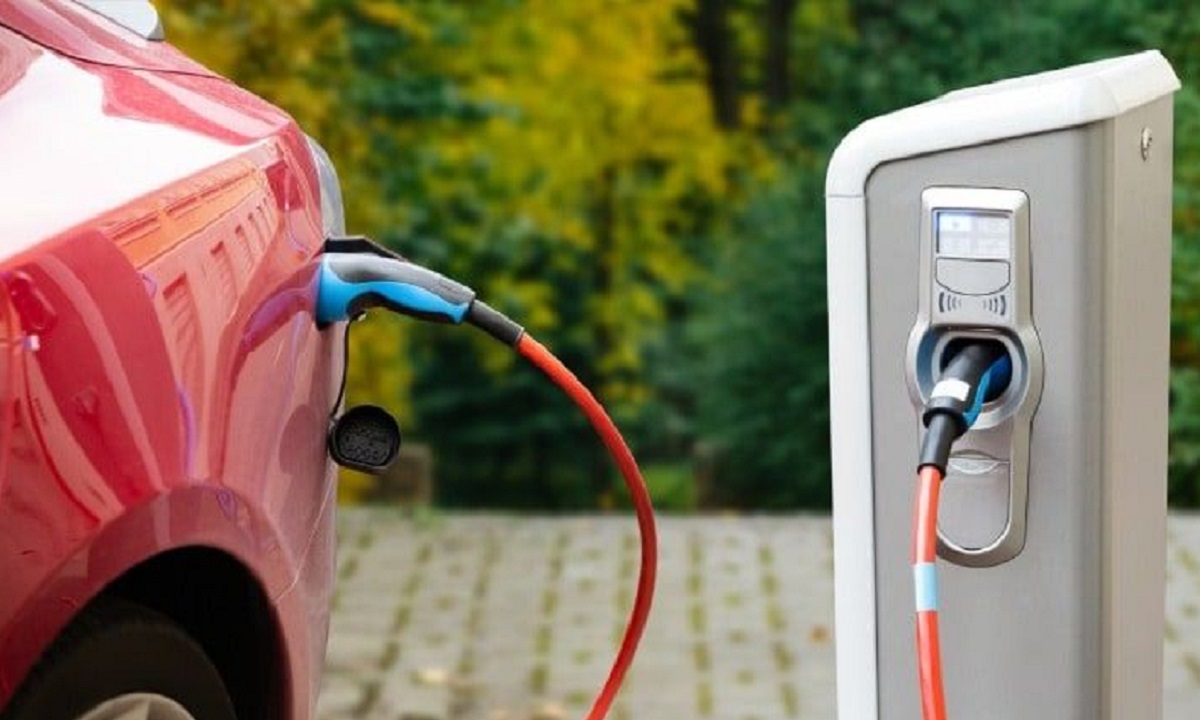

Electric Cars Are Not As Harmless As They Seem. Their Batteries Can Cause Great Environmental And Social Damage
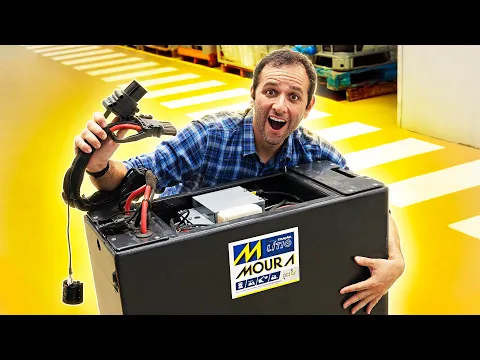
Electric cars are known for being allies of the environment, as they use clean energy and thus do not directly pollute the atmosphere. Their batteries are expensive, emit carbon during production, and rely on lithium, a resource that is scarce in nature and must be extracted through mining. Additionally, the world’s lithium sources are located in conflict regions, such as the Congo, located on the African continent.
Damage Caused by Lithium, Used in the Production of Electric Car Batteries
In addition to being a rare element that must be mined in distant and conflict-ridden areas, 2.1 million liters of water are needed for the extraction and refining of each ton of lithium, enough to produce batteries for just about 80 electric vehicles. To worsen the environmental issue, the lithium contained in the rocks must be separated using highly toxic chemicals, such as sodium carbonate, bases, and acids. The release of these chemicals through the leaching process, spills, or atmospheric emissions endangers local communities and ecosystems.
High Cost of Electric Car Batteries Is Another Negative Factor
According to researcher Carolina Pineda Castro from the Electric Vehicle Study Laboratory (Leve) at the State University of Campinas (Unicamp), several obstacles must be overcome to make the lithium battery production chain less complex and cheaper. “The COVID-19 pandemic and the Russia-Ukraine war affected battery prices, which had been declining,” she states. “This is because the price of metals such as cobalt, lithium, and nickel increased, raising serious concerns about the supply chain,” she adds.
-
Rolls-Royce Turns Heads with 30-Inch Floating Wheels, 6.6-Liter V12 Engine, and 563 Horsepower

-
2019 Kia Sportage EX: A Spacious and Cost-Effective SUV with 2.0 Flex Engine and Panoramic Roof
-
Fiat Strada Becomes Top Seller in June, Surpassing Onix, Polo, Hilux, and T-Cross with 107 HP Engine and 732 km Range.

-
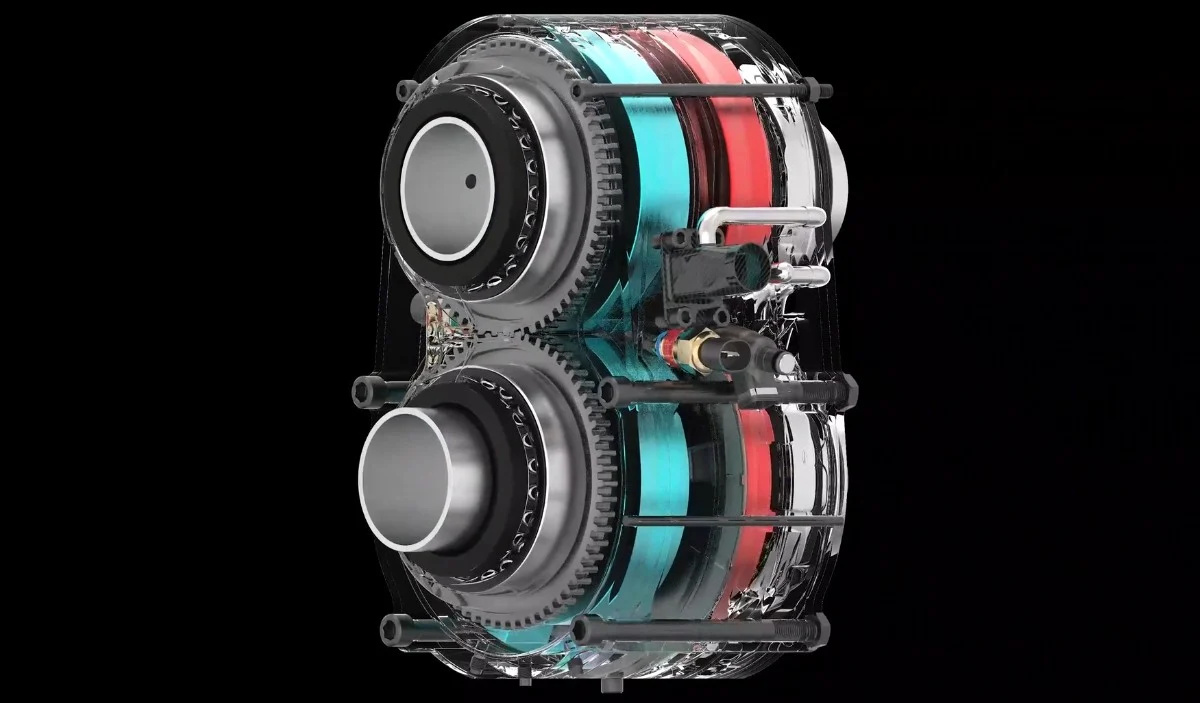
Suitcase-sized hydrogen engine spins at 25,000 rpm, nearly doubling the efficiency of conventional cars and replacing exhaust smoke with water vapor


According to estimates from Benchmark Mineral Intelligence – a London-based price reporting agency and specialized information provider for the lithium-ion battery supply chain – since January 2020, the price of this mineral has seen a 900% increase, which may interfere with the future of electric propulsion vehicles, which continue to face rising prices. To learn more, see below.