Portuguese
  Spanish


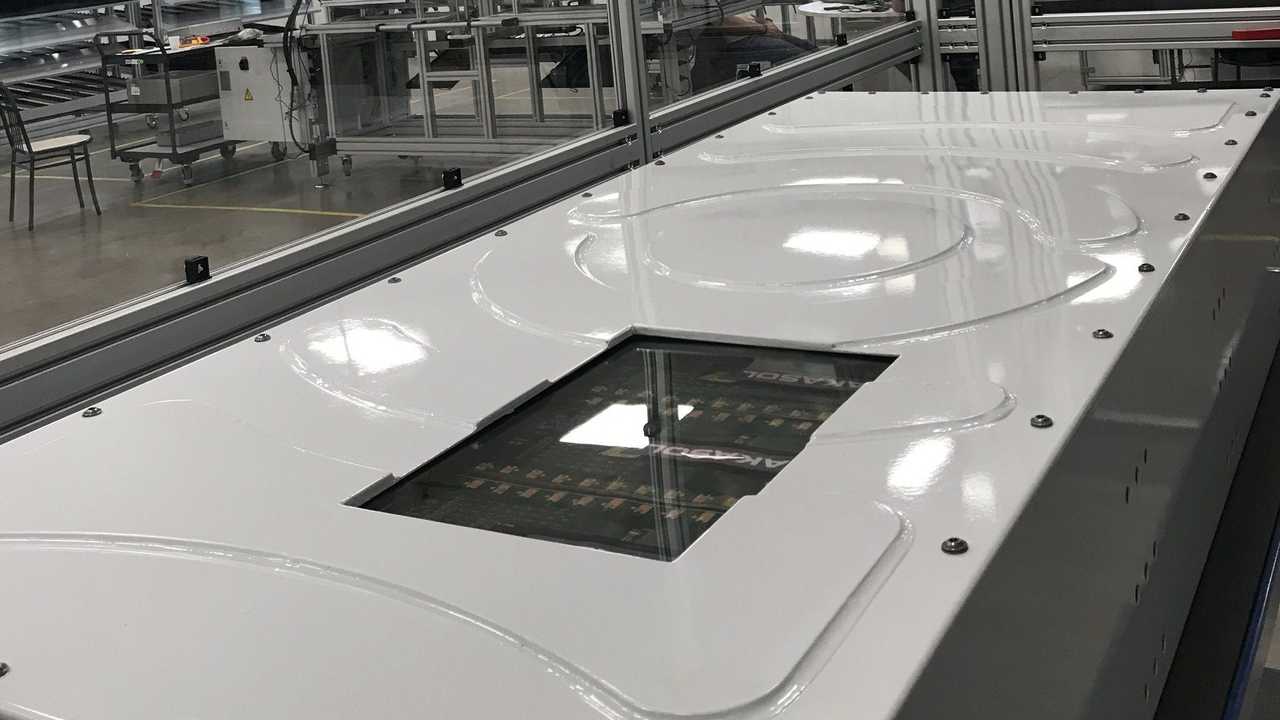

After acquiring AKASOL, BorgWarner plans to install a new battery factory for electric cars in São Paulo next year, increasing its revenue by 45%.
BorgWarner is close to completing half a century in Brazil and, to celebrate, announced the installation of a new battery factory for electric cars. After the acquisition of AKASOL AG, a German manufacturer of batteries for electric cars founded in 2008, the new unit is located in Piracicaba, inland São Paulo, with operations expected to begin in the first quarter of 2023.
BorgWarner Plans to Increase Its Revenue by 45% with the New Factory

This is the company’s fourth factory globally, and it will be responsible for manufacturing battery packs, as well as charging and management systems aimed at electric cars and buses. The initial production capacity of the new plant is 4,000 battery systems per year, with some raw materials imported; the second phase will involve local production.
With a global revenue of US$ 14.8 billion last year, BorgWarner’s goal is to increase this figure by 45% with the introduction of electrification systems. The energy generated by the new factory in Piracicaba will be enough to power 200 homes per year.
-
Chery Offers Lifetime Battery Warranty and Car Replacement for Major Failures Under New Chinese Regulations

-
Sales of Brazil’s Cheapest Electric Car Halted Before First Deliveries: E-Motors Suspends Emova Easy Due to Import Tax Increase and Rising Freight Costs

-
Nissan Discontinues Qashqai SUV Amid Cost-Cutting, Chinese Competition, and Product Line Review
-
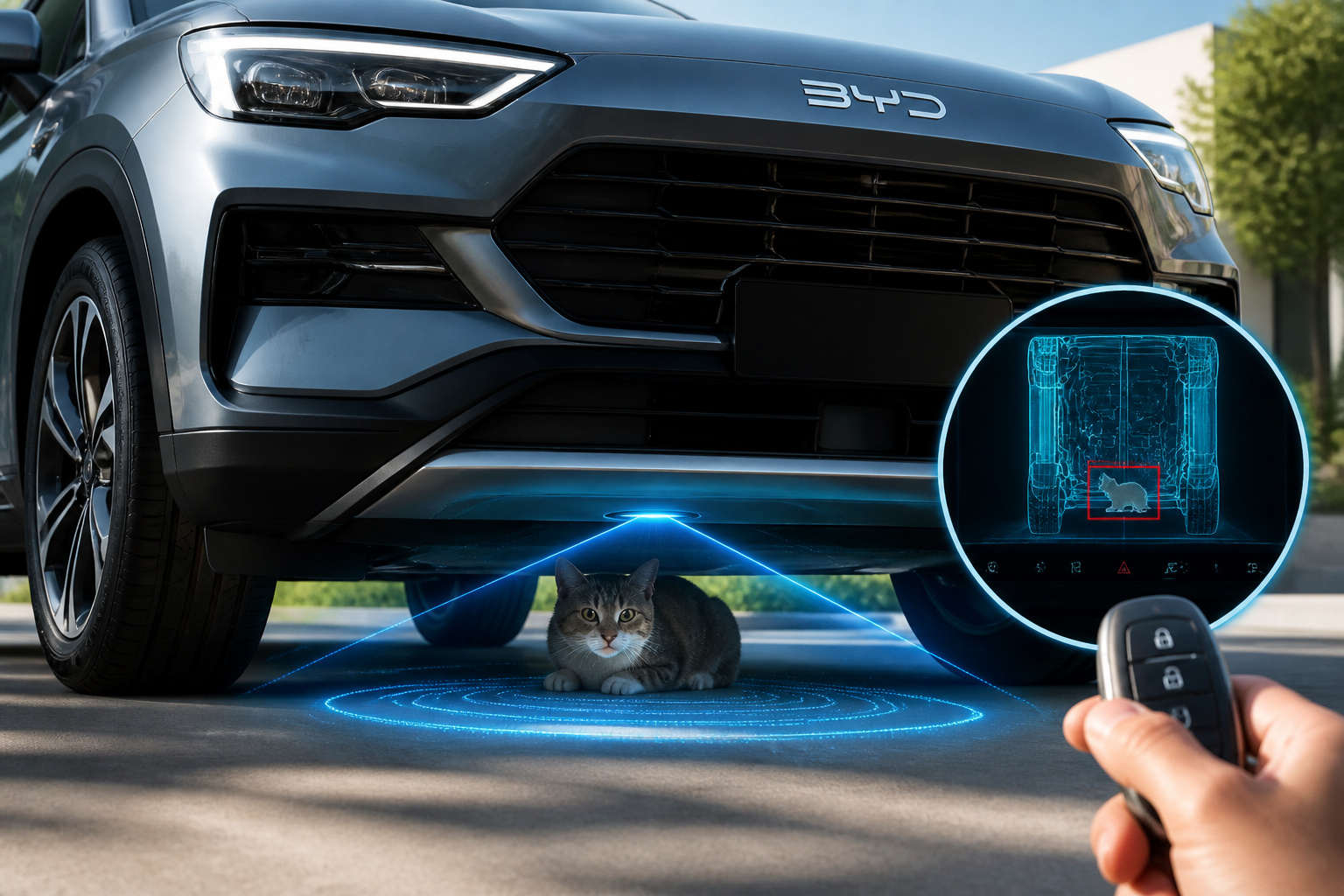
BYD Patents Revolutionary System Using Computer Vision to Detect Animals Under Cars Before Starting, Preventing Tragedies


Alongside combustion engines, approximately 18 million metric tons of CO2 were reduced by the turbos produced by BorgWarner last year, with local production recording a growth of 13.4%, and the sales outlook for vehicles equipped with the component reaching 71% by 2030, according to the company.
In a press presentation held last Friday (25), the American giant provided more details about its energy transition strategy and stated that it is ready for electric cars, with a policy of flexibility and rapid transformation, supported by new acquisitions and investments.
Company Exceeds Its Own Target Years Ahead
During the event, the director for battery systems in Brazil and South America, Marcelo Rezende, emphasized that the installation of the new factory and new products for electric cars are a result of the strategic plan “Charging Forward,” which includes essential goals and challenges such as organic revenue growth from electric vehicles, investments in mergers and acquisitions focused on EV, and optimization of the portfolio focused on combustion products.
The executive highlighted that, in this sector, the goal was to reach a volume of US$ 2.5 billion by 2025. However, last year, the company achieved a value of US$ 2.9 billion, exceeding its own target by several years, showcasing the strength and speed of the industry’s energy transition.
The vice president and general manager of global battery systems at BorgWarner, Henk Vanthournout, is excited about the demand and market potential for these products and the opportunity to provide customers with a flexible and high-quality portfolio of electrified solutions. The new factory will be responsible for producing innovative, cutting-edge, global batteries for electric cars.
New Factory Will Meet Demand in South America
The new unit in Piracicaba will receive the ultra-high energy (UHE) AKASystem AKM CYC battery packs from AKASOL and integrate them with the charging modules and electronic management, as well as the connection box, produced in Brazil.
According to the company executive, in a second phase, these packs could also be manufactured domestically.
The battery systems unit being set up in Brazil will meet the electrification needs of South America and produce modular, flexible, and scalable systems for any vehicle, meaning that the packs can equip light commercial vehicles and even passenger cars.