





 Portuguese
  English
  Spanish
  3 min of reading
  0 comments


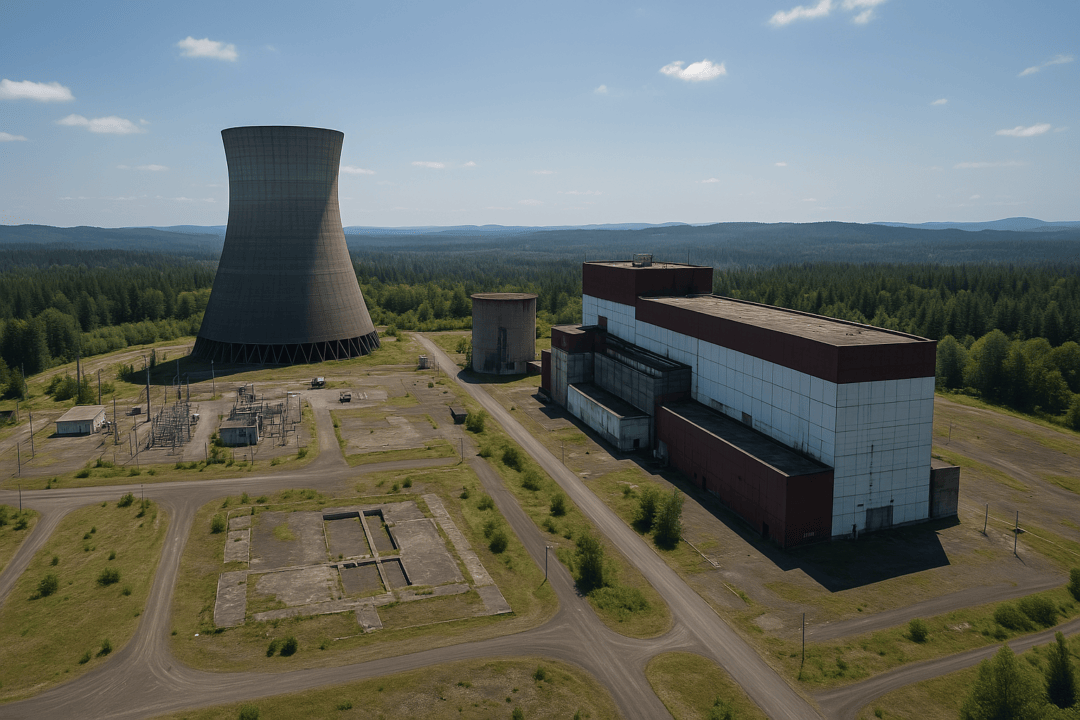
Abandoned Nuclear Plant in the U.S. Transforms into Ultrasonic Sound Laboratory. Structure Used for High-Precision Acoustic Research
In the heart of Washington state, two cooling towers nearly 500 feet (approximately 152 m) tall catch the eye on the horizon. They belonged to the former Satsop nuclear plant, a grand project that was never completed. Today, what could have been a symbol of the past has turned into something unexpected: a world-class acoustic laboratory.
Nuclear Plant Became Sound Testing Center
Construction of the nuclear plant started in 1957. The goal was to provide energy to meet the growing demand in the state. However, the project was canceled in 1982 due to high financial costs.
The site, which was part of the largest nuclear power plant construction plan in the United States, was abandoned even before it became operational.
-
Mysterious object on Mars divides NASA and Harvard after Curiosity image reignites suspicions about what was really found on the planet.
-
Giant structures 14 meters beneath Egypt are revealed by satellites and expose a millennia-old secret buried in Buto.
-
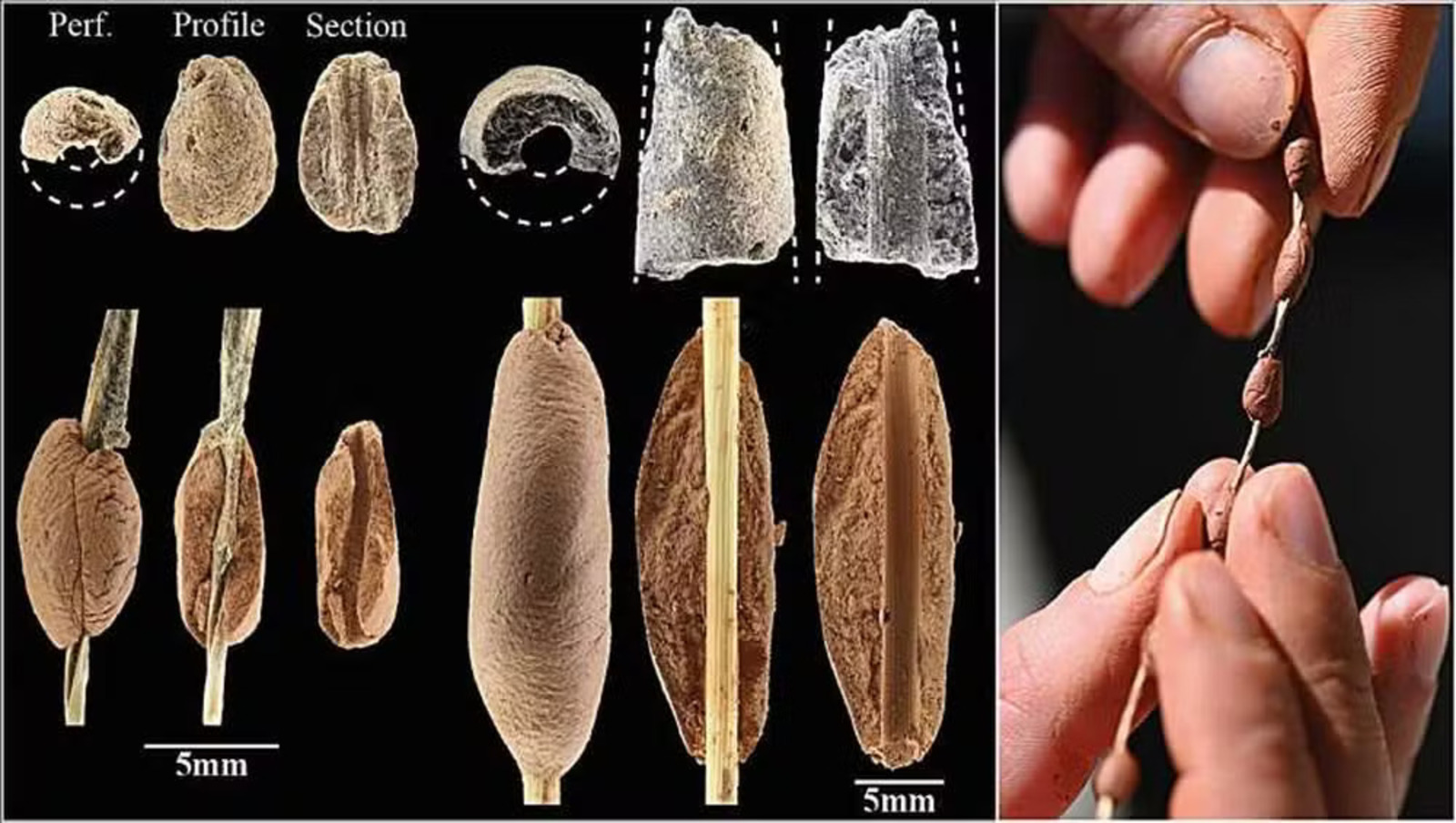
Children have been making clay pieces for 15,000 years in Southwest Asia, and fingerprints preserved on 142 ornaments helped archaeologists prove this.
-
New semi-autonomous legged robot technology challenges the limitations of space exploration by operating almost without human intervention on the Moon.

Despite the halt, the space was not left completely unused. It was converted into a business park. But the reactor and turbine buildings remained unused until 2010. That’s when NWAA Labs was established, an independent laboratory created to conduct advanced acoustic testing.
Unique Structure Attracts Experts and Creators
NWAA Labs was founded by Ron Sauro, a former NASA scientist with degrees in electrical and mechanical engineering from Stanford University. He transformed the reinforced spaces of the old plant into a high-precision sound testing environment.
According to Sauro, the site is ideal for measuring noise in building materials, household equipment, and even aircraft structures. Examples mentioned include crew cabins and noisy washing machines.
The structure of the building is also impressive: it was built to withstand a 10-megaton nuclear explosion and earthquakes of magnitude 10.
Largest Reverberation Chamber in the World
One of the highlights of the laboratory is its reverberation chambers, considered the largest in the world. These are environments where sound can be analyzed under specific conditions, with minimal external noise. The nuclear plant building features a floating room within another floating room, separated from the outside world by 7.5 meters of concrete.
“At very low frequencies, NWAA Labs can accurately measure down to 25 Hz because it is located in a floating room within a floating room, separated from the outside world by about 7.5 meters of concrete, ” Sauro explained. He states that at 1000 Hz, background noise reaches -43 dB, which is extremely quiet.
Additionally, NWAA Labs has anechoic chambers—rooms that simulate an echo-free environment, commonly used to test speakers and other audio devices. The old turbine room has also been repurposed for free field testing.
Music, Games, and Film Interested in the Space
The laboratory is now rented by the hour. Among the clients are musicians, sound designers for video games, and even filmmakers. The apocalyptic visual and rare acoustic features attract creative professionals.
The nuclear plant, radiation-free as it was never activated, has already appeared in films from the Transformers franchise. It continues to function as a testing center, offering up to 160 dB of variation between rooms for detailed measurements. A piece of the U.S. nuclear past is now helping shape the future of sound.
With information from Interesting Engineering.




Seja o primeiro a reagir!