





 Portuguese
  English
  Spanish
  4 min of reading
  0 comments



Behind The Optimistic Speech Of Builders And Banks, The Brazilian Real Estate Market Faces A Silent Collapse, Stalled By High Interest Rates, Taxes And A Lack Of Real Buyers.
The Brazilian real estate market lives a glaring contradiction. While the official numbers point to appreciation and optimism, the streets tell a different story of a country full of stagnant properties, agents with no activity, and buyers without credit. The dream of home ownership has turned into an expensive nightmare, fueled by rates, bureaucracy, and promises that do not hold up in reality.
Anyone walking through the cities sees faded “for sale” signs, empty new buildings, and families giving up on financing what was once a symbol of stability. The government pretends that credit is available, banks celebrate record profits, and the sector insists on the narrative of growth. But behind the PowerPoint, the Brazilian real estate market is stalled and the one who pays the price is the average citizen.
The Farce Of The Heated Market
The claim that the Brazilian real estate market is in full expansion is a myth sustained by partial data.
-
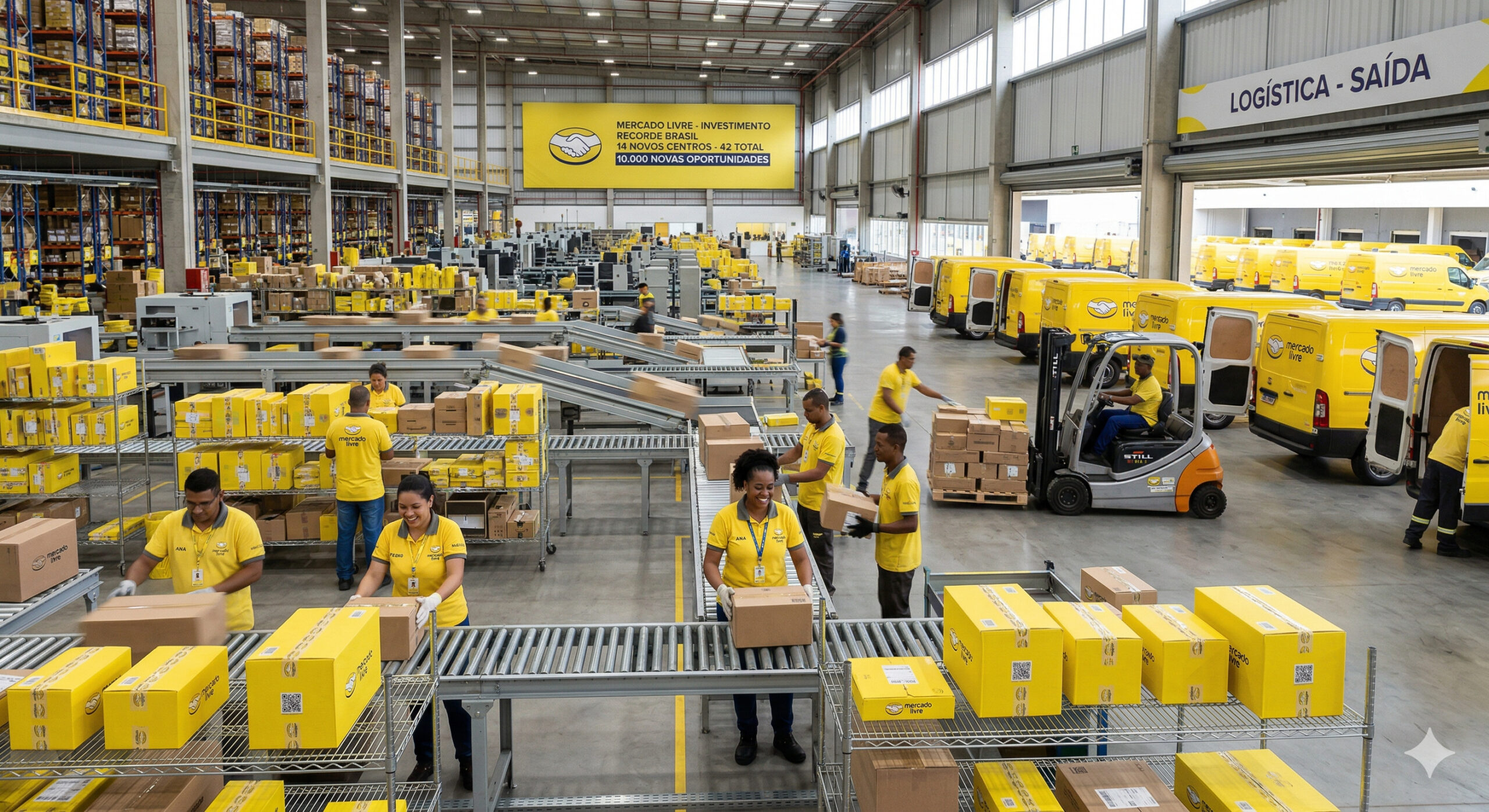
Mercado Livre “opens the vault” and announces a record investment of R$ 57 billion in Brazil in 2026, a value 50% higher than the previous year, with an expansion plan that includes 14 new logistics centers, totaling 42 units in the country and hiring an additional 10,000 employees.
-
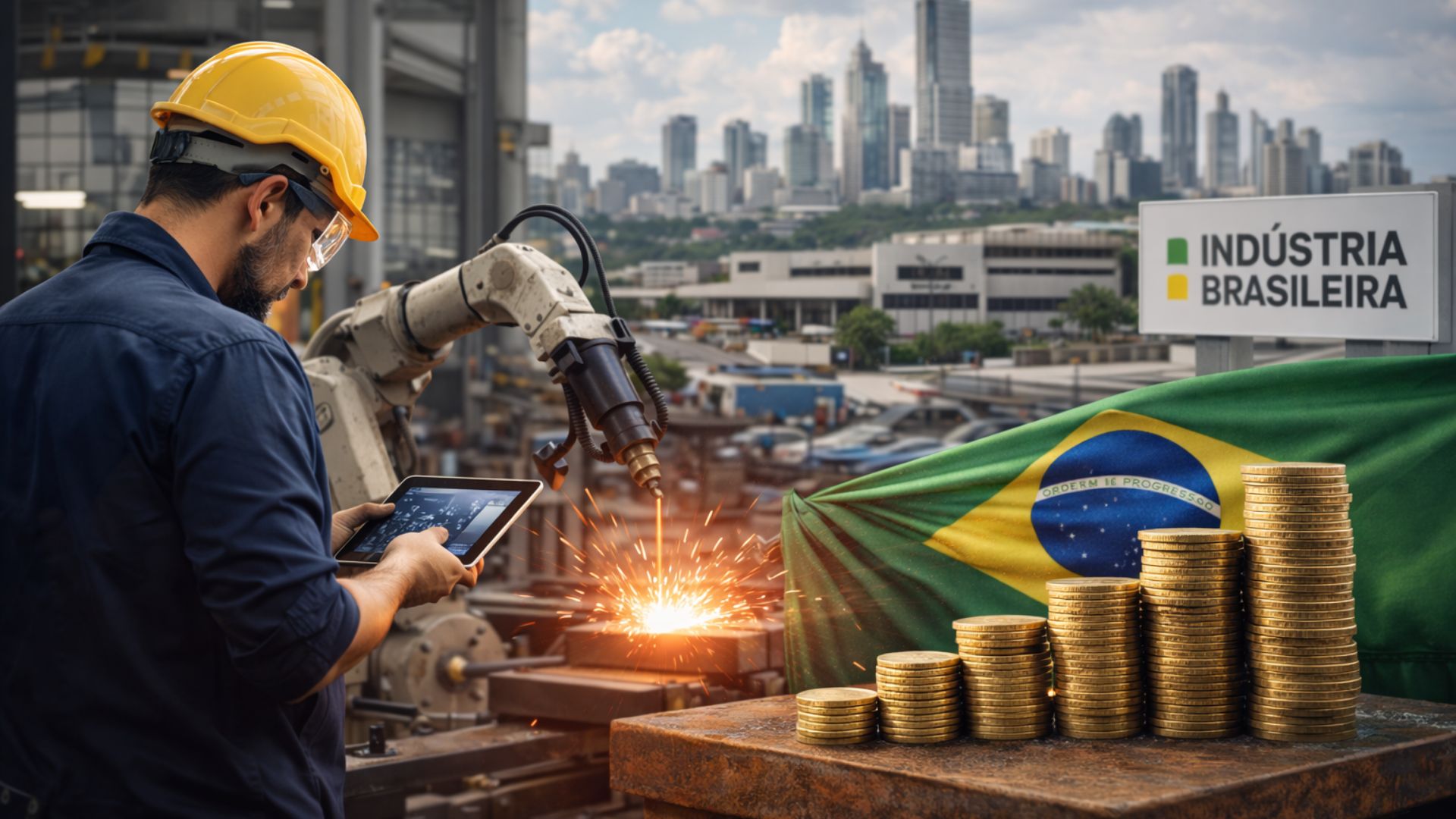
How investment in technology can revolutionize the national economy and enhance industrial gains, according to a study that highlights the direct impact on productivity, innovation, and wealth retention within Brazil.
-
The largest food company on the planet, JBS, has just opened a 4,000 square meter laboratory in Florianópolis to develop customized proteins that modulate muscle mass gain, immune response, and metabolic performance.

-
After nearly 30 bids and competition among industry giants, a Spanish company purchases one of the largest airports in Brazil for almost R$ 3 billion and takes over the management of Galeão in a concession that will last until 2039.


Prices have risen, but not due to demand, and instead due to inflation and rising costs. According to the FipeZAP index, properties saw a 3.3% increase in the first half of 2025, and ABRAINC points to a 12% appreciation for the year.
However, the inventory takes an average of 8.2 months to be liquidated. A heated market operates in at most four.
The participation of investors has dropped to the lowest historical level, only 31%. Even those who always bought to resell are out of the game.
High interest rates, Selic at 15%, and frozen credit deter even the most experienced. The sector shows profits in reports, but the spreadsheets hide the real emptiness of the streets.
Properties That Don’t Move
All over Brazil, there are properties that have been stagnant for years. Houses, apartments, and commercial spaces stuck in repeated listings.
The problem is structural: there are no buyers with income and too many sellers with unrealistic expectations.
Surveys show that 73% of Brazilians consider properties too expensive. Meanwhile, fixed costs erode profits; condominium fees, property tax, and maintenance turn wealth into losses.
Even in medium-sized cities, the scenario repeats: high inventory, weak demand, and demoralized agents.
The buyer of 2025 is more rational, does the math, and realizes that the risk is not worth it.
And when the sector refuses to recognize the new context, the outcome is predictable: a paralyzed market and declining confidence.
The Weight Of Interest Rates And Taxes
The biggest enemy of the Brazilian real estate market is not a lack of interest, but the cost of Brazil. High interest rates and excessive taxes have turned purchasing a property into a marathon of obstacles.
Those who try to finance give up upon seeing the bank simulation: the installment amount doubles, and the property that once fit within the budget is now unattainable.
Furthermore, the tax system treats housing as a luxury; ITBI, notary fees, registration, title, and capital gains drain the purchasing power of the citizen.
While banks and the government continue to profit, the worker watches the dream slip through their fingers.
The result is a country full of new and empty properties, stalled construction, and a sector that could create jobs but is stuck in bureaucracy.
The Mistakes Of Those Trying To Sell
Much of the blame for stagnant properties falls on the stubbornness of sellers. Many cling to unrealistic prices, based on sentimental memories or what they “think it’s worth.” The market doesn’t pay for memories, it pays for square footage and reality.
Others ignore the total cost for the buyer, who today calculates everything: condominium fees, property tax, maintenance, interest, and even renovations.
When the math doesn’t add up, the deal dies. Time is also an enemy: the longer the property sits idle, the more it depreciates.
Those who do not understand the new rhythm of the game remain with the “for sale” sign hanging and their pockets empty.
Opportunities In The Midst Of Chaos
Even amid the crisis, there are opportunities. When fear takes over, the best deals emerge.
Attentive buyers are taking advantage of the moment to acquire properties at a 20% to 30% discount.
It’s the natural effect of the real estate cycle: those who buy in silence sell in noise.
The secret is to see what others do not see: a transforming market.
And those who have patience and strategy can reap good results when the tide turns again.
The Brazilian real estate market hasn’t ended, it merely changed hands. It left the hands of PowerPoint optimists and returned to rational negotiators who understand that crisis is synonymous with opportunity. The sector is stalled, but not dead.
The dream of home ownership remains alive, trapped only in a labyrinth of interest rates, taxes, and illusions.
Those who possess lucidity and coolness will manage to navigate through the chaos and find value where others only see problems.


And what about you, do you believe that the Brazilian real estate market still has salvation or is it already time to change everything?








-

-

-

6 pessoas reagiram a isso.