





 Portuguese
  English
  Spanish
  5 min of reading
  0 comments


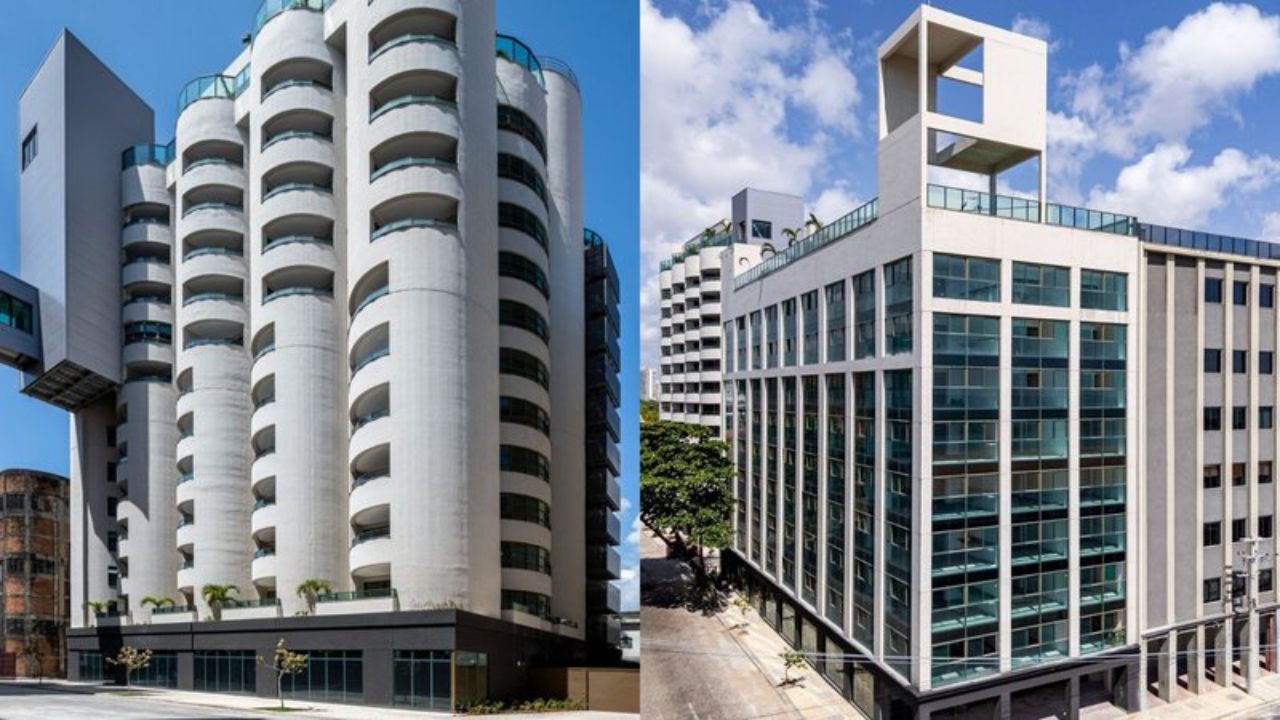
Industrial silos in Recife have been transformed into circular apartments in one of the most complex retrofits in Brazil, preserving the original structure.
In 2026, the city of Recife, capital of Pernambuco, began to attract attention in the real estate and engineering sectors by completing one of the most complex retrofit projects ever undertaken in Brazil. The development was based on the old structure of Moinho Recife, owned by the Bunge group until its deactivation in 2009, located in the port area of Recife Antigo. According to information released by the construction company Moura Dubeux and reported by the Jornal do Commercio, the industrial complex abandoned for more than a decade was converted into a residential project with unusual architectural characteristics.
The most striking aspect of the project lies in the preservation of the curves, volume, and original geometry of the old grain silos, incorporated into the new residential units, something extremely rare in the conventional real estate market and which transformed the retrofit of Moinho Recife into a national reference for urban requalification.
Century-old structure required complex engineering for residential adaptation
The Moinho Recife, with over a century of existence, was part of the port infrastructure aimed at processing and storing grains. After the industrial operations were deactivated in 2009, the complex remained unused for years until it was acquired and designated for urban requalification.
-
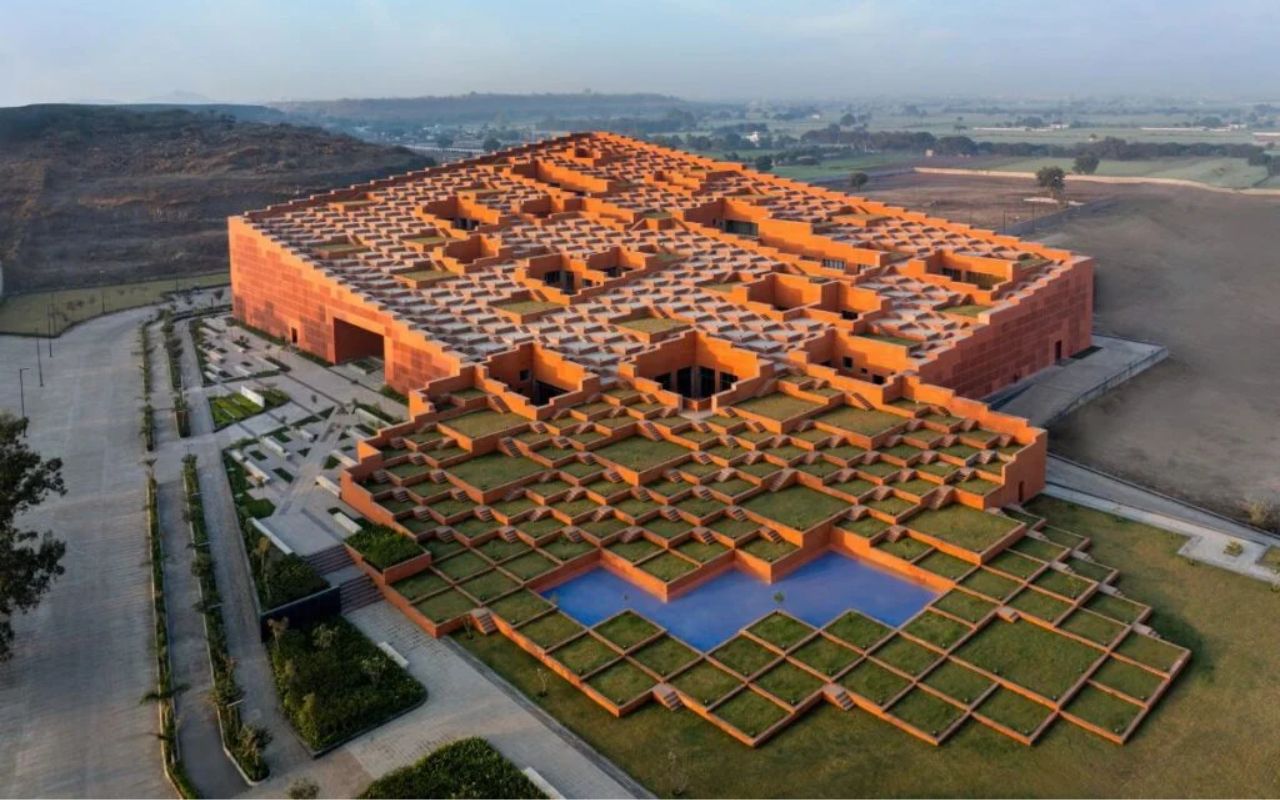
Inspired by millennia-old structures, a “differentiated” roof with 463 levels and a capacity for 9,000 people was built on top of a building in India; the tiered roof is almost a kind of giant garden of 9,000 m², reducing energy consumption and promoting interaction among students of Prestige University.
-
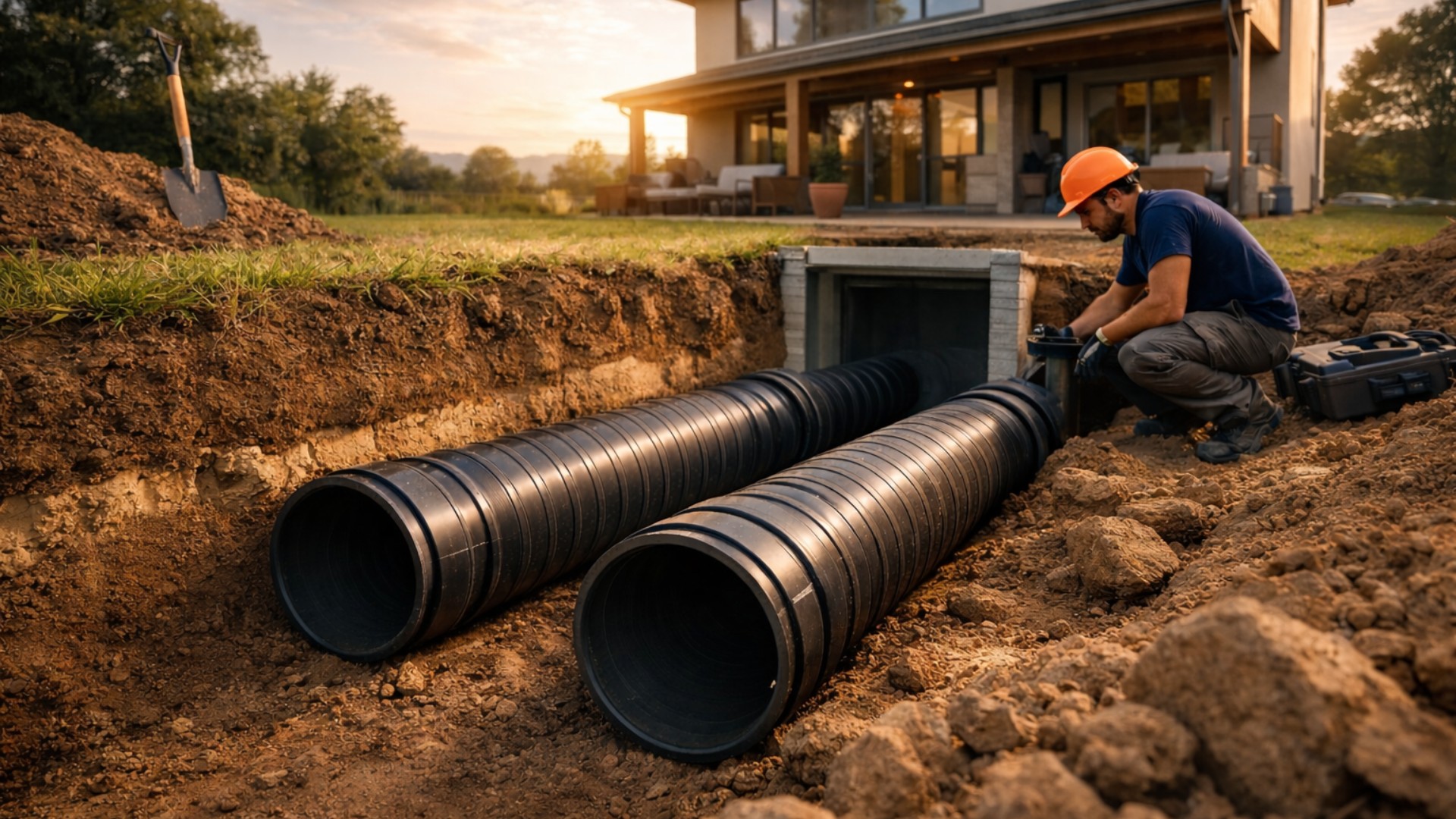
Architects are burying plastic pipes 2 meters deep and using ducts up to 30 meters long to cool homes without electricity, with low-consumption fans and natural heat exchange that drastically cuts the electricity bill.
-
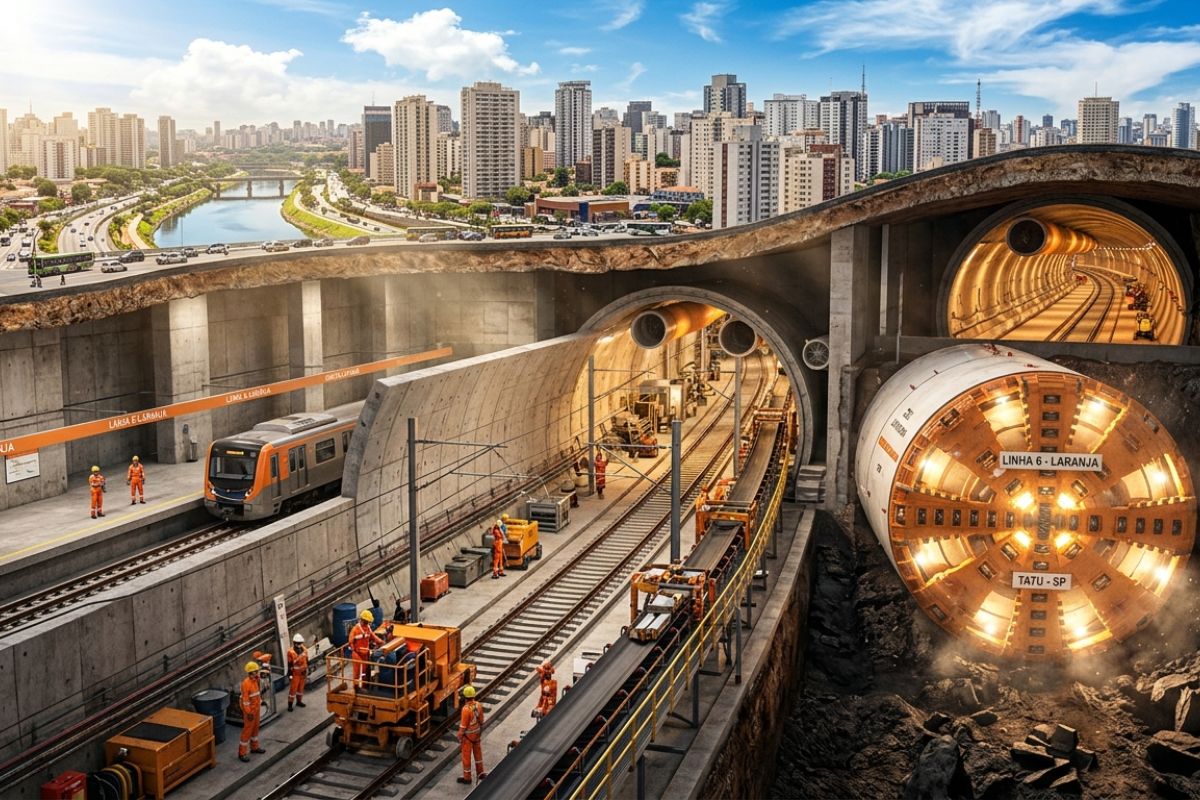
Under São Paulo, Line 6-Orange reaches 15.3 km and 15 stations, promising 23 minutes from Brasilândia to the Center and 633,000 passengers per day; with autonomous trains, it will open a partial section in October 2026.
-
Created by George Lucas with over $1 billion, a futuristic museum in the shape of a spaceship with 1,500 curved panels is about to open in Los Angeles and will house one of the largest private collections of narrative art in the world.

The transformation of industrial silos into housing units required a series of structural adaptations. Unlike conventional buildings, the silos have curved walls, solid concrete, and vertical compartmentalization designed for storage, not for habitation.
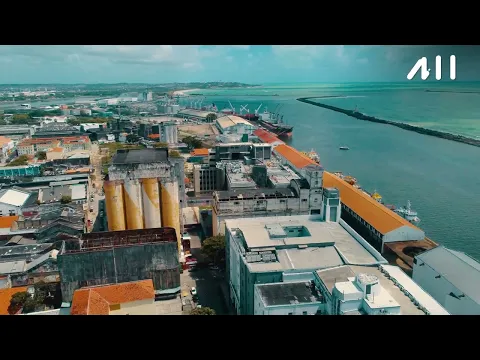

The conversion of these structures required deep interventions, including the opening of openings, structural reinforcement, adaptation for ventilation and natural lighting, as well as the complete installation of plumbing and electrical systems.
These changes had to be made without compromising the integrity of the original construction, which increased the complexity of the work.
Circular geometry creates unique apartments in the real estate market
One of the most striking aspects of the project is the maintenance of the cylindrical shape of the silos. This characteristic resulted in residential units with uncommon layouts.
Unlike traditional apartments, with straight walls and 90-degree angles, the units created within the silos feature curved walls and spatial distribution adapted to the original shape of the structure, which completely alters the internal dynamics of the environments.
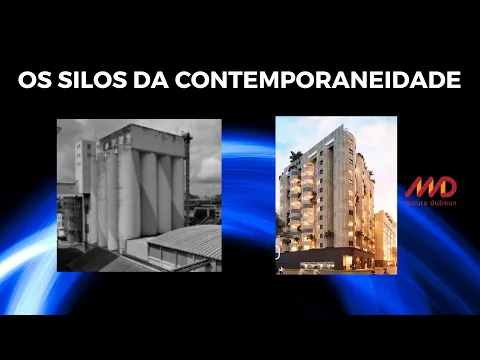
This circular geometry is considered rare in the real estate market, as practically no conventional development adopts this type of configuration due to the construction complexity and the difficulty of standardization.
The result is a real estate product with its own identity, directly linked to the industrial memory of the location.
Project integrates historical preservation and contemporary use
The retrofit of Moinho Recife was not limited to structural adaptation. The project was conceived with the aim of preserving the architectural identity of the complex.
The external volume, industrial elements, and silhouette of the silos were maintained, allowing the complex to remain recognizable as part of the city’s port history.
This approach integrates two often conflicting elements: heritage preservation and contemporary use, creating a model of urban reoccupation that maintains the memory of the space while reintegrating it into the city’s dynamics.
This type of intervention has become more common in large urban centers, but is still rare in scale and complexity as observed in Recife.
Development brings together more than 250 units in a historical area of the city
The project resulted in the creation of approximately 251 residential units, distributed among studios and compact apartments.

The sizes vary, generally between 19 m² and about 68 m², catering to a specific audience, primarily composed of:
- young professionals
- workers from Porto Digital
- investors interested in rental
- people looking for housing in central areas
The configuration of the units reflects an urban trend of valuing compact properties, especially in areas with a high density of economic and technological activities.
Strategic location reinforces the value of the project
The development is located in Recife Antigo, one of the most important areas of the city in historical and economic terms.
The region houses:
- Porto Digital, one of the main technological hubs in Brazil
- innovation and technology companies
- cultural and tourist spaces
- consolidated service infrastructure
This strategic location contributes to the attractiveness of the development, connecting the industrial past with the technological present of the city.
The reoccupation of the space is also aligned with urban revitalization initiatives, which seek to bring new uses to historical areas.
Retrofit stands out as a national reference in urban requalification
The project of Moinho Recife is often cited as one of the most relevant examples of retrofit in Brazil. The complexity involved includes:
- adaptation of heavy industrial structure
- preservation of architectural heritage
- integration with existing urban infrastructure
- development of economically viable real estate product
This set of challenges positions the development as a reference in engineering and architecture, demonstrating that it is possible to reuse old structures in a functional and economically sustainable way.
Trend of reusing industrial structures gains strength
The case of Recife is part of a global movement of reusing industrial structures. In various cities around the world, old:
- warehouses
- factories
- silos
- depots
This trend is linked to the scarcity of available areas in central regions and the need to preserve historical heritage. Additionally, retrofit can reduce environmental costs by avoiding demolitions and reusing existing materials.
The transformation of silos into apartments is not just an architectural choice, but a significant technical challenge. Among the main obstacles faced are:
- adaptation of structures without lateral openings
- creation of efficient internal circulation
- installation of modern systems in old structures
- thermal and acoustic control in environments not designed for habitation
These challenges require specific solutions, often outside the standards of conventional construction, reinforcing the innovative character of the project.
Urban impact goes beyond the real estate sector
The requalification of Moinho Recife does not only impact the real estate market. The project also contributes to the revitalization of the central area of the city.
The occupation of previously abandoned spaces:
- reduces idle areas
- increases the circulation of people
- strengthens the local economy
- improves the perception of safety
This type of urban intervention has a multiplying effect, stimulating new investments and transformations in the region.








Seja o primeiro a reagir!