





 Portuguese
  English
  Spanish
  3 min of reading


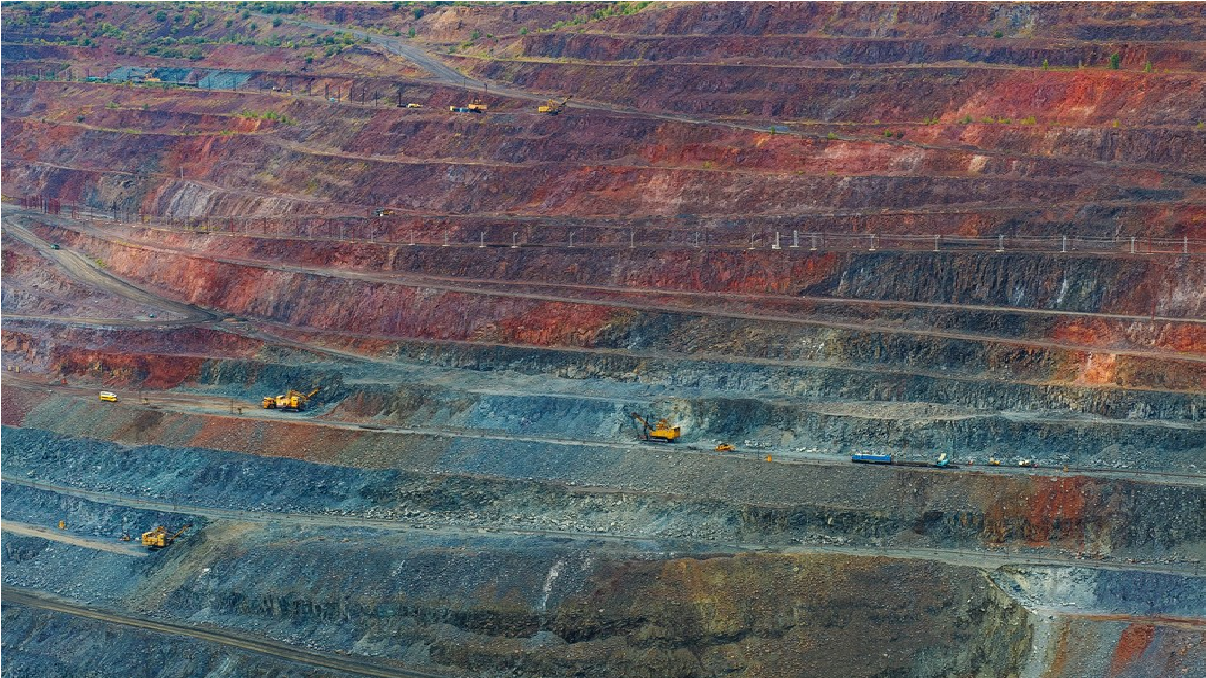
Belo Horizonte City Hall, Minas Gerais, Opposes Environmental Licensing for Mining in Serra do Curral
The conflict between the city hall of Belo Horizonte (Minas Gerais) and Taquaril Mineração S.A (Tamisa) has brought forth the debate regarding the consequences of mining in areas close to urban centers. It all started when, recently, the company received environmental licensing from the State Commission for Environmental Policy (Copam) to install and carry out activities in Serra do Curral, an important green area and postcard of the capital of Minas Gerais.
In May, the city hall of Belo Horizonte filed a lawsuit requesting the suspension of the licensing. Additionally, Tamisa’s project was also the target of legal challenges from the Public Prosecutor’s Office of Minas Gerais (MPMG) and the Rede Sustentabilidade party.
In a 31-page document, supported by four geologists, the city of Belo Horizonte conducted a survey that compiles the risks posed by mining close to the urban center of Minas Gerais, such as jeopardizing the stability of Pico Belo Horizonte, which may suffer erosion and is located in a protected area at both the federal and municipal levels.
-
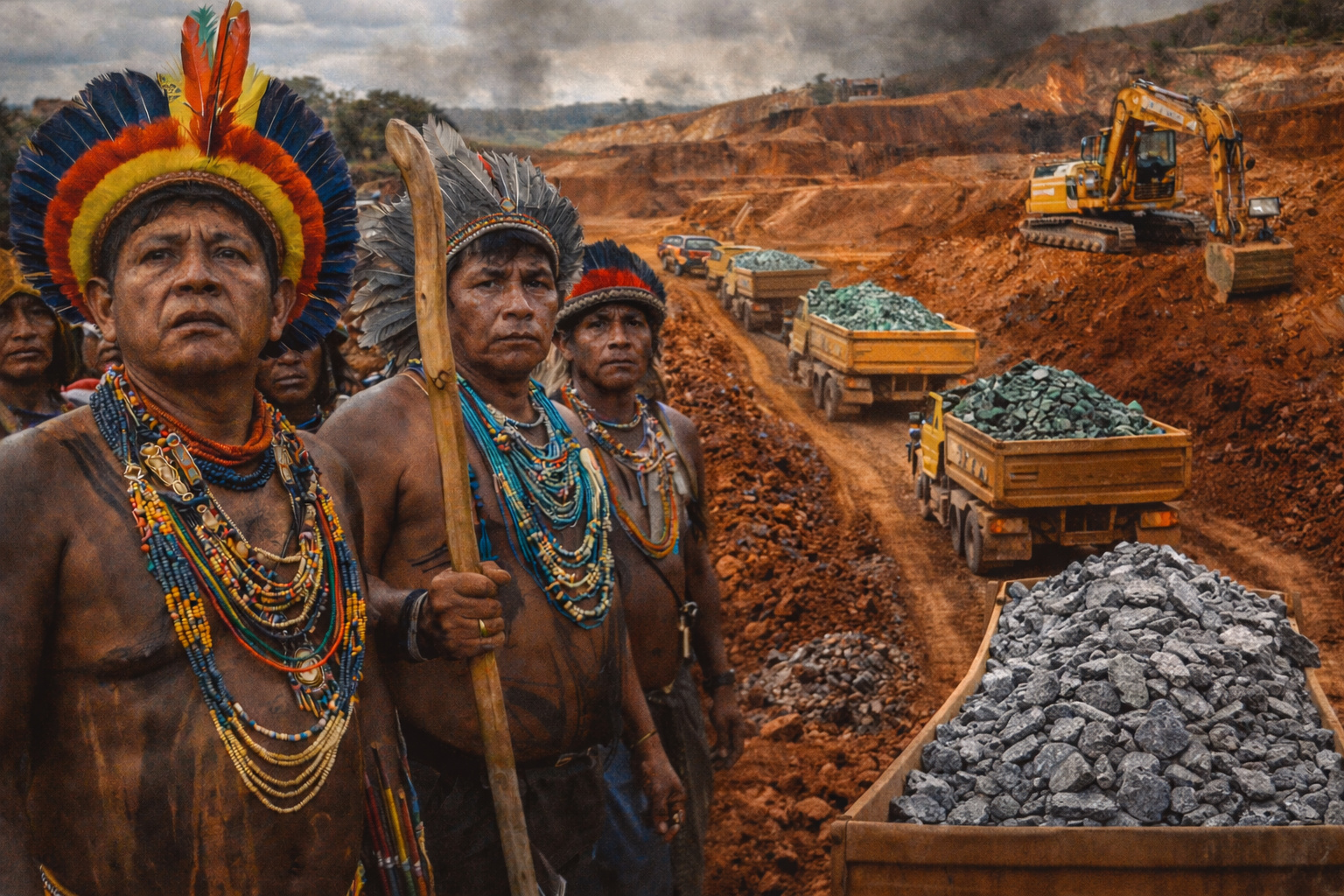
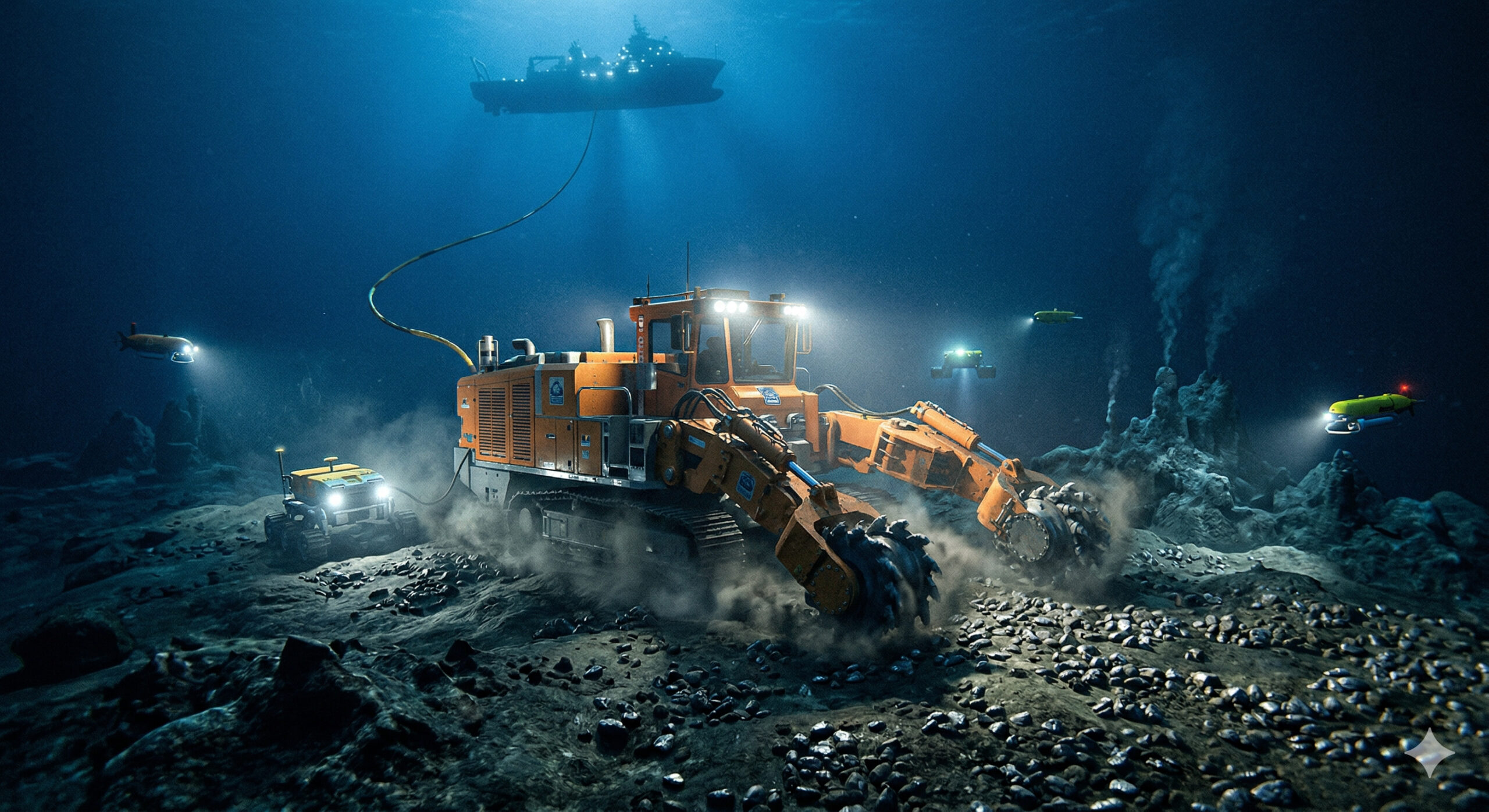
The exploration of rare earths, lithium, copper, tin, and other critical minerals has surged in the last five years, encroaching on 278 indigenous lands, and the mining boom raises alarms in Brazil.
-
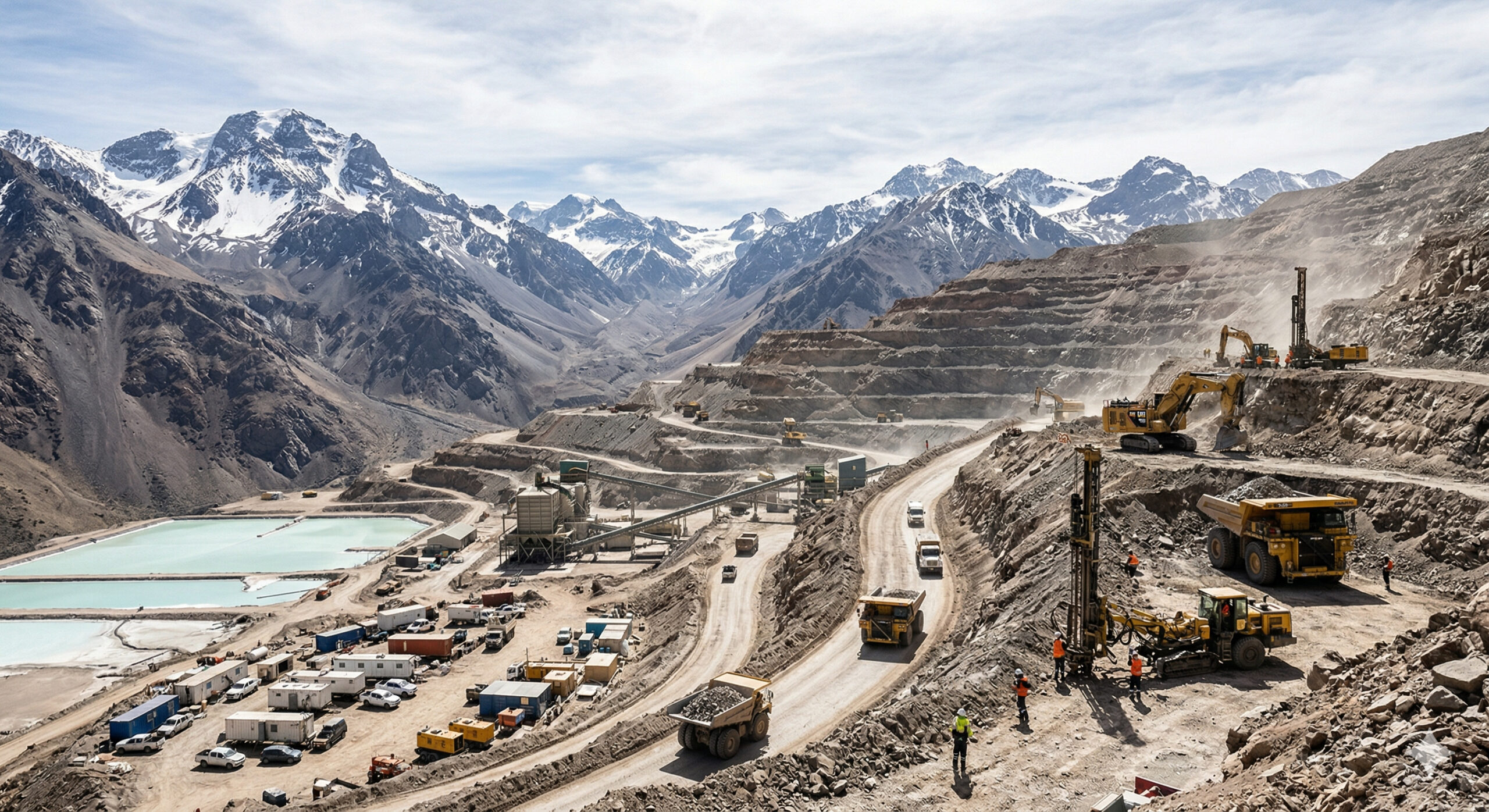
Under layers of ice that feed entire rivers, Argentina paves the way to explore copper, lithium, and gold in regions of extreme altitude and could unlock up to $165 billion in exports, placing one of the largest freshwater reserves in South America at the center of a new global mineral rush.
-
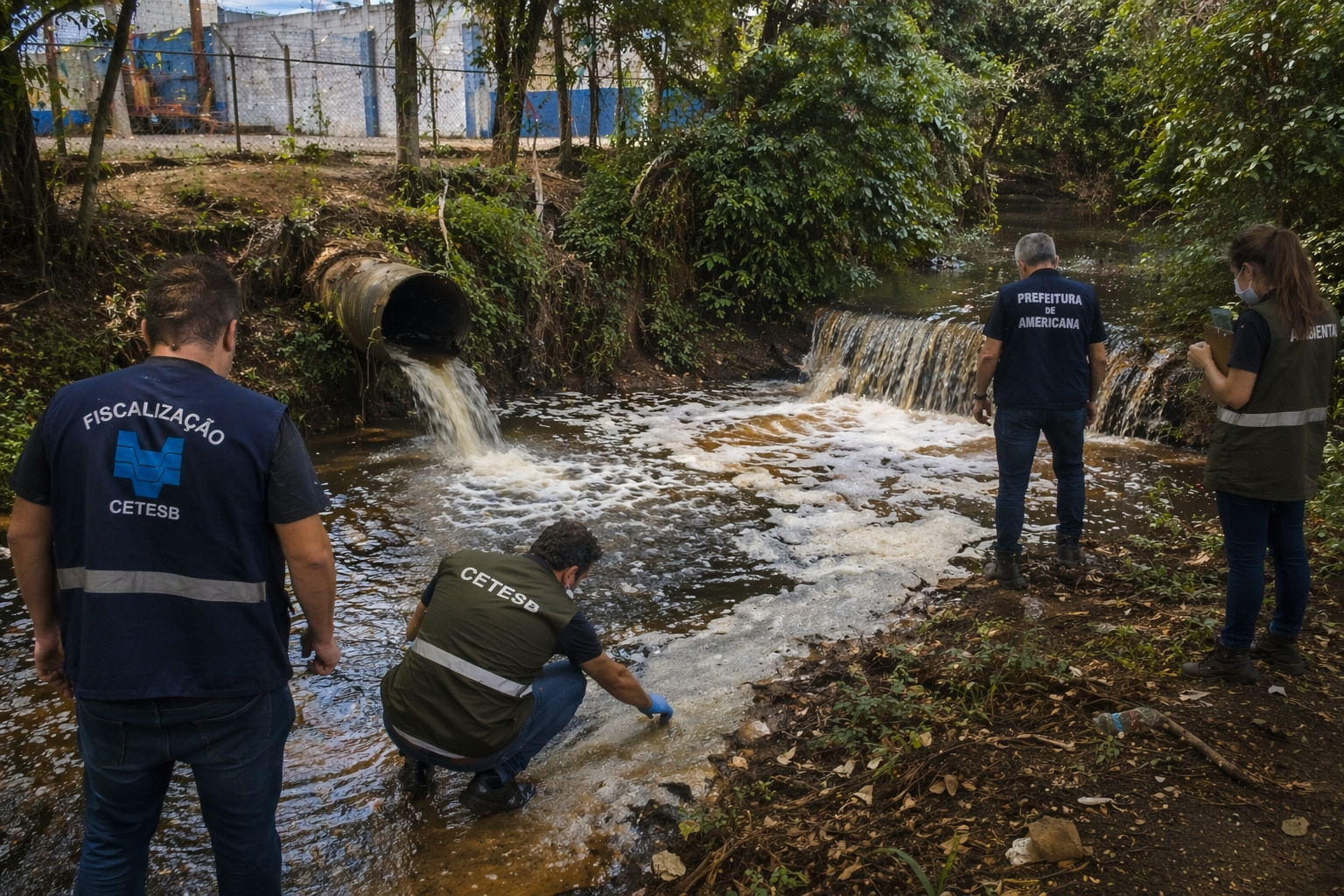
A fine of R$ 115 thousand places Goodyear at the center of an environmental case in Americana after oil and grease appeared in a stream and the company was required to act quickly.
-
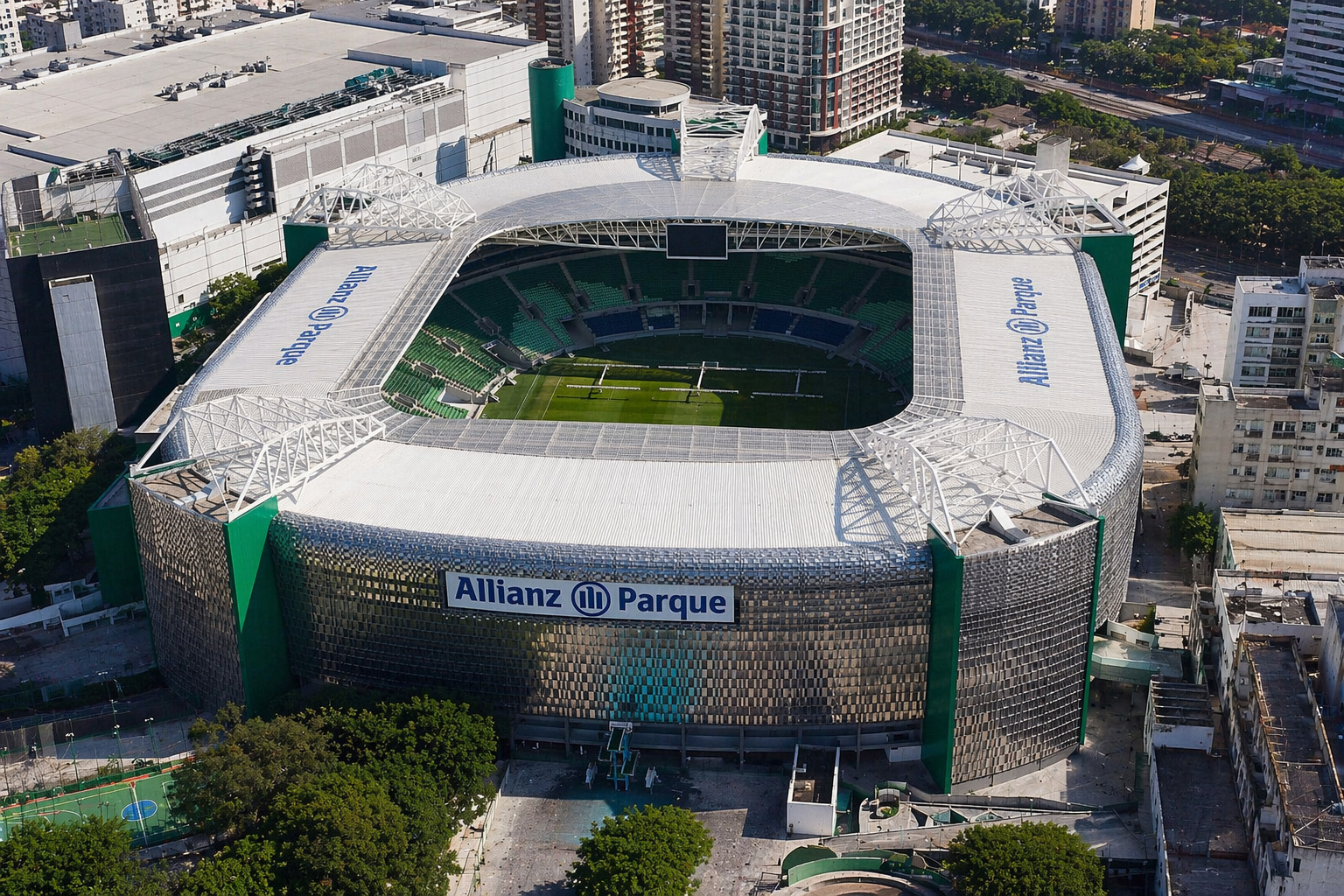
Nubank’s billion-dollar offer could take the Naming Rights from Allianz Parque and change the identity of Palmeiras’ stadium.
BH City Hall Also Cites Possible Impact on Users of Hospital da Baleia
Moreover, the reduction in air quality due to dust release and increased noise pollution are mentioned, which may generate impacts on patients of Hospital da Baleia, situated less than two kilometers from the exploration area.
The city hall also expressed concern regarding water security and supply in the region, as the Taquaril Water Supply System, which transports 70% of the treated water consumed by the population of Belo Horizonte, is also located near the project.
The action, initially presented to the Federal Court, was directed to the State Court of Minas Gerais, where it awaits judgment.
Tamisa’s expectation is to install a large-scale mining complex in Serra do Curral, as well as to construct a highway to facilitate the transport of production from the area. The site where the complex will be established has the potential for the extraction of four million tons of ore per year.
Minas Gerais Government Highlights That Tamisa Must Fulfill Environmental and Forestry Compensations
Companies that obtain environmental licenses must generally carry out compensation actions. According to the government of Minas Gerais, Tamisa will be obligated to fulfill environmental and forestry compensations established by legislation, including the preservation and/or recovery of about four times the total area that is suppressed, in addition to contributing 0.5% of the total investment value in the project for environmental actions.
During a meeting at the Federation of Industries of the State of São Paulo (Fiesp), Antero Saraiva Junior – director of the entity – and Carlos Auricchio – vice president of the institution – stated that it is the municipalities that should define the master plan, which covers land use and occupation, and many of them do not intend to allow mining in urban areas. However, when it comes to exploration near cities, there are several topics to be considered.
As Antero Saraiva Junior explains, in aggregate mining, such as sand and gravel, low-value materials are extracted, and transportation often costs more than the actual loading. Saraiva states that for this reason, the idea of practicing mining close to points of application, that is, in urban centers, is a way to balance the market, as the farther away the operation is, the greater the impact on cost.






Seja o primeiro a reagir!