Portuguese
  Spanish


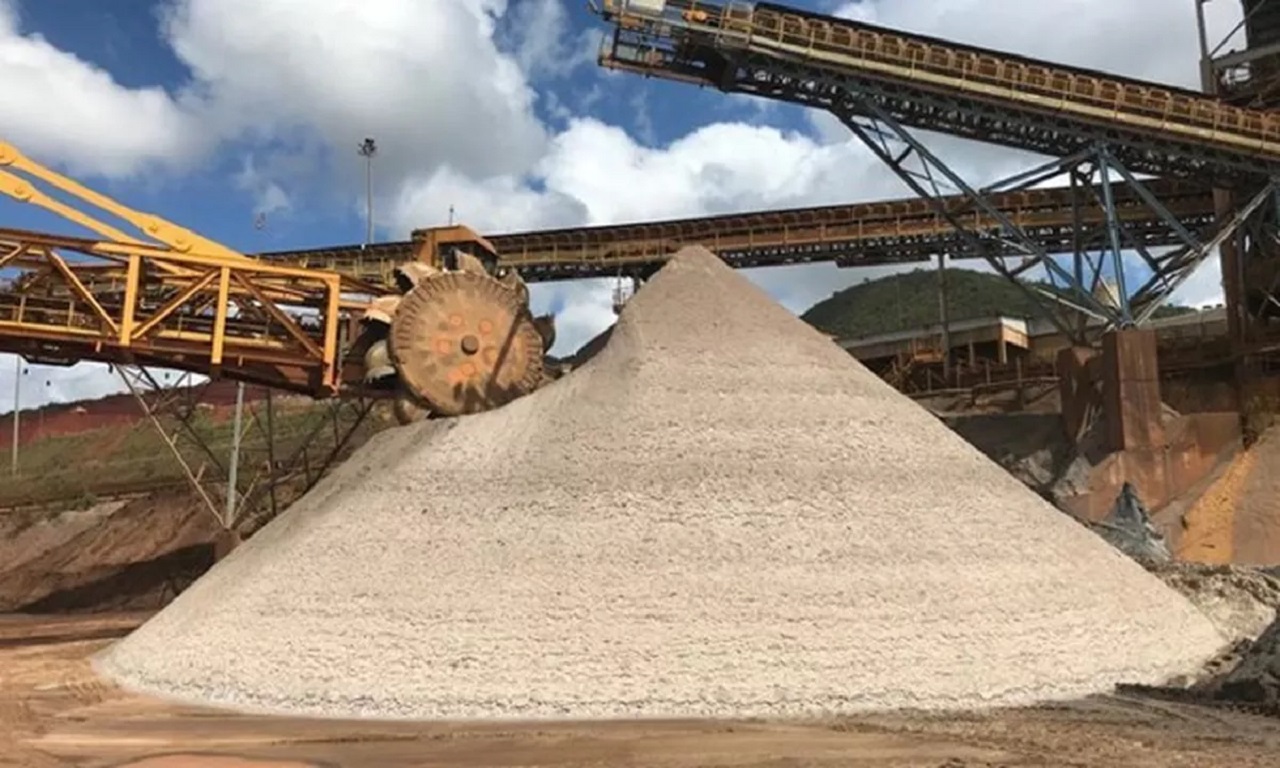

Vale Is Developing A New Sustainable Sand That Can Be Produced From Iron Ore Tailings. The Company Has Already Invested R$ 50 Million In The Development Of The Product.
After years of research, most of the tailings from Vale’s iron ore operations will receive a new destination. From discarded materials, the company has created another product: sustainable sand. Each ton produced also means one ton less of tailings in the dams, and this is precisely Vale’s purpose. Reducing the need for dams is one of the pillars of the principle of ensuring no recurrence of accidents.
Vale Invests R$ 50 Million For The Production Of Sustainable Sand
Since 2014, the company has been dedicated to researching uses for the recycling of tailings in the country and, to this end, has made investments totaling R$ 50 million to develop non-toxic sand with quality certified by studies from specialized laboratories and universities.
According to André Vilhena, Vale’s New Business Manager, the main focus of the activity is the sustainability of the company’s operations in iron ore, reducing environmental liabilities, as well as promoting employment and income through new businesses. To produce sustainable sand, the tailings that would be discarded in dams undergo several stages of concentration, filtration, and classification.
-
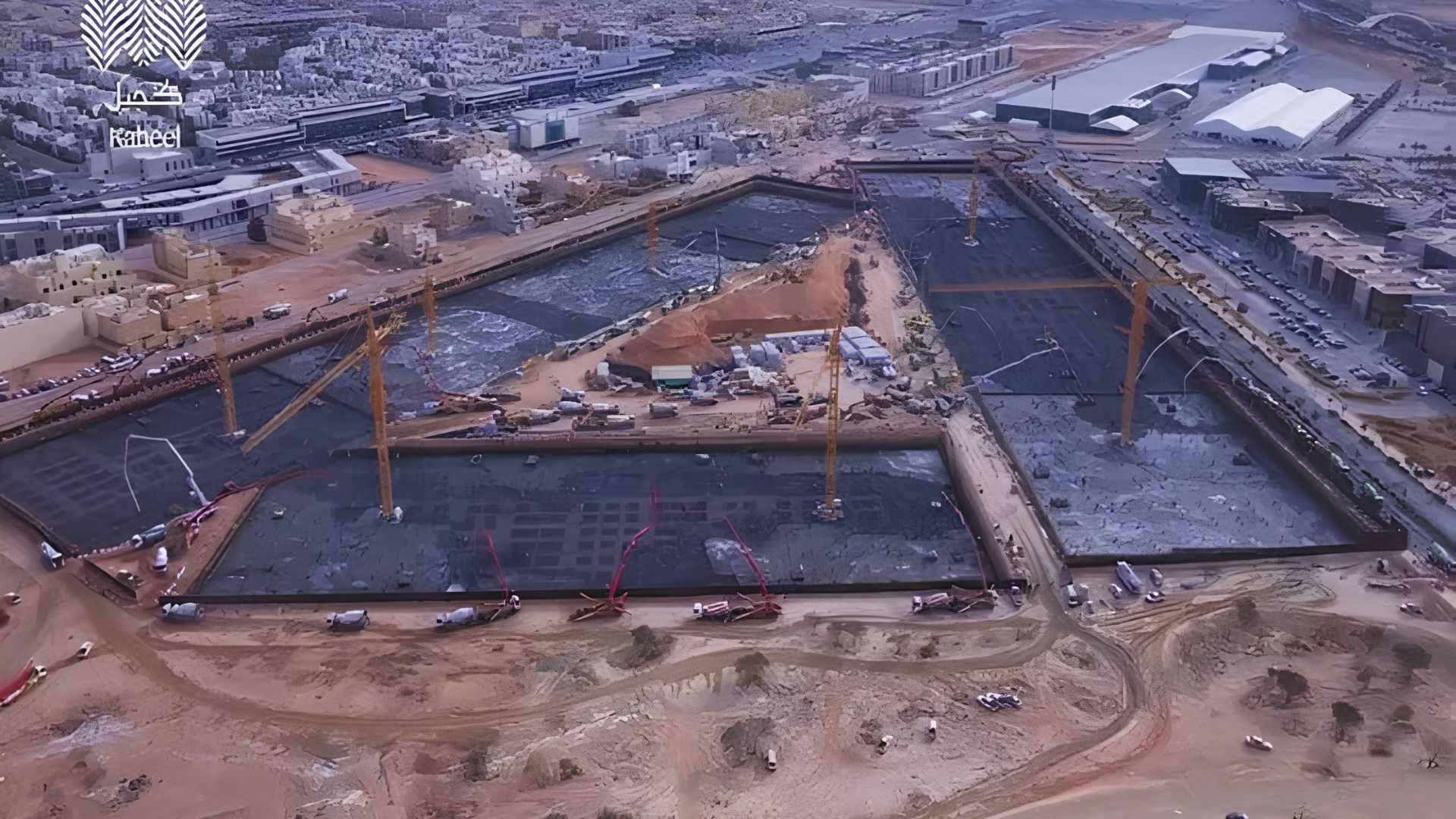
More than 6,000 trucks poured nearly 70,000 cubic meters of concrete without interruption for 72 hours to create the largest continuous concrete pour in history and erect a megaproject in Saudi Arabia.

-
28-meter, 156-ton titans traveled 20,000 km from China to the port of Santa Catarina: Portonave received 7 fully electric megacranes, part of a R$ 210 million package, to double container handling.
-
They exchanged the idea of a large house for a 35 m² warehouse, spent US$ 12,000 on the structure, and created a tiny house in Colorado with space to live and work.

-
A newly opened terminal in the middle of the Amazon has begun transporting soy and corn through Amapá, eyeing the queue of ships that is congesting the ports in the South.



The process follows the same quality controls as iron ore production and generates a circular economy in operations in Minas Gerais. According to Marcello Spinelli, Vale’s Executive Vice President of Ferrous, this initiative generates a circular economy within the company’s units and mitigates the impact of tailings disposal on the environment and society, in addition to being a reliable alternative for the construction industry, which faces a high demand for sand.
More Than 250 Thousand Tons Have Already Been Processed
As the tailings are primarily composed of silica, the main component of sand, and low iron content, the result is a sand quality suitable for use in the construction market. Just last year, approximately 250 thousand tons were processed and allocated for sale and donation, with applications in concrete, precast items, mortar, artifacts, cement, and road paving.
The estimate is to allocate one million tons in 2022 and reach two million tons in 2023. Recycling this material decreases disposal in dams and aligns with the company’s efforts to prevent breaches like the one in Brumadinho. According to Rogério Nogueira, Director of Marketing for Ferrous at Vale, the company is preparing to further scale the allocation of sustainable sand starting in 2023.
To achieve this, the company has a team of professionals focused on this new business and is adjusting its operations to meet market demands. The benefits continue: in addition to reducing tailings production and dependence on dams, the product is a sustainable solution for a material that suffers from predatory extraction.
R$ 7.1 Million Has Already Been Invested In Sustainable Sand In Specific Niches
Currently, Vale’s production takes place at the Brucutu Mine in São Gonçalo do Rio Abaixo (MG), and other mines belonging to the company are in the process of mining and environmental regularization for the production of the input.
In addition to utilizing the existing infrastructure, Vale also has the already developed road network to transport the sand to markets in Espírito Santo, Minas Gerais, the Federal District, and São Paulo.
Three application niches for the sand were prioritized after technical and market studies: paving, cement, and precast or concrete.
Only in research and innovation for use in road pavements, more than R$ 7.1 million has already been invested.