





 Portuguese
  English
  Spanish
 2 min of reading


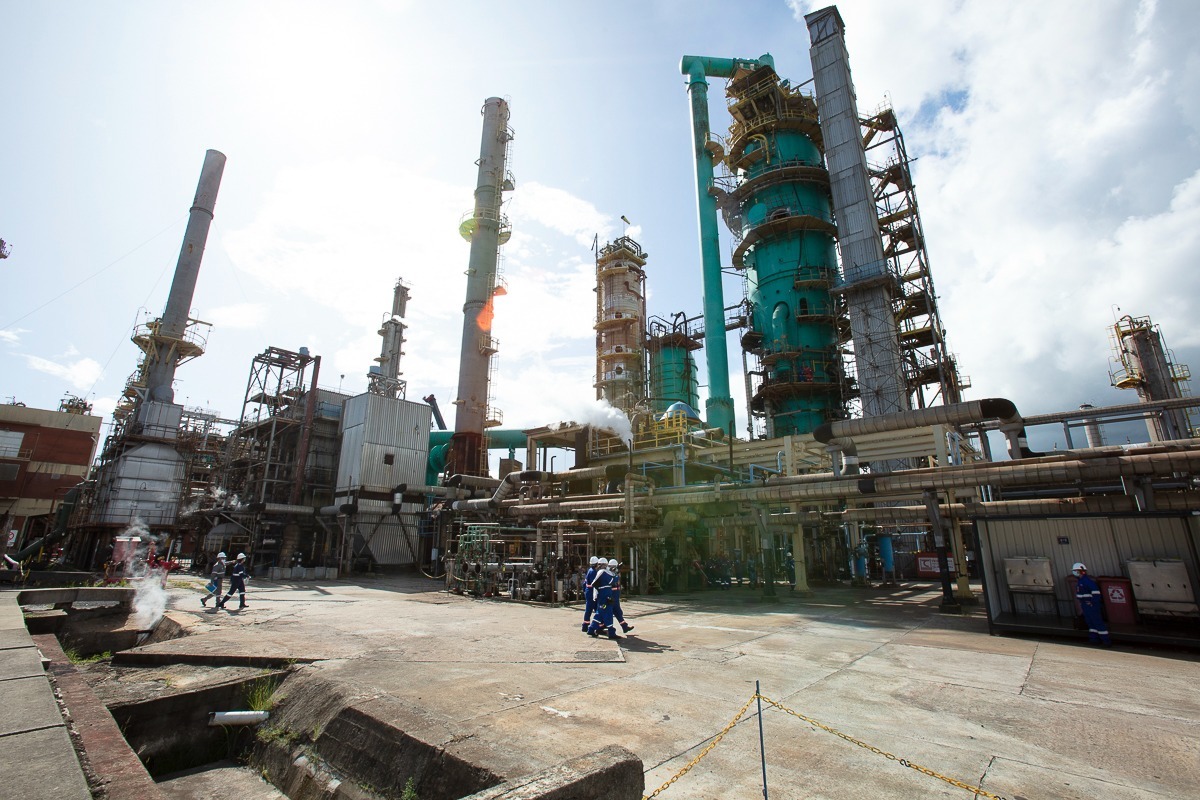
Acelen Announced That It Will Stop Selling Industrial Fuel Oil OCA1 (With Maximum Sulfur Content of 2%) and Will Exclusively Offer OCB1 (With Maximum Sulfur Content of 1%).
In light of this change, the company took another significant step, with five successful operations launched in a year, showcasing its unique and diverse portfolio of over 30 products that differentiate it in the industrial fuel oil market.
Company Started Changes in Industrial Fuel Oil This March
The beginning of March saw the launch of OCB1 sales, coinciding with a national one-month campaign to raise awareness about combating climate change. Celebrated on the 16th, the initiative reinforced the urgent need to prioritize the issue of climate change.
OCB1 is generated from complex electrical mixtures during the oil treatment process at refineries and is utilized by large industries to heat furnaces and create steam in boilers. By trading sustainable products, alongside its practices intrinsically aligned with ESG, Acelen aims to contribute to the sustainability of the entire value chain, actively contributing to the decarbonization of the sector.
-
Petrobras Expands Refining in Brazil, Increases Production of Diesel S-10 and Gasoline, Enhances Operational Efficiency, and Reduces Import Dependence Between 2023 and 2025

-
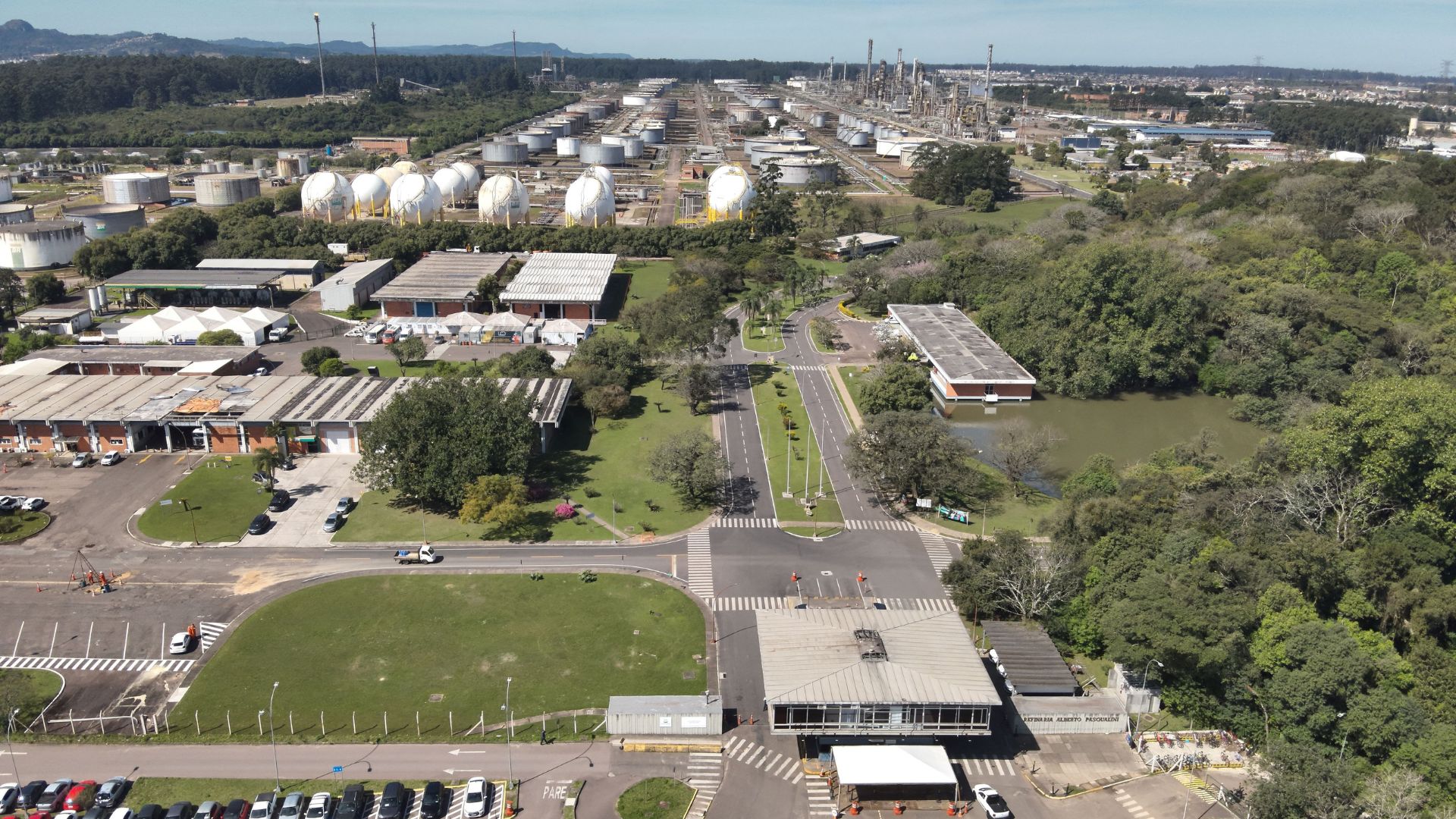
Petrobras’ Refap Sets Historic Records for Gasoline and S-10 Diesel Production in Canoas in Q4 2025, Surpassing Previous Figures
-
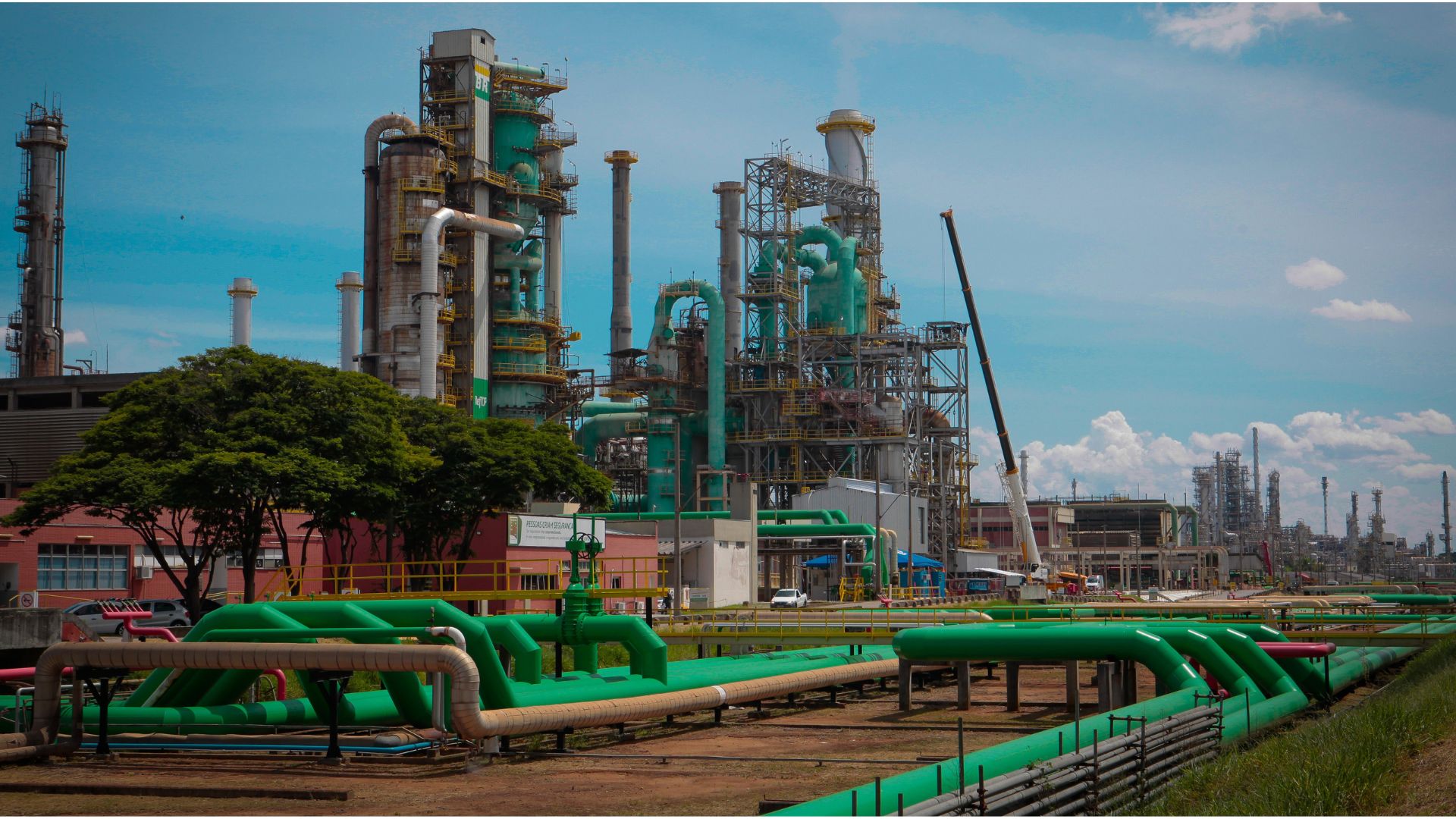
Revap Starts Operation of Modernized HDT and Petrobras Expands S-10 Diesel Production by 80% at the Refinery, Boosting Supply of Less Polluting Fuel in Brazil
-
Thermal Power Plant in Rio Grande do Sul Is Key to Attracting GWM


“The adoption of this type of fuel oil will significantly reduce sulfur dioxide emissions, a greenhouse gas, which will help lessen the environmental impact and contribute to a cleaner industrial energy matrix in the country. We hope that, through this initiative, we can stimulate the oil and gas industry,” emphasizes Cristiano da Costa, Vice President of Commercial, Trade, and Navigation at Acelen.
Use of Industrial Fuel Oil from Biodiesel Increases by 30%
The use of industrial fuel oil for biodiesel production will reach 148 million liters by 2022, an increase of 30% compared to the previous year.
According to data from the National Agency for Petroleum, Gas and Biofuels (ANP) compiled by the Brazilian Association of Biofuel Producers (Aprobio), biodiesel production fell by 7% due to the maintenance of a 10% biodiesel blend with fossil diesel last year.
According to Aprobio, cooking oil is a potentially polluting item and, in addition to adding value to the product, biodiesel production also organizes the collection chain for industrial applications. According to the ANP, used cooking oil accounts for only 2.25% of the total biodiesel feedstock in Brazil, but in the Southeast, its share is close to 21%.








Seja o primeiro a reagir!