





 Portuguese
  English
  Spanish
  3 min of reading
  0 comments



Almost 90% of Chinese Automakers Could Disappear by 2030, Says a Study Released by Automotive Consulting Firm AlixPartners. Read and See the Reasons.
The Chinese automotive industry, which has shown robust growth in recent years, may be about to face a dramatic change.
An alarming study by consulting firm AlixPartners predicts that almost 90% of Chinese automakers could disappear by 2030. According to the research, of the current 137 manufacturers, only 19 are expected to remain profitable by the end of the decade.
The AlixPartners analysis considers several factors, such as the large number of manufacturers and the fierce price war in the Chinese automotive market.
-
Brazil Ignores Trump’s threats to BRICS, Buys 42 tons of gold and reduces the Dollar’s share by 6.45% in international reserves.

-
Havan buys historic football land in Blumenau for a million-dollar amount protected by a confidentiality clause and is already planning to change even the layout of streets to build a megastore in half-timbered style costing 80 million reais.

-
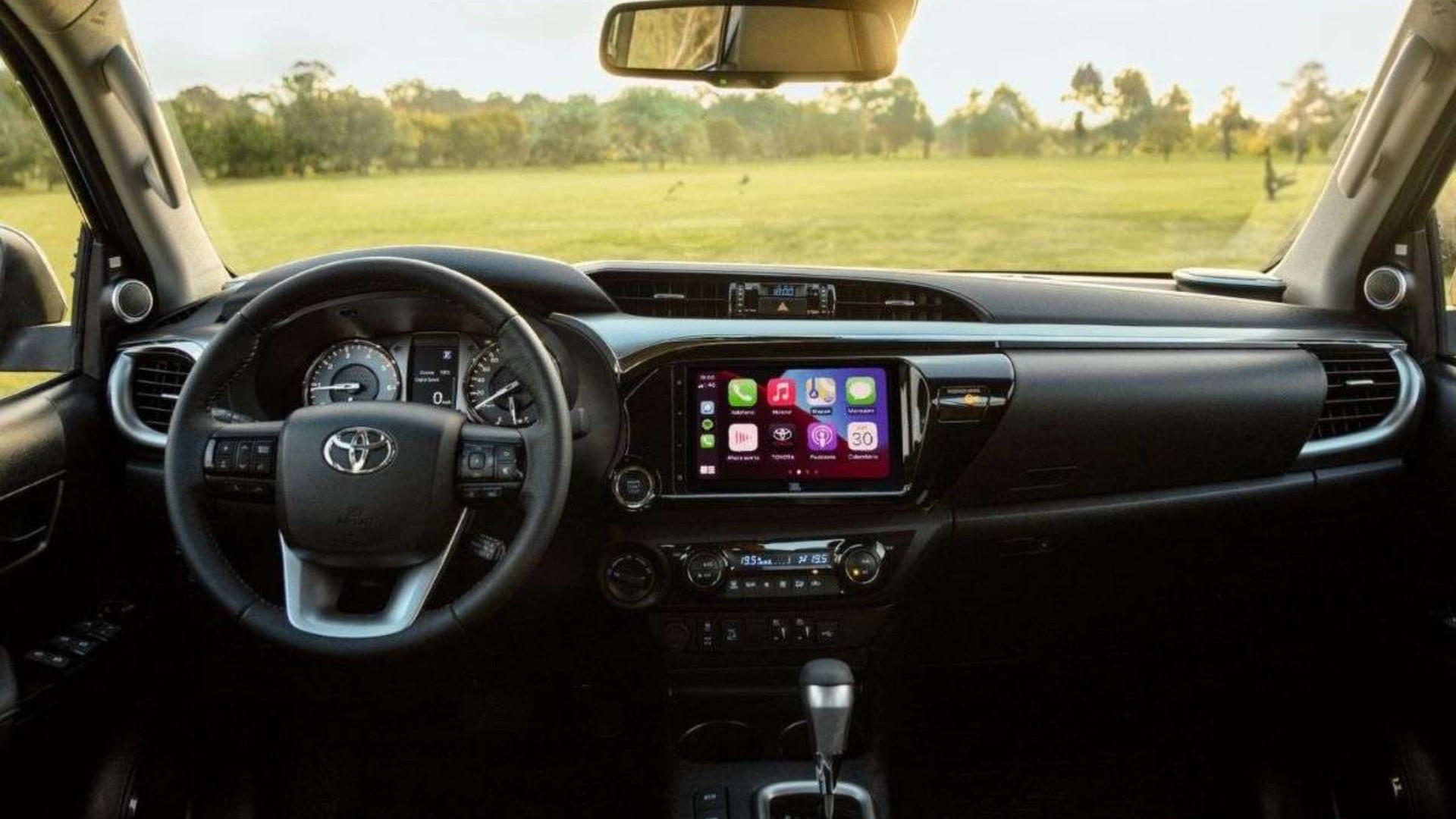
The Toyota Hilux is R$ 75.5 thousand cheaper and bets on the 2.8 turbodiesel engine with up to 204 hp and 50.9 kgfm to catch up with the VW Saveiro, which leads with 4,472 sales.
-
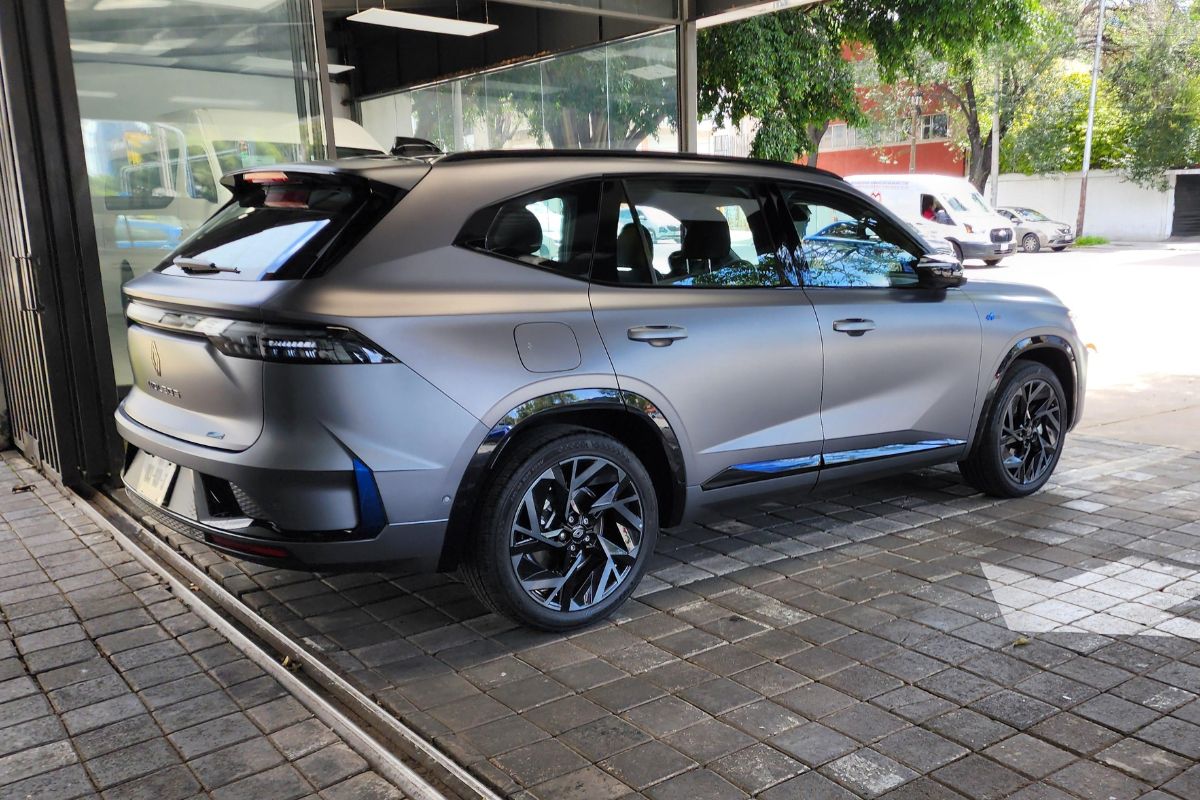
The new Renault Koleos has a screen exclusively for the passenger that is invisible to the driver, heated rear seats, and 29 assistance systems, but its Chinese competitors cost R$ 40,000 less and deliver more power.

This competition favors larger, more established companies, while smaller manufacturers struggle to survive.
The study suggests that by 2030, only one in seven automakers will continue to operate profitably, implying that about 118 manufacturers will close their doors in the coming years.
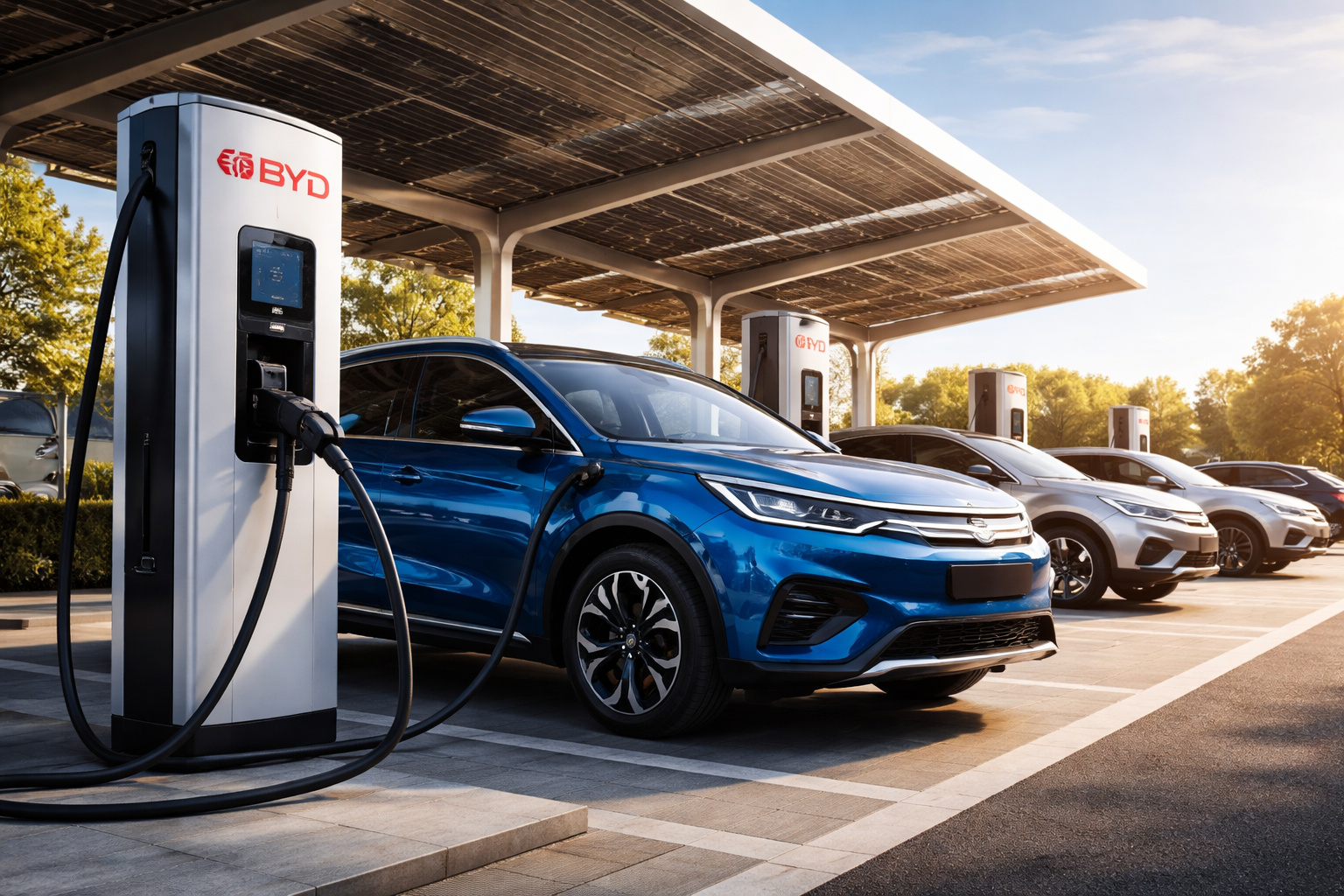
Among the survivors, BYD stands out, having been crucial for the expansion of Chinese cars in markets like Brazil.
BYD’s strategy of reducing profit margins to force competitors to sell cheaper has had a significant impact on the sector.
According to AlixPartners, this approach has put several smaller brands in a difficult position, such as WM, which declared bankruptcy in 2023.
Survival of the Strongest Automakers in China
The AlixPartners study indicates that, if the current situation persists, approximately 85% of Chinese automakers could go bankrupt by 2030.
To avoid this fate, the consulting firm suggests that manufacturers change their strategies, focusing on smaller market niches instead of competing directly with giants like BYD.
This adaptation may be crucial for the survival of smaller brands in the highly competitive Chinese market. In Brazil, the influence of Chinese automakers is significant, especially with the growth of BYD.
The company has stood out by offering vehicles at competitive prices, attracting many consumers. This aggressive pricing strategy is one of the main reasons for BYD’s success in Brazil and other markets.
The Price War and Its Effects
The price war in the Chinese automotive market has benefits and drawbacks. While consumers gain access to more affordable vehicles, automakers face intense pressure, especially those without the same financial and operational resources as the industry leaders.
Smaller brands, unable to compete on pricing, need to seek alternatives, such as specializing in market niches or technological innovation. According to the study, the future outlook for Chinese automakers points to significant consolidation in the sector.
With the exit of many manufacturers, the surviving brands may emerge stronger, taking advantage of a less fragmented consumer base. However, this consolidation also represents a challenge for diversity and innovation in the Chinese automotive market.
The Future of Chinese Automakers
The AlixPartners study also offers a clear view of the uncertain future of Chinese automakers. Intense competition and the price war are shaping a landscape where only the strongest will survive.
Adaptation and changes in strategies will be essential for manufacturers that wish to remain relevant and profitable in the coming years in China. For consumers and the global market, this evolution promises a new era for Chinese cars, with the potential to redefine the global automotive landscape.




Seja o primeiro a reagir!