





 Portuguese
  English
  Spanish
  5 min of reading
  0 comments


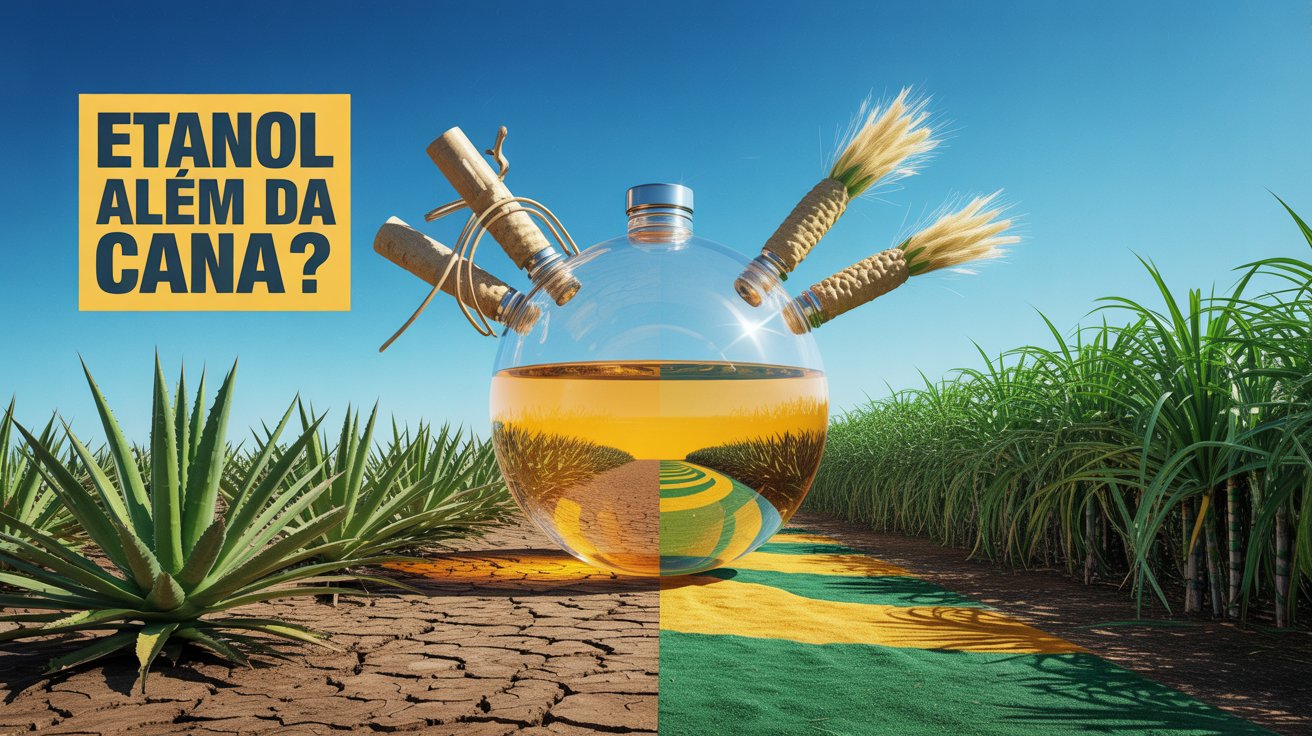
Researches in the Northeastern Semi-arid Point to Agave, Traditional in the Production of Tequila and Sisal, as a Promising Alternative for Ethanol, Highlighting Challenges and Opportunities for Agricultural Innovation in Brazil.
The scenario of biofuel production in Brazil is about to undergo a significant transformation, driven by investment in research with agave, a plant traditionally associated with tequila production in Mexico and sisal fiber production.
The Brazilian Agricultural Research Corporation (Embrapa) has begun, in partnership with Santa Anna Bioenergia and state institutions, an experimental project aimed at transforming agave into a sustainable alternative to sugarcane for the production of ethanol, especially in semi-arid regions, such as Bahia.
Agave: Potential for Biofuel in the Semi-arid
The focus of the study is on utilizing the potential of agave, which is adapted to low humidity and high temperature environments, unlike sugarcane, which is demanding in water resources.
-
Mysterious object on Mars divides NASA and Harvard after Curiosity image reignites suspicions about what was really found on the planet.

-
Giant structures 14 meters beneath Egypt are revealed by satellites and expose a millennia-old secret buried in Buto.
-
Children have been making clay pieces for 15,000 years in Southwest Asia, and fingerprints preserved on 142 ornaments helped archaeologists prove this.
-
New semi-autonomous legged robot technology challenges the limitations of space exploration by operating almost without human intervention on the Moon.


Currently, the industrial use of agave in the producing areas of the Bahian semi-arid represents only 4% of its total biomass, a scenario that is likely to change if research achieves favorable results for the use of the plant as biofuel.
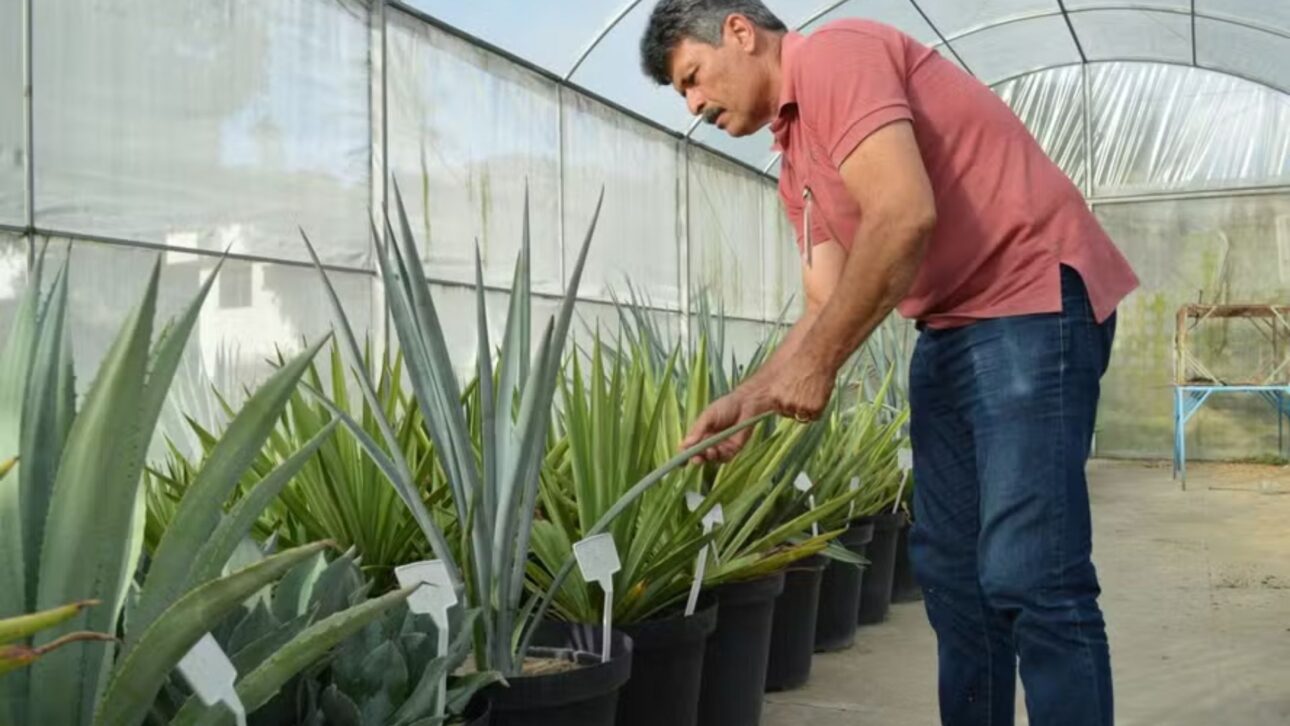
Recent actions involved the training of farmers in Bahia, promoted by the state government in collaboration with the Brazilian Association of Industrial Development (ABDI), aimed at expanding agave cultivation.
Now, Embrapa, through its unit Embrapa Algodão, is working on developing more efficient planting and agricultural management systems, using varieties present in its germplasm bank.
Among the species used are Agave sisalana, cultivated for fiber extraction, and Agave tequilana, a reference in the production of the Mexican drink.
Partnerships and Research for Agricultural Innovation
Santa Anna Bioenergia, established in 2022, recently brought 500 seedlings of the blue agave variety (Agave tequilana Weber var. Azul) directly from Mexico, complying with the necessary quarantine protocol before experimental planting in Brazilian soil.
The project plans to establish Technological Reference Units (URT) in three municipalities: Jacobina, in Bahia, and Alagoinha and Monteiro, both in Paraíba, where around 1,800 seedlings will be planted in the first phase of the experiment.
Advantages of Agave Over Sugarcane
The difference of agave compared to sugarcane lies mainly in its resilience.
As a xerophyte plant, a term used for species adapted to drought, agave thrives with little water, an ideal condition for regions with irregular rainfall such as the Brazilian semi-arid and Mexican deserts.
However, while sugarcane can be harvested in cycles of one to one and a half years, agave takes approximately five years to reach the harvest point with adequate yield.
Strategies for Staggered Cultivation
Researcher Tarcísio Gondim from Embrapa Algodão points out that the adoption of a staggering in the planting areas will be essential to economically make energy biomass production viable.
“Staggering the planting areas over time will allow for the stabilization of biomass production for energy purposes, ensuring competitiveness in commercial exploitation in the semi-arid. For this to materialize, it is necessary to invest in studies to advance in the standardization of cultivars, the management of the crop, cultural treatments, soil fertility, cultivation mechanization, and integral processing of biomass,” he emphasizes.
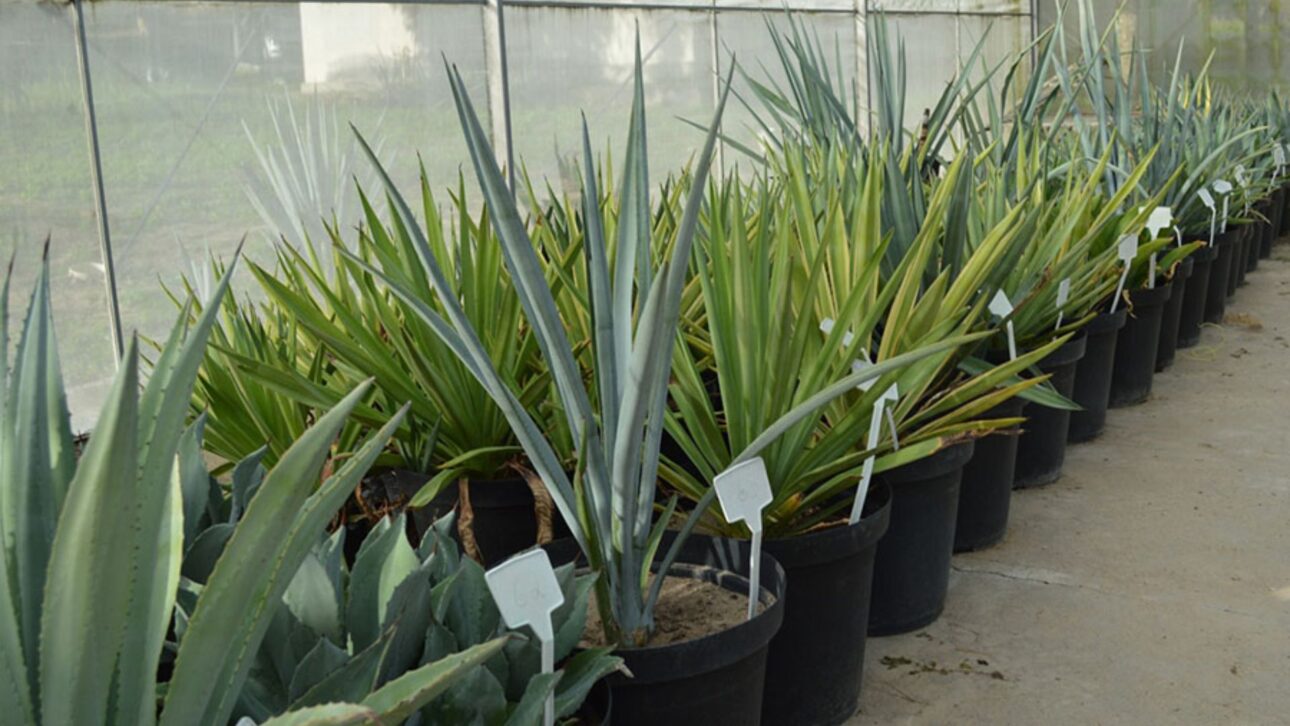
Mechanization and Technology in Agave Production
In Mexico, a world reference in the cultivation of blue agave for tequila, the process is already widely mechanized in stages such as soil preparation, fertilization, pest control, and cleaning, leaving planting as the only manual step.
This automation is seen as essential for success on a large scale in Brazil.
Odilon Reny Ribeiro, an agricultural mechanization specialist at Embrapa Algodão, emphasizes that expansion will only be feasible with the adoption of machines: “Our vision for the future is to have large areas cultivated with agave, and this cannot be done manually,” he states.
The set of research also plans to test fertilization, management, spacing, and cultural practices, in addition to creating methodologies to evaluate carbon and the chemical components of biomass after harvesting.
Comprehensive Use of the Plant and Impact in the Semi-arid
An important aspect of the project is the use of residues from ethanol production, which can be used as animal feed.
In the semi-arid, this alternative can ensure the supply of forage for ruminants during the dry season, a time when pasture scarcity is critical.
According to Gondim, developing the agave production chain could be crucial to tackling social and economic inequalities in the sisal-producing areas of the Northeast.
The researcher notes that, in addition to the production of agave biofuel, the comprehensive use of the plant could promote the creation of animal feed and help capture carbon dioxide, benefiting municipalities with low Human Development Index (HDI).
Bahia Leads Sisal Production and Bets on Diversification
Bahia, the largest producer of sisal in Brazil and responsible for 95% of the 95 thousand tons recorded nationally in 2023, is the main production hub, concentrated in 20 municipalities in the so-called Sisal Territory.
Paraíba ranks second in the national ranking.
Nevertheless, data from Embrapa indicates that only a small fraction of the plant’s potential is currently utilized.
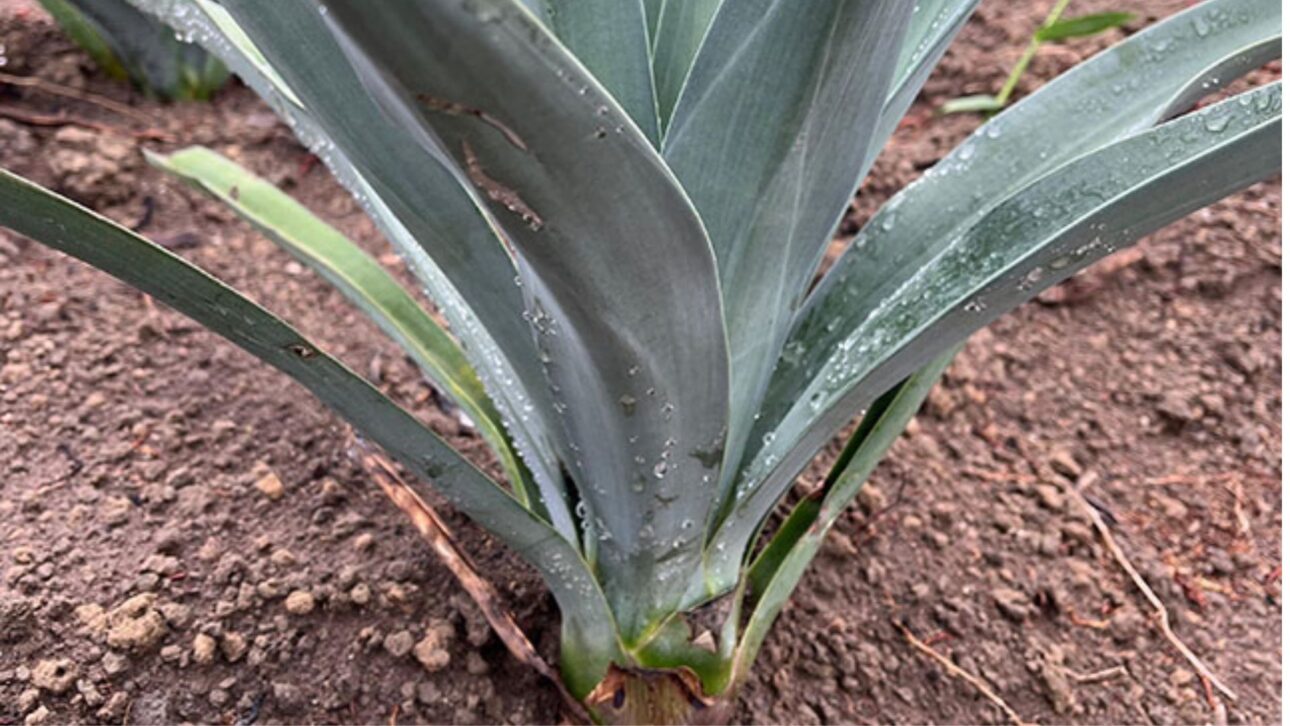
According to the institution, Brazil holds the global leadership in sisal production, but there is room to expand the use of agave, especially for ethanol and animal feed.
To encourage this new production chain, the Bahian government partnered with ABDI and selected the Community Association for Sisal Production and Marketing (APAEB), located in Serrinha (BA), to train at least 400 farmers in adopting technologies and practices that allow for using up to 95% of the plant, increasing income generation in the field.
The Future of Agave Ethanol in Brazil
The prospect of partially or fully replacing sugarcane ethanol with agave ethanol still depends on the success of research and the economic viability of its large-scale production.
However, the advancement of studies positions Brazil as a leader in the search for renewable solutions, adapted to the climatic conditions of the semi-arid, with a positive impact for family farmers and regional development.
In light of these innovations, could the production of agave biofuel based on agave change the dynamics of agriculture in the northeastern semi-arid?
Do you believe that the use of this plant could really transform the energy and social landscape of these regions in the coming years?




Seja o primeiro a reagir!