





 Portuguese
  English
  Spanish
  2 min of reading


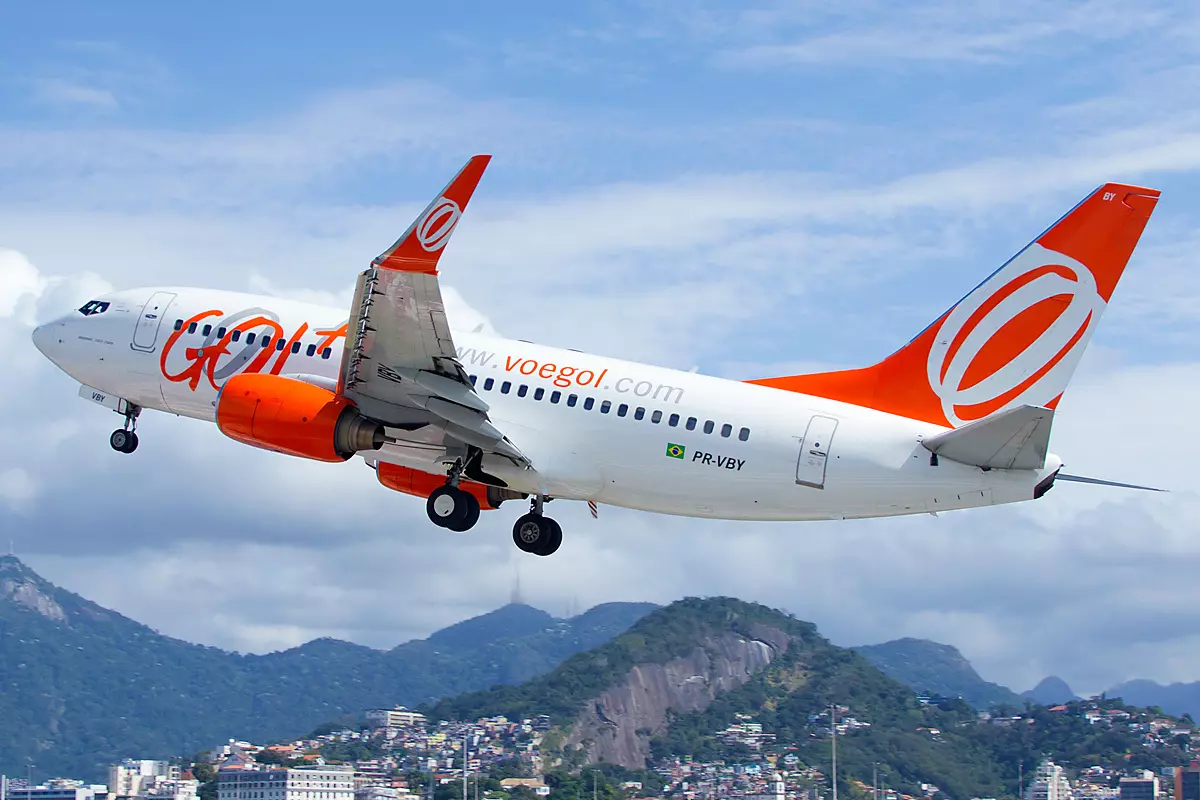
Airlines Are Encouraging Passengers to Offset Emissions Generated by Their Flights by Offering Programs for Travelers to Pay an Extra Amount.
Gol, Tam, and United already offer this payment option through the company’s website. According to Gol, flight pollution offset from June 2021 to December 2022 was 13,100 tons of CO2, through payments made by customers and other actions. The effort is equivalent to the preservation of 1.8 million trees.
The calculation of these values is based on mathematical models that allow for an accurate estimate of how much pollution is generated per flight, taking into account consumption at each stage of the trip. For this, the variable prices in the carbon credit market are also considered: typically, offsetting a ton of CO2 costs between US$ 10 and US$ 20 (approximately R$ 52 and R$ 104).
Air France-KLM has allowed passengers to pay for flight pollution offset since 2021; at Gol, a feature was launched on the website for customers to pay for the offset at the time of purchasing the ticket.
-
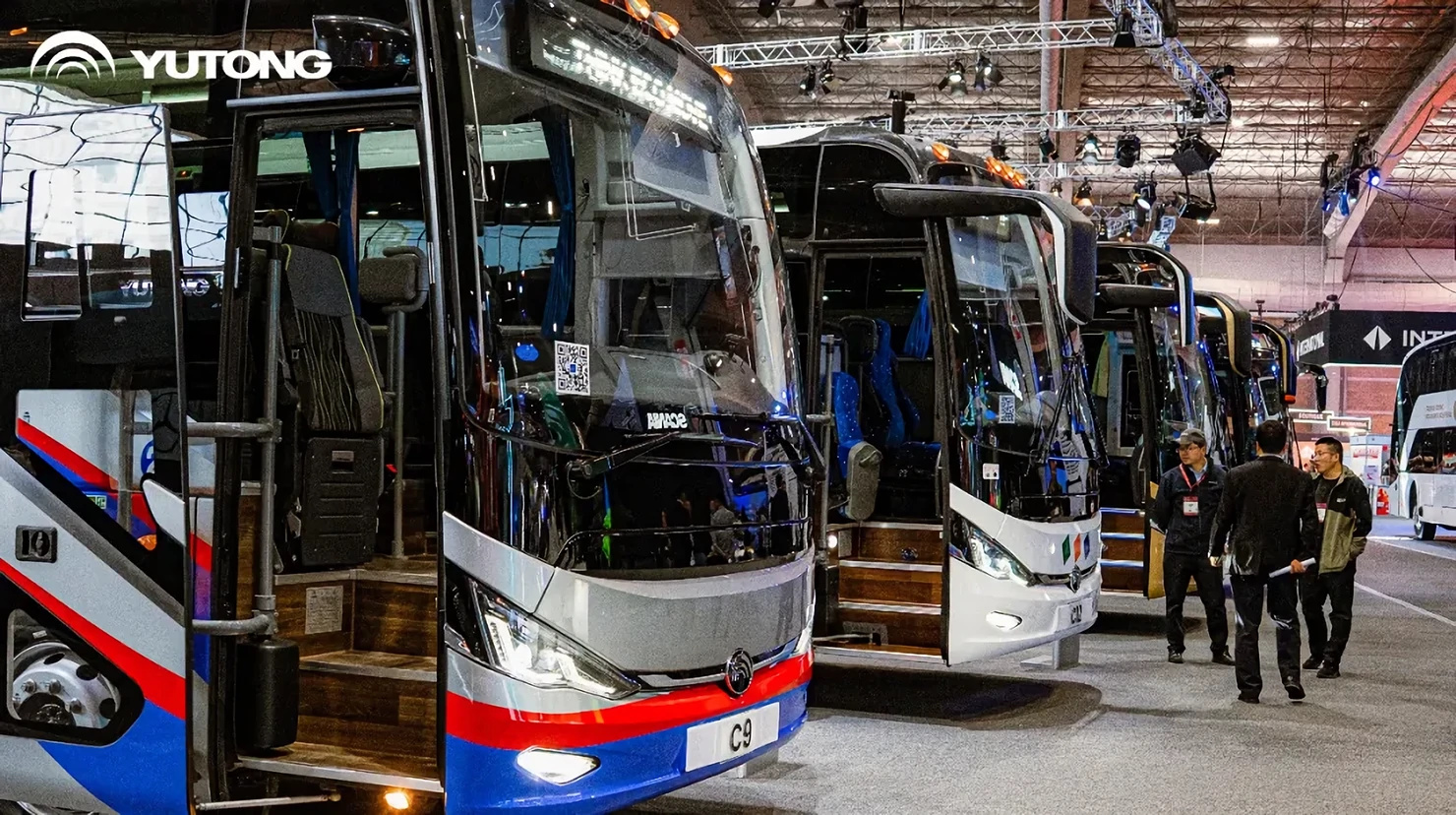
China advances into Mexico’s transportation with an electric bus that has a range of up to 530 km, bringing a complete line to the country in 2026 and transforming its partnership with Yutong into one of the most strategic in Latin American mobility.
-
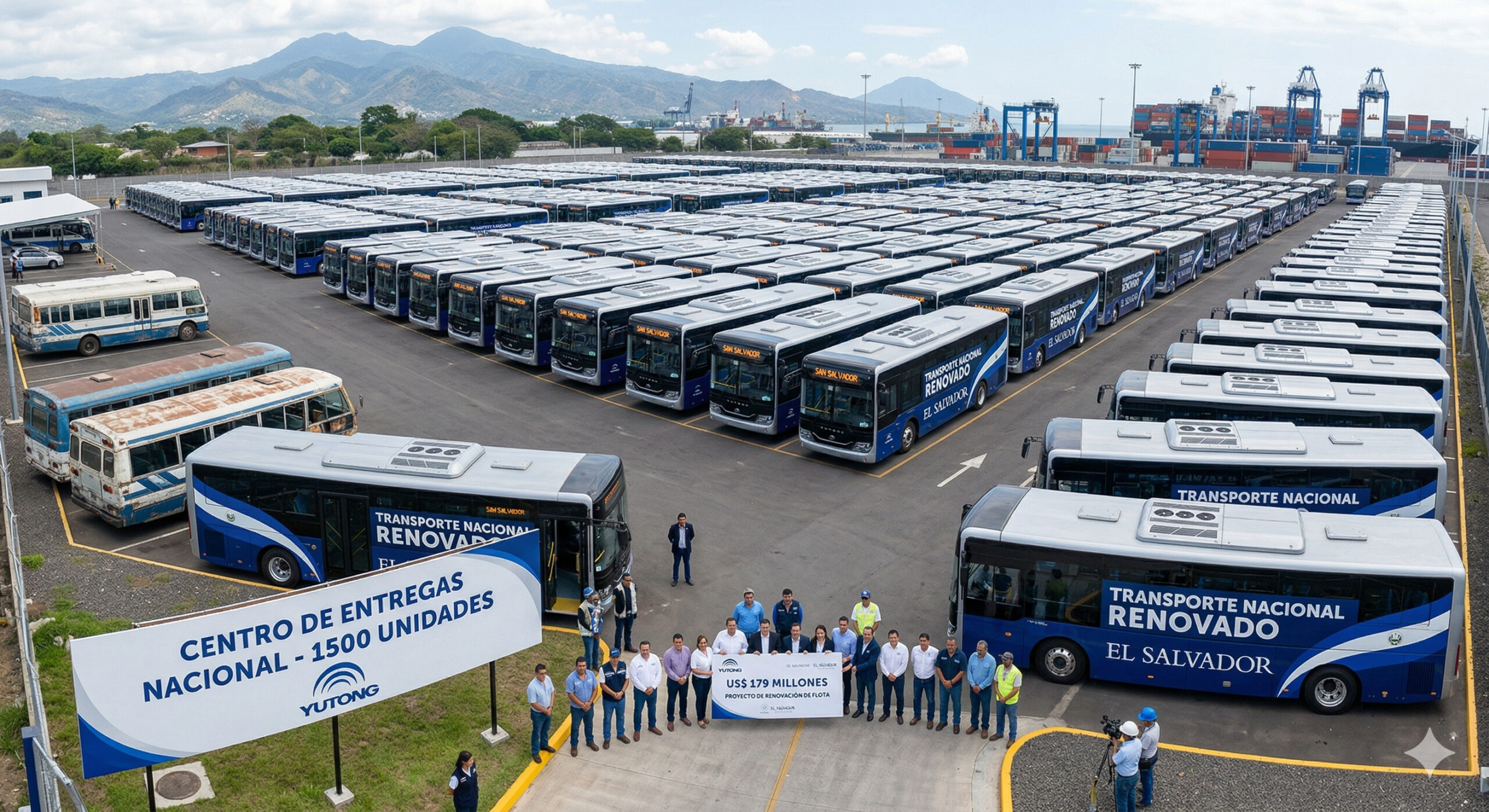
With 1,500 new buses financed by an international agreement, El Salvador is preparing the largest renewal in the history of its public transportation, a plan of $179 million with vehicles from the Chinese company Yutong that could replace practically the entire fleet of the country.
-
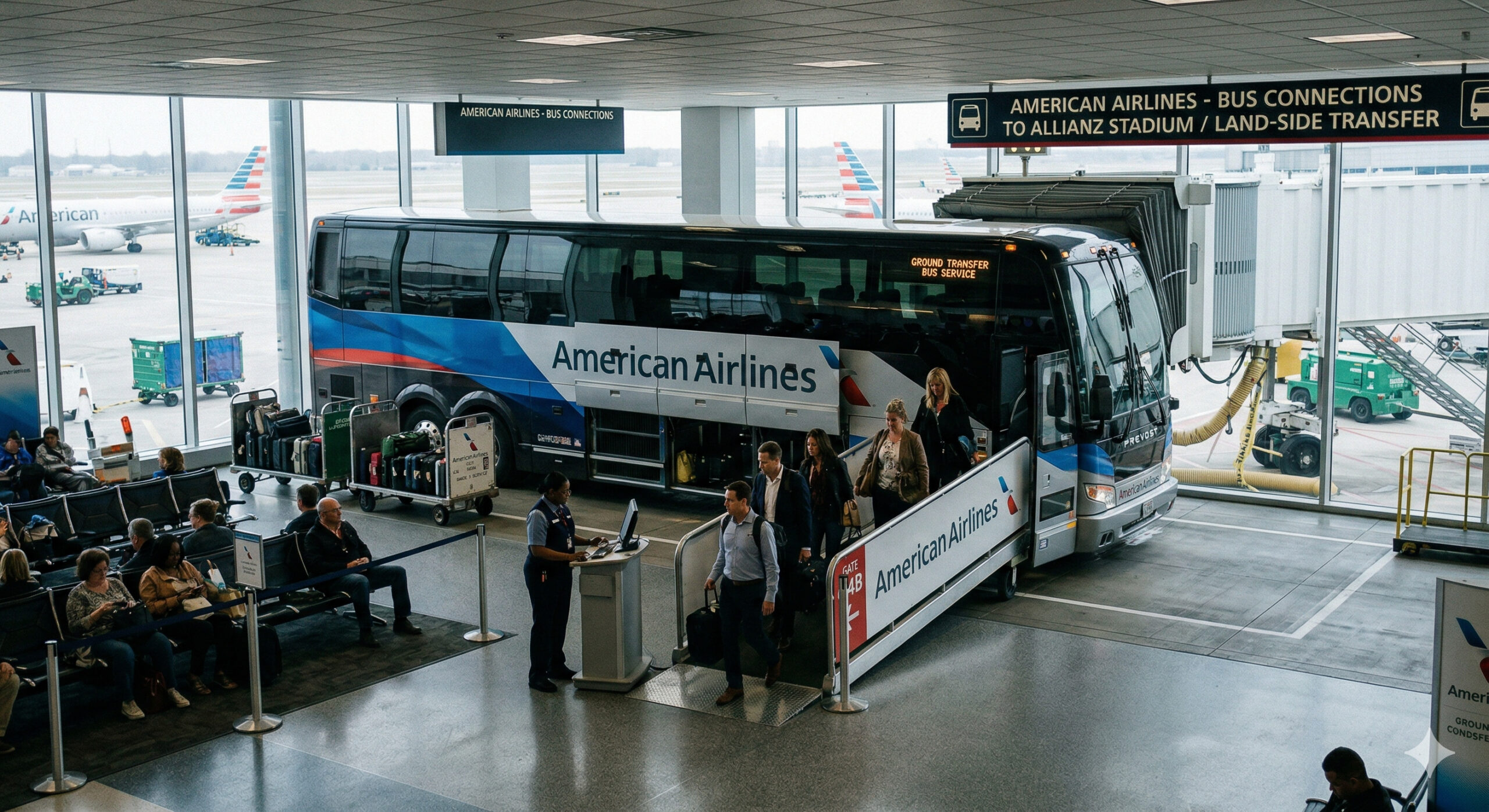
American Airlines starts selling trips as if they were flights, with check-in and baggage check at the airport, but on short routes, passengers board luxury buses connecting cities to major hubs in the U.S.
-
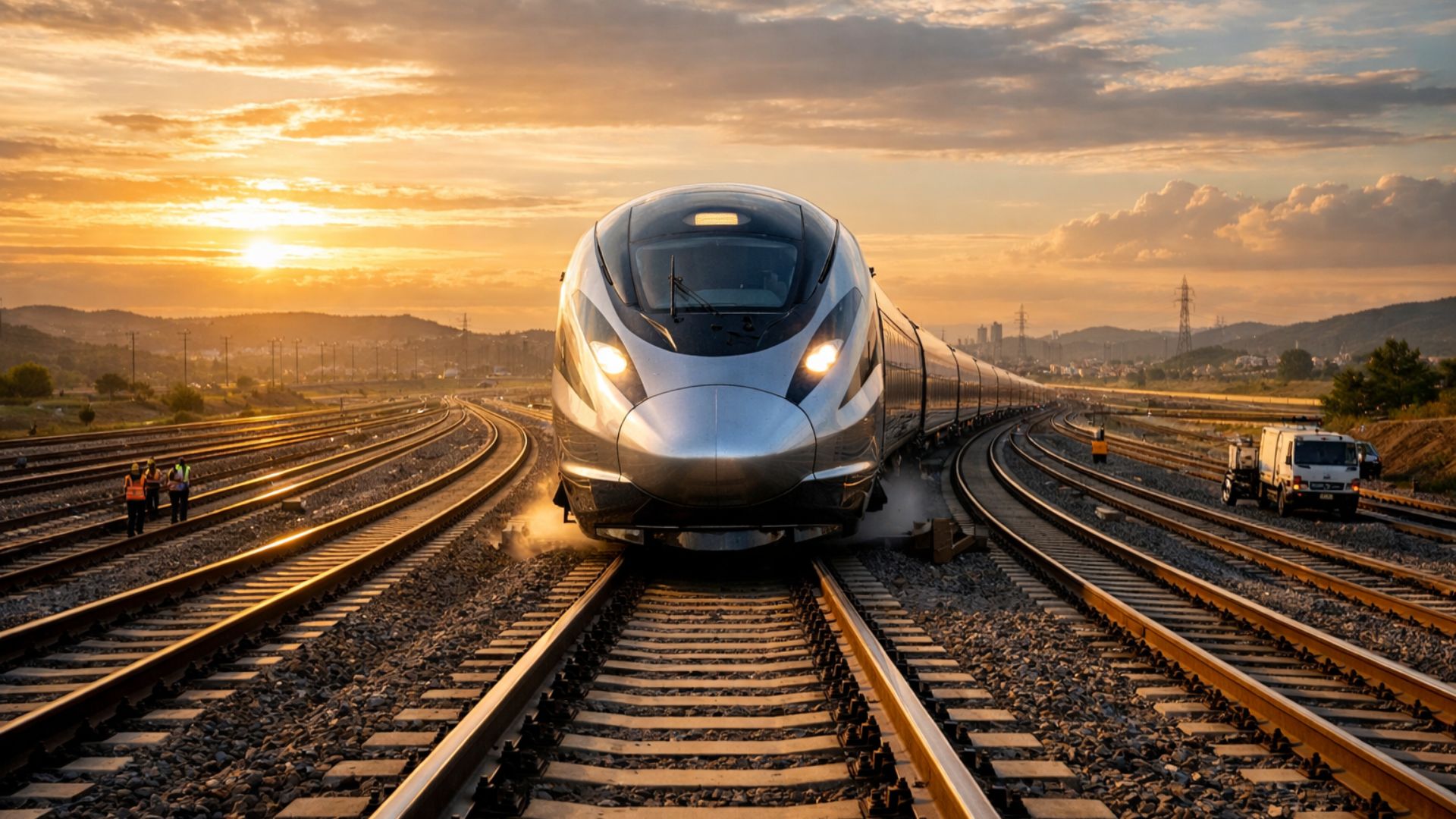
São Paulo surprises the world with a colossal railway network project that promises over 1,000 km of tracks, R$ 194 billion in investments, and 40 projects connecting the capital to the interior with fast and sustainable trains.
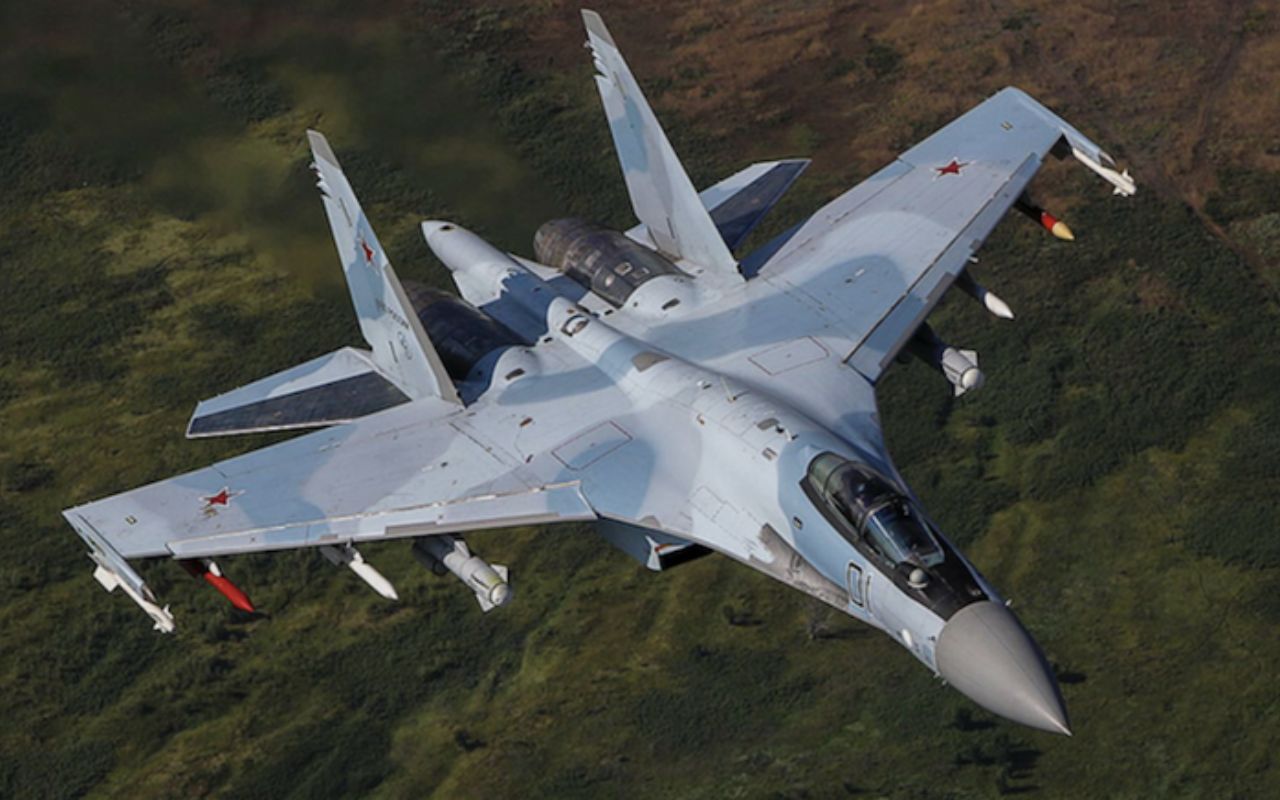
The aviation sector faces a challenge in reducing its carbon dioxide emissions. In 2019, before the pandemic, 17.4 thousand tons of CO2 were emitted in Brazil (1.25% of the country’s total). In 2021, with fewer flights operating, this number fell to 10.9 thousand (0.71%).
To mitigate the situation, 115 countries signed the Corsia agreement (Carbon Offsetting and Reduction Scheme for International Aviation) which provides for mandatory measures starting in 2027. Among the main strategies are the development of new technologies for aircraft, improvement of air traffic and airport operations, use of less polluting fuels, and carbon offsetting.
Some airlines already offer passengers the option to donate money to increase the purchase of SAF (sustainable aviation fuel), which is still scarce in the market. Although it is a welcome solution for airlines, which are looking to pay off debts generated by the pandemic halt and recover pre-pandemic travel volumes, some question whether this responsibility should not rest with them.
Aviation and the Pollution Trail from a Two-Hour Flight









Seja o primeiro a reagir!