





 Portuguese
  English
  Spanish
  5 min of reading
  2 comments




African Country With Large Mineral Reserves Faces Severe Agricultural Limits and Begins to Test Sea Biomass as Input to Recover Degraded Soils, Reduce External Dependence and Create Productive Alternatives in a Territory Marked by Water Scarcity and Extreme Climatic Conditions.
Namibia boasts some of the largest mineral assets on the African continent, with significant production of uranium and diamonds, including in offshore operations.
Nonetheless, the country faces structural difficulties in ensuring food security and productive stability.
The main reason lies above ground: water scarcity and limited arable land impose persistent obstacles to the expansion of the agricultural sector.
-
Few people know this, but Neil Armstrong, one of the most famous NASA astronauts in history, survived the Korean War after jumping from the plane during his seventh combat mission aboard the USS Essex aircraft carrier of the United States.

-
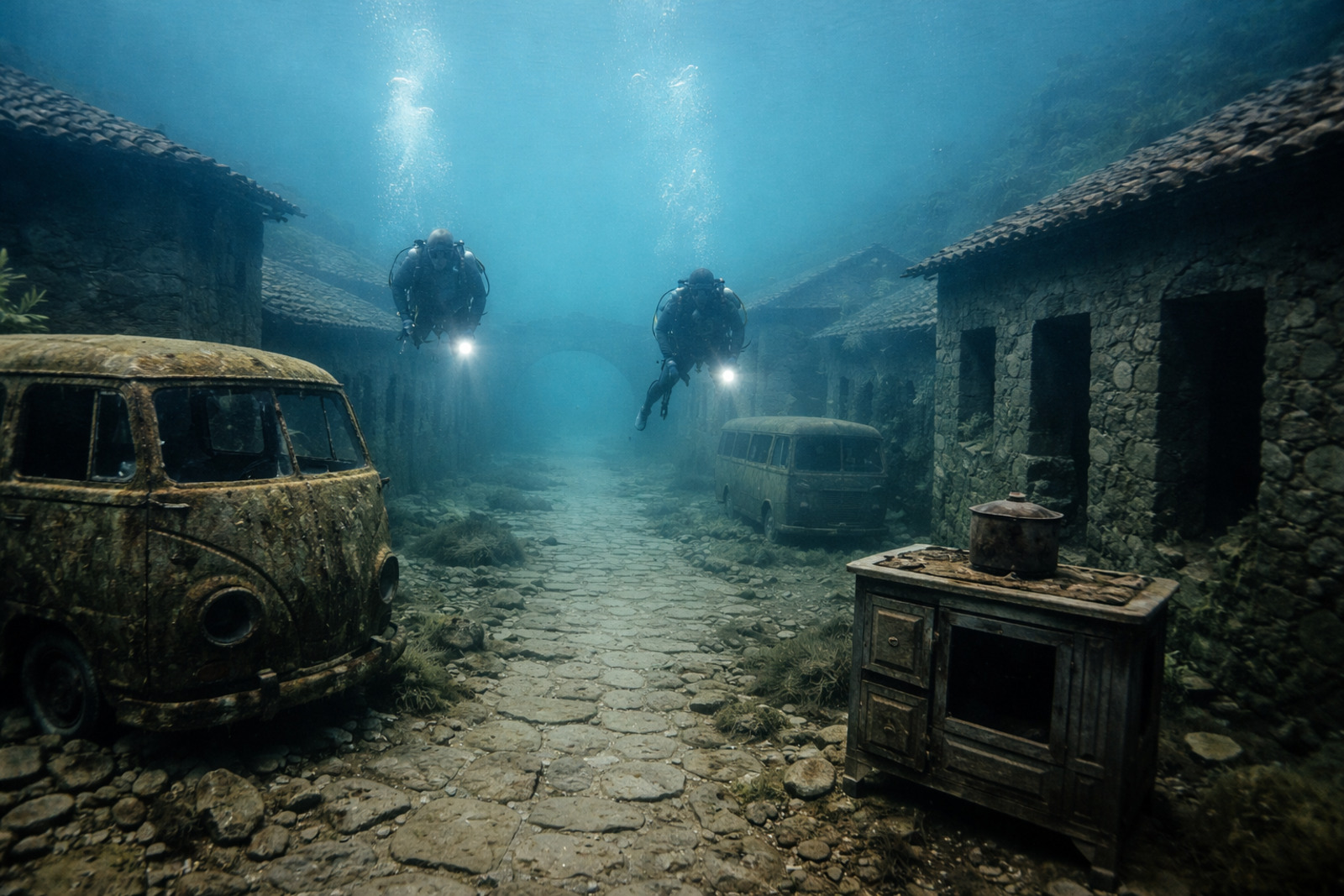
Diving with a camera in Lake Furnas reveals a submerged city with an entire street, almost intact houses, a preserved bridge, a wood stove, a Kombi, and even a bus at the bottom of the largest lake in the Southeast.
-
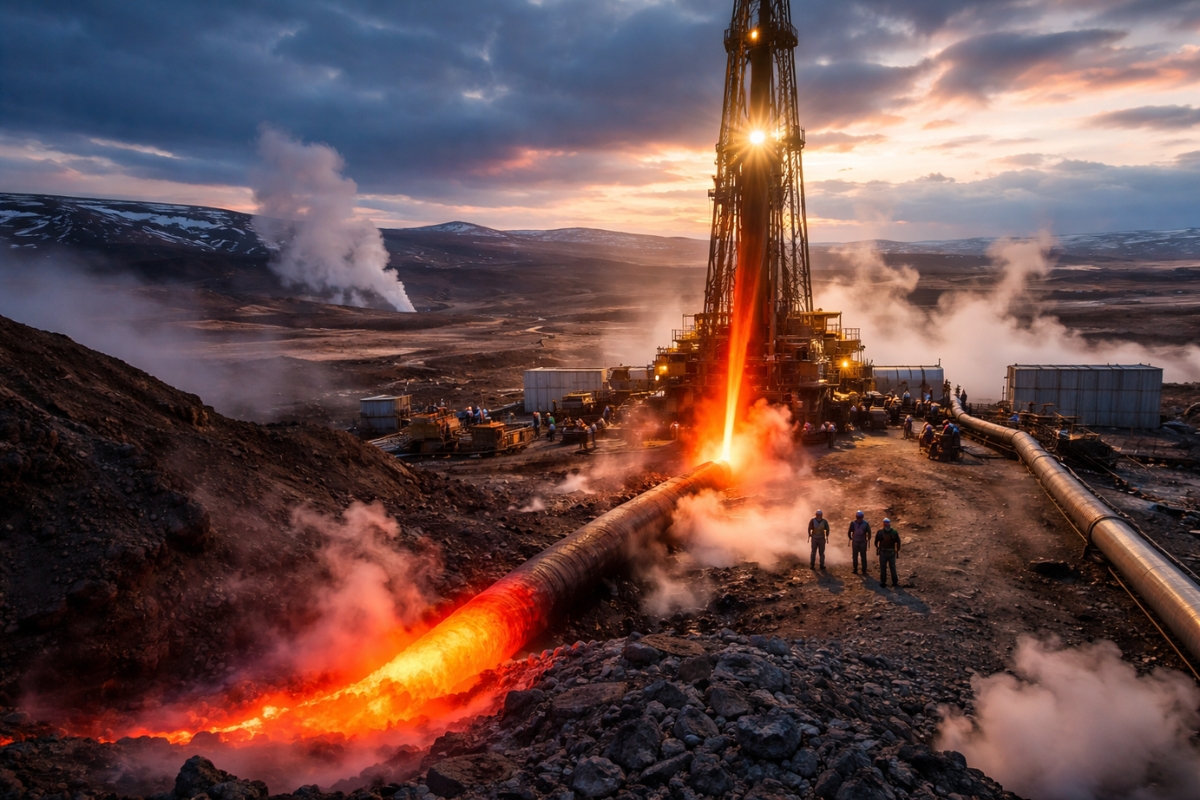
Iceland accidentally drilled into a magma pocket at 2,100 meters and revealed that the extreme heat beneath the crust could pave the way for a new source of continuous energy.
-
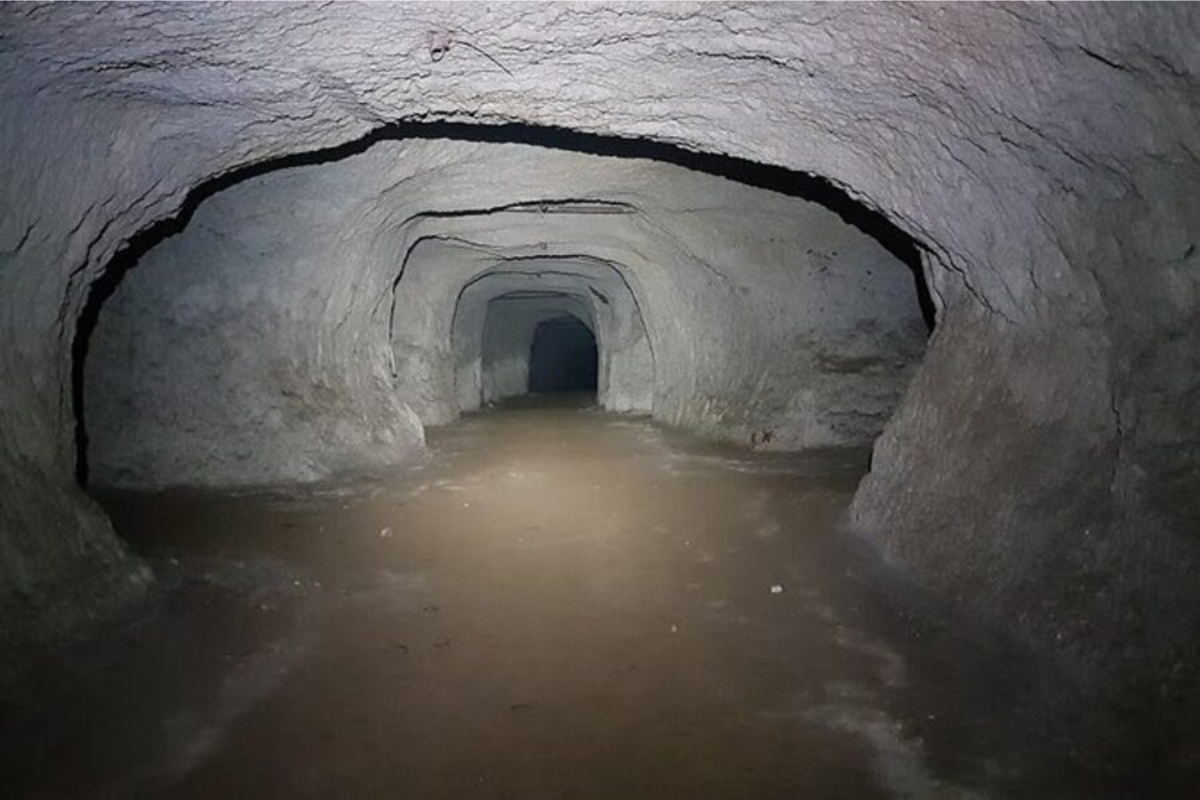
Discovery of a 15-kilometer labyrinth beneath the buildings of Rome raises alarm for collapses and reveals the largest underground network ever found in the Italian capital.

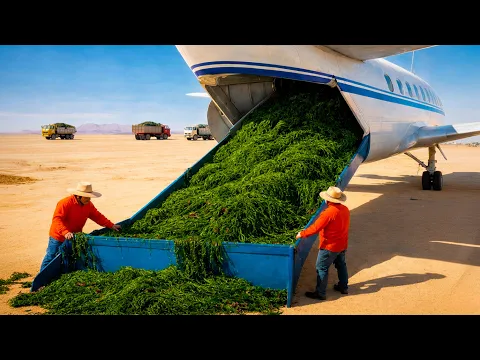
In this scenario, recent projects have begun testing the use of sea biomass as input for the recovery of degraded soils by bringing ocean-grown seaweed to arid interior areas.
Although mining sustains an important part of the national economy, regional development experts emphasize that dependence on mineral resources does not solve problems related to food production.
The majority of Namibian territory presents severe restrictions for cultivation, with intermittent rivers and irregular rainfall.
Data cited in studies and technical reports indicate that only about 1% to 2% of the country has conditions suitable for conventional agriculture.
Agricultural Limitations in a Mineral-Rich Country
The contrast between mineral abundance and agricultural fragility becomes more pronounced when observing territorial dynamics.

Even outside formally designated desert areas, large expanses exhibit poor soils, subject to erosion and continuous nutrient loss.
In transitional regions, the advance of dunes and wind action reduce land stability, hindering long-term agricultural management.
Additionally, demographic analyses show that Namibia’s population continues to grow, which increases pressure on an already limited production system.
According to international organizations monitoring the country, agricultural expansion faces a physical ceiling, as new fertile areas are scarce, and irrigation relies on limited water sources.
In this context, the search for technical alternatives has been treated by researchers and policy makers as a strategic necessity.
Namib Desert and Extreme Climatic Conditions
Along the Atlantic coast, the Namib Desert is identified by climatological studies as one of the most arid environments on the planet.
In some areas, the annual recorded precipitation falls below 10 millimeters, a value lower than that observed in other known deserts.
In these conditions, life depends less on rainfall and more on moisture brought by coastal fog, a phenomenon associated with the cold Benguela Current.

The combination of low soil moisture, intense sunlight, and large temperature fluctuations hampers the maintenance of organic matter.
Even when water is available, rapid infiltration and evaporation reduce cultivation efficiency.
Agricultural technicians working in the country point out that, without structural intervention in the soil, conventional fertilizers tend to yield limited results.
Benguela Current and Marine Productivity
In contrast to continental aridity, the adjacent ocean shows high biological productivity.
The cold Benguela Current promotes nutrient upwelling, creating favorable conditions for seaweed growth along the southern African coast.
Marine researchers describe this region as one of the richest in biomass in the South Atlantic.
Based on this characteristic, pilot projects have begun cultivating seaweed in submerged structures, focusing on the utilization of biomass for different purposes.
Among the species used, Macrocystis pyrifera, known as giant kelp, is cited in scientific literature for its rapid growth in nutrient-rich environments.
The proposal defended by companies and research centers involved is to transform part of this biomass into agricultural inputs capable of improving the physical structure of the soil, increasing water retention, and stimulating underground biological activity.
Seaweed Farms and Industrial Processing
On the coast near the town of Lüderitz, the company Kelp Blue reported establishing an experimental seaweed farm covering over 30 hectares in operation.

According to descriptions released by the company itself, the system uses submerged lines fixed to the seabed, allowing for partial harvesting of the biomass without complete removal of the plants.
After harvesting, the material is sent for processing on land, where it undergoes cleaning and transformation stages.
The stated goal is to produce organic compounds and biostimulants for agricultural use.
Technicians involved in the project assert that these products can help improve moisture retention and reactivate microbial processes in degraded soils.
Independent experts, however, emphasize that results still depend on continuous monitoring and evaluations at a larger scale to prove consistent long-term impacts.
Scientific Debate on Marine Carbon
In addition to agricultural use, seaweed cultivation has been linked to discussions on carbon capture in the marine environment.
Part of the scientific literature acknowledges that kelp forests absorb carbon dioxide during growth.
On the other hand, environmental organizations and researchers warn that most of this carbon may return to the system with the decomposition of biomass, which limits potential for permanent storage.

This debate has gained traction mainly in Europe and the United States, where marine carbon credit projects are being analyzed with caution.
In the case of Namibia, industry representatives claim that the focus remains on direct effects, such as job creation in coastal areas and providing inputs for local agriculture.
Experiences with Seaweed in East Africa
The use of seaweed as an economic alternative also appears in other African countries.
In Kenya, international reports indicate that coastal communities have expanded cultivation following successive agricultural losses due to drought.
In 2022, national production was estimated at around 100 tons, with exports aimed at markets such as China, France, and the United States.
In Tanzania, the sector operates on a larger scale.
Data from international organizations and the local government indicate that tens of thousands of farmers participate in the production chain, especially in coastal regions and in Zanzibar.
Sector analysts note that the activity has gained relevance due to requiring few inputs besides seawater and labor, making it accessible in areas with severe agricultural limitations.

Seaweed as an Alternative to Single-Use Plastics
In Namibia, recent public policies aimed at reducing single-use plastics have heightened interest in alternative materials.
Official information indicates that plastic straws were banned as of January 1, 2024, while disposable plastic bottles will face restrictions starting in 2025.
In this context, academic research and industrial partnerships are exploring the use of seaweed-derived materials in biodegradable coatings for packaging.
Studies conducted by universities and biomaterials companies describe compounds capable of replacing plastic layers in food-grade papers, maintaining resistance to grease and moisture.
Researchers involved assert that the progress of these initiatives depends on further testing and economic viability at an industrial scale.
With projects at various stages and results still under evaluation, seaweed cultivation has begun to integrate into the debate on how countries with arid territories can diversify their productive base without increasing pressure on scarce water resources, and to what extent this marine biomass can become a stable tool to tackle agricultural and environmental challenges in desert regions?




Ao escrever artigos para a população, os jornalistas podiam pesquisar melhor as referências para ajudar a comunidade científica a propagar informações corretas. Assim, as algas, na taxonomia, não são do reino das plantas, e sim pertencentes aos Protoctistas (protozoarios e algas). Embora verdinhas, fazendo fotossíntese, possuem características que não as identificam como plantas conforme texto da reportagem. Uma boa notícia também ampliar conhecimentos de seus leitores.
O título induz a erro. Na África existem 55 países e a matéria faz referência unicamente a Namíbia. Imaginem um título “América Latina promove limpeza de rio”, e você descobre que a reportagem é sobre o Rio Tietê.