





 Portuguese


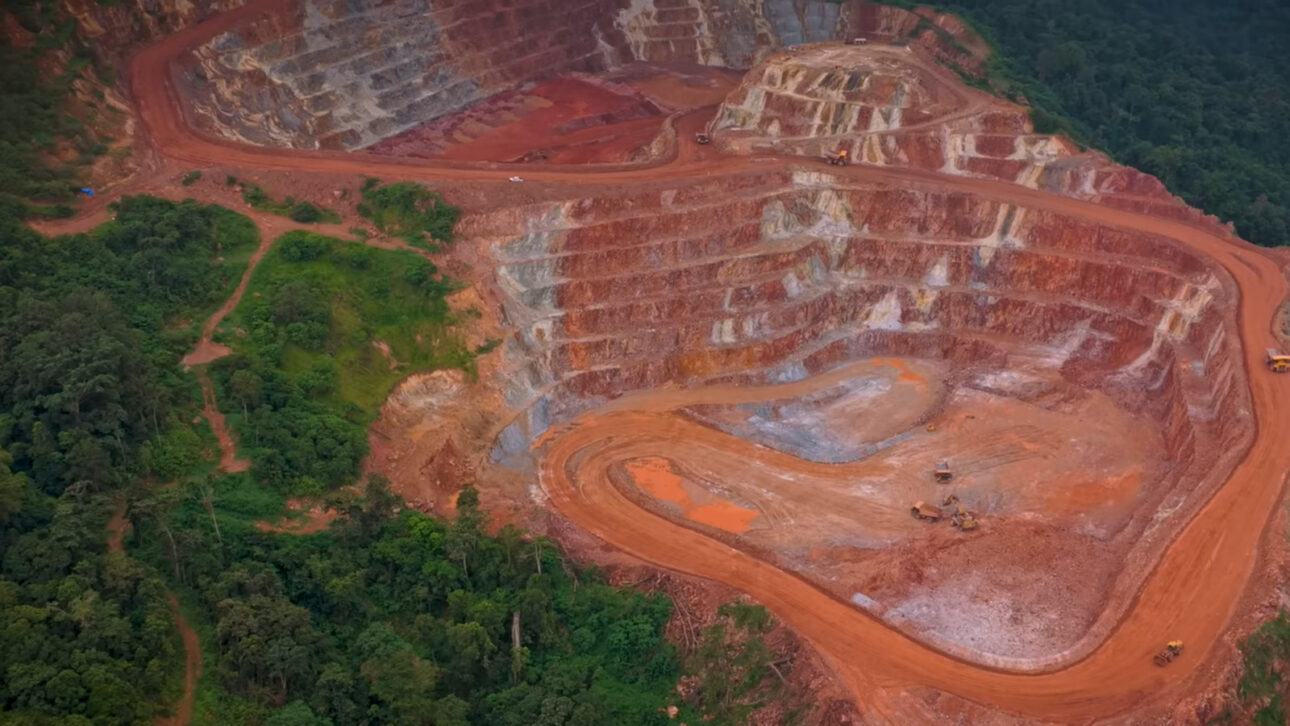

With more than 5 million metric tons shipped in October, Guinea captured 3% of global iron ore exports, driven by the Simandou mine, which could produce 120 million metric tons a year
Guinea became the world’s third-largest iron ore exporter in October 2026, overtaking South Africa after shipping more than 5 million metric tons in a single month. The surge was driven by the Simandou mine, one of the planet’s largest high-grade iron ore deposits.
Guinea beats forecasts and captures 3% of global exports
The result put the African country among the leading suppliers of seaborne iron ore. October shipments accounted for about 3% of the volume traded worldwide.
According to BIMCO, an international shipping organization, Guinea had already exported more than 22 million metric tons in 2026, exceeding its initial forecast of 20 million for the entire year.
-
Canadian miner considers building a rare earth processing plant in Brazil, seeks government incentives, and earmarks $780 million for a project starting production in 2029

-
Kenya selects U.S. companies to explore rare-earth deposit valued at tens of billions of dollars and rich in niobium
-
AngloGold Ashanti plans $2.5 billion investment in Colombian copper mine if it secures environmental permit

-
U.S. Court Blocks Trump’s Plan to Auction Seabed Mining Areas off American Samoa


The figures were released in November by Filipe Gouveia, the organization’s shipping analysis manager.
The growth is directly tied to the start of mining operations at Simandou in December 2025. Since then, the country has been gradually increasing the volumes shipped to international markets.
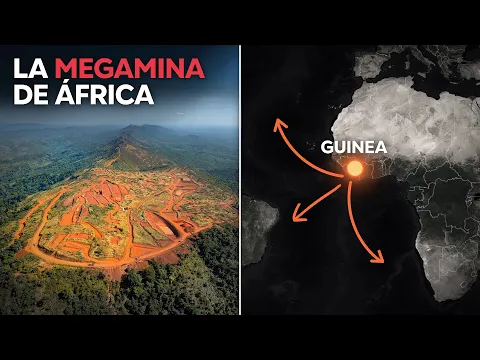

Simandou mine could produce 120 million metric tons a year
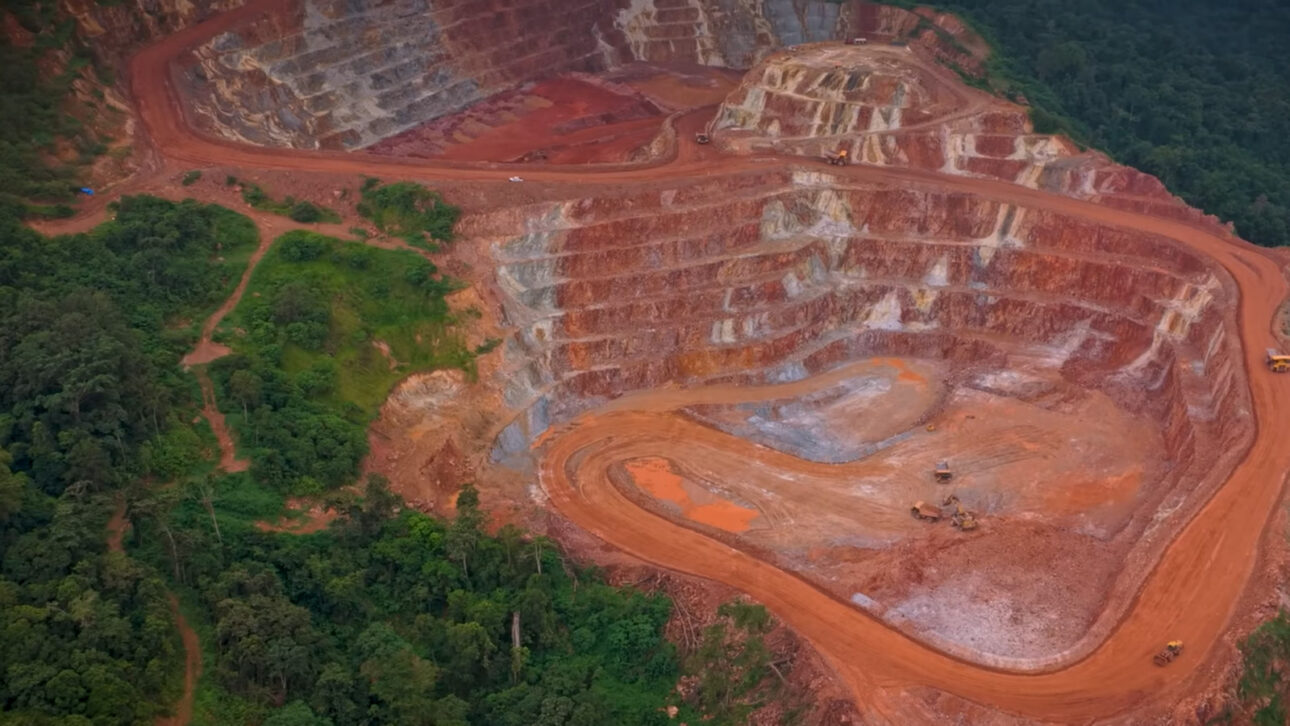
Located in southeastern Guinea, the Simandou project contains one of the largest known deposits of high-grade iron ore, a raw material used primarily to make steel.
At full capacity, the project is expected to produce about 120 million metric tons a year, equivalent to an average of 10 million metric tons per month.
The volume Guinea exported in October already amounts to about half of that projected monthly capacity.
BIMCO expects the project to reach full capacity by the end of the decade. However, the exact timeline remains uncertain.
Ore travels 88% farther, increasing demand for ships
The growth in Guinea’s exports is also changing the figures for international shipping.
Filipe Gouveia said Guinea’s iron ore shipments travel an average of 88% farther than typical routes for the commodity.
That difference meant Guinea accounted for 6% of global ton-mile demand in October, despite representing only 3% of export volume.
A ton-mile is a measure that accounts for both the weight transported and the distance traveled. The longer the voyage, the greater the demand measured by this indicator.
From January through October, global iron ore ton-mile demand rose 2% compared with the same period in 2025, even as shipping volumes remained virtually unchanged.
China concentrates purchases as prices squeeze Brazilian miners
Virtually all of Guinea’s iron ore exports go to China, the world’s largest importer of the commodity.
The Asian country uses imported high-grade iron ore alongside domestic output, which is generally lower quality, to supply its steel mills.
Even so, Chinese steel production fell 3% in 2026 from a year earlier, while iron ore shipments to the country rose 1%.
Greater global supply, including output from Guinea, has weighed on iron ore prices. As a result, some smaller Brazilian miners have cut production in response to lower prices and high freight costs.
Exports could lift global seaborne demand by as much as 13%
BIMCO projections indicate that Simandou could increase demand for capesize vessels, large bulk carriers used to transport iron ore.
If Guinea reaches annual output of 120 million metric tons and other exporters maintain their volumes, global ton-mile demand could rise 13% from 2025.
Even if all of Guinea’s additional iron ore replaces shipments from other countries, longer voyages could still push the indicator up by about 6%.
This article was prepared using data and information from BIMCO.


